For people with significant upper-jaw bone loss, zygomatic implants can make a fixed, functional smile possible when conventional implants may not be appropriate. Still, it is natural to focus on zygomatic implant recovery before moving forward. Knowing what happens after surgery - including swelling, diet changes, follow-up visits, and the gradual return to normal routines - can replace uncertainty with a practical plan.
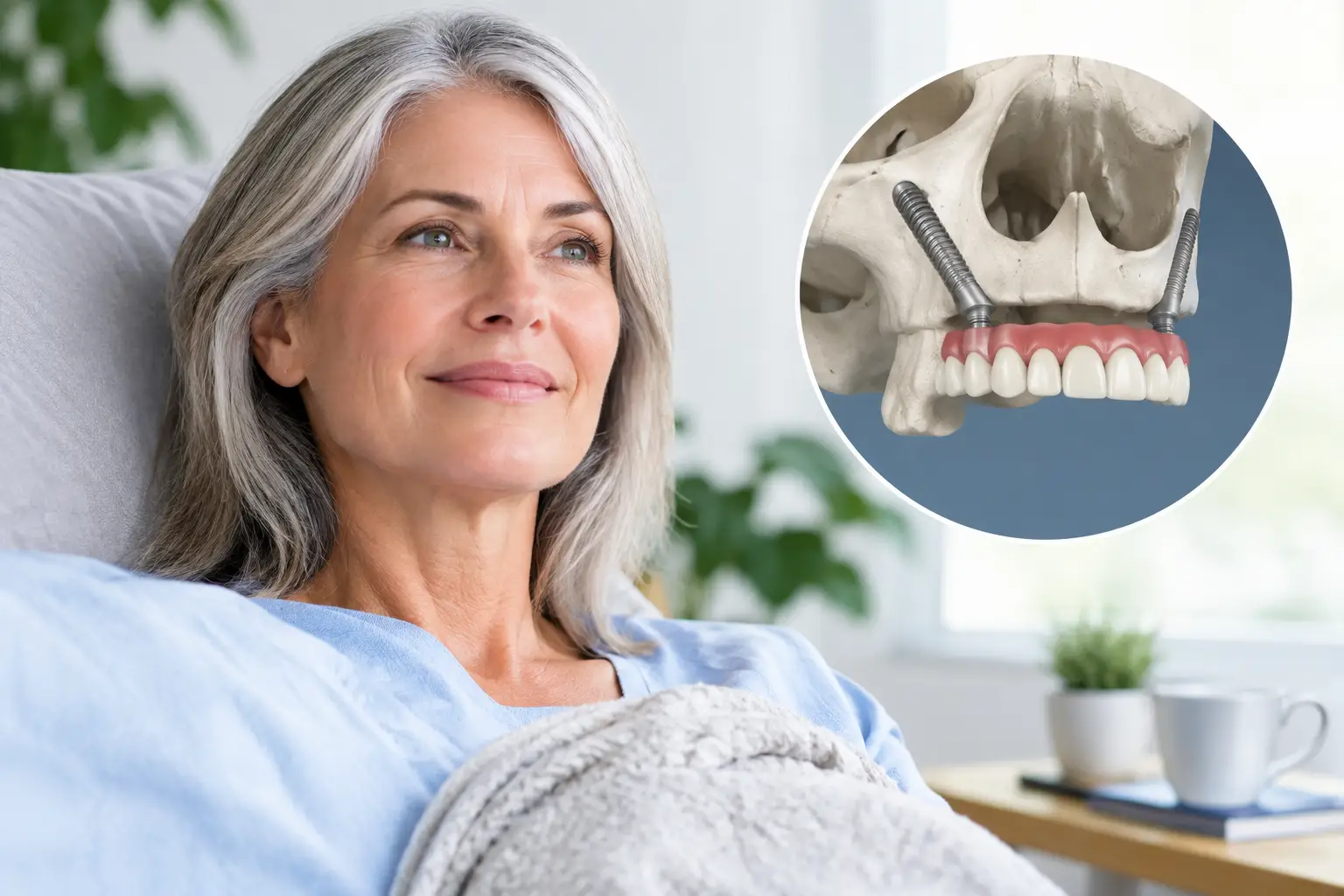
Zygomatic implants are longer than traditional dental implants and are anchored in the cheekbone, or zygomatic bone. Because this is a more complex procedure, recovery should be approached thoughtfully and under the close guidance of your surgical and restorative team. Your experience will be personal to your health history, the extent of treatment, whether bone grafting or extractions were also needed, and whether temporary teeth were placed the same day.
Zygomatic implant recovery time: the big picture
Most patients feel ready to resume light daily activity within several days, though visible swelling and fatigue can last longer. The initial soft-tissue healing period generally takes a few weeks. The deeper zygomatic implant healing process continues over several months as the bone adapts around the implants and your care team monitors stability.
That distinction matters. Feeling better does not mean the healing process is complete. Even if you receive a fixed provisional bridge soon after surgery, it is designed to be worn within specific limits while healing takes place. Following food and hygiene instructions protects both the surgical sites and the long-term result.
A commonly expected zygomatic implant recovery timeline looks like this:
- The first 24 to 72 hours: Swelling, mild to moderate discomfort, facial tightness, and light bruising are common. Some nasal stuffiness or minor blood-tinged drainage may also occur because the upper jaw is close to the sinus area.
- Days 4 through 7: Swelling often reaches its peak around the second or third day, then starts to improve. You may still feel tired and should continue a soft-food diet and avoid strenuous activity.
- Weeks 2 through 4: Tenderness and swelling should be steadily decreasing. Many patients are back to work and ordinary routines, depending on the physical demands of their job and how extensive their procedure was.
- Months 2 through 6: The implants and surrounding tissues continue to heal. Your team evaluates function, bite, tissue health, and implant stability before planning or delivering the final restoration.
These ranges are not deadlines. Some patients recover more quickly, while others need more time, particularly after full-mouth surgery or when medical conditions affect healing.
What to expect after zygomatic implant surgery
The first evening is usually the most restful part of recovery. Plan to have a responsible adult take you home and stay with you after sedation or general anesthesia, if used. Keep your head elevated with extra pillows, take medications exactly as prescribed, and focus on fluids and approved soft foods.
Discomfort is expected, but severe or worsening pain is not something to simply push through. Your surgeon may recommend a combination of prescription and over-the-counter medications based on your medical history. Take only what your care team has approved, especially if you use blood thinners or have liver, kidney, stomach, or heart conditions.
Temporary changes in speech can also occur if you have a provisional full-arch bridge. Your tongue, lips, and facial muscles need time to adapt to the new shape of your teeth. Reading aloud, speaking slowly, and giving yourself time can help. Most people adjust as the swelling settles and the bite is refined at follow-up appointments.
Swelling after zygomatic implants
Swelling after zygomatic implants is one of the most common concerns, particularly around the cheeks, upper lip, and under-eye area. Bruising can move downward over several days and may look more dramatic before it fades. This is usually part of the normal inflammatory response to surgery, not a sign that something has gone wrong.
For the first day or two, apply a cold pack to the outside of the face in short intervals, following your surgeon's directions. Do not place ice directly on bare skin. After the initial period, some patients benefit from gentle warmth, but only if their care team recommends it. Sleeping with your head elevated and avoiding bending, heavy lifting, or vigorous exercise can also reduce pressure and swelling.
Call your dental team promptly if swelling becomes worse after it had been improving, is accompanied by fever, produces increasing redness or warmth, or makes it difficult to breathe or swallow. Difficulty breathing, heavy bleeding, or a severe allergic reaction requires emergency medical attention.
Zygomatic implant aftercare that protects healing
Aftercare is not complicated, but consistency matters. Your instructions may differ slightly depending on the technique used and whether you have sutures, extractions, sinus-related precautions, or a temporary prosthesis. When in doubt, follow the written directions from your own surgical team rather than general advice online.
For the first days after surgery, avoid forceful spitting, vigorous rinsing, using a straw, smoking, and vaping. These actions can disrupt healing tissues. Smoking and nicotine products are especially harmful because they reduce blood flow and raise the risk of infection and implant complications. If stopping nicotine feels difficult, tell your care team before surgery so you can discuss support options.
Keep your mouth clean as directed. This may include a prescribed rinse, gentle saltwater rinses after the appropriate waiting period, and careful cleaning around temporary teeth. Do not scrub incision areas or use a water flosser near healing sites unless your provider says it is safe. As healing progresses, your team will show you the right brushes, flossing aids, and techniques for keeping your final restoration clean.
Food choices are equally important. Begin with cool or room-temperature liquids and soft foods, then progress according to your instructions. Yogurt, eggs, blended soups that are not hot, mashed vegetables, oatmeal, and protein smoothies eaten with a spoon may work well. Avoid crunchy, sticky, chewy, spicy, and very hot foods early on. A temporary bridge can feel secure, but it is not a reason to test hard foods before you are cleared.
Healing and follow-up visits
Follow-up appointments are an active part of treatment, not a formality. At these visits, your team checks incisions, manages sutures if needed, evaluates your bite, and looks for pressure points around a temporary prosthesis. Small adjustments can make a significant difference in comfort and protect the implants from uneven biting forces.
Your medical history also shapes the zygomatic implant healing process. Diabetes that is not well controlled, immune-suppressing medications, untreated gum disease, poor nutrition, and nicotine use can slow healing or increase risk. Be candid about medications and health changes, even if they seem unrelated to your mouth. Good planning depends on complete information.
It is also wise to give yourself more recovery time than you think you might need. If possible, arrange simple meals, limit social commitments for the first week, and avoid scheduling major work presentations immediately after surgery. Patients who build in room to rest often feel more comfortable and less pressured during the early days.
When to contact your care team
You know your body best, and a question is always worth asking. Contact your provider if you have pain that is increasing rather than improving, persistent bleeding, fever, foul taste or drainage, a loose temporary bridge, new numbness, or difficulty opening your mouth that is worsening.
For sinus-related symptoms, follow the specific guidance you were given. Do not blow your nose forcefully unless your surgeon has cleared you to do so. Report persistent congestion, unusual nasal drainage, or a feeling that air or fluid is passing between your mouth and nose.
At Seattle Oral Care, complex implant treatment is planned collaboratively, with restorative and surgical expertise working together from the first consultation through long-term maintenance. That coordinated approach helps patients understand not only the procedure, but also the recovery steps that support a durable result.
Recovery asks for patience, but it also gives you a clear role in the success of your treatment. Rest when your body asks for it, protect the temporary restoration, keep every follow-up appointment, and contact your dental team early when something does not feel right. Gentle, consistent care in the weeks after surgery helps lay the foundation for the confident, comfortable smile you are working toward.