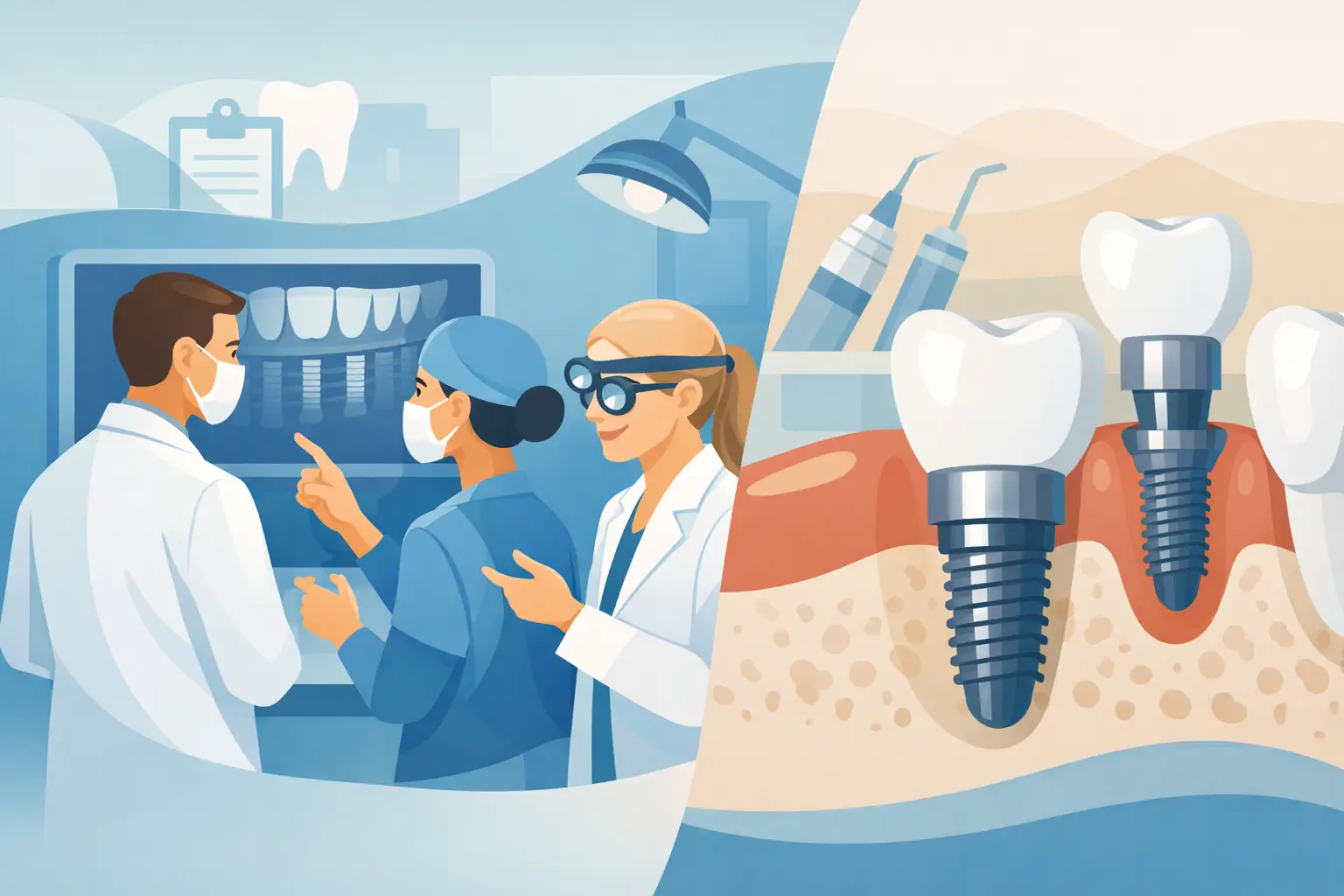
A dental implant is not simply a replacement tooth. It is a long-term restoration involving the jawbone, gum tissue, bite, appearance, and the way you use your smile every day. A multiple specialist dental implant team brings the right clinical perspective to each of those decisions, helping complex treatment feel more organized, understandable, and personal.
For patients who have lost one tooth, several teeth, or most of their teeth, the question is often not just, “Can I get implants?” It is, “Who is looking at the whole picture?” The answer can make a meaningful difference in comfort, planning, and how well the final restoration serves you over time.
What a Multiple Specialist Dental Implant Team Does
Implant treatment often has two connected phases: preparing the foundation and restoring the visible teeth. Some patients need only a straightforward implant and crown . Others may need treatment for gum disease, bone loss, a failing bridge, worn teeth, bite problems, or several missing teeth before the final restoration can be completed.
A coordinated team allows each phase to be considered before treatment begins. Rather than viewing surgery, gum health, and the final teeth as separate issues, the clinicians work toward one shared goal: a smile that is healthy, comfortable, functional, and natural-looking.
At Seattle Oral Care, that collaboration can include a prosthodontist, general dentist, oral surgeon, and periodontist. Each provider has a distinct role, while the patient experiences a clearer plan and a team that is communicating throughout care.
Why Implants Benefit From Different Areas of Expertise
The implant itself is a small titanium post placed in the jawbone. But successful treatment depends on much more than placing that post. The surrounding bone must be adequate, the gums need to be stable, and the final crown, bridge, or denture must fit your bite precisely.
Surgical planning protects the foundation
An oral surgeon focuses on the surgical side of care, including extraction when a tooth cannot be saved, implant placement, bone grafting, and other procedures needed to create a stable foundation. Advanced imaging and careful planning help determine where an implant can be placed safely and how it should be positioned for the final restoration.
This matters because an implant cannot be judged only by whether it integrates with the bone. Its location needs to support a tooth that feels comfortable, cleans properly, and looks appropriate alongside your natural smile.
Periodontal care supports healthy gums and bone
Gum disease is one of the leading causes of tooth loss, and untreated inflammation can affect the tissues around implants as well. A periodontist evaluates the health of the gums and supporting bone, identifying concerns that may need attention before or during implant care.
For some patients, periodontal treatment is a necessary first step. For others, it is part of long-term maintenance after implants are complete. Either way, healthy tissue helps protect the investment you are making in your smile.
Prosthodontic planning shapes the final result
A prosthodontist specializes in restoring and replacing teeth. This includes the detailed planning of implant crowns, bridges, dentures, and full-mouth rehabilitation. The focus is not only on replacing what is missing, but also on how the new teeth will look, feel, and function with your existing bite.
That planning should begin before surgery whenever possible. The size, shape, and position of the final teeth guide where implants should go. This restoration-first perspective can be especially valuable when several teeth are missing or when a patient needs a full-arch solution.
General dentistry keeps the full mouth in view
Your remaining natural teeth still matter. A general dentist helps monitor preventive needs, decay risk, tooth wear, routine cleanings, and the overall health of your mouth. When implants are part of a broader dental plan, this ongoing care helps make sure treatment supports your whole smile rather than addressing one concern in isolation.
When Team-Based Implant Care Is Most Helpful
A single implant replacement may be relatively direct when the surrounding bone and gums are healthy and the bite is stable. Even then, thoughtful coordination can improve planning. But a multiple specialist approach becomes particularly helpful when there are several moving parts.
You may benefit from coordinated care if you have multiple missing teeth, loose or failing dentures, advanced gum disease, bone loss, broken-down teeth, a bridge that is failing, or a bite that has changed over time. It can also be useful if you have avoided dental care because of anxiety and want a team that can explain treatment at a pace that feels manageable.
Full-mouth reconstruction is a clear example. Replacing all or most teeth requires decisions about facial support, bite height, speech, chewing, esthetics, healing, and the design of the final prosthesis. There is no one-size-fits-all solution. Some patients are better served by fixed implant-supported teeth, while others may prefer a removable implant-supported denture . The best option depends on health, bone structure, lifestyle, budget, hygiene needs, and personal goals.
The Advantage Is Coordination, Not More Appointments
Hearing that several specialists may be involved can sound overwhelming, especially if dental visits have been stressful in the past. In a well-coordinated practice, the goal is the opposite: fewer surprises and less burden on you.
The team can review records together, align on the treatment sequence, and explain why each recommendation is being made. You should not have to carry messages between separate offices or wonder whether the surgical and restorative plans match. A shared approach also makes it easier to adjust if healing, comfort, or an unexpected finding changes the timeline.
There can be trade-offs. Comprehensive planning may take more time at the beginning, particularly if imaging, periodontal therapy, or grafting is needed. Healing periods are sometimes essential for predictable results. While it may be tempting to focus only on the fastest route to a new tooth, a careful timeline can protect the long-term outcome.
Questions Worth Asking at an Implant Consultation
A good consultation should leave you better informed, not pressured. Ask who will plan the final restoration, who will perform the surgery , and how the providers coordinate your care. You can also ask whether gum treatment or bone grafting is recommended, what your temporary tooth options are, and how your bite will be evaluated.
It is reasonable to ask about expected treatment timing, maintenance needs, likely costs, and what happens if a complication arises. Clear answers help you make decisions with confidence. Implant care is highly individualized, and a trustworthy team will explain both the benefits and the limitations of your options.
Long-Term Care Is Part of Implant Success
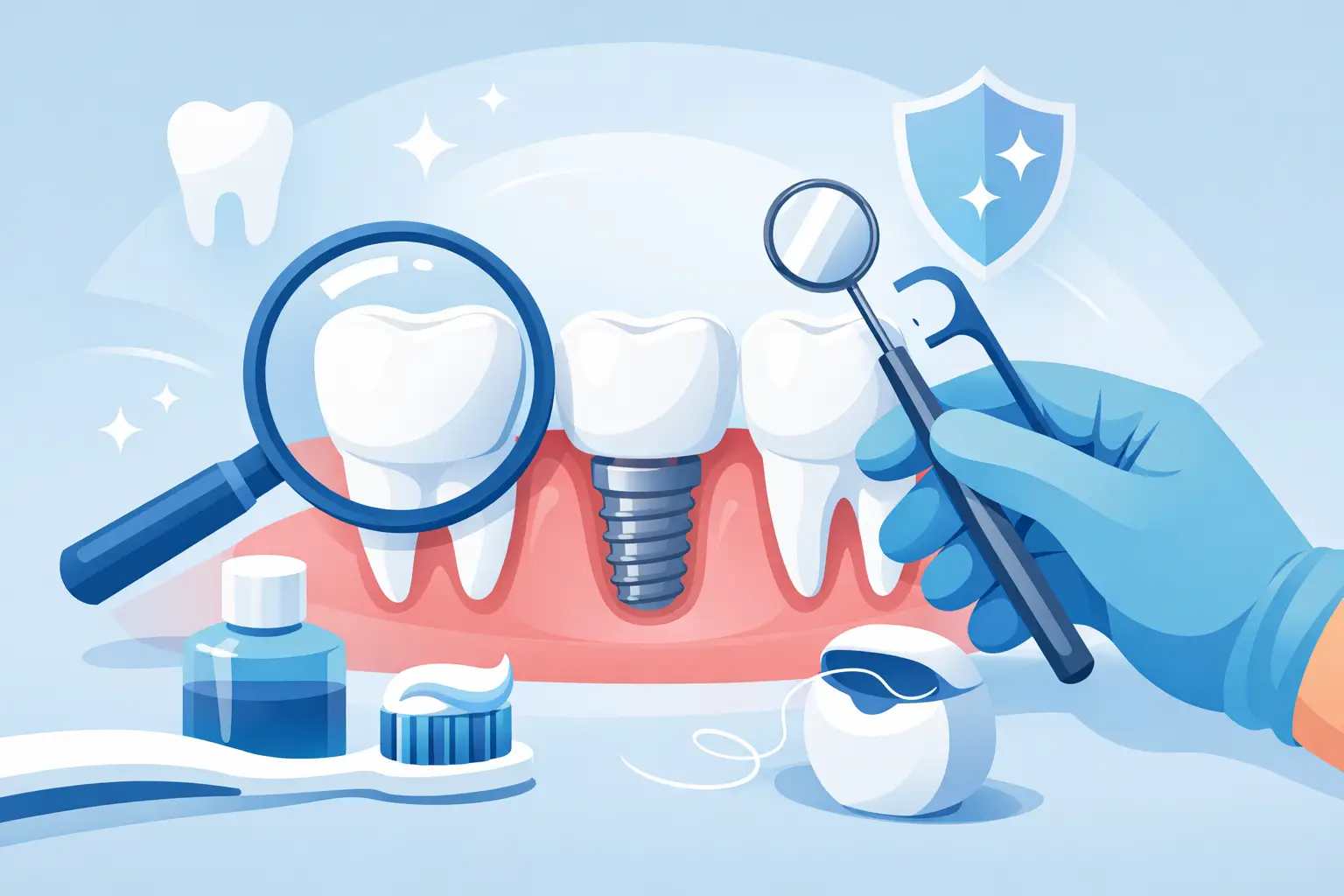
Dental implants are designed to be durable, but they are not maintenance-free. Like natural teeth, they need regular professional care and consistent home hygiene. Brushing, cleaning around implants as recommended, attending checkups, and managing conditions such as gum disease or teeth grinding all support long-term health.
Your care team may recommend a nightguard if clenching or grinding places excessive force on your restoration. They may also suggest a maintenance schedule based on your gum health and the type of implant restoration you have. These visits help detect small concerns before they become larger, more complicated problems.
Choosing implant treatment is a meaningful decision, particularly when you have lived with missing, painful, or unreliable teeth for a long time. You deserve a plan that considers more than the procedure itself. With knowledgeable specialists working together and a team that takes time to hear your concerns, the path toward a stronger, more comfortable smile can feel much more reassuring.