A loose denture, a missing tooth, or years of avoiding certain foods can make tooth loss feel like the visible problem. Often, though, the harder question is what happened to the jawbone underneath. Dental implants for severe bone loss may still be possible, even when you have been told there is not enough bone for a traditional implant. The right approach depends on where bone has been lost, how much remains, your overall health, and the result you want to achieve.
Why bone loss changes implant planning
Dental implants need a stable foundation. After a tooth is lost, the jawbone no longer receives the chewing forces that help maintain it. Over time, the bone can shrink in height, width, or both. Gum disease, infection, ill-fitting dentures, injury, and long-standing missing teeth can speed up that process.
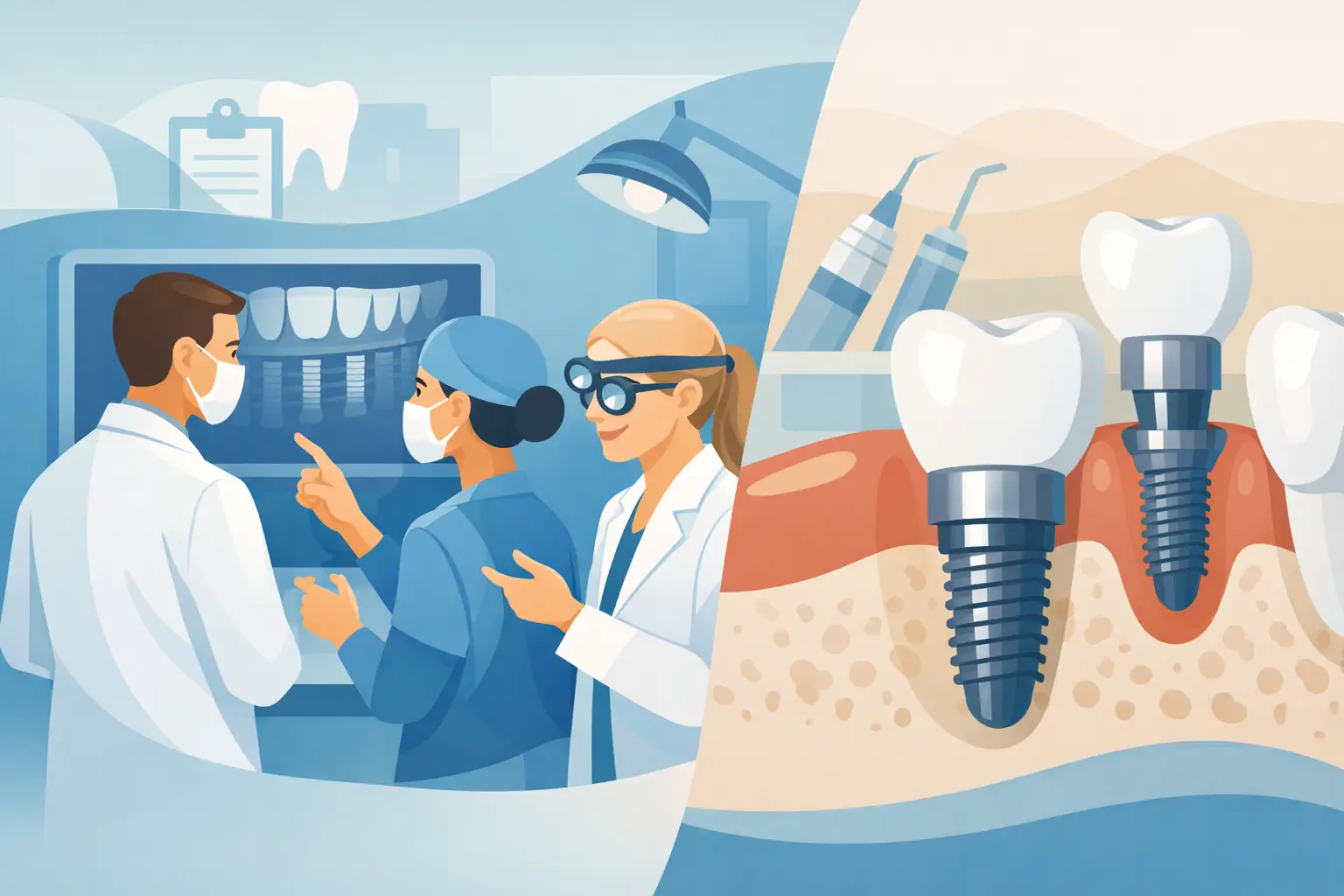
This does not automatically mean implants are off the table. It does mean treatment should begin with careful diagnostics rather than a quick promise. A three-dimensional scan can show the amount and quality of bone available, the location of the sinus in the upper jaw, and the position of nerves in the lower jaw. Those details help determine whether implants can be placed directly, whether bone needs to be rebuilt first, or whether a different implant approach would be more appropriate.
For patients with significant tooth loss, the goal is not simply to place implant posts. It is to create a bite that feels comfortable, supports facial structure, and is designed for daily function over the long term.
Options for dental implants for severe bone loss
There is no single solution for every jaw. A thoughtful plan may use one treatment or combine several approaches. Your dental team should explain why a particular recommendation fits your anatomy and what alternatives may look like.
Bone grafting builds a stronger foundation
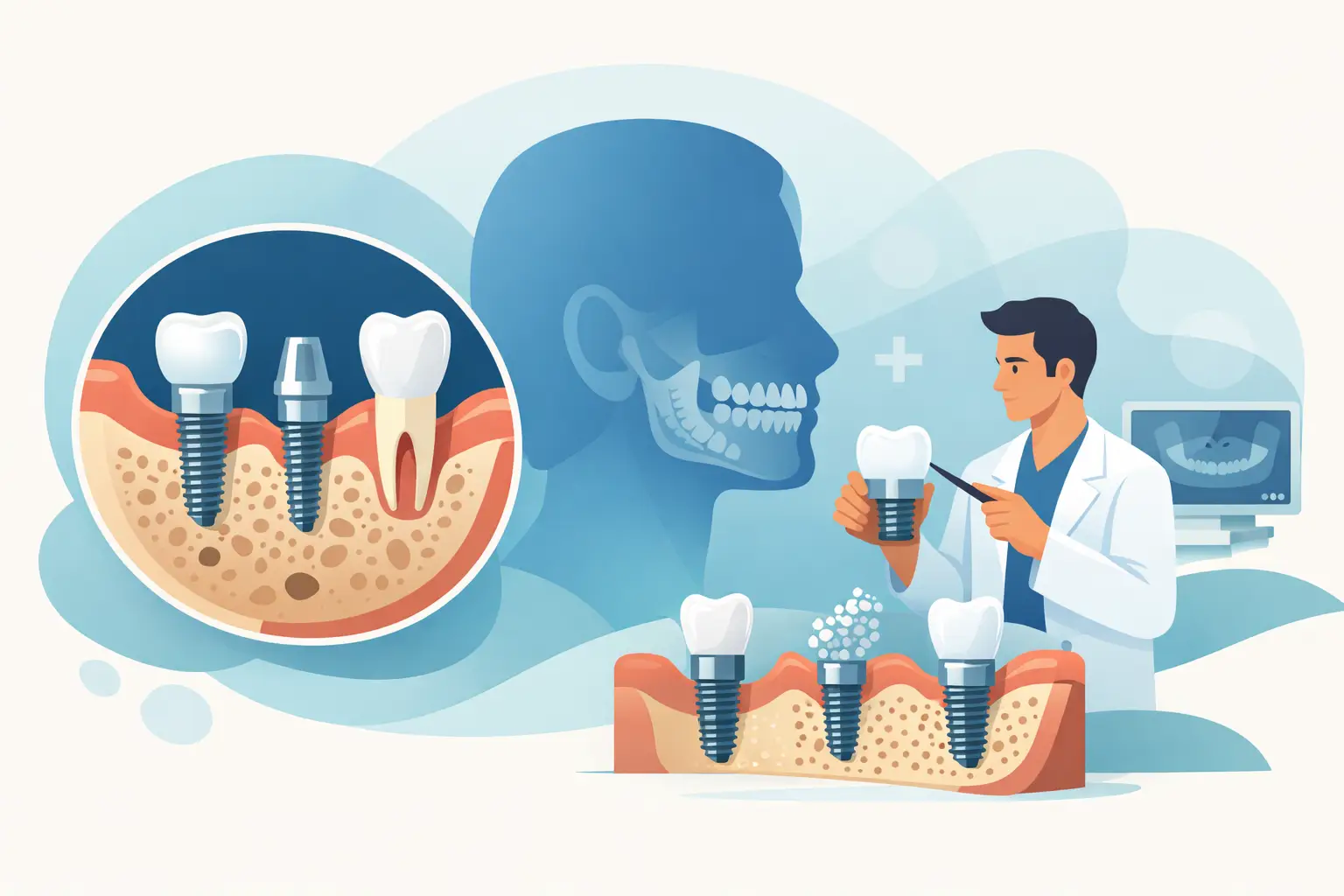
Bone grafting adds bone-rebuilding material to areas that have become too thin or too low for a conventional implant. Depending on the site and extent of loss, grafting may be completed at the same time as implant placement or as a separate procedure that heals first.
Grafts are often a very effective option, but they require patience. Healing can take several months before the site is ready for an implant. For someone replacing one or two teeth, that extra time may be worthwhile to create the most predictable foundation. For a person seeking a full-arch restoration, other approaches may sometimes reduce the need for extensive grafting.
Sinus lifts can create room in the upper jaw
The back of the upper jaw sits beneath the maxillary sinus. When upper molars have been missing for a long time, bone in this area may be too shallow for an implant. A sinus lift gently raises the sinus membrane and places grafting material beneath it, creating more vertical bone for future implant support.
Not everyone with upper-jaw bone loss needs a sinus lift. Implant angle, available bone farther forward in the mouth, and the type of restoration planned all affect the decision. Clear imaging is essential because the sinus anatomy varies from person to person.
Angled or specialized implants may avoid grafting in select cases
For full-mouth cases, implants can sometimes be placed at carefully planned angles to use stronger existing bone. This can provide support for a fixed full-arch bridge while avoiding areas where bone is limited. It may also allow a temporary set of teeth to be attached sooner when conditions are favorable.
In the most advanced upper-jaw cases, longer specialized implants may engage the cheekbone rather than the jawbone. These are often called zygomatic implants. They can be a valuable option for people with severe upper-jaw bone loss who want fixed teeth and may not be ideal candidates for extensive grafting. Because treatment is highly technique-sensitive, it requires experienced surgical and restorative planning.
Specialized implants are not automatically better than grafting. They can shorten treatment in certain cases, but they involve different surgical considerations and are best chosen only after a detailed evaluation.
What a coordinated implant evaluation should include
Severe bone loss deserves more than a brief exam and a one-size-fits-all quote. A comprehensive consultation should review your medical history, current medications, gum health, bite, remaining teeth, and expectations for appearance and function. It should also include imaging that allows the team to plan implant placement virtually before treatment begins.
The cause of bone loss matters. Active periodontal disease needs to be controlled before implants are placed. If teeth remain but are loose, infected, or no longer restorable, the team must determine whether saving them supports your long-term health or complicates a more durable plan. If you wear dentures , your dentist should evaluate how they fit, where they rub, and how much support they currently provide.
At Seattle Oral Care, complex cases can be planned with a prosthodontist, oral surgeon, periodontist, and general dentist working as a coordinated team. This matters because implant surgery, gum health, bite design, and the final teeth are closely connected. A beautiful restoration is only successful when the foundation and function support it.
The treatment timeline is personal
Some patients can receive implants and a temporary restoration on the same day. Others need extractions, gum treatment, bone grafting, or a healing period before implant placement. Neither timeline is inherently better. The safest, most predictable choice is the one that respects your biology and gives the final restoration the support it needs.
After implants are placed, the bone gradually heals around them in a process called osseointegration. During this phase, you may wear a temporary tooth or temporary bridge, depending on your treatment plan. Once healing is complete, the final crown, bridge, or full-arch prosthesis is designed to fit your smile, speech, bite, and facial features.
If dental treatment makes you nervous, say so early. Anxiety is common, especially for people who have delayed care because of difficult past experiences. Your team can discuss comfort measures, explain each step in plain language, and make sure you know what to expect before treatment begins.
What affects long-term success
Implants are designed to be durable, but they are not maintenance-free. Daily brushing, cleaning around implants as instructed, and regular professional visits protect the gums and bone that support your new teeth. For full-arch restorations, the space beneath the bridge also needs dedicated cleaning.
Smoking or vaping, uncontrolled diabetes, untreated gum disease, and heavy teeth grinding can increase the risk of complications. These factors do not always prevent implant treatment, but they may change the timing, design, or maintenance plan. A night guard may be recommended for patients who clench or grind to help protect the final restoration.
It is also wise to ask what happens after treatment. You should understand the expected maintenance schedule, the materials proposed for your final teeth, and who will coordinate your care if an adjustment is needed. Long-term support is part of responsible implant dentistry.
A second opinion can be worthwhile
Being told you have too much bone loss for implants can feel discouraging, but it may simply mean traditional implants in the originally planned positions are not the right option. A second opinion from a team experienced in complex restorative and surgical care can clarify whether grafting, angled implants, specialized implants, or an implant-supported denture could work for you.
Bring prior X-rays or treatment recommendations if you have them, but expect new imaging and a fresh evaluation. The best plan is not the fastest or the most elaborate. It is the one that gives you a stable, healthy, maintainable result that fits your life.
If you are living with loose dentures, failing teeth, or the frustration of being told you are not a candidate, a thorough implant consultation can replace uncertainty with clear next steps. You deserve to understand your options and to make the decision at a pace that feels right for you.