A dental implant should feel like a dependable part of your smile, not a source of ongoing worry. While implant treatment has a strong long-term success record, understanding dental implant failure causes can help you recognize warning signs early and make choices that protect your investment in your health.
Implant failure does not always mean an implant suddenly falls out. Sometimes it means the implant never fully bonds with the jawbone during healing. In other cases, an implant that has served well for years develops inflammation, bone loss, or damage from excessive pressure. The reason matters because the right next step depends on what is happening beneath the gumline.
What does dental implant failure mean?
A dental implant is a small titanium post placed in the jawbone to support a crown, bridge, or denture. During the months after placement, the bone is meant to grow closely around the implant in a process called osseointegration. This secure connection allows the implant to handle normal chewing forces.
Early failure occurs when that bond does not develop properly, usually during the healing period. Late failure happens after initial healing, often because of infection, bone loss, overload, or a problem with the restoration attached to the implant.
Not every concern is implant failure. A loose crown, a chipped porcelain tooth, or mild gum irritation may be repairable without removing the implant itself. A careful examination and imaging can distinguish a repairable complication from a deeper issue involving the implant or surrounding bone.
The most common dental implant failure causes
Infection around the implant
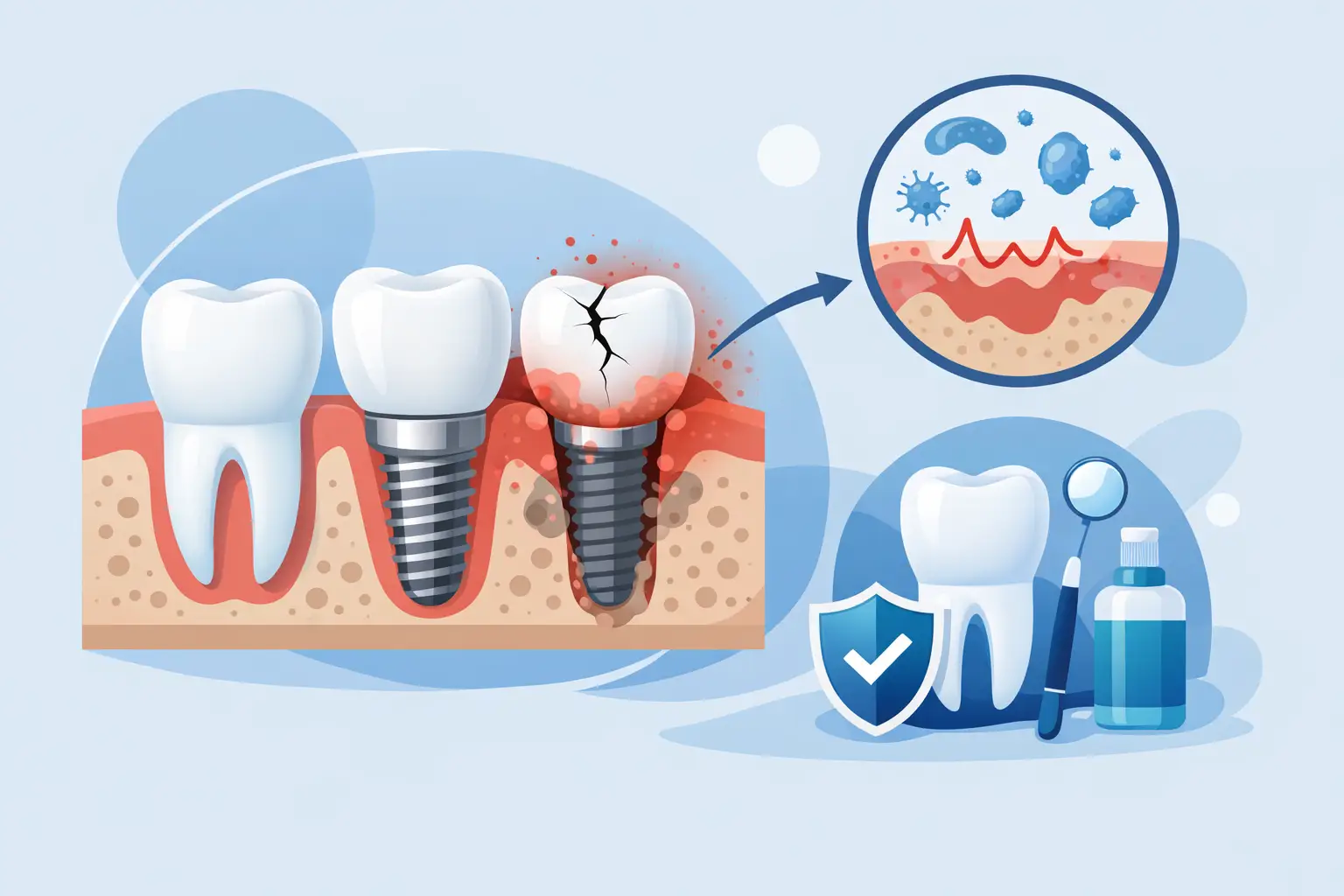
Bacteria can collect around an implant just as they can around natural teeth. Early gum inflammation around an implant is often called peri-implant mucositis. It may cause tenderness, redness, bleeding, or swelling, but it can often be managed before bone is affected.
When inflammation progresses and begins destroying the bone that supports the implant, it is called peri-implantitis. This is one of the leading reasons an implant can become unstable over time. Plaque buildup, inconsistent cleanings, difficulty reaching areas beneath a bridge or denture, and a history of gum disease can all raise the risk.
Implants cannot get cavities, but the gums and bone around them still need daily attention. Brushing, cleaning between teeth or around implant restorations as directed, and professional maintenance appointments are part of protecting the foundation of the implant.
Inadequate bone or poor healing conditions
An implant needs enough healthy bone for stable placement. If bone volume is limited because of long-standing tooth loss , previous infection, trauma, or advanced gum disease, an implant may not have the support it needs without preparatory treatment such as bone grafting.
Healing is also personal. Conditions that affect blood flow, immunity, or bone metabolism can influence the healing process. Poorly controlled diabetes is one example. Certain medications and past radiation treatment to the jaws may also require additional planning. These factors do not automatically rule out implants, but they call for an individualized approach and close communication with your medical providers.
Smoking and tobacco use
Smoking and other tobacco use can interfere with blood flow and tissue healing. It also increases the likelihood of infection and bone loss around implants. Nicotine exposure can make a successful outcome less predictable, particularly during the surgical healing period.
For patients who use tobacco, an honest conversation before treatment is more useful than judgment. Your dental team can explain how your specific use may affect the plan and what changes could improve the chances of long-term stability.
Too much force from biting or grinding
Implants are strong, but they do not have the same shock-absorbing ligament that surrounds a natural tooth. When an implant crown or bridge receives more force than it was designed to handle, the restoration may loosen or fracture, screws may break, and the supporting bone can be stressed over time.
Nighttime clenching and grinding, known as bruxism, can be especially hard on implants. An uneven bite can create a similar problem. A custom nightguard may be recommended for people who grind their teeth, while regular bite checks help ensure forces are distributed as evenly as possible.
Treatment planning or placement challenges
Implant care is not one-size-fits-all. The available bone, gum thickness, bite, smile line, neighboring teeth, and the type of restoration all affect where and how an implant should be placed. An implant positioned without enough consideration for these factors can be difficult to clean, may receive too much force, or may not support the final tooth as naturally as intended.
For more complex cases, coordinated planning between a restorative dentist, oral surgeon, and periodontist can be valuable. The surgical placement and the final crown, bridge, or denture need to work together from the beginning, not as separate decisions.
Existing gum disease and oral health habits
A history of periodontitis does not mean you cannot have dental implants. It does mean ongoing maintenance deserves special attention. The same bacterial and inflammatory patterns that damaged natural tooth support can affect the tissues around implants.
Skipping preventive visits, leaving hardened buildup beneath the gums, or avoiding care because of dental anxiety can allow small issues to grow. Gentle, regular care is usually far easier than treating advanced inflammation later.
Symptoms that deserve a prompt call
Some tenderness and swelling are expected shortly after implant surgery, and your surgeon will explain what normal healing should look like. Once healing is underway or completed, contact your dental office if you notice persistent bleeding, swelling, pus, a bad taste, gum recession, pain when biting, or a crown that feels loose.
An implant itself should not feel mobile. If it does, do not wait to see whether it settles down. Early evaluation may preserve the surrounding bone and expand the available treatment options.
Can a failed implant be treated?
Often, yes, but treatment depends on the cause and the amount of healthy bone that remains. Inflammation caught early may respond to professional cleaning, improved home care, and targeted treatment. A loose crown or damaged screw may be repaired or replaced when the implant is stable.
If an implant has lost its integration with the bone or has severe bone loss, it may need to be removed. After healing, bone grafting may be considered before placing a new implant. This can feel discouraging, but a failed implant does not necessarily mean implants are no longer an option. The goal is to understand why the problem occurred and correct the conditions that contributed to it.
How to lower your risk before and after treatment
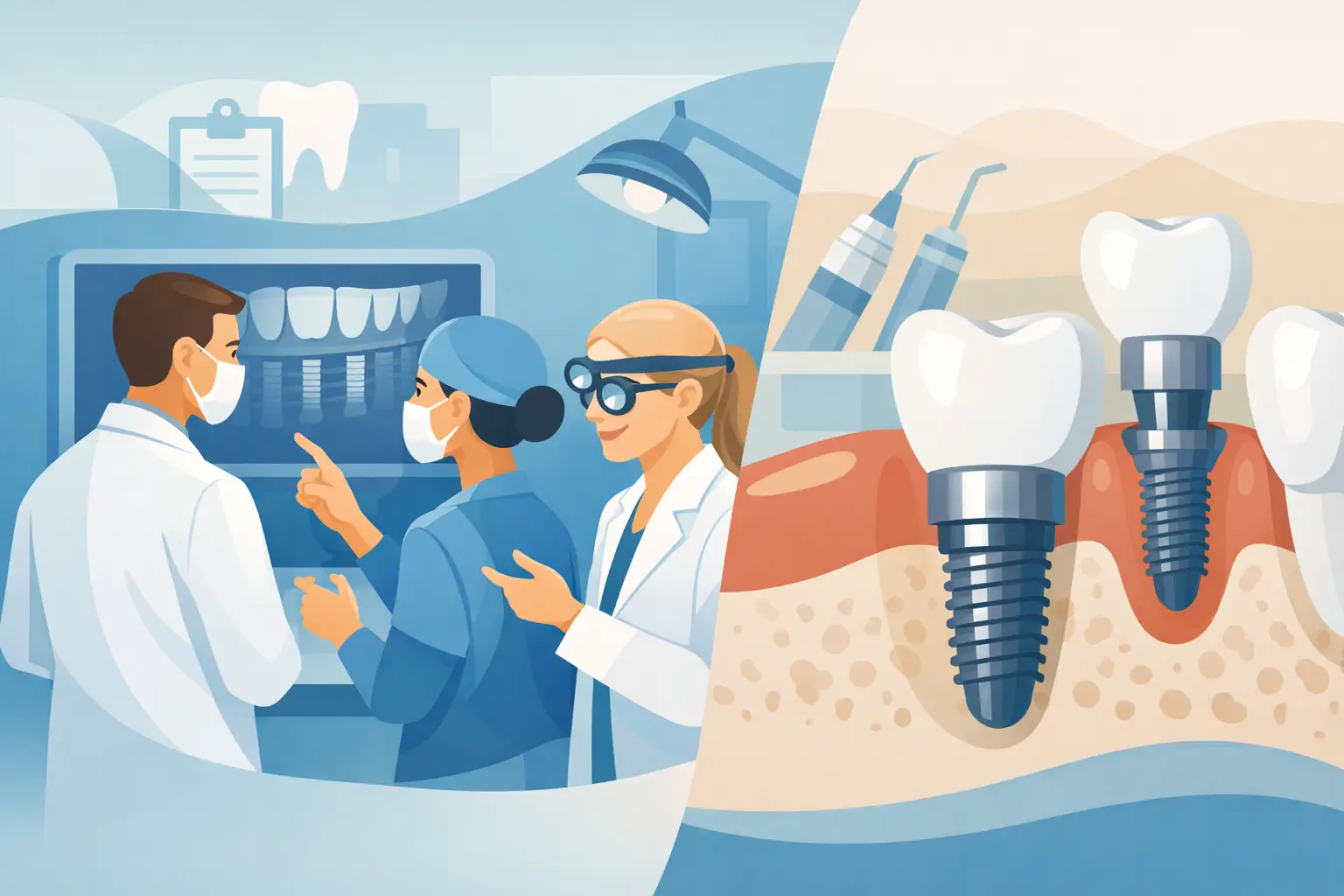
The best prevention starts before surgery. A thorough exam should evaluate your gums, bone, bite, medical history, medications, and goals for your smile. Three-dimensional imaging may be useful when the case calls for a detailed view of the jaw and nearby anatomy.
After placement, follow post-operative instructions closely, attend recommended checkups, and keep cleanings consistent. If you grind your teeth, wear the protective appliance your dentist recommends. If smoking cessation is part of your treatment plan, support from your medical team can make that change more manageable.
At Seattle Oral Care, implant treatment planning brings restorative, surgical, and periodontal perspectives together when needed, so patients can understand both the benefits and the responsibilities of treatment. Clear planning does not remove every risk, but it gives your implant the best possible conditions for lasting success.
If something about your implant does not feel right, trust that signal and arrange an evaluation . A calm conversation and an early exam can turn uncertainty into a clear plan for protecting your smile.