A dental implant should feel stable, comfortable, and much like a natural tooth once healing is complete. That is why failed dental implant symptoms can feel alarming, especially when you have invested time, trust, and resources into restoring your smile. The good news is that discomfort or a change around an implant does not automatically mean the implant has failed. Prompt evaluation can often identify the cause and protect the health of your gums, bone, and restoration.
What Does Implant Failure Mean?
Dental implant failure occurs when an implant does not properly bond with the jawbone during healing or loses its support after functioning successfully for months or years. The implant itself is a small titanium post placed in the jaw. It supports a crown, bridge, or denture, but it depends on healthy bone and gum tissue to remain secure.
Early implant failure generally happens in the first weeks or months after placement, before the implant has fully integrated with the bone. Late failure develops after an implant has been in use for some time. It may be related to gum infection, bone loss, excessive biting force, or damage to the implant restoration.
A loose crown is not always the same as a failed implant. In some cases, the crown or connecting screw needs adjustment while the implant below remains stable. A careful exam and dental imaging are the only reliable ways to tell the difference.
Failed Dental Implant Symptoms That Need Attention
Healing after implant surgery can involve mild swelling, tenderness, or bruising. These symptoms should gradually improve, not become more intense. If something feels different from the expected healing process, it is reasonable to call your dental team.
Pain That Persists or Returns
Some soreness after surgery is normal. Persistent pain, worsening pain, or pain that returns after the area had felt well can signal a problem. This may be caused by infection, inflammation, pressure from the bite, or an issue involving the surrounding tissues.
Pain does not always mean failure, and some failing implants cause little discomfort at first. Still, ongoing pain deserves an examination rather than waiting to see if it resolves on its own.
An Implant, Crown, or Denture That Feels Loose
A dental implant should not move. If the implant post itself shifts, feels mobile when you chew, or seems to move within the gum, contact your dentist promptly. This can indicate that the implant has not integrated with the bone or has lost support.
Sometimes patients notice movement in the visible tooth rather than the implant. A loose implant crown, bridge, or denture may result from a worn or loosened connecting screw. That can often be repaired, but leaving it untreated can place added stress on the implant.
Swollen, Bleeding, or Receding Gums
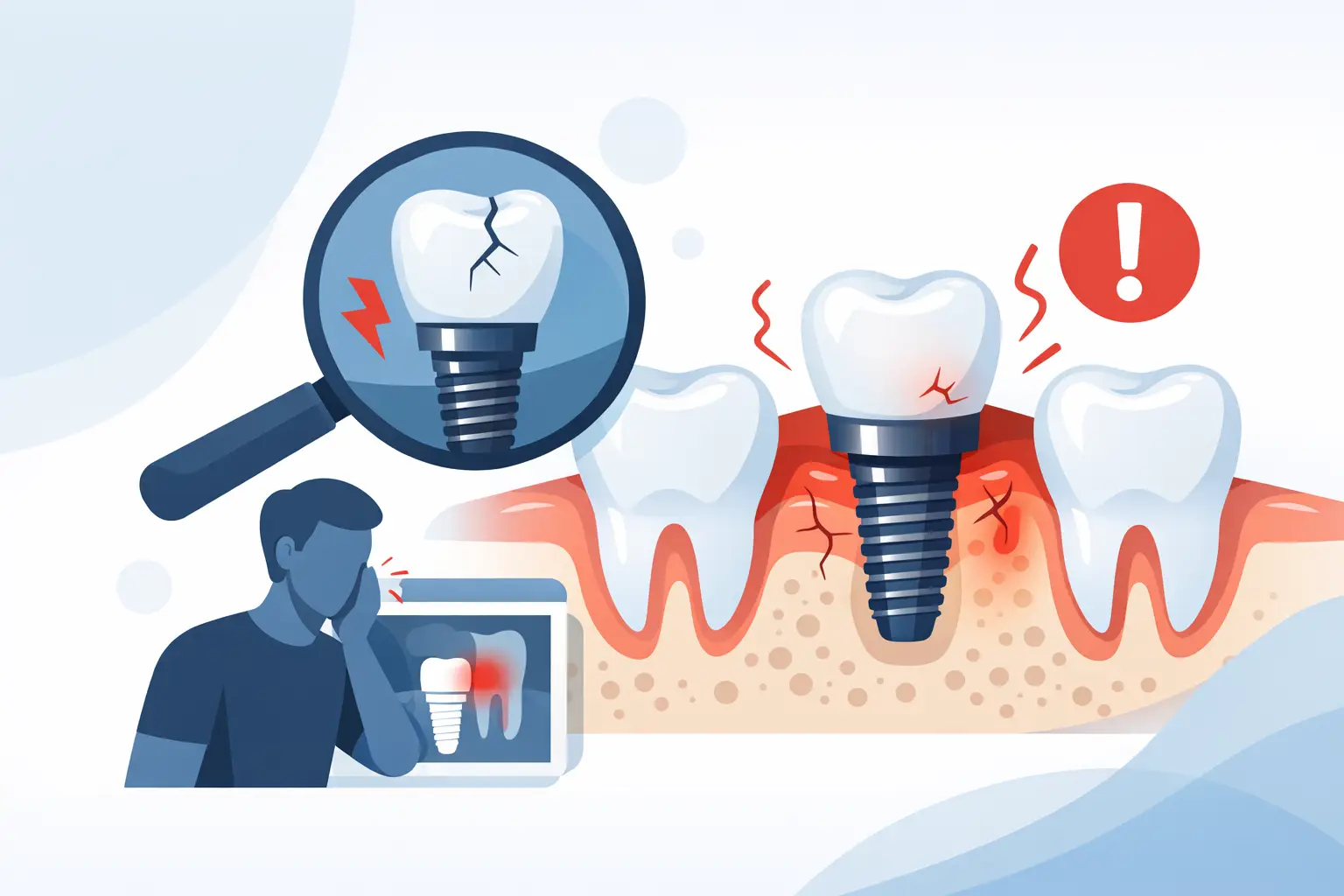
Redness, tenderness, bleeding during brushing, pus, or swelling around an implant may point to inflammation or infection. Early gum inflammation around an implant is often called peri-implant mucositis. When infection progresses and begins affecting the bone that supports the implant, it is known as peri-implantitis.
Gum recession is another sign to take seriously. If more of the implant or metal component becomes visible, the gums and bone may be changing. Recession can also affect the appearance of the smile, particularly around front teeth.
Changes in Your Bite or Chewing Ability
An implant restoration should allow you to bite and chew comfortably. Pain when biting, a bite that suddenly feels uneven, or avoiding one side of your mouth can indicate that the crown, bridge, or denture needs adjustment. Excessive force from clenching or grinding can strain an implant and the bone around it over time.
A cracked crown or fractured restoration may also create sharp edges, sensitivity in nearby teeth, or a feeling that your bite has changed. These concerns are usually repairable, but they should be addressed before more extensive damage occurs.
Bad Taste, Drainage, or Ongoing Bad Breath
A persistent unpleasant taste, drainage near the implant, or bad breath that does not improve with brushing and flossing may be a sign of infection. These symptoms can occur with gum disease around implants, food trapping beneath a bridge, or an issue with a neighboring tooth. Because infections can affect supporting bone, an exam should not be delayed.
When to Call Right Away
Call your dental office as soon as possible if you have severe or increasing swelling, fever, pus, uncontrolled bleeding, numbness that does not improve as expected, or difficulty swallowing or breathing. These are not symptoms to manage at home.
For a loose implant, a broken restoration, or new pain that affects eating, arrange a prompt appointment . Avoid chewing on that area until you have been evaluated. Trying to tighten, glue, or adjust an implant crown yourself can damage the restoration and make a simple repair more complicated.
Why Dental Implants Can Fail
Dental implants have a strong long-term success rate, but no treatment is entirely risk-free. Failure often reflects several factors rather than one mistake. Bone quality and quantity matter because the implant needs a stable foundation. In some situations, bone grafting or additional healing time may be recommended before implant placement.
Gum health is equally important. Bacteria can collect around an implant just as they can around natural teeth. Without consistent home care and professional maintenance, inflammation may progress quietly before a patient notices visible symptoms.
Tobacco use can interfere with healing and increase the risk of gum and bone complications. Medical conditions that affect healing, including poorly controlled diabetes, may also influence implant outcomes. Clenching and grinding can create repeated pressure that damages the crown, screw, or supporting bone, particularly if a protective night guard is not used when recommended.
The design of the final restoration also matters. An implant-supported bridge or denture must be planned to distribute bite forces appropriately and allow for thorough cleaning. This is one reason coordinated care between a restorative dentist, surgeon, and periodontal provider can be valuable in complex cases.
How Your Dental Team Finds the Cause
An implant evaluation begins with listening. Your dentist will ask when the change began, whether symptoms are getting worse, and whether you have noticed pain while chewing, bleeding, or mobility. The implant, crown, gums, bite, and neighboring teeth are then examined carefully.
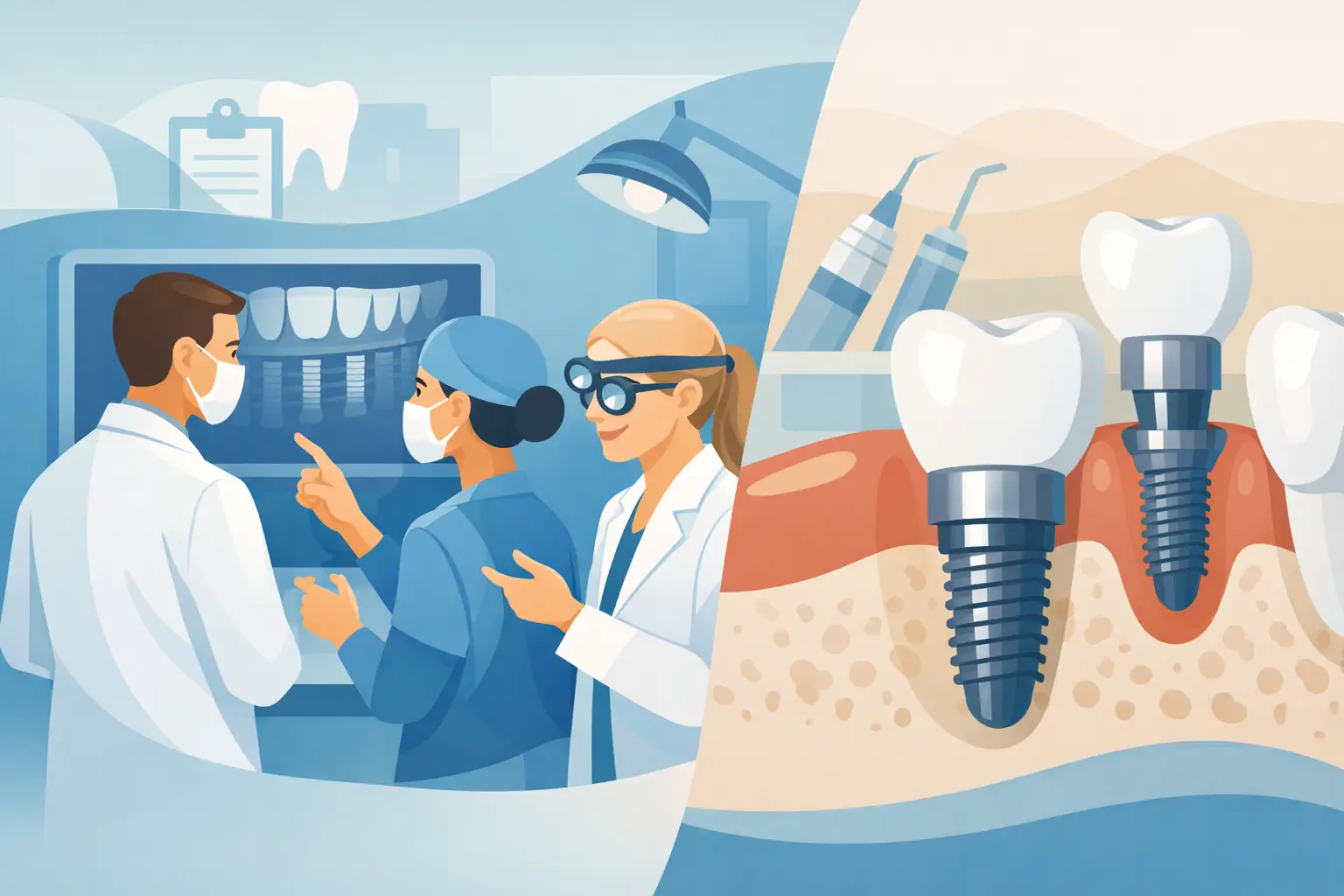
Dental X-rays or 3D imaging may be used to assess the bone around the implant and check the position of the implant components. Your care team will also determine whether the concern involves the implant itself, the restoration attached to it, gum inflammation, or another tooth nearby.
This distinction matters because treatment is not one-size-fits-all. A loose crown screw may need a straightforward repair. Early gum inflammation may improve with professional cleaning and more targeted home care. If there is bone loss or infection, treatment may involve cleaning below the gums, medication when appropriate, bite adjustment, or surgical care. In cases where an implant cannot be saved, it may be removed and the site allowed to heal before considering a replacement.
Protecting an Implant for the Long Term
The best protection is ongoing maintenance. Brush thoroughly twice each day and clean around the implant using the tools recommended for your restoration. Depending on whether you have a single crown, bridge, or implant-supported denture, this may include floss threaders, interdental brushes, or a water flosser. The goal is to remove plaque where the gum meets the restoration.
Keep regular preventive visits even when your implant feels fine. Professional exams can identify bleeding, bite changes, and early bone changes before they become painful. If you clench or grind, wearing a custom night guard can reduce stress on your implant and natural teeth.
At Seattle Oral Care, implant care is planned with both function and long-term maintenance in mind. If you notice a change around an implant, you deserve a clear explanation and a calm, thorough assessment. Acting early gives your dental team the best opportunity to protect the work you have already done and help you return to comfortable, confident eating and smiling.