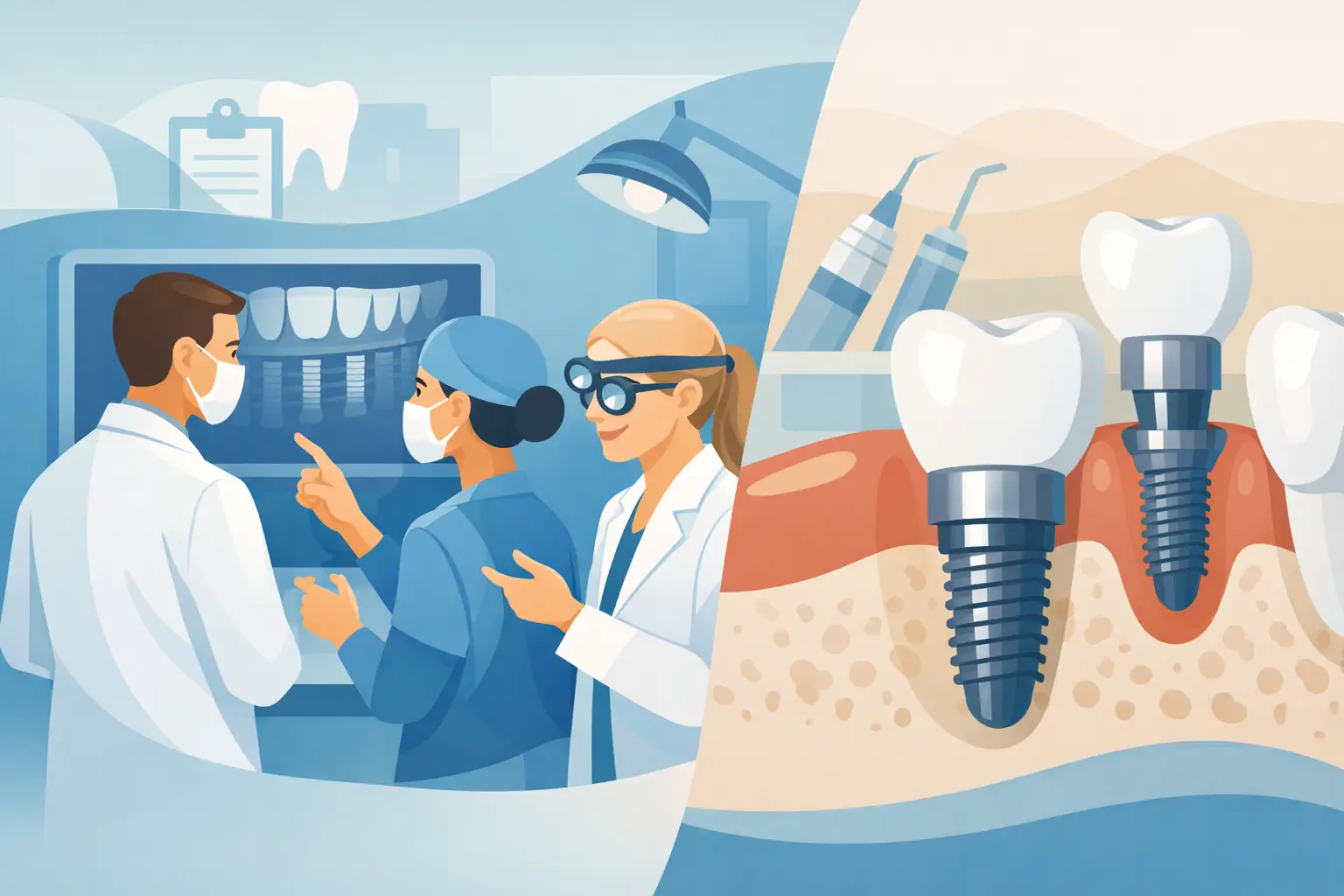
A dental implant should feel comfortable, stable, and much like a natural tooth once healing is complete. If you notice bleeding, swelling, an unpleasant taste, or tenderness around an implant, do not ignore it. Dental implant infection can often be managed successfully when it is identified early, before inflammation affects the bone supporting the implant.
For patients who have invested in a single implant, an implant bridge , or a full-mouth restoration, changes around the implant can be unsettling. The good news is that these concerns are not automatically a sign of implant loss. A careful exam can identify what is happening and help determine the most conservative, effective next step.
What Is a Dental Implant Infection?
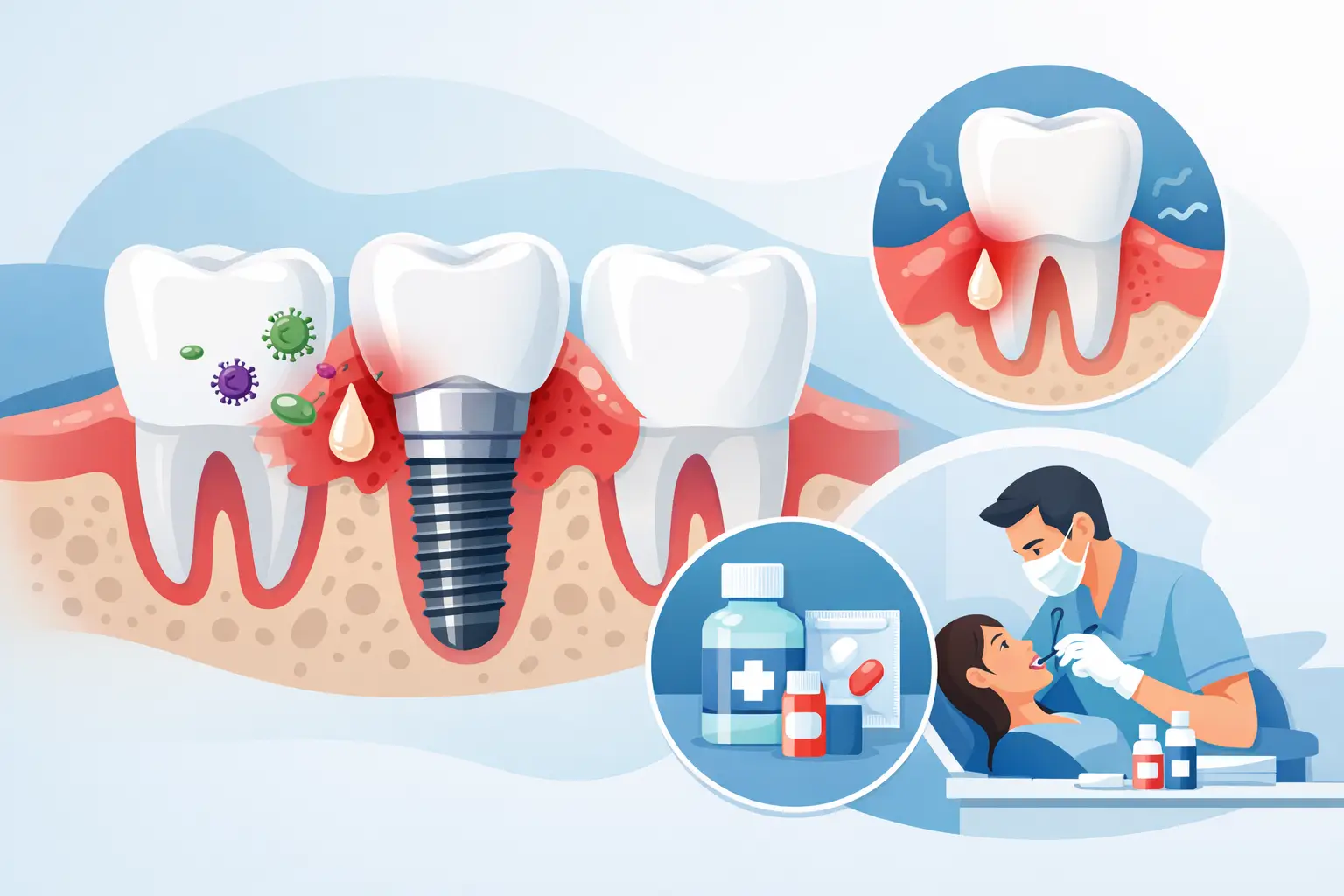
An implant does not get a cavity, but the gum tissue and bone around it can become inflamed or infected. Bacteria from plaque can collect at the gumline, particularly where an implant crown meets the tissue. If that bacterial buildup is not removed consistently, it can trigger an inflammatory response in the gums and, in some cases, the supporting bone.
This process is commonly called peri-implant disease. It may develop soon after placement, years later, or around an implant that has otherwise functioned well for a long time. Smoking or vaping, uncontrolled diabetes, a history of gum disease, clenching, limited home care, and missed maintenance visits can all raise the risk. An implant crown that is difficult to clean or has excess cement beneath the gums may also contribute.
An infection is not always caused by something a patient did wrong. Implant health depends on healing, bite forces, restoration design, bone quality, medical health, and daily cleaning habits. That is why an examination matters more than guessing based on symptoms alone.
Peri-Implantitis vs Peri-Implant Mucositis
The difference between peri-implantitis vs peri-implant mucositis is whether bone loss is present.
Peri-implant mucositis is inflammation limited to the soft tissue around the implant. It may cause redness, swelling, tenderness, or bleeding during brushing and flossing. There is no progressive loss of the bone holding the implant in place. With professional cleaning and improved plaque control at home, mucositis is often reversible.
Peri-implantitis is more advanced. In addition to inflamed gums, the infection has affected the supporting bone around the implant. Bone loss can make the implant less secure over time and requires prompt, individualized care. Peri-implantitis does not always cause pain, which is one reason routine implant maintenance visits and X-rays are so valuable.
Peri-Implantitis Symptoms and Infected Dental Implant Signs
Bleeding around an implant is one of the most common early warning signs. Healthy tissue can occasionally feel mildly irritated after aggressive brushing, but repeated bleeding, especially during gentle brushing or use of an interdental brush, deserves attention.
Other peri-implantitis symptoms and infected dental implant signs include persistent redness or puffiness around the implant, soreness when chewing, a bad taste, pus, or drainage from the gumline. Some patients notice that the gum around the implant looks lower than it did before, exposing more of the restoration or implant component.
A loose crown does not always mean the implant itself is loose. Sometimes the small screw that secures the crown has loosened, which is usually repairable. Still, a crown that moves, clicks, feels high when biting, or suddenly changes how your teeth come together should be evaluated promptly. True movement of the implant in the bone is more concerning and can be an implant failure sign.
Pain, swelling of the face, fever, or difficulty swallowing are not symptoms to wait out. Call a dental office promptly for guidance. If swelling is rapidly increasing or affects breathing or swallowing, seek emergency medical care.
Dental Implant Infection After Surgery: What Is Normal?
Some tenderness, mild swelling, and light bleeding are expected after implant surgery. Swelling often reaches its peak within the first two to three days and then gradually improves. Your surgical team should provide specific aftercare instructions based on the procedure performed.
A dental implant infection after surgery is more likely when pain or swelling gets worse after initially improving, rather than steadily settling down. Persistent bleeding, foul-smelling drainage, fever, or a bad taste that continues can also signal a problem. Early contact allows the care team to assess the surgical site, clean the area if needed, and adjust care before the issue becomes more serious.
Do not place aspirin directly on the gums, pick at the surgical site, or use leftover antibiotics. Aspirin can burn oral tissue, and antibiotics chosen without an exam may not address the cause of the infection. Follow the medication and cleaning instructions you were given, including any prescribed antimicrobial rinse.
How to Treat Implant Infection
How to treat implant infection depends on its cause and severity. The first step is a thorough evaluation, which may include measuring the gums around the implant, checking the bite, taking X-rays, examining the crown or bridge, and reviewing your health history. The goal is to find out whether the issue is soft-tissue inflammation, bone loss, a loose restoration, excess cement, bite overload, or another concern.
For early mucositis, implant infection treatment may include professional removal of plaque and hardened deposits, home-care coaching, and short-term antimicrobial therapy when appropriate. Cleaning around implants requires the right instruments and techniques so the implant surface is protected while bacteria are removed.
When peri-implantitis is present, treatment can be more involved. Nonsurgical cleaning may help control inflammation in some cases, but deeper bone defects may require periodontal treatment or surgical access to thoroughly clean the implant surface and address the shape of the bone. Bone grafting may be considered in selected cases. The right approach depends on the location and extent of bone loss, the implant design, the bite, and the overall prognosis.
Antibiotics can sometimes be part of treatment, but they are rarely a complete solution on their own. If bacterial deposits, cement, or an ill-fitting restoration remain in place, symptoms may return after the medication ends. Lasting treatment addresses the underlying source of inflammation.
At Seattle Oral Care, implant concerns can be evaluated with coordinated input from prosthodontic, periodontal, surgical, and general dentistry providers when needed. That team approach is especially helpful when the health of the implant, surrounding gums, bite, and restoration all need to be considered together.
When an Implant May Be Failing
Implant failure signs can include ongoing bone loss, persistent infection that does not respond to appropriate care, fracture of an implant component, or actual mobility of the implant. Early implant failure, which occurs before the implant fully integrates with bone, has different causes than late failure years after restoration. Healing challenges, infection, heavy bite forces, and insufficient bone support are among the possible factors.
Even when an implant cannot be saved, treatment does not end there. After the area heals and the reason for failure is understood, it may be possible to place another implant, rebuild bone, or choose a different restorative option . A clear diagnosis helps protect both your oral health and any future treatment investment.
Protecting Your Implant for the Long Term
Dental implants need ongoing care just like natural teeth. Brush twice daily with a soft toothbrush, clean between teeth and around implant restorations every day, and attend the maintenance schedule recommended for you. Depending on your restoration, a floss threader, implant-safe interdental brush, water flosser, or another tool may make cleaning more effective.
If you clench or grind your teeth, wearing a custom nightguard may reduce damaging forces on implants and restorations. Tobacco cessation and management of conditions such as diabetes can also support healthier gum and bone tissue.
The most helpful rule is simple: do not wait for severe pain. Bleeding, swelling, drainage, a changing bite, or a loose-feeling implant deserves a timely exam. Early care can often turn a worrying symptom into a manageable problem and help keep your smile functioning comfortably for years to come.