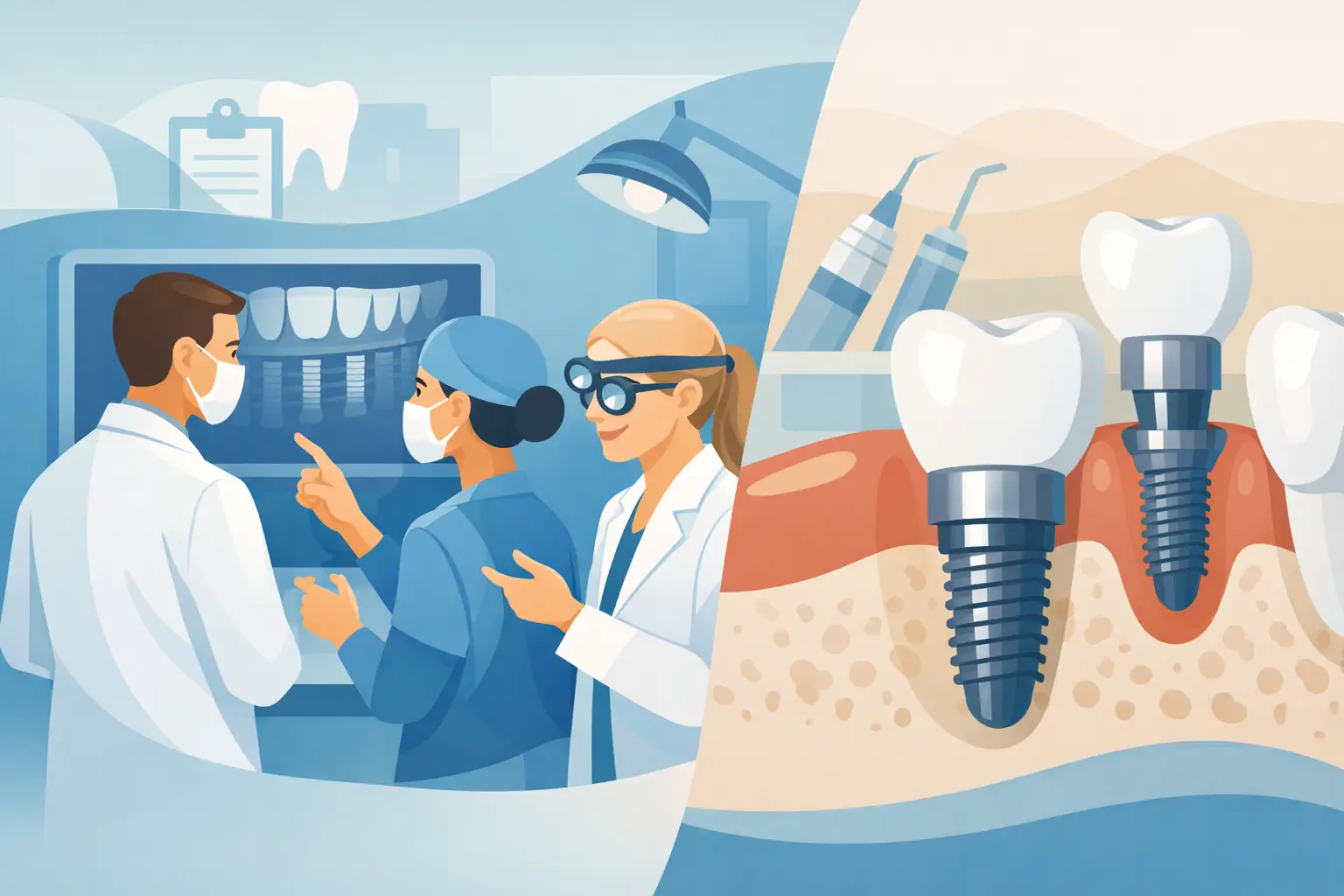

A missing tooth can affect more than a photo or a favorite meal. It can change how you speak in meetings, make you avoid chewing on one side, and leave you wondering whether treatment will disrupt an already full schedule. For people living in Kirkland, WA comparing dental implants, the right plan should address both the health of your smile and the reality of your daily life.
Dental implants are designed to replace the tooth root as well as the visible tooth. That distinction matters. A well-planned implant can help preserve the jawbone, support stable chewing, and avoid placing added stress on neighboring teeth. But implant care is not one-size-fits-all. Your timeline, bone health, bite, medical history, and goals all shape the right path forward.
Why a Missing Tooth Deserves Attention
When a tooth is lost, the surrounding bone no longer receives the stimulation it once got from chewing. Over time, the area can lose volume. Nearby teeth may tip toward the space, the opposing tooth may shift, and your bite can gradually change. These changes are not always obvious right away, which is why it is easy to put off a replacement.
An implant-supported crown can fill a single missing-tooth space without relying on the teeth beside it. For several missing teeth, an implant-supported bridge may provide a fixed alternative to a removable appliance. For people with loose dentures or extensive tooth loss, a full-mouth implant solution may improve stability, chewing ability, and confidence.
The best option depends on what remains healthy and restorable. Sometimes preserving a natural tooth is the better long-term choice. A thoughtful evaluation should explain that honestly rather than treating an implant as the answer to every dental problem.
What an Implant Consultation in Kirkland Should Include
An implant consultation for Kirkland patients can trust is more than a quick look at the gap. It is a planning appointment. Your care team should take time to understand what happened to the tooth, what concerns you most, and what outcome would make treatment worthwhile for you.
A complete consultation typically includes an exam, digital imaging, a review of your gum and bone health, and an evaluation of your bite. If you have existing crowns, bridges, dentures, or signs of clenching, those details matter. Implants need to work with the rest of your mouth, not simply occupy an empty space.
This is also the time to discuss your health history. Conditions such as uncontrolled diabetes, active gum disease, certain medications, and tobacco use can affect healing. They do not automatically rule out implants, but they may change the preparation, timing, or maintenance your treatment requires.
At Seattle Oral Care, implant planning can bring together a prosthodontist, oral surgeon, periodontist, and general dentist when needed. That coordinated approach is especially valuable when a case involves bone loss, gum concerns, multiple missing teeth, or a complex bite. You should leave the appointment knowing what is recommended, why it is recommended, what alternatives exist, and what the anticipated sequence looks like.
Dental Implants Near Kirkland: The Treatment Timeline
People looking for dental implants near Kirkland often want one clear answer: how long will this take? The honest answer is that it depends.
In a straightforward case, a damaged tooth may be removed, an implant placed, and a temporary tooth provided during healing. In other cases, the extraction site needs time to heal first. If the bone has thinned, grafting may be recommended to create a stronger foundation before or during implant placement. After placement, the implant needs time to bond with the bone, a process called osseointegration. Only then is the final crown, bridge, or denture completed.
That healing period is not wasted time. It is what helps create the stable foundation that makes implants a durable option. Rushing the final restoration before the implant is ready can compromise the result.
Your dentist should explain whether you are a candidate for immediate placement or immediate temporization. Those approaches can be helpful in select situations, particularly for visible front teeth, but they are not right for every patient. Bone quality, infection, bite forces, and the ability to protect the temporary restoration all play a role.
Can Implants Mean Minimal Time Off Work?
For many working adults, minimal time off work implants are a practical priority. In many cases, patients return to desk work within a day or two after a single implant procedure. Some choose a Friday appointment so they can recover over the weekend. Mild swelling, tenderness, and temporary dietary changes are common, but discomfort can often be managed with the care instructions and medications recommended by your clinician.
The experience can be different after multiple implants, extractions, bone grafting, or full-mouth treatment. Physically demanding jobs may require more recovery time than office-based work. If you clench your teeth, play contact sports, travel frequently, or have a public-facing role, your temporary restoration and recovery plan may need extra consideration.
The goal is not to promise an unrealistically fast process. It is to coordinate care carefully, provide clear expectations, and reduce avoidable appointments or delays. Ask during your consultation how many visits are likely, which appointments involve recovery time, and whether your temporary tooth will affect speaking or eating.
Choosing an Implant Dentist in Kirkland
Searching for an implant dentist for residents of Kirkland feel comfortable with should involve more than comparing before-and-after photos. Implant dentistry combines diagnosis, surgery, restorative design, gum health, and long-term maintenance. The final tooth needs to look natural, but it also needs to fit your bite and be cleanable at home.
Experience matters, particularly for complex restorative needs. So does communication. A good implant team will not make you feel rushed for asking about anesthesia, discomfort, cost, or the risk of complications. They will explain what could change the plan, such as the need for grafting or treatment for gum disease, before you are already in the chair.
It is also reasonable to ask who will perform each phase of care. A practice that coordinates surgical and restorative expertise can make a complicated process easier to understand while keeping the plan focused on one long-term result.
Care for Juanita, Rose Hill, Totem Lake, and Downtown Kirkland Patients
Whether you are researching dental implants Juanita , dental implants Rose Hill , dental implants Totem Lake , or dental implants downtown Kirkland , convenience matters most when it supports consistent care. Implants require planning visits, the placement procedure, restorative appointments, and regular maintenance afterward. Choosing a team that communicates clearly and can coordinate the right expertise is often more valuable than choosing solely by distance.
For Eastside residents, it can also help to find a practice experienced with both simple and complex cases. A single missing molar, a failing bridge, and a loose lower denture may all involve implants, but they require very different planning. Eastside dental implants should be designed around the condition of your whole mouth, including your gums, remaining teeth, bite, and goals for the years ahead.
The Habits That Protect Your Investment
Implants cannot get cavities, but the gums and bone around them still need care. Plaque can cause inflammation around an implant, and untreated inflammation can threaten its support. Brushing carefully, cleaning around the implant with the tools your dental team recommends, and keeping regular professional hygiene visits are essential.
Nighttime grinding can also place heavy pressure on implant crowns and bridges. If you clench or grind, a custom night guard may help protect both your implant restoration and your natural teeth. Smoking cessation, management of gum disease, and routine exams all contribute to a healthier long-term outcome.
A dental implant is not simply a replacement tooth. It is a carefully planned foundation for eating, speaking, and smiling with greater ease. Start with a consultation that gives you room to ask questions, understand your choices, and move forward at a pace that feels informed and comfortable.