A crown should do more than cover a damaged tooth. It needs to feel comfortable when you bite, blend naturally when you smile, and hold up to everyday meals for years to come. When comparing zirconia versus porcelain crowns , the right answer is rarely about choosing the “best” material overall. It is about choosing the material that best fits your tooth, bite, smile goals, and long-term oral health.
For patients who have had a large filling fail, need a crown after root canal treatment, or are restoring a dental implant, this decision can feel surprisingly high-stakes. A thoughtful conversation with your dentist can make it much clearer.
What Is a Zirconia Crown?
Zirconia is a high-strength ceramic material. It is metal-free, tooth-colored, and widely used for crowns, bridges, and implant restorations. Its reputation comes from its durability: zirconia resists cracking and fracture exceptionally well, which makes it a frequent choice for back teeth and for patients who place heavy force on their teeth.
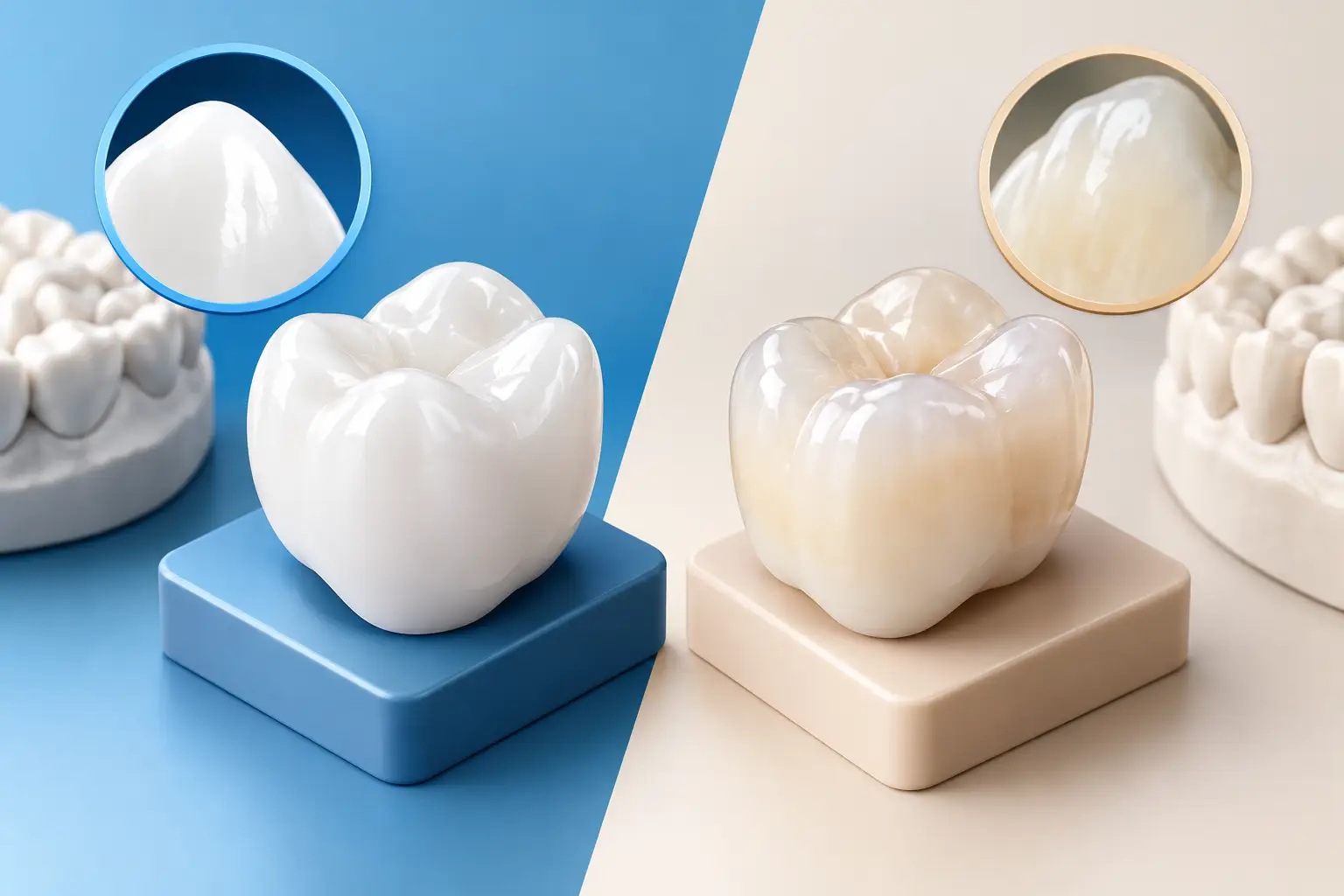
Earlier zirconia crowns were often more opaque than natural enamel. Modern materials have changed that. Newer multilayer and translucent zirconia options can create a more lifelike appearance while preserving much of zirconia’s strength.
A zirconia crown may be made from a single solid piece of ceramic, or it may have a zirconia framework with a more translucent porcelain layer added for cosmetic detail . That distinction matters because a layered restoration can look beautiful but may have different wear and chipping considerations than solid zirconia.
What Is a Porcelain Crown?
“Porcelain crown” is a broad term. In dentistry, it may describe several ceramic materials that are selected for their natural appearance. Traditional porcelain has excellent translucency, meaning it reflects and transmits light in a way that can closely resemble enamel.
Porcelain may be fused to a metal substructure, although all-ceramic options are often preferred when appearance is the priority. Another common all-ceramic material is lithium disilicate, which many patients hear referred to simply as porcelain. It offers a strong, highly aesthetic option for many front teeth and selected back teeth.
The key point is that not all porcelain crowns are the same. The material, thickness, location in the mouth, and the way your teeth come together all affect whether a particular ceramic is appropriate.
Zirconia Versus Porcelain Crowns: The Key Differences
Strength and resistance to fracture
Zirconia generally has the edge when maximum strength is needed. It is especially useful for molars, where chewing forces are greatest, and for patients who clench or grind their teeth. It can also be an excellent option for implant crowns, since implants do not have the same natural shock absorption as teeth.
Porcelain materials can be very durable, but some are more likely to chip or crack under heavy force, particularly when they are used in thin areas or on a patient with significant grinding habits. That does not make porcelain a poor choice. It simply means the material should be matched carefully to the situation.
Natural appearance
For a highly visible front tooth, porcelain often offers the greatest opportunity for fine cosmetic detail. A skilled dentist and dental laboratory can control translucency, shade, texture, and subtle color variations to help a crown blend with neighboring teeth.
Modern translucent zirconia can also look very natural, especially when designed well. Still, if a front tooth has unique color characteristics or the surrounding teeth are especially translucent, a more aesthetic ceramic may be recommended. The goal is not merely a white crown. It is a crown that looks like it belongs in your smile.
Tooth preparation
Every crown requires some reshaping of the tooth so the restoration has enough room for strength and a natural contour. In some cases, zirconia can work well with a more conservative preparation because of its strength at thinner dimensions.
However, tooth preparation is never determined by material alone. The amount of healthy tooth remaining, the position of the tooth, existing fillings, decay, and bite relationship all guide the treatment plan. Your dentist should preserve as much healthy tooth structure as possible while creating a crown that can function reliably.
Wear on opposing teeth
A common concern is whether zirconia will wear down the tooth that bites against it. A properly designed, polished zirconia crown can be kind to opposing enamel. Surface finish is crucial. A rough crown surface can create unnecessary wear, while a smooth, well-polished restoration is much more compatible with natural teeth.
Porcelain can also be gentle on opposing teeth when it is properly finished. If you grind your teeth, though, the bigger issue may be the grinding itself. A custom nightguard may help protect both your crowns and natural teeth from excessive force.
Chipping and repairs
Solid zirconia is highly resistant to chipping. For that reason, it is a practical choice for areas that receive substantial pressure. Layered zirconia and other porcelain restorations may have a higher chance of surface chipping because a more cosmetic ceramic layer is involved.
Small chips can sometimes be polished or repaired with bonding material, depending on their size and location. Larger fractures may require a new crown. The best way to reduce that risk is to choose the appropriate material from the beginning and address habits such as clenching, grinding, or chewing ice.
Which Crown Material Works Best for Front Teeth?
Front teeth are where appearance matters most, but strength still matters. A front crown must withstand biting into food, support speech, and match the teeth beside it under different lighting conditions.
Porcelain or a highly aesthetic ceramic is often an excellent choice for a front tooth because it can imitate enamel’s depth and translucency. Yet zirconia may be recommended when a patient has a strong bite, limited space, or a history of fractured restorations. In some cases, a layered zirconia crown provides a useful balance of strength and cosmetic refinement.
Your dentist may also consider the color of the tooth underneath. A very dark tooth, a metal post, or an implant abutment can affect which material will create the most natural result.
Which Material Is Better for Back Teeth?
Back teeth manage the highest chewing forces, so zirconia is often a dependable choice for premolars and molars. Its strength can be particularly valuable for a tooth that has lost a great deal of structure, has received root canal treatment, or sits in an area where bite pressure is concentrated.
Porcelain can still be appropriate for back teeth when the bite is favorable and enough material thickness is available. The decision should not be based on location alone. A small premolar with a light bite may have different needs than a heavily loaded molar next to a missing tooth.
Crowns on Dental Implants Need Extra Planning
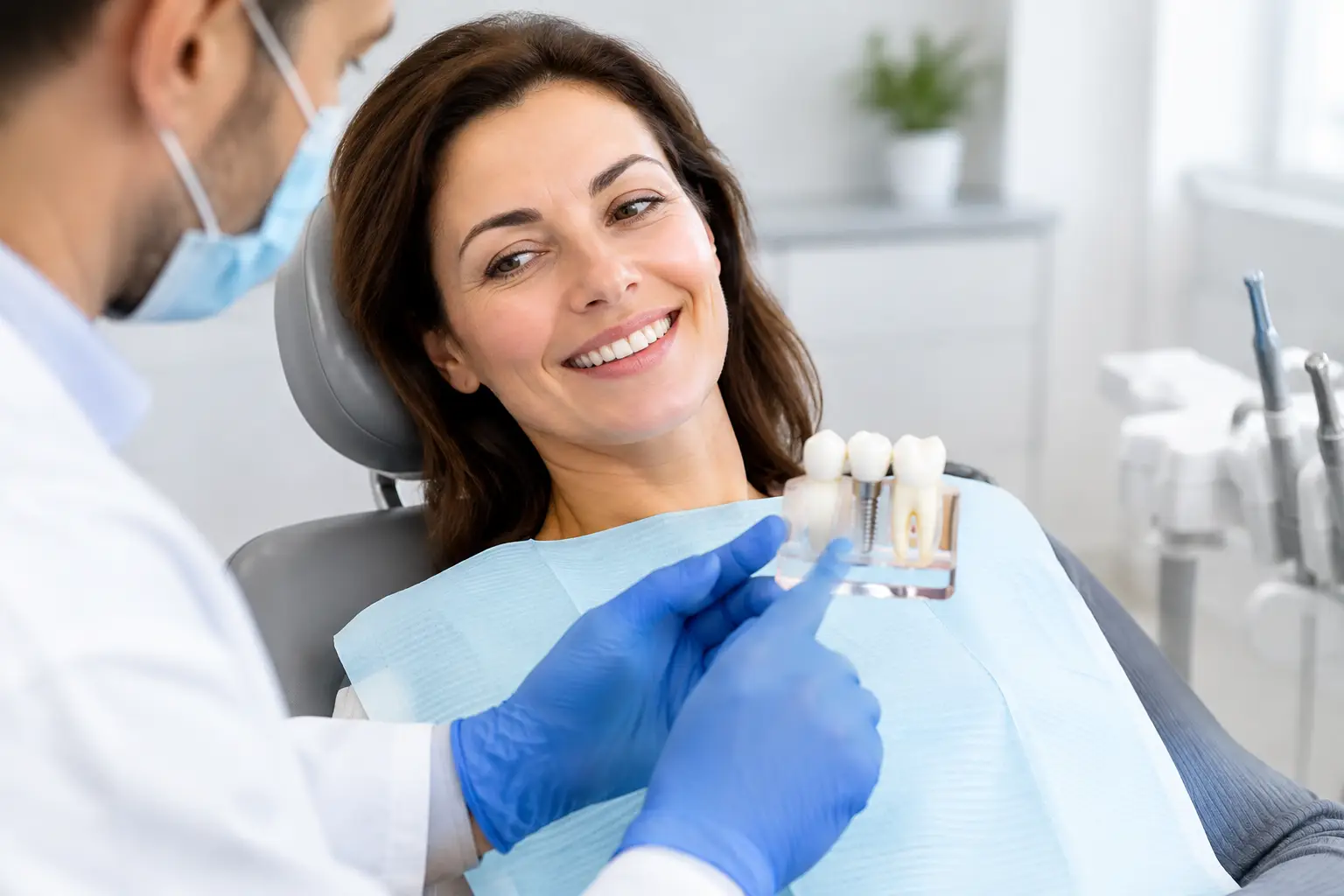
An implant crown is not simply a crown placed on an artificial root. The design must support healthy gum tissue, allow you to clean around the implant, and distribute force carefully. Material selection is part of that planning.
Zirconia is commonly used for implant crowns because of its strength and clean, metal-free appearance. Depending on the location and cosmetic requirements, your restorative dentist may recommend monolithic zirconia, layered zirconia, or another ceramic. The crown should also be shaped so floss, brushes, or other cleaning aids can reach the area effectively.
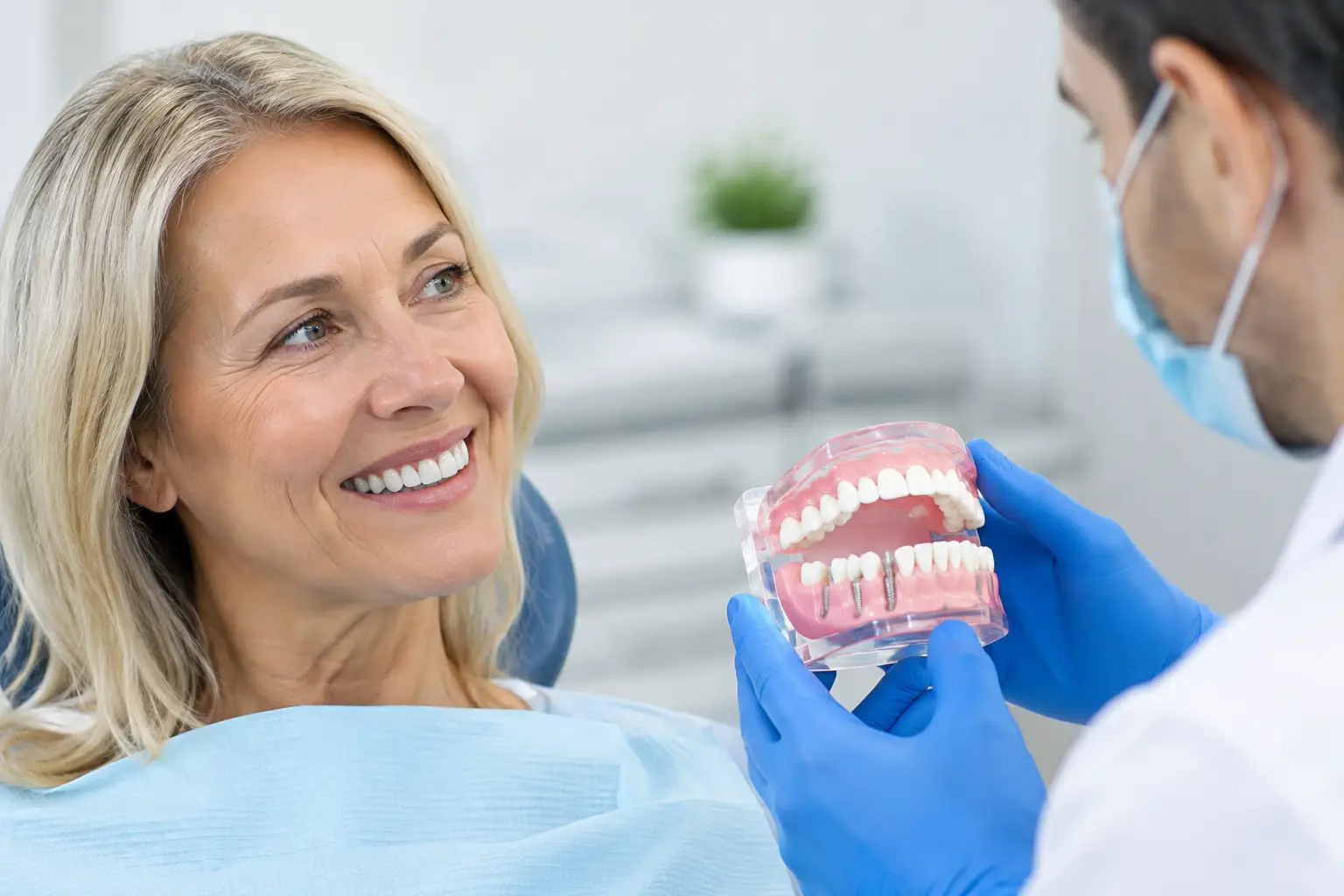
For patients replacing multiple teeth or planning full-mouth restoration, the material conversation becomes even more important. Bite forces, jaw movement, gum health, bone support, and long-term maintenance all need to work together.
Cost, Longevity, and the Value of a Custom Plan
The cost of zirconia and porcelain crowns can vary based on the material, laboratory work, tooth location, and complexity of treatment. A crown that needs a buildup, root canal treatment, gum therapy, or implant support involves additional clinical steps.
Rather than comparing crowns by price alone, consider their expected performance in your specific situation. A carefully planned restoration can help protect the remaining tooth, restore comfortable chewing, and prevent a damaged tooth from becoming a more complicated problem later.
No crown lasts forever. With good home care, regular dental visits, and protection from grinding when needed, many crowns serve patients well for many years. Decay can still develop at the edge of a crown, and gum disease can still affect the supporting tooth or implant. Daily brushing and cleaning between teeth remain essential.
How to Make the Right Choice
You do not need to become a materials expert before getting a crown. You do deserve a clear explanation of why a specific option is being recommended. Ask your dentist how the crown material fits your bite, whether you show signs of grinding, how natural the result is expected to look, and what care will help it last.
At Seattle Oral Care, treatment planning considers the whole picture, from the health of the supporting tooth and gums to the way your smile functions every day. The right crown should feel like a dependable part of your mouth, not a compromise you have to think about every time you eat or smile.
If you are deciding between materials, bring your questions to a consultation. A close look at your tooth, bite, and goals can turn a confusing choice into one that feels comfortable and well supported.