A missing tooth can change more than your smile. You may start avoiding one side when you chew, feeling self-conscious in photos, or worrying that nearby teeth will shift. The dental bridge versus implant decision is often the next question, and both treatments can restore function beautifully. The right choice depends on your mouth, your goals, your health, and how you want to approach treatment over time.
Dental Bridge Versus Implant: The Core Difference
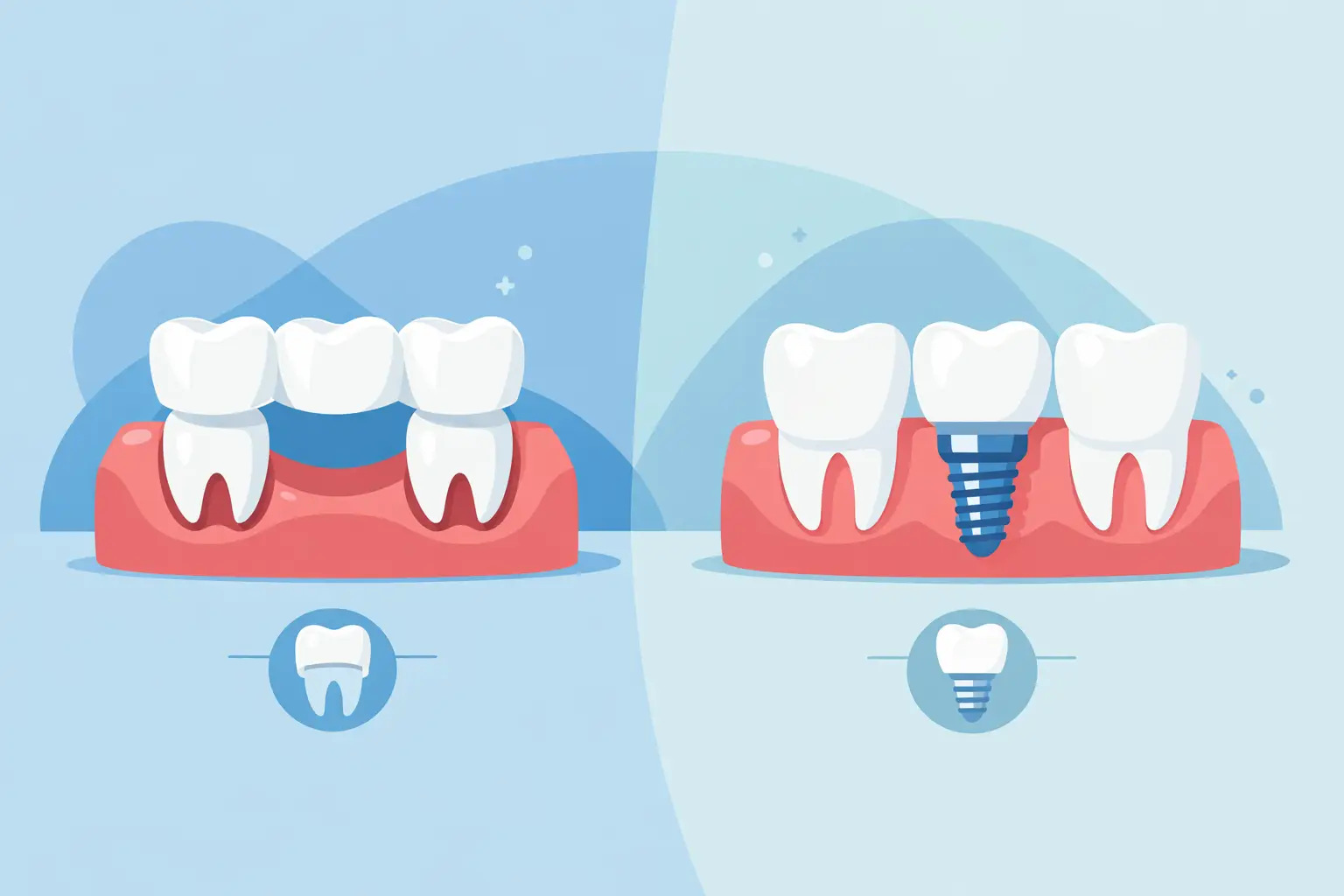
A dental bridge replaces a missing tooth by attaching a custom false tooth, called a pontic, to the teeth on either side of the gap. Those neighboring teeth are usually shaped to support crowns, which hold the bridge securely in place. A bridge can also be supported by dental implants in certain situations, especially when several teeth are missing.
A single-tooth implant replaces the tooth root as well as the visible tooth. A small titanium implant is placed in the jawbone, then a custom crown is attached after the area has healed. Because it stands independently, an implant does not rely on the teeth next to it for support.
Both options are fixed restorations. Unlike a removable partial denture, you do not take either one out at night. Each can improve chewing, speech, and confidence. The meaningful differences are how they affect surrounding teeth, protect bone, fit your timeline, and perform over the years.
When a Dental Bridge May Be the Better Choice
A bridge is often a practical option when the teeth beside the missing tooth already need crowns because of large fillings, cracks, wear, or decay. In that case, covering those teeth may be part of the restorative plan anyway, and a bridge can restore the gap at the same time.
Treatment is usually faster than an implant. Once the supporting teeth are prepared and the final bridge is made, many patients can complete treatment within a few weeks. That timing can matter if you have an upcoming event, need to restore a visible front tooth promptly, or prefer to avoid a surgical procedure.
A bridge can also be appropriate when medical factors make implant surgery less predictable or less desirable. Certain health conditions, medications, active periodontal disease, tobacco use, or a history of radiation treatment may require extra caution. These factors do not automatically rule out implants, but they deserve a thoughtful conversation and a complete health review.
The trade-off is that a traditional bridge requires healthy neighboring teeth to be reshaped. It also does not replace the missing tooth root. Over time, the bone in the empty area can gradually shrink because it no longer receives normal chewing stimulation.
When a Dental Implant May Be the Better Choice
For many patients replacing one missing tooth, an implant is the most tooth-conserving long-term option. It fills the space without altering adjacent healthy teeth. It also supports the jawbone in the area where the root was lost, helping maintain facial structure and gum contours.
Implants are especially appealing when the surrounding teeth are healthy and untouched. Rather than placing crowns on two good teeth to support one replacement tooth, an implant can address the missing tooth on its own.
An implant-supported crown also makes daily cleaning feel more familiar. You brush and floss around it much like a natural tooth, although your dental team will show you the technique that best protects the gum tissue. With attentive home care and regular professional maintenance, implants can provide durable, long-lasting support.
The main trade-off is time. Implant treatment generally includes healing between stages, often several months. If the tooth has been missing for a long time and bone has thinned, bone grafting may be recommended before or during implant placement. That adds time, but it can create a stronger foundation for the restoration.
Comparing Comfort, Appearance, and Daily Care
A well-designed bridge or implant should look natural and feel comfortable. The visible crown or bridge is custom-made to match the shape, shade, and character of your surrounding teeth. Careful planning matters even more for a front tooth, where gum symmetry and the way the restoration meets the smile line are highly visible.
Daily cleaning is somewhat different. With a traditional bridge, the connected teeth create a solid piece across the gap. You cannot floss straight down between the bridge and the gum as you would between separate teeth. Instead, you use a floss threader, specialized bridge floss, or an oral irrigator to clean beneath the pontic. This step is essential because plaque can collect around the supporting teeth and at the gumline.
An implant crown has no connection to neighboring teeth, so floss can pass between the crown and the natural teeth. However, implants still need excellent hygiene. Gum inflammation around an implant can progress quietly, which is why ongoing exams and cleanings are a central part of protecting your investment.
Cost Is More Than the Initial Fee
A bridge often has a lower initial cost than a single implant, particularly when no additional work is needed. But initial cost is only one part of the decision. A bridge may eventually need replacement due to wear, decay around a supporting tooth, changes at the gumline, or failure of one of the teeth holding it in place. If a supporting tooth develops a problem, the entire bridge can be affected.
An implant may cost more upfront, especially if imaging, extraction, grafting, or temporary tooth replacement is involved. Yet because it does not depend on neighboring teeth and supports the underlying bone, it may offer greater value over the long term for the right candidate.
Insurance coverage also varies widely. Some plans contribute more toward bridges than implants, while others offer limited benefits for either. A clear treatment estimate should explain what is included, what may be needed before treatment begins, and how future maintenance fits into the plan. The goal is not simply to choose the least expensive option today, but to understand the likely costs and benefits over the life of the restoration.
Your Bone and Gum Health Matter
The jawbone beneath a missing tooth begins changing after extraction. The longer the space remains open, the more likely the bone and gums are to recede. This does not mean you have missed your chance for an implant. It does mean that earlier evaluation can preserve more options and may reduce the need for additional treatment.
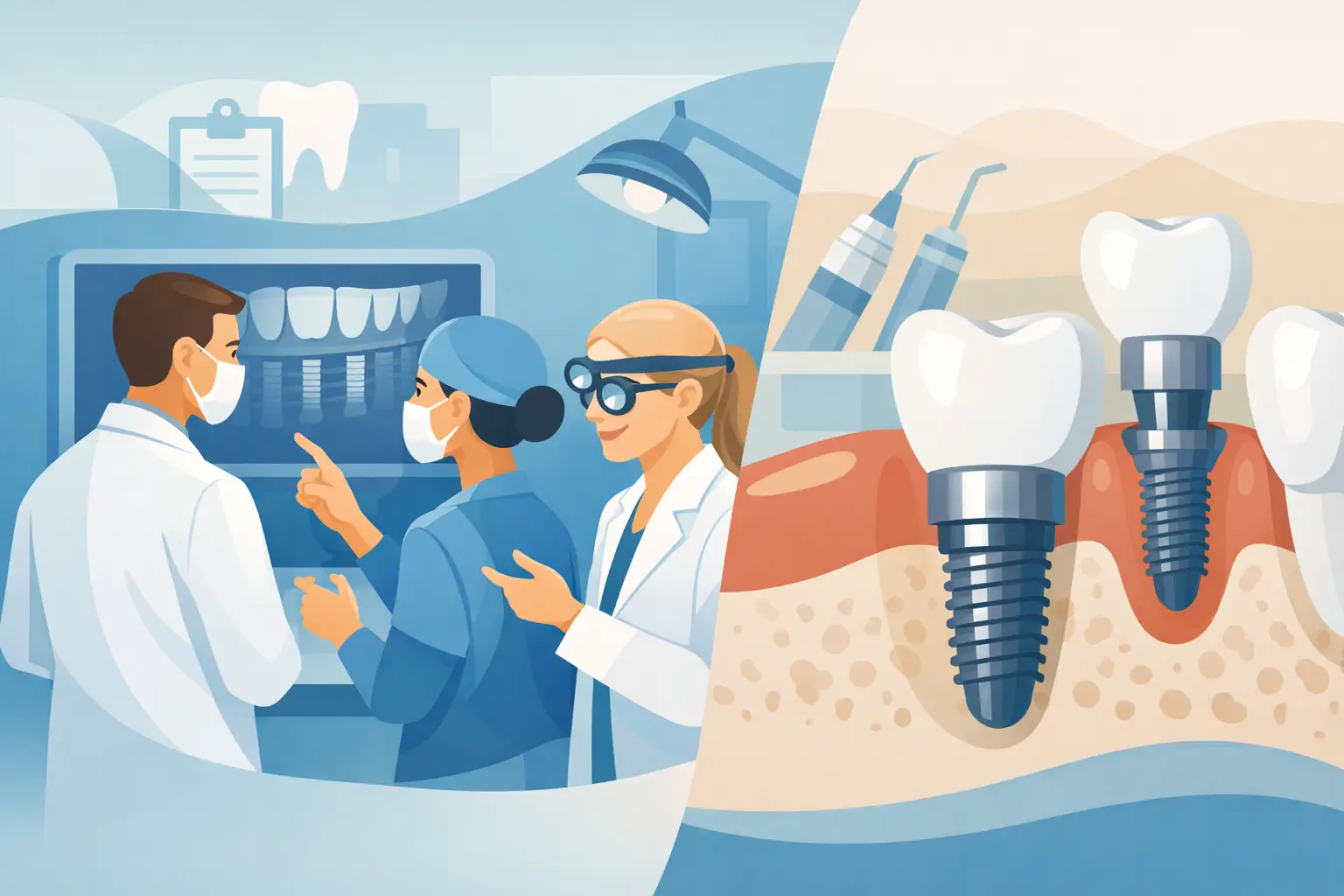
Healthy gums are equally important. Whether you choose a bridge or an implant, untreated gum disease can undermine the result. A comprehensive exam may include periodontal measurements, digital imaging, bite analysis, and a review of how you chew. These details help identify concerns that are easy to miss when looking only at the gap.
What If You Are Missing Several Teeth?
The choice is not always limited to one bridge or one implant. When several teeth are missing in a row, an implant-supported bridge may replace them without placing an implant for every tooth. This approach can restore a larger area while avoiding the need to use natural teeth as anchors.
For extensive tooth loss, implant-supported dentures or full-mouth restoration may provide more stability than a removable appliance alone. These plans require careful coordination among restorative, surgical, and periodontal providers. The best design depends on bone quality, bite forces, gum health, facial support, and your priorities for comfort and maintenance.
How to Make the Decision With Confidence
The most useful question is not which treatment is universally better. It is which treatment protects your oral health and fits your life most responsibly. A bridge may be an excellent choice when adjacent teeth already need crowns, when timing is a priority, or when implants are not clinically advisable. An implant may be preferable when neighboring teeth are healthy, bone preservation is a priority, and you are comfortable with a longer treatment process.
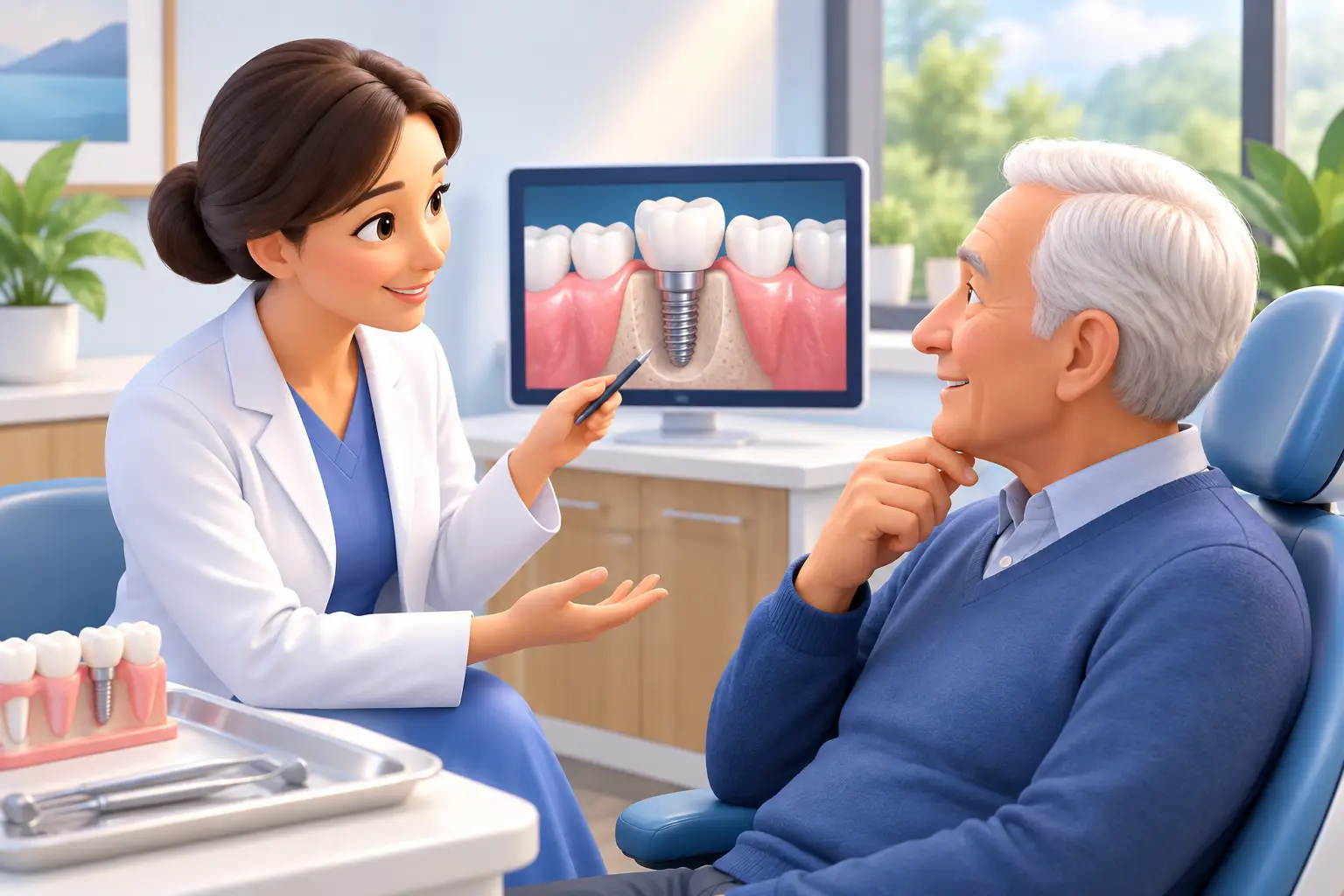
A thorough consultation should leave you feeling informed rather than pressured. At Seattle Oral Care, coordinated planning can bring restorative, surgical, and periodontal perspectives together when a case is more complex. You deserve a clear explanation of your options, a plan for keeping your result healthy, and care that moves at a pace you can feel comfortable with.
If a missing tooth is making you hesitate to smile or chew comfortably, schedule an evaluation before the space creates more changes in your bite, gums, or bone. A careful conversation now can help you choose a restoration that supports your health and confidence for years to come.