
A missing tooth may feel like a cosmetic concern at first, especially when it is toward the back of your mouth. But tooth loss can change the way you chew, speak, smile, and care for the rest of your teeth. It can also place added pressure on nearby teeth and, over time, affect the bone that once supported the missing tooth.
There is no reason to feel embarrassed or rushed into a decision. Whether you lost a tooth recently, have lived with a gap for years, or are facing the possibility of several extractions, a thoughtful evaluation can clarify your options. The right solution depends on your oral health, goals, timeline, and the condition of your remaining teeth.
Why Tooth Loss Deserves Prompt Attention
Every tooth has a job. When one is missing, the teeth around it may begin to drift or tip toward the open space. The opposing tooth can move farther out of position because it no longer has a tooth to meet when you bite. These shifts do not happen overnight, but they can make cleaning more difficult and alter how your bite comes together.
A missing tooth can also change how force is distributed during meals. Many people naturally begin chewing on one side, which may overload certain teeth or jaw joints. If front teeth are affected, speech and confidence can be part of the conversation as well.
After a tooth is removed or lost, the jawbone in that area no longer receives the same stimulation from chewing. Some bone remodeling is expected, particularly in the first months after extraction. The amount and pace vary from person to person, but preserving bone can influence which replacement options are available later. That is why an early consultation is useful, even if you are not ready to begin treatment immediately.
Common Causes of Tooth Loss
Tooth loss is not always the result of poor brushing. Many people lose teeth despite doing their best to care for them, particularly when they have a history of extensive dental work, trauma, gum disease, or medical factors that affect healing.
Advanced gum disease is a leading cause in adults because it damages the tissues and bone that hold teeth in place. Deep decay, cracked teeth, untreated infection, and injury from a fall, accident, or sports activity can also make a tooth impossible to save. Severe grinding may weaken already compromised teeth over time.
Sometimes extraction is recommended because keeping a tooth would require repeated treatment with an uncertain long-term outcome. When that happens, the goal is not simply to remove a problem. It is to plan for a healthy, stable smile afterward.
Replacing a Missing Tooth: Your Main Options
There is no one best treatment for everyone. A complete examination, digital imaging, and a conversation about your health history help determine what will serve you well over the long term.
Dental implants
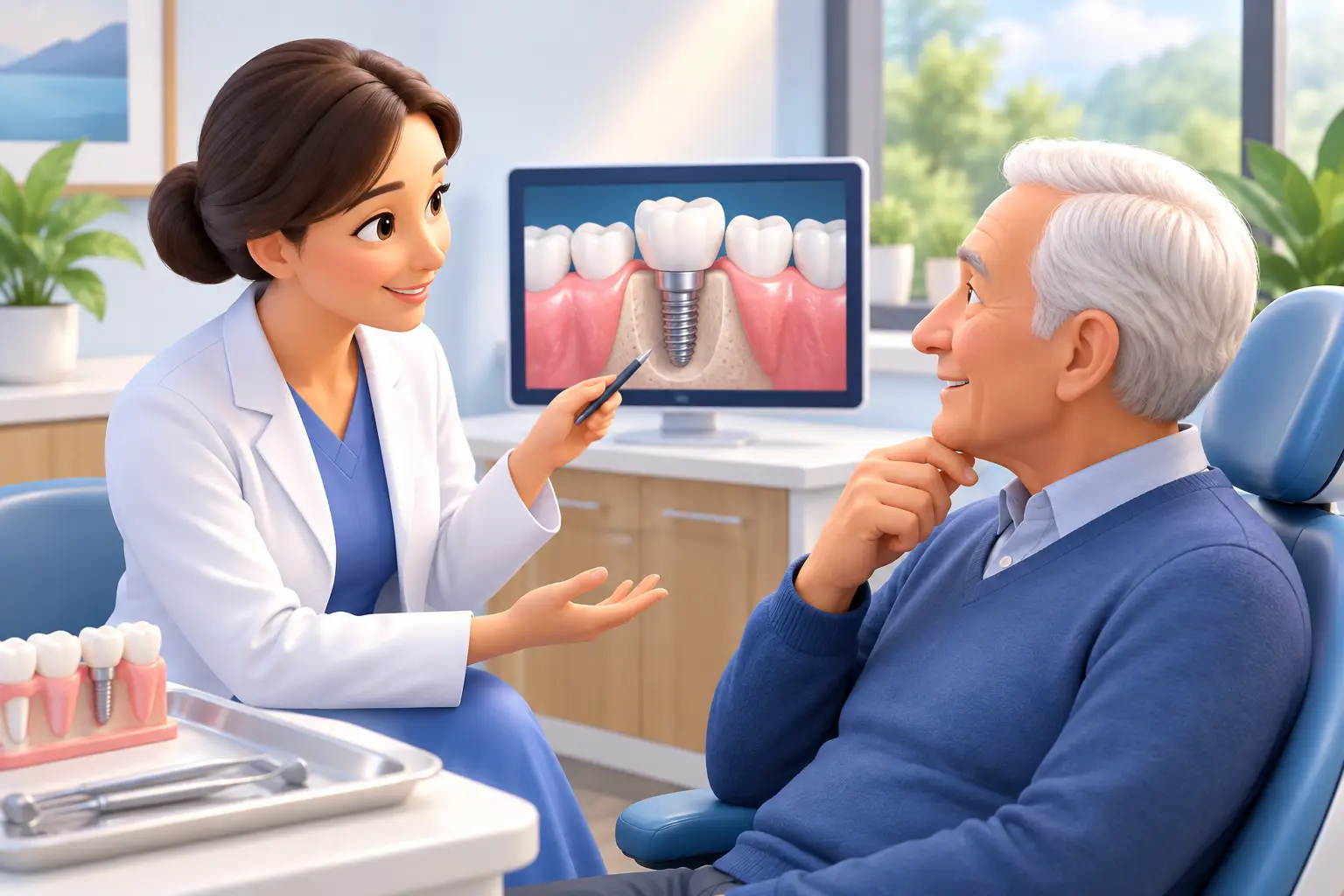
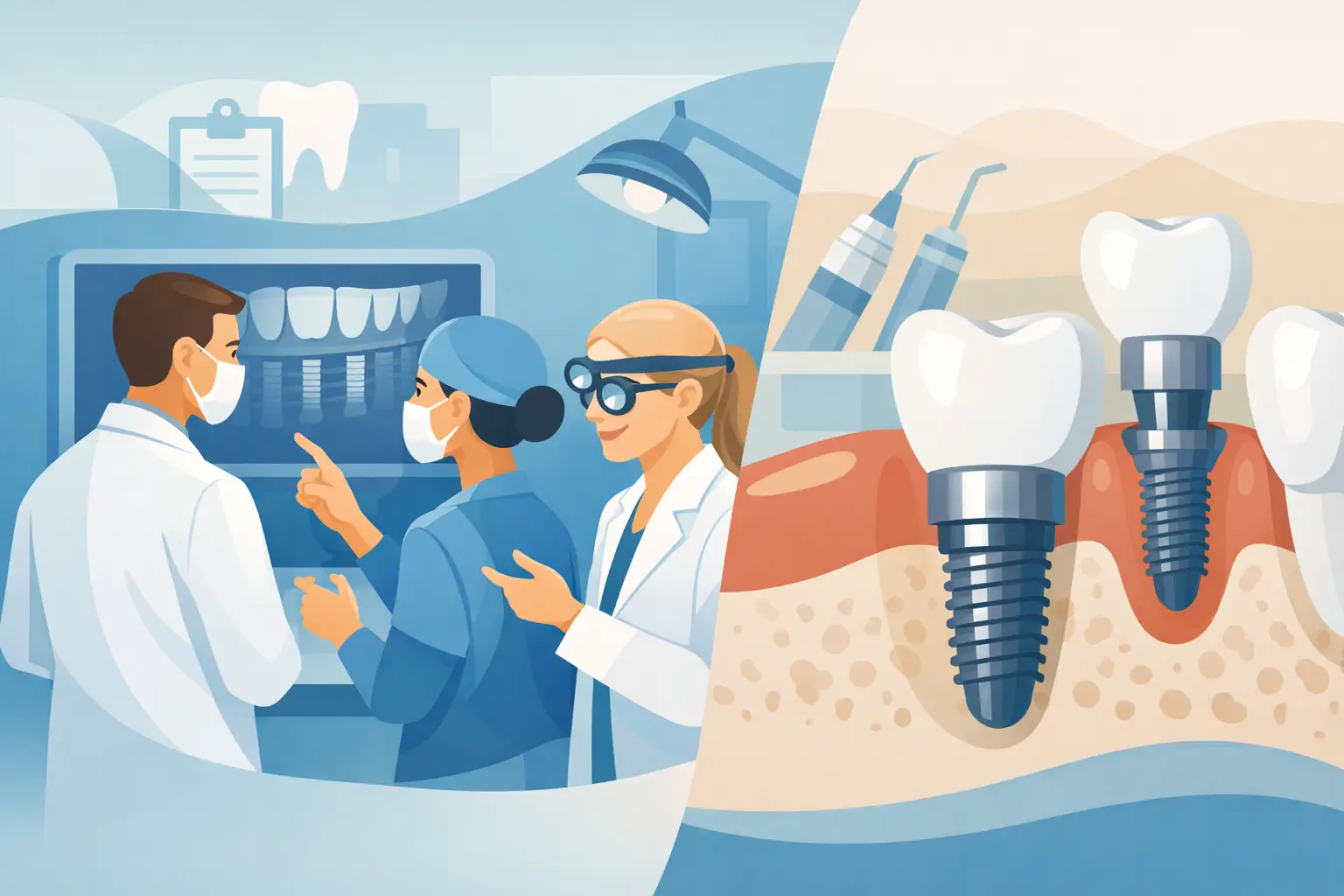
A dental implant replaces the root of a missing tooth with a small post placed in the jawbone. Once it has healed and integrated with the bone, it can support a custom crown, bridge, or denture. Because an implant is anchored in the jaw, it does not rely on neighboring teeth for support.
For a single missing tooth, an implant-supported crown can feel and function much like a natural tooth. For several missing teeth, implants may support a bridge without placing a crown on healthy teeth beside the gap. For people missing most or all teeth, strategically placed implants can secure a full-arch restoration or stabilize a denture.
Implants offer excellent durability when they are well planned and carefully maintained, but they are not an instant solution in every case. Healing time, bone volume, gum health, smoking, certain medical conditions, and budget all matter. Some patients need bone grafting or periodontal treatment before implant placement. A personalized plan should explain these steps clearly rather than treating them as a surprise.
Fixed dental bridges
A traditional bridge fills a gap with a replacement tooth attached to crowns on the teeth next to it. It can be a practical choice when the neighboring teeth already need crowns or when an implant is not the right fit for medical, anatomical, financial, or personal reasons.
The trade-off is that adjacent teeth usually need to be shaped to support the bridge. A bridge also requires attentive daily cleaning beneath the replacement tooth. With good care, it can provide a natural-looking, dependable restoration for many years.
Removable partial dentures and full dentures
A removable partial denture can replace one or more teeth, while a full denture replaces an entire upper or lower arch. Modern dentures can be carefully designed for appearance and comfort, and they may be the most appropriate starting point for some patients.
However, removable appliances can shift during eating or speaking, and they do not provide the same jawbone stimulation as implants. Implant-supported dentures can offer more security and chewing power for patients who are tired of loose dentures. The best choice often comes down to how many teeth are missing, the health of the supporting tissues, and what feels manageable for your life.
When Multiple Teeth Are Failing
If several teeth are loose, painful, heavily restored, or difficult to maintain, replacing them one at a time may not always be the most predictable approach. A full-mouth evaluation looks at the entire picture: gum health, bone support, bite alignment, jaw function, existing restorations, and the appearance you want to achieve.
This does not mean every patient needs a full-mouth reconstruction. Sometimes the most conservative plan is the best plan. But when multiple concerns are connected, coordinated care can prevent a cycle of treating one tooth while another problem develops nearby.
At Seattle Oral Care, complex cases can be planned with a prosthodontist, general dentist, oral surgeon, and periodontist working together. That collaborative approach helps patients understand the sequence of care, from addressing infection or gum disease to placing implants and restoring the final smile.
What to Expect at a Tooth Loss Consultation
A good consultation should feel informative, not intimidating. Your dental team should ask about your concerns, medical history, past dental experiences, and what you hope to change. If anxiety has kept you from seeking care, say so. Gentle, respectful treatment begins with knowing what makes an appointment difficult for you.
The examination may include X-rays or three-dimensional imaging to assess bone, roots, sinuses, and other structures that affect treatment planning . Your clinician will also evaluate the health of your gums and remaining teeth. If a tooth can be predictably saved, saving it may be recommended. If replacement is the healthier choice, you should understand why.
You should leave with a clear sense of the options, expected treatment stages, maintenance needs, and costs. Ask how each choice affects nearby teeth, what healing is involved, and what happens if you wait. The answers are not always simple, but they should be straightforward.
Protecting Your Remaining Teeth
Replacing a missing tooth is only part of long-term care. Regular exams and cleanings help identify decay, gum inflammation, cracks, and bite changes early. Daily brushing, cleaning between teeth, and wearing a protective nightguard if you grind can help preserve both natural teeth and restorations.
If gum disease contributed to tooth loss, ongoing periodontal maintenance is especially valuable. Implants cannot develop cavities, but the gum and bone around them still need consistent care. Smoking cessation and good management of conditions such as diabetes can also support healing and long-term oral health.
You do not have to solve tooth loss alone or decide everything in one visit. Start by learning what is happening in your mouth and what can be protected. A calm, thorough conversation can turn uncertainty into a treatment plan that supports comfortable eating, confident smiling, and lasting oral health.