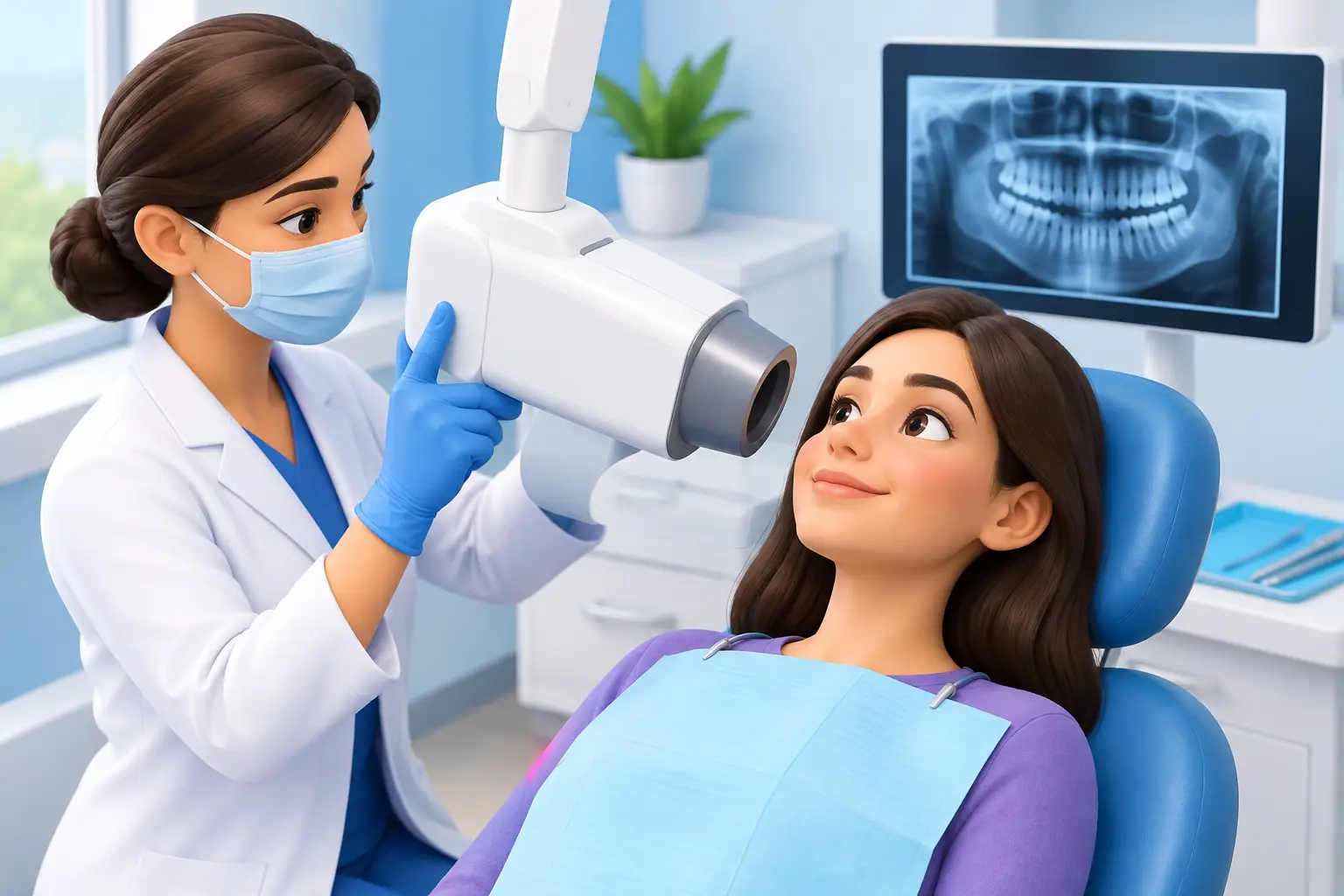
A small sensor, a few seconds of positioning, and an image appears on the screen. For many patients, that moment raises a reasonable question: are dental x rays safe? The short answer is yes. When dental X-rays are prescribed thoughtfully and taken with modern equipment, the radiation exposure is very low, and the diagnostic value can be significant.
For people who feel uneasy in the dental chair, concerns about radiation can make an already stressful visit feel harder. You deserve a clear explanation, not pressure. Dental X-rays are not taken simply because they are routine. They help your care team see problems that cannot be found by looking in your mouth alone, often while those problems are still smaller and easier to treat.
Are Dental X Rays Safe With Modern Technology?
Dental X-rays use ionizing radiation, meaning they use a small amount of energy to create an image of structures inside and around your teeth. That includes the areas between teeth, beneath fillings and crowns, around tooth roots, and within the jawbone.
Any exposure to ionizing radiation carries some theoretical risk, which is why dentists follow the principle of using the lowest exposure needed to obtain a useful image. But the amount used for dental imaging is low, particularly with digital X-rays. A single digital dental image delivers a very small dose compared with many medical imaging tests and with the natural background radiation we receive from our environment every day.
The key is not to think of X-rays as completely risk-free or automatically necessary at every appointment. Instead, think of them as a diagnostic tool that should be used when the expected benefit outweighs the small exposure. That is how careful, patient-centered dental care works.
What Dental X-Rays Can Reveal
A visual exam and gentle probing are essential, but they do not show everything. Cavities can form between teeth where they remain hidden from sight. An infection may develop at the tip of a root before it causes swelling or severe pain. Bone loss from gum disease may progress quietly around teeth or implants.
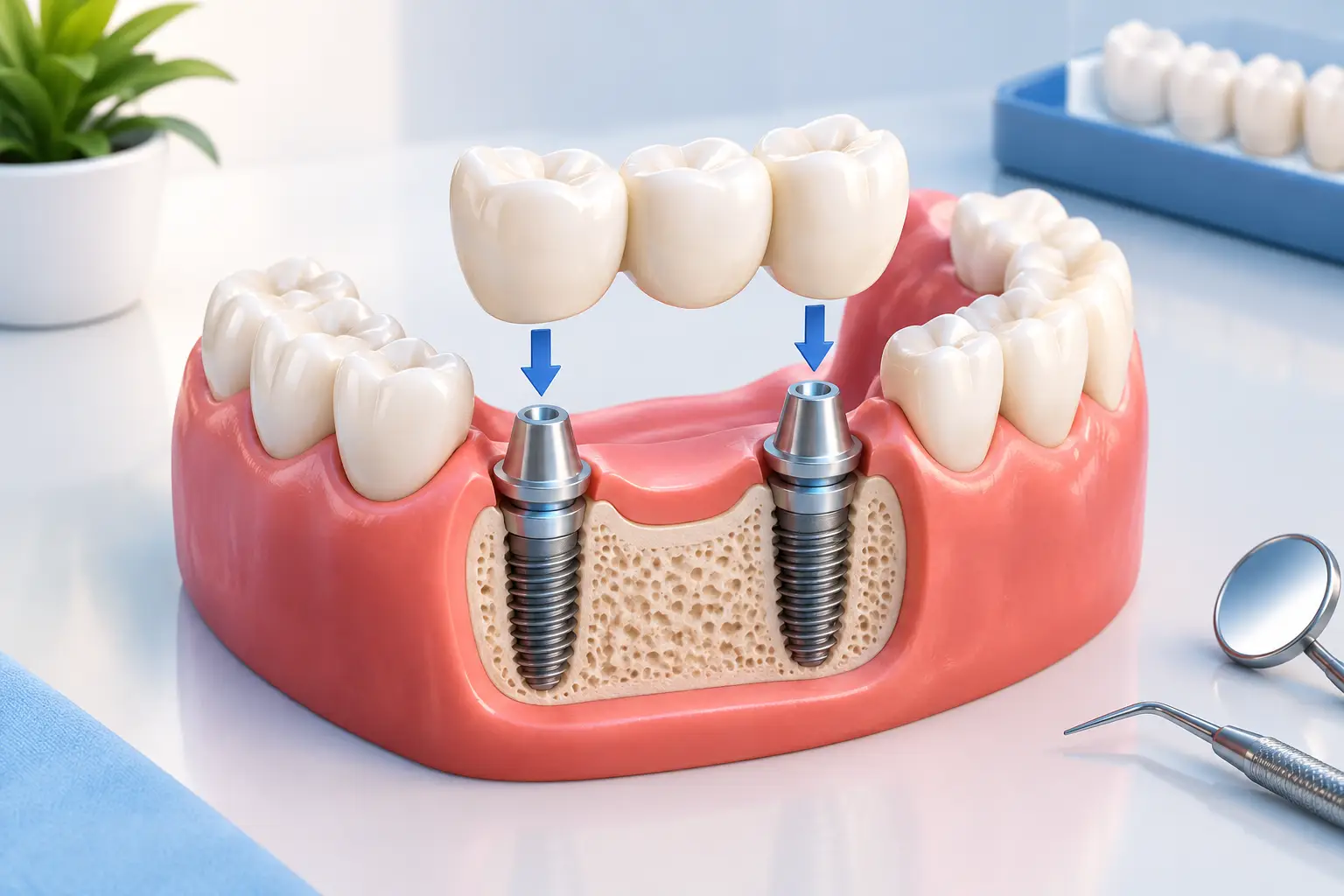
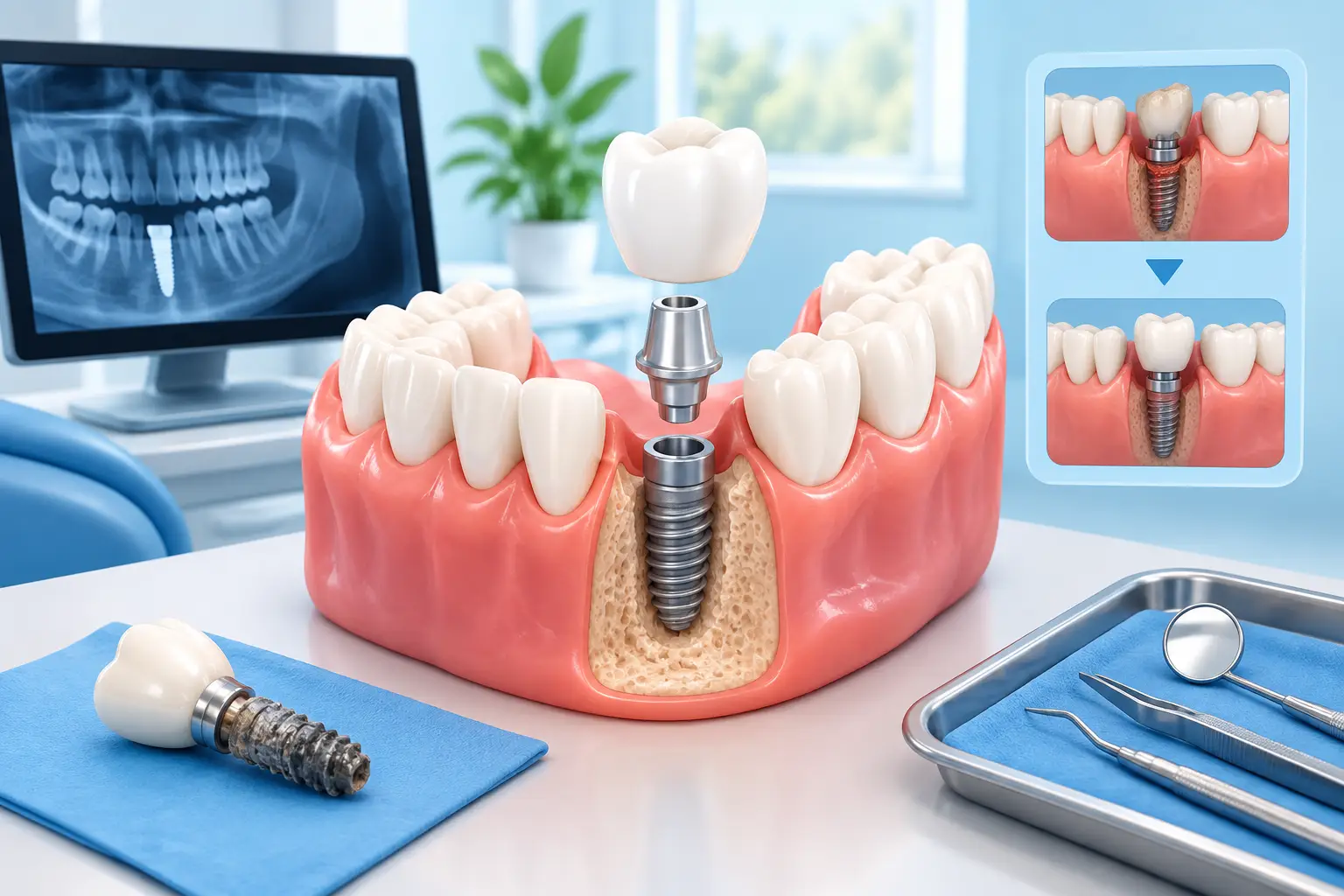
X-rays can help identify concerns such as early decay between teeth, cracks or problems beneath an existing restoration, gum disease-related bone loss, tooth abscesses, impacted teeth, changes near the jaw joints, and cysts or other changes in the jawbone. They are also central to planning many treatments, including dental implants , root canal treatment, extractions, orthodontics, and full-mouth restoration.
Finding an issue early can mean a smaller filling instead of a crown, treatment for a localized infection instead of an emergency visit, or a better-informed decision before complex care begins. In that sense, avoiding a necessary image can sometimes create a greater health risk than taking one.
Not Every Patient Needs the Same Schedule
A common misconception is that everyone must have dental X-rays on the same timetable. In reality, imaging frequency should be individualized. Your dentist considers your age, cavity risk, gum health, symptoms, past dental work, medical history, and the quality and timing of previous images.
Someone with a history of frequent cavities, dry mouth, extensive restorations, or active gum disease may benefit from images more often than someone with excellent oral health and no symptoms. A patient who has not had dental care in several years may need a more complete set of images than a patient whose records are current and stable.
If you are establishing care with a new practice, prior X-rays may be useful if they are recent and clear enough for diagnosis. Your dental team can review what is available rather than repeating images without a clinical reason. You can always ask why an image is recommended, what the dentist is looking for, and whether existing records can help.
Different Images Serve Different Purposes
Small bitewing X-rays are commonly used to check for cavities between back teeth and to monitor bone levels. Periapical images focus on one or a few teeth, including the roots and surrounding bone. A panoramic X-ray provides a broad view of the teeth, jaws, sinuses, and areas where wisdom teeth may be developing.
For implant treatment, complex extractions, or detailed surgical planning, a dentist may recommend cone beam computed tomography, often called CBCT. CBCT creates a three-dimensional view, which can be valuable for assessing bone volume, root positions, nerves, and sinus anatomy. Because the radiation exposure is typically higher than for a small two-dimensional dental image, it should be used for a specific planning need, with the scan area limited whenever possible.
How Dentists Keep Radiation Exposure Low
Safety starts before the X-ray is taken. Your dental team should review your health history, examine your mouth, and determine whether imaging will change or improve your care. Modern digital sensors need less radiation than older film systems, and they produce images quickly, reducing the need for retakes.
Careful positioning also matters. The team uses the appropriate sensor, settings, and technique for the area being examined. Equipment is inspected and maintained, and images are evaluated for quality so unnecessary repeat exposures can be avoided.
Protective measures vary based on the type of machine, current professional guidance, and the patient’s needs. You may be offered a protective apron or thyroid collar. These tools can provide reassurance and protection in certain situations, but they should not interfere with the image or require a retake. The most meaningful safety practices remain proper clinical justification, modern equipment, correct technique, and limiting the image to the area that needs evaluation.
What If You Are Pregnant or Trying to Conceive?
Tell your dental team if you are pregnant, think you may be pregnant, or are trying to conceive. This information helps your dentist plan care thoughtfully and discuss whether an image is needed now or can safely wait.
Necessary dental X-rays can generally be taken during pregnancy with appropriate precautions. Untreated dental infection, pain, or gum disease can also affect your comfort and overall health, so postponing every form of dental diagnosis is not always the best choice. For elective imaging with no immediate benefit, your dentist may recommend waiting. The right approach depends on the reason for the image and your individual circumstances.
Questions Worth Asking Before an X-Ray
You do not need to accept imaging without understanding its purpose. A caring dental team welcomes questions, especially if you have had a difficult experience in the past or feel anxious about radiation.
Ask what the image will help diagnose, whether you have recent images that can be used, and how the result may affect your treatment plan. If a larger image or CBCT scan is suggested, ask why that level of detail is needed. These conversations are part of informed consent, not an inconvenience.
At Seattle Oral Care, imaging is used as one part of a thorough evaluation, alongside listening to your concerns, examining your mouth, and discussing options in plain language. Whether you need a routine exam or are considering implants, restorative care , Invisalign, or treatment for a painful tooth, the goal is to gather the information needed to protect your health without taking more images than necessary.
Dental X-rays are a small step that can prevent a much bigger problem from staying hidden. If you are due for care but have been putting it off because of questions about safety, bring those questions with you. The right dental home will take the time to answer them and help you make a decision that feels informed and comfortable.