A dental emergency can turn an ordinary Seattle morning into a stressful one quickly: a tooth breaks during breakfast, a child falls at practice, or a crown comes loose before an important meeting. This dental emergency guide explains what to do in those first minutes, when a dentist can help, and when symptoms require emergency medical care. The goal is simple: protect your health, preserve the tooth or restoration when possible, and avoid making the injury worse.
First, decide whether this is a medical emergency
Dental problems are often urgent, but not every painful tooth requires an emergency room visit. A dentist is usually the right place for a broken tooth, lost filling, loose crown, toothache, swelling around a tooth, or a tooth that has been knocked out.
Call 911 or go to the emergency room immediately if there is trouble breathing or swallowing, uncontrolled bleeding, a major injury to the face or jaw, loss of consciousness, or rapidly spreading swelling in the face or neck. These symptoms can point to a serious infection or trauma that needs medical stabilization first.
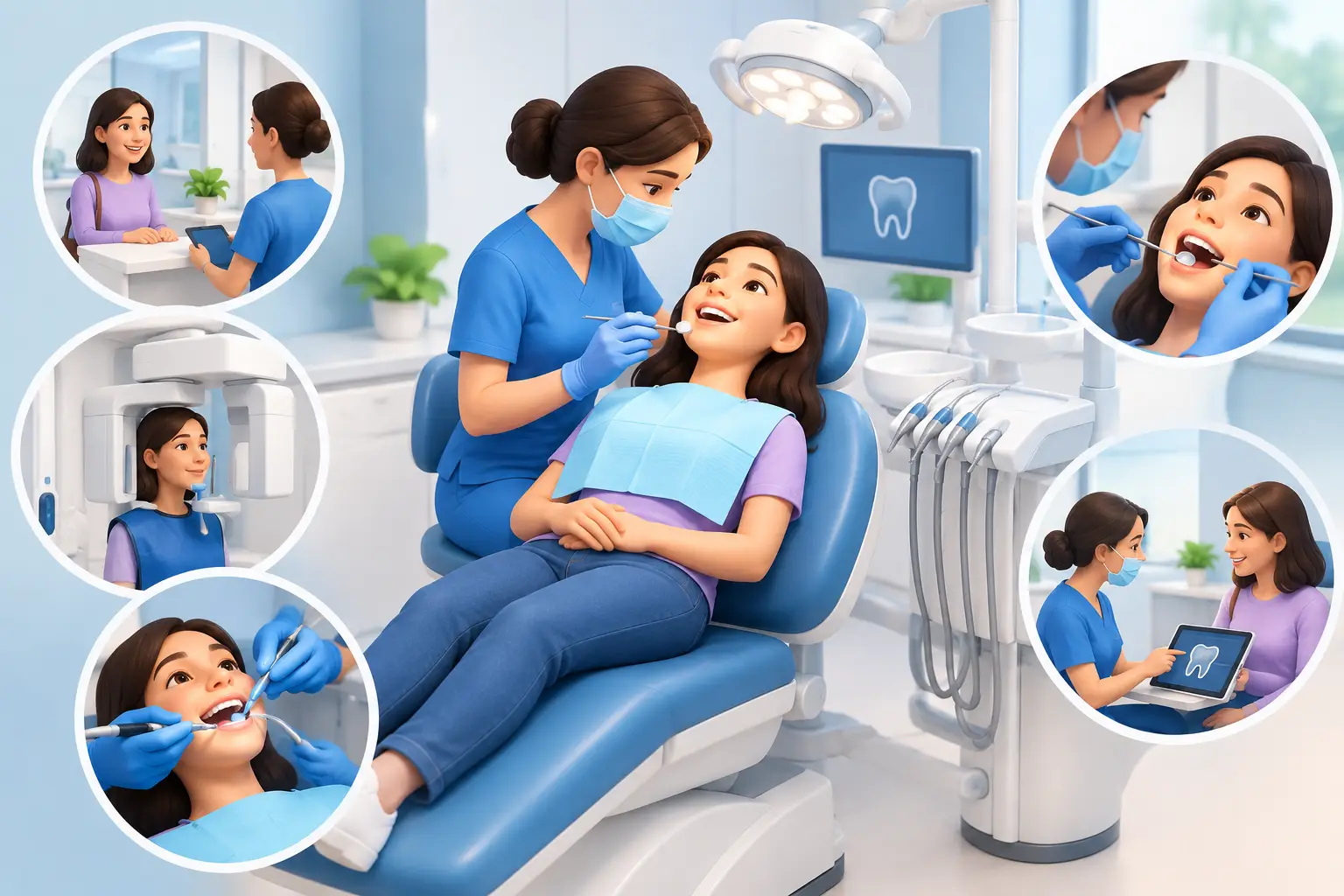
For other problems, contact a dental office as soon as possible. When you call, explain what happened, when it started, whether there is swelling or bleeding, and what you have already done. A clear description helps the team determine how quickly you need to be seen and how to stay comfortable in the meantime.
Dental emergency guide: what to do right away
A permanent tooth has been knocked out
A knocked-out permanent tooth is time-sensitive. The best chance of saving it comes from acting quickly, ideally within the first hour.
Find the tooth and pick it up by the crown, which is the chewing surface you normally see in the mouth. Do not touch or scrub the root. If it is dirty, gently rinse it with milk, saline, or clean running water for only a few seconds. Do not use soap, chemicals, or a toothbrush.
If you can do so safely, gently place the tooth back into its socket and bite on clean gauze or a soft cloth to hold it in place. If that is not possible, keep the tooth moist in a container of cold milk or a tooth-preservation solution if one is available. Saliva can be an option for an older child or adult who can safely hold the tooth inside the cheek without swallowing it. Do not store it in plain water.
See a dentist immediately. Do not try to reinsert a baby tooth. Replacing a primary tooth can harm the developing adult tooth beneath it.
A tooth is chipped, cracked, or broken
Rinse gently with warm water and save every piece you can find. A cold compress against the outside of the cheek may reduce swelling and ease discomfort. If a sharp edge is cutting your cheek or tongue, dental wax can cover it temporarily. Sugar-free gum may help in a pinch, but do not press it deeply into a broken area.
A small chip may not be painful, but it still deserves attention. Cracks can allow bacteria into the tooth and may grow deeper under normal biting pressure. Avoid chewing on that side until you have been evaluated. If the tooth is very sensitive, visibly split, or painful when you bite, call for urgent dental advice the same day.
A crown, bridge, filling, or veneer comes loose
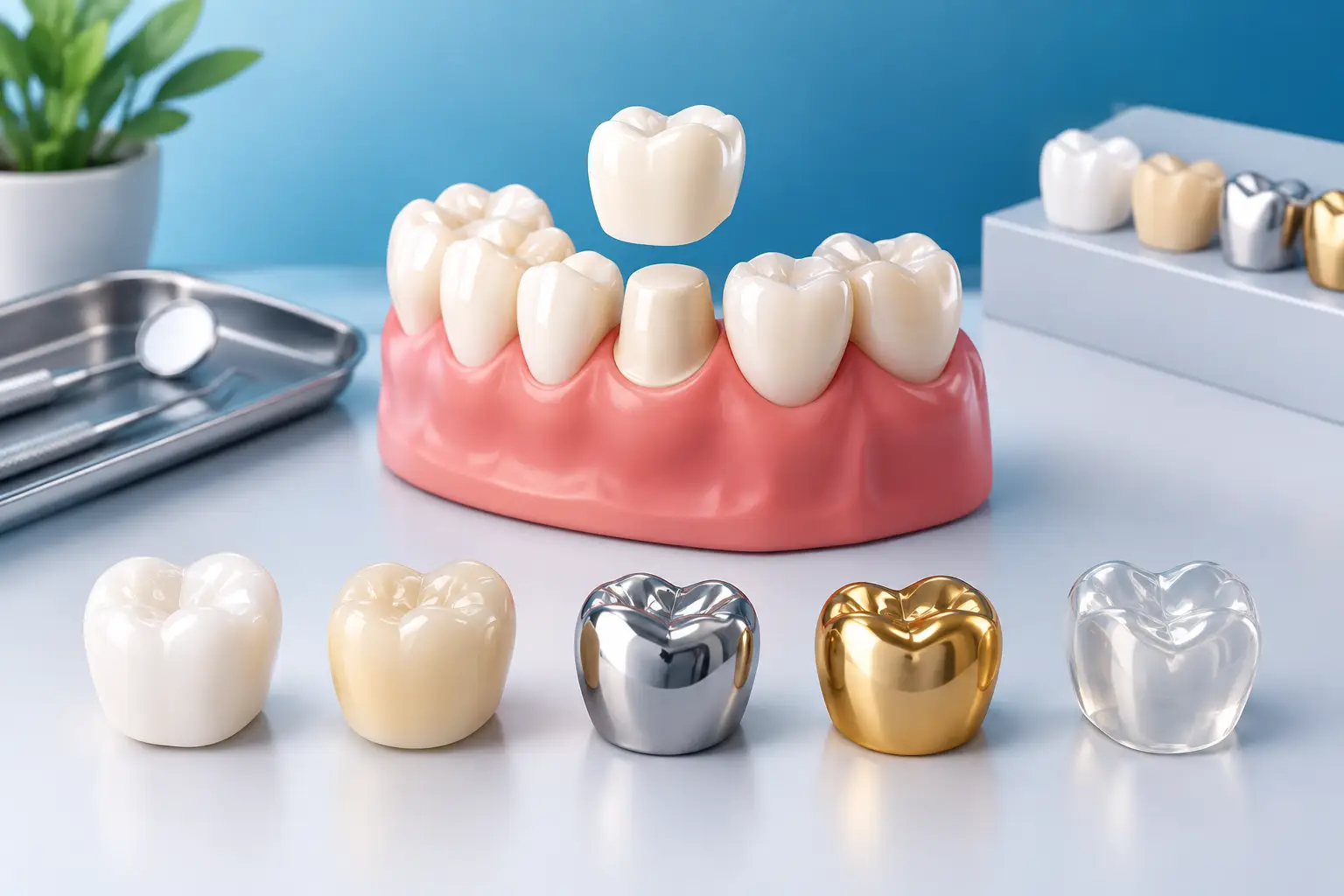
Keep the restoration if you can find it. Rinse it gently and place it in a clean container. Avoid chewing on the exposed tooth, particularly hard, sticky, very hot, or very cold foods.
Do not use household glue to put a crown or bridge back in place. It can damage the restoration, irritate the gums, and make professional treatment more difficult. Temporary dental cement from a pharmacy may be appropriate for a short period in some situations, but it is not a substitute for an appointment. A loose restoration can expose a vulnerable tooth to fracture or decay.
If an implant crown feels loose, do not try to tighten it. Implant restorations rely on precisely fitted components, and forcing or twisting the crown can damage the implant system or surrounding tissues. Contact your dental team promptly and eat on the other side.
A severe toothache starts suddenly
Rinse with warm water and gently floss around the painful tooth to remove trapped food. If swelling is present, use a cold compress outside the face in short intervals. Over-the-counter pain relievers may help when taken exactly as directed on the label and when safe for your health history.
Never place aspirin directly on the gums or tooth. It can burn the soft tissue and does not treat the source of pain. Avoid taking leftover antibiotics or someone else’s prescription. Dental infections require an examination to determine whether treatment involves drainage, root canal therapy, gum treatment, extraction, or another approach.
Pain that wakes you from sleep, worsens with pressure, or comes with facial swelling should not be ignored. Even if symptoms ease, the underlying problem may still be present.
A tooth is loose after an injury
A tooth may remain in the mouth after a fall or impact but feel shifted, tender, or unstable. Do not keep testing it with your tongue or fingers. Eat soft foods, avoid biting with that tooth, and seek prompt care. A dentist may need to evaluate the tooth, gums, bite, and supporting bone, even when there is no obvious fracture.
Children should be assessed after a significant mouth injury as well. Trauma to a baby tooth can affect the adult tooth developing below, and a child may not be able to describe the level or location of pain clearly.
Bleeding from the mouth will not stop
Apply steady, gentle pressure with clean gauze or a damp cloth for 15 to 20 minutes without repeatedly lifting it to check. If bleeding continues heavily, follows a facial injury, or is accompanied by dizziness, seek emergency medical care.
Some oozing after an extraction or oral procedure can be expected, especially in the first several hours. Follow the post-treatment instructions you were given, avoid vigorous rinsing, and do not smoke or use a straw. If bleeding is more than a slow ooze or does not improve with firm pressure, call your dental office.
Signs an infection needs urgent attention
A dental abscess is an infection that can occur near the root of a tooth or in the gums. It may cause throbbing pain, a pimple-like bump on the gums, sensitivity, a bad taste, or swelling. The pain can sometimes fade if pressure drains, but the infection itself has not gone away.
Contact a dentist promptly for swelling, fever, pus, or persistent pain. Seek emergency medical care for difficulty swallowing or breathing, swelling that spreads toward the eye or neck, confusion, or a high fever. Those symptoms are not situations to watch overnight.
What not to do during a dental emergency
The right home steps can protect a tooth. The wrong ones can create additional damage or delay appropriate care. Avoid trying to pull a painful tooth, pop a swelling, file a broken tooth, or force a loose restoration back into place. Do not use heat on facial swelling, as heat may worsen inflammation in some infections.
It is also wise to avoid alcohol as a way to manage pain and to avoid chewing until you understand what has happened. A soft-food diet can reduce the chance that a crack becomes a larger fracture or that a loose restoration comes off completely.
Prepare before an emergency happens
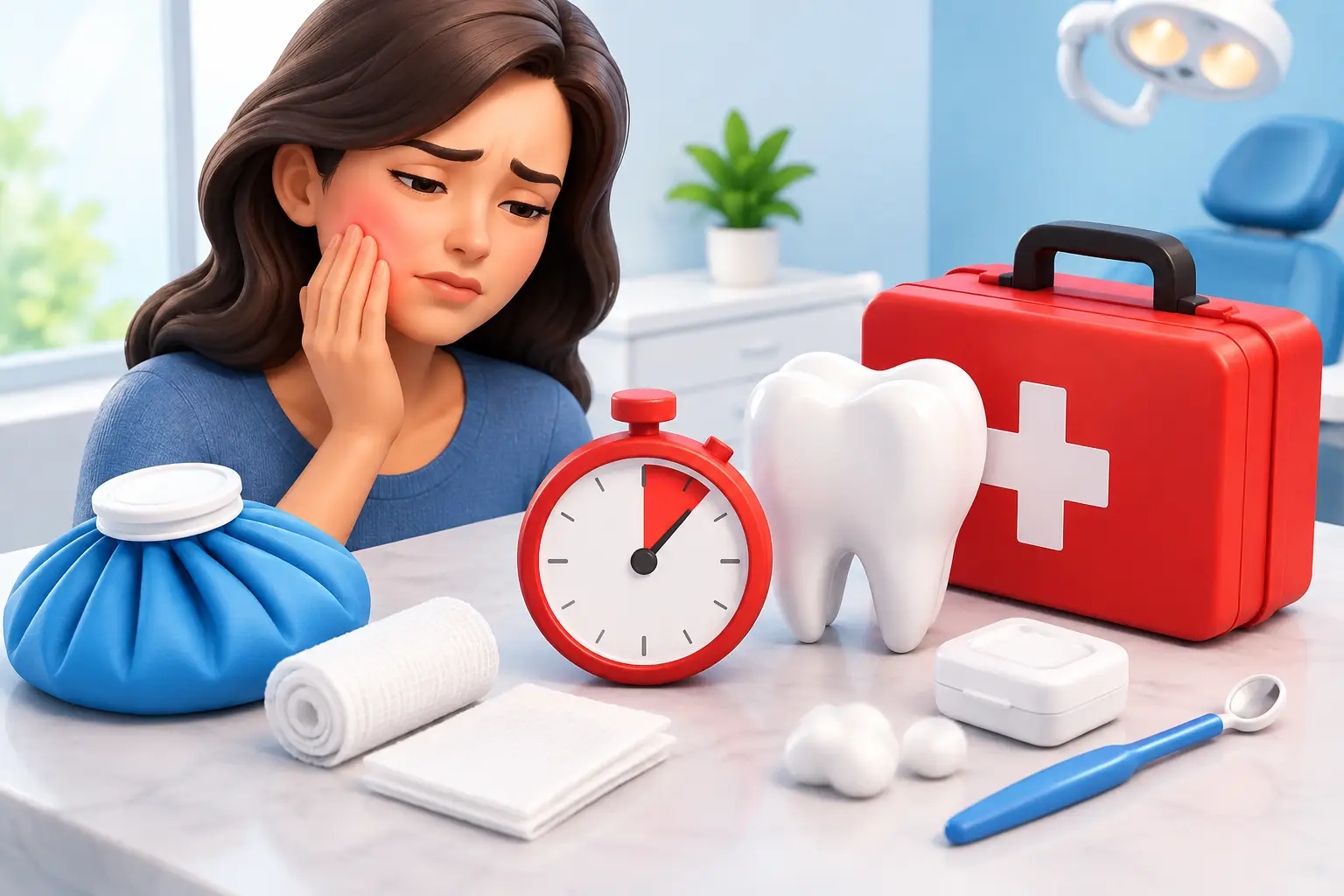
Keeping a small dental first-aid kit at home can make a stressful moment more manageable. Include clean gauze, a small container with a lid, dental wax, a cold pack, saline, and the contact information for your dental office. Parents, caregivers, athletes, and anyone with extensive restorative work can benefit from having these basics nearby.
A custom athletic mouthguard is another practical form of protection for contact sports and activities with fall risk. It is particularly valuable for people with crowns, bridges, veneers, implants, or orthodontic treatment. A well-fitting guard is not a guarantee against injury, but it can reduce the force transferred to teeth and soft tissues.
Regular exams matter here, too. Small cracks, loose restorations, gum inflammation, and bite changes are often easier to address before they become an after-hours problem. For patients with implants, bridges, dentures, or full-mouth restorations, routine maintenance helps protect the investment and the health of the tissues supporting it.
When a dental emergency happens, you do not need to diagnose it alone. Take a breath, protect the area, keep any tooth or restoration safe, and contact a dental team that can guide your next step. Prompt, gentle care can make a meaningful difference in both comfort and long-term outcomes.