When several teeth are missing, loose, broken down, or painful, the problem reaches beyond your smile. Meals can become frustrating. Speaking may feel less natural. You might avoid photos, social plans, or the dental care you know you need. Full mouth restoration for extensive tooth loss is a carefully planned way to rebuild function, comfort, and confidence with treatment designed around your health, goals, and daily life.
This is not a one-size-fits-all procedure. Some people need to replace every tooth. Others still have a few healthy teeth that can be preserved and incorporated into a stable, attractive result. The right plan starts with understanding what is happening now and what will help protect your oral health for years ahead.
What Full Mouth Restoration Can Address
Extensive tooth loss may result from advanced gum disease, untreated decay, injury, teeth weakened by grinding, or years of failing dental work. It can also change the way your upper and lower teeth meet. As teeth disappear, neighboring teeth may shift, the jawbone can gradually shrink, and facial support may change.
A full-mouth approach considers more than filling visible gaps. Your care team evaluates the condition of remaining teeth, gum health, bone levels, bite alignment, jaw joints, and the amount of space available for replacement teeth. This larger view matters because a restoration that looks good but does not fit your bite correctly can lead to discomfort, chipping, or additional wear.
The goal is not to give every patient the same smile. It is to create a healthy, functional result that feels natural for you.
Options for Full Mouth Restoration for Extensive Tooth Loss
Your treatment may involve one solution or a combination of treatments. The best choice depends on your remaining teeth, bone and gum health, medical history, preferences, timeline, and budget.
Implant-supported full arches
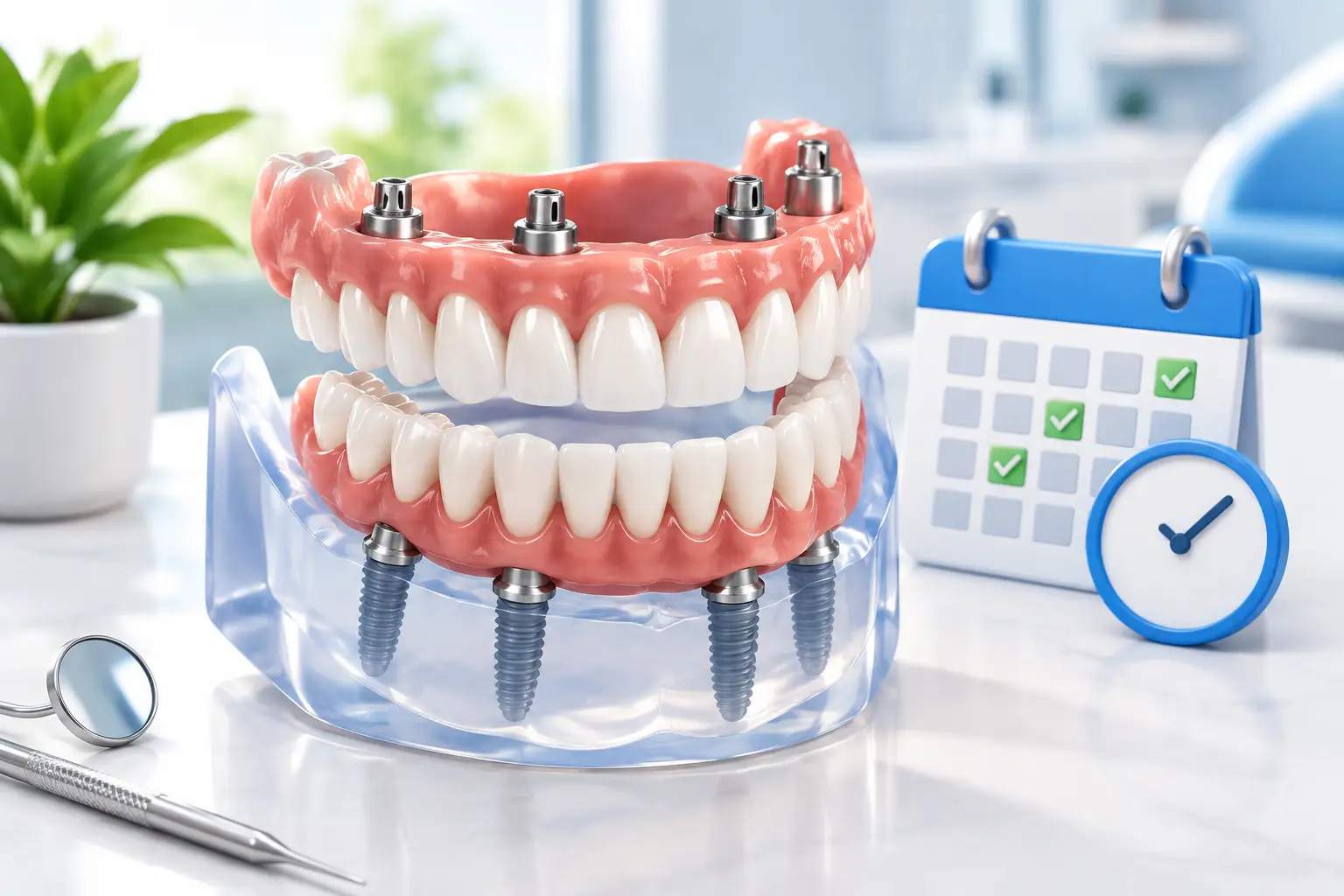
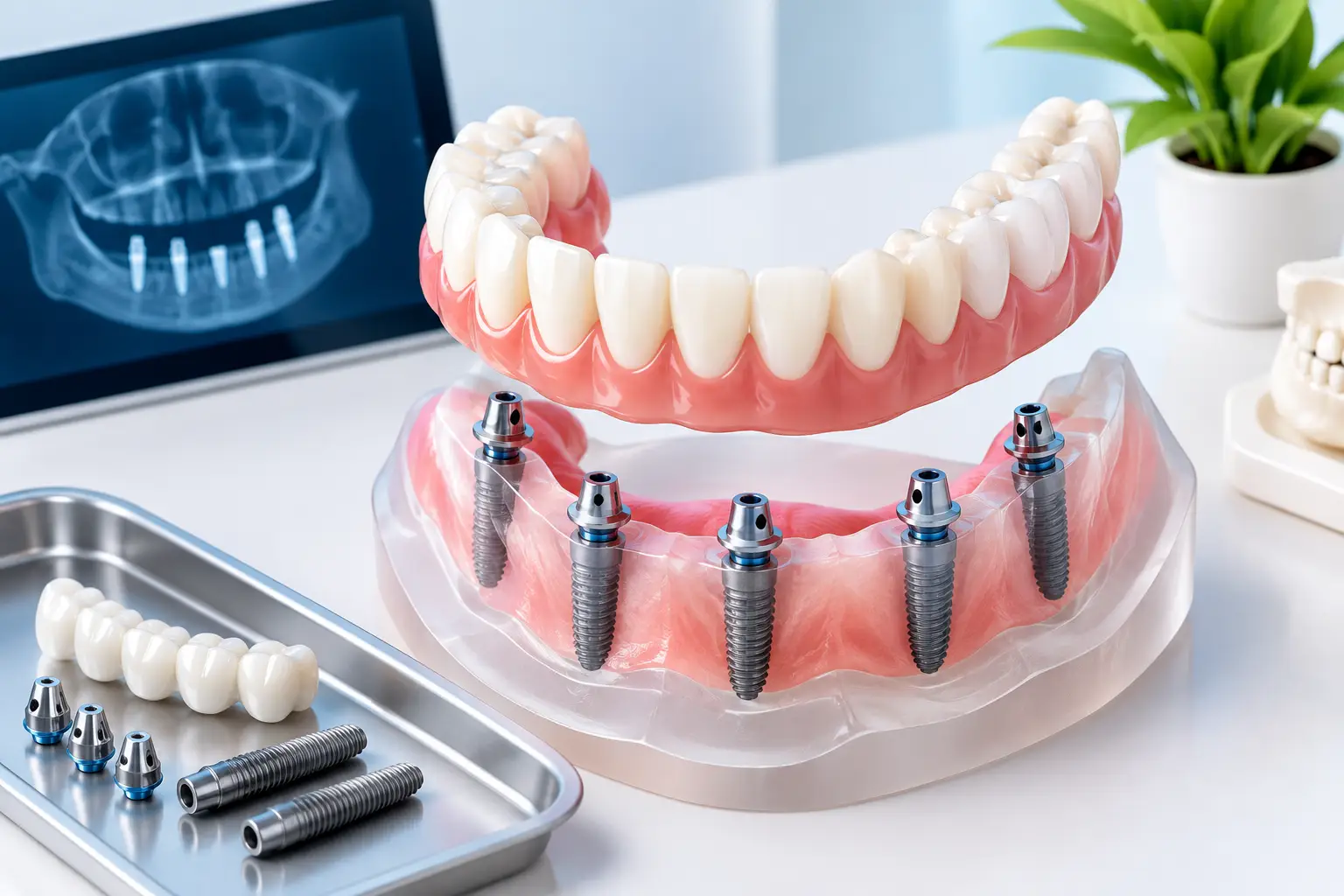
Dental implants act as replacement tooth roots. A small number of strategically placed implants can support a full arch of replacement teeth, either fixed in place or designed to be removable for cleaning. For many patients, implant-supported teeth provide stronger chewing ability and more stability than traditional dentures.
Fixed implant bridges can feel very close to natural teeth because they stay in place. They may be a good option for patients who want the security of a non-removable restoration and have adequate bone or are candidates for bone grafting. They also require consistent brushing, special cleaning techniques, and regular professional maintenance.
Removable implant-supported dentures snap securely onto implants. They are often more stable than conventional dentures while remaining easier to remove for thorough cleaning. This approach may require fewer implants and can be a practical option when anatomy, finances, or personal preference make a fixed bridge less suitable.
Conventional full or partial dentures
Modern dentures can be comfortable, natural-looking, and valuable for restoring appearance and basic function. They are usually more affordable at the beginning of treatment and may be appropriate when surgery is not advisable.
There are trade-offs. Lower dentures, in particular, can move during chewing or speaking because they rely on the shape of the gums and jawbone for support. Dentures also do not stop bone loss in areas where teeth are missing. For some patients, adding even two implants to stabilize a lower denture makes a meaningful difference in comfort and confidence.
Saving strategic natural teeth
Not every compromised tooth needs to be removed. If certain teeth have a healthy foundation and can be predictably restored, keeping them may simplify your plan. Crowns, bridges, root canal treatment, or periodontal therapy may have a role alongside implants or partial dentures.
A responsible recommendation should be honest about prognosis. Saving a tooth can be worthwhile, but repeatedly repairing a tooth with a poor long-term outlook can become more costly and stressful than replacing it. Your dentist should explain both paths clearly, without pressure.
Why a Coordinated Plan Matters
Complex rehabilitation often requires more than one type of expertise. Implant placement, gum treatment, bone grafting, bite planning, temporary teeth, and final restorations must work together. When these details are planned in sequence, the final result is more predictable.
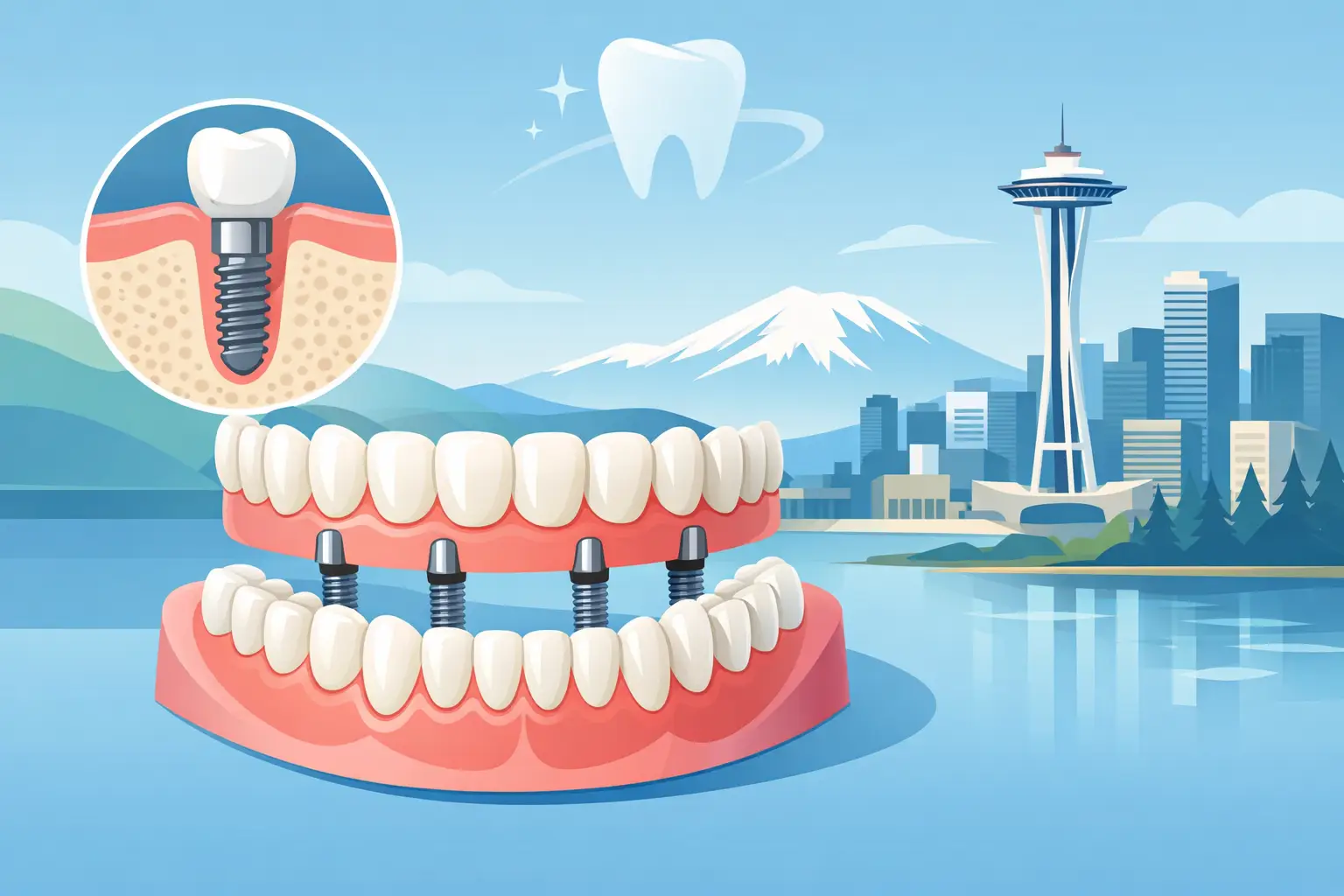
At Seattle Oral Care, a prosthodontist, general dentist, oral surgeon, and periodontist can coordinate care for patients with complex restorative needs. That team-based approach helps ensure the surgical, periodontal, and restorative phases are built around the same plan rather than handled as disconnected steps.
The diagnostic process may include digital imaging, photographs, impressions or scans, and a detailed discussion of your health history and goals. If you have been told that you need all your teeth removed, a thorough evaluation can also confirm whether any teeth can reasonably be saved. You deserve to understand why each recommendation is being made.
What Treatment Usually Feels Like
Dental anxiety is common, especially for people who have lived with pain or avoided care for years. A good full-mouth restoration plan accounts for that from the first visit. Ask how the office supports comfort during appointments, what sedation options may be available, and how temporary teeth will be handled while your final restorations are being made.
Treatment often happens in phases. First, active infection or gum disease is addressed. Teeth that cannot be saved may be removed, and implants may be placed at the same appointment or after healing, depending on your situation. In some cases, bone grafting is needed to create better support for implants.
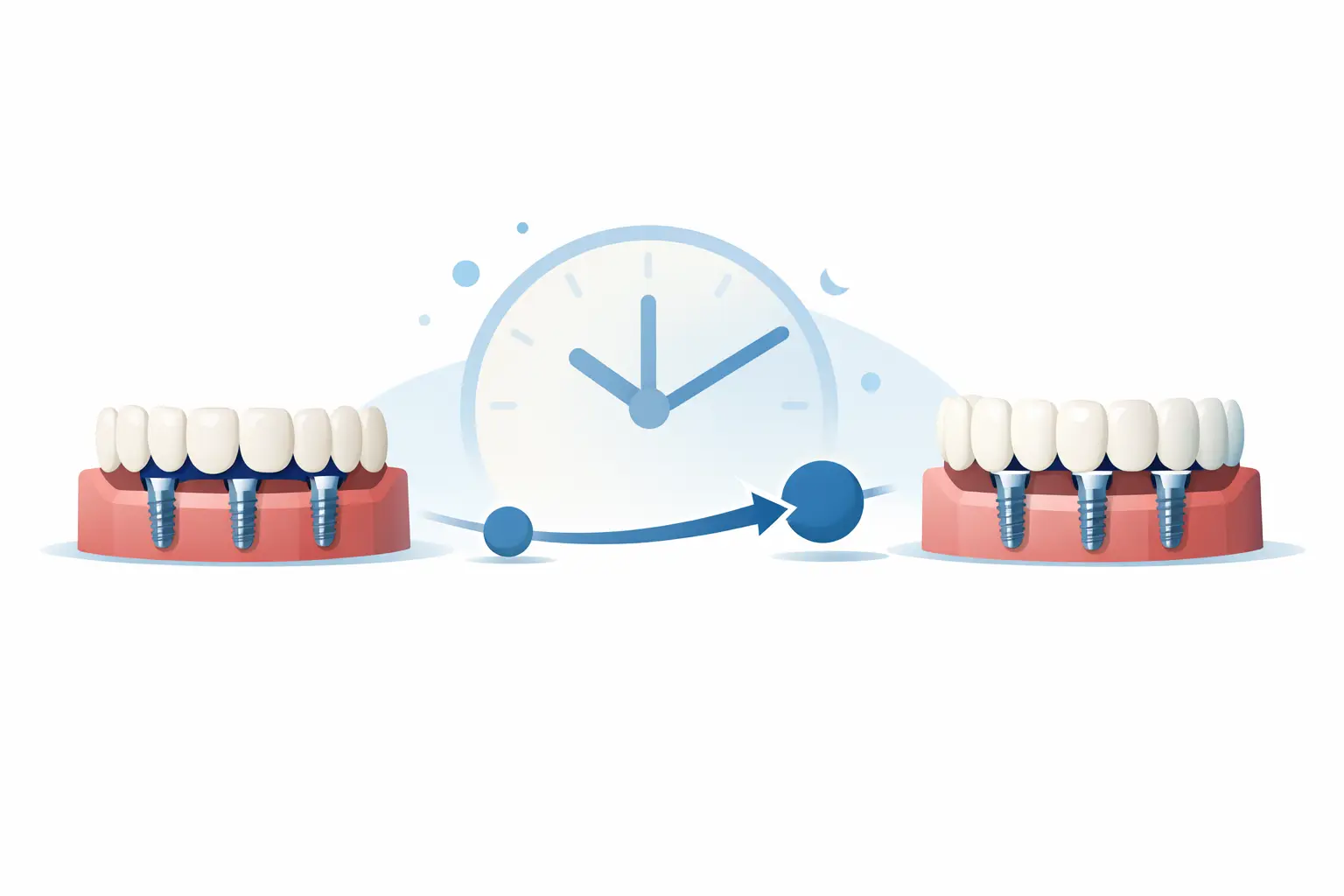
Healing time is not a setback. It allows bone and implants to form a strong connection. During this period, temporary dentures, bridges, or provisional teeth can help you maintain appearance and function. Once healing is complete, your final teeth are designed to support your bite, speech, facial appearance, and everyday chewing needs.
The timeline varies. A straightforward case may move faster than one involving extensive infection, bone loss, or multiple phases of treatment. Clear expectations are more reassuring than promises of an unrealistically quick result.
Questions Worth Asking at Your Consultation
Before choosing a plan, ask whether the recommendation is fixed or removable, which teeth can be saved, how many implants are proposed, and what happens if bone grafting is needed. You should also ask about the expected maintenance, repairs that may be needed over time, and the total cost of each phase.
If you are comparing options, focus on value over the life of the restoration, not simply the initial price. A lower-cost option may be right for your needs, but it should come with a clear understanding of its limitations. An implant-supported solution can involve a larger upfront investment while offering greater stability and potentially reducing the need for repeated adjustments.
It is also reasonable to ask who will manage each part of your care and how your care team communicates. Extensive tooth loss is a significant health concern. You should never feel rushed into a decision you do not understand.
Protecting Your New Smile
Replacement teeth need care, even though they cannot get cavities. Plaque can still collect around implants, beneath bridges, and along the gums. Without consistent home care and professional cleanings, inflammation around implants can threaten their long-term health.
Your maintenance routine may include a soft toothbrush, floss or specialized cleaning aids, and regular visits tailored to your restoration. If you grind your teeth, a nightguard may help protect the new work. For patients with sleep apnea or heavy snoring, discussing sleep treatment can also be worthwhile, since nighttime clenching and disrupted sleep can affect comfort and oral health.
There is no need to live indefinitely with teeth that hurt, move, or keep you from enjoying food and conversation. A thoughtful consultation can replace uncertainty with a clear path forward, at a pace that respects both your health and your comfort.