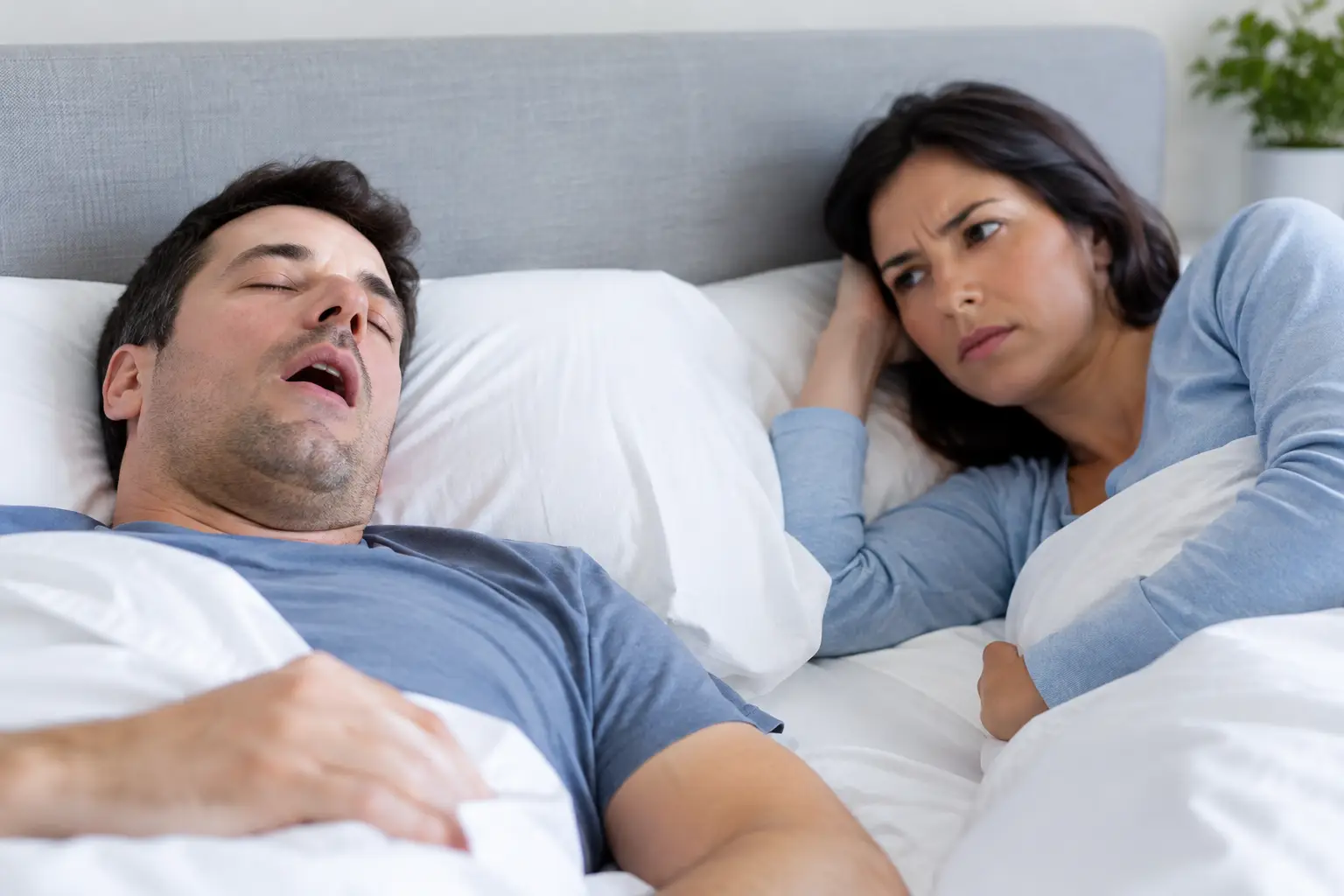
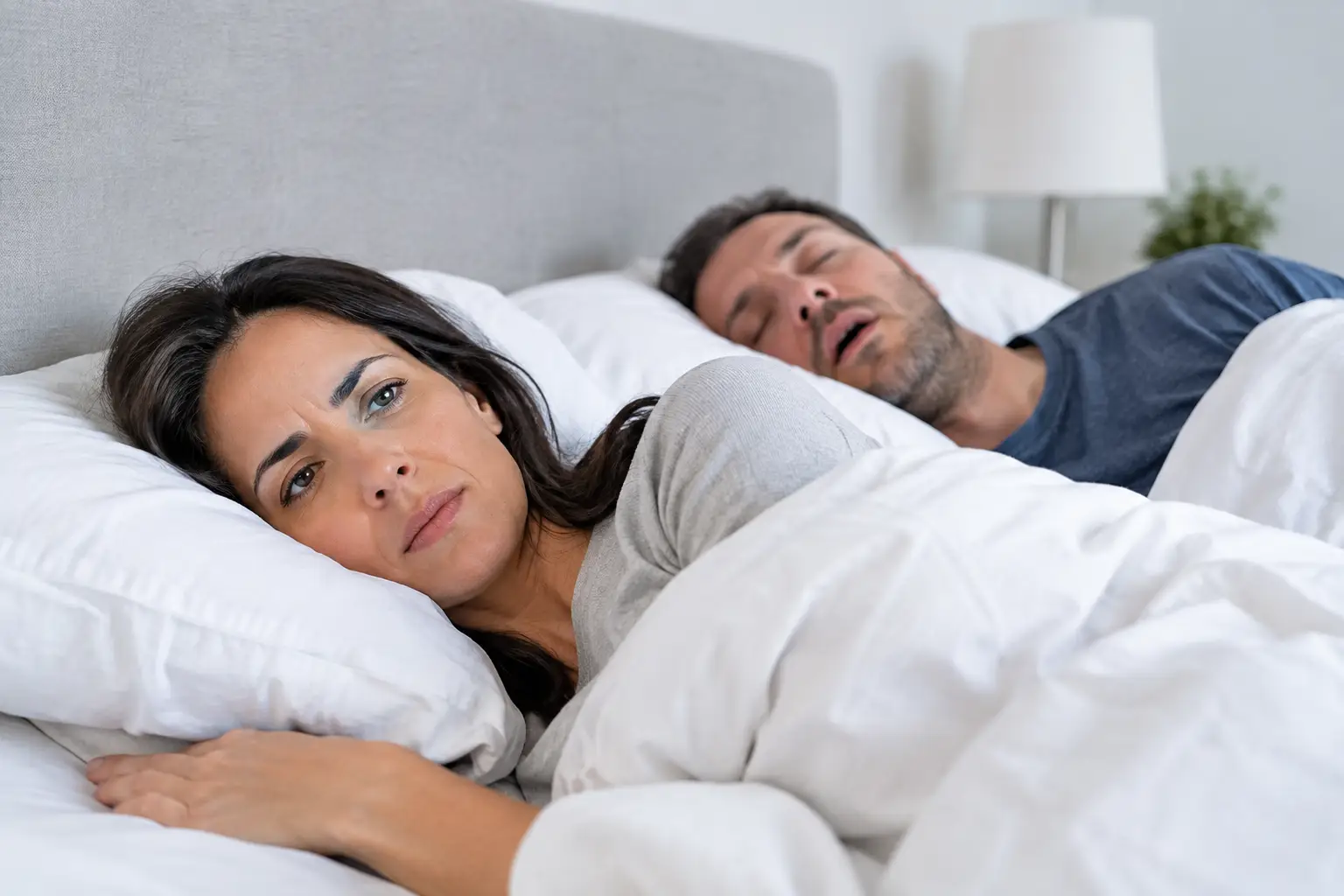
A partner may notice the first clue: loud snoring that suddenly stops, followed by a gasp or snort. You may only know that you wake up unrefreshed, struggle through afternoon meetings, or feel unusually irritable despite spending enough time in bed. If you are asking, do I have sleep apnea , those patterns are worth taking seriously.
Obstructive sleep apnea is common, treatable, and often missed. It happens when the muscles and soft tissues in the throat relax during sleep and repeatedly narrow or block the airway. Your body briefly wakes enough to reopen the airway, sometimes dozens of times an hour. These awakenings can be so short that you do not remember them, but they can still disrupt restorative sleep and place strain on your health.
Do I Have Sleep Apnea? Start With the Common Signs
Snoring alone does not prove sleep apnea. Some people snore without having meaningful breathing interruptions, while others with sleep apnea do not snore loudly. The more telling concern is a pattern of snoring combined with pauses in breathing, choking, gasping, or significant daytime symptoms.
Pay attention to how you feel in the morning. Frequent morning headaches, a dry mouth, sore throat, or the feeling that sleep did not help can all be clues. So can waking repeatedly to use the bathroom, tossing and turning, or waking abruptly with a racing heart.
During the day, sleep apnea can look like persistent fatigue, trouble concentrating, memory lapses, low mood, or dozing off when you are reading, watching television, or sitting still. Many people assume these changes are simply part of a demanding job, getting older, or stress. Sometimes they are. But when poor energy continues despite allowing enough time for sleep, an evaluation can provide useful answers.
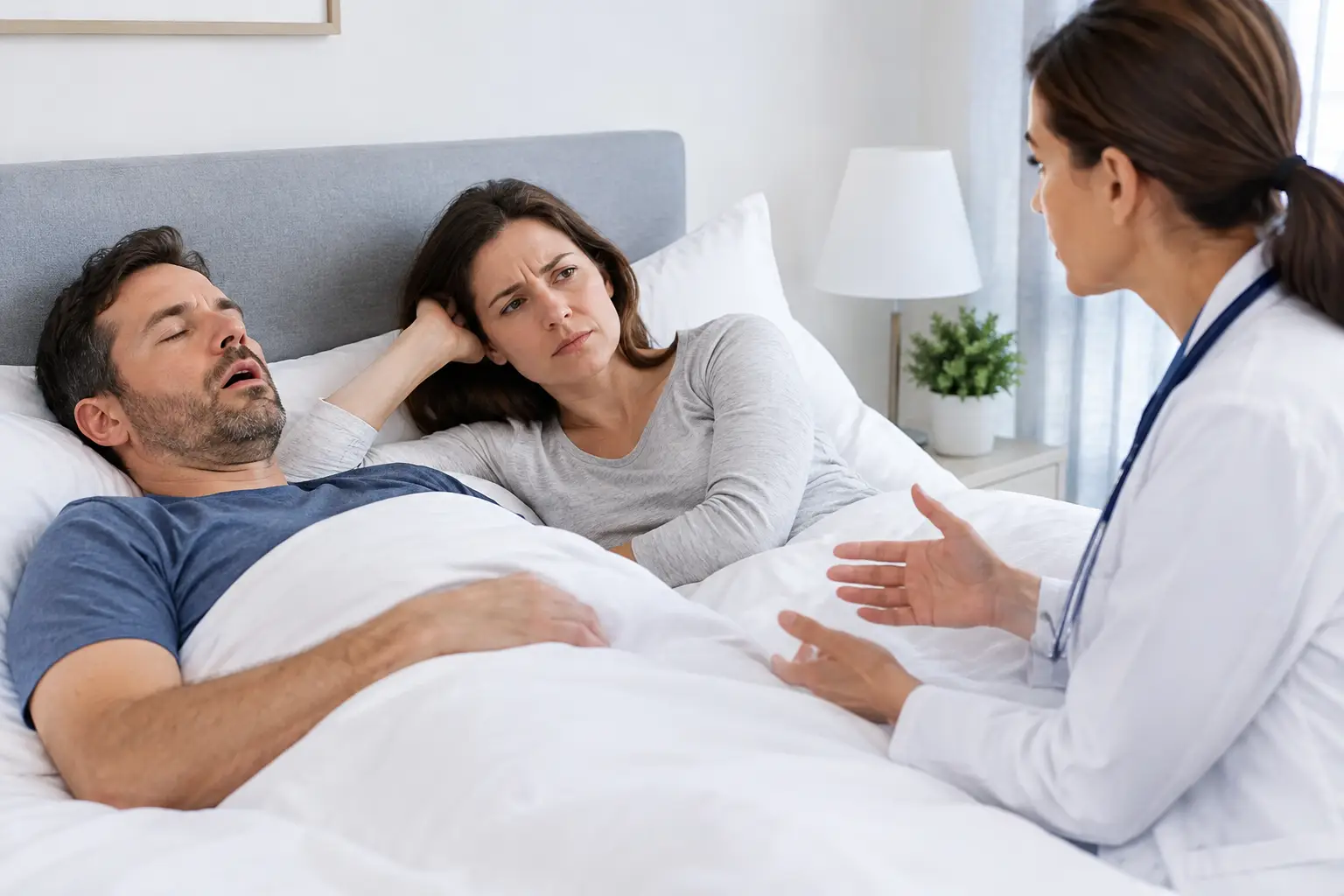
A bed partner’s observations can be especially valuable. They may report loud snoring, breathing pauses, restless sleep, or gasping that you never notice yourself. If possible, ask what they see and hear during the night.
Why Untreated Sleep Apnea Deserves Attention
Sleep apnea is more than an inconvenience for the person sleeping nearby. Repeated drops in oxygen and interruptions in sleep can affect the cardiovascular system, metabolism, mood, alertness, and quality of life. Untreated obstructive sleep apnea is associated with high blood pressure, heart disease, stroke, type 2 diabetes, and a higher risk of drowsy-driving accidents.
That does not mean every person who snores has these conditions, or that sleep apnea is the sole cause when they occur. Health is more complicated than that. It does mean that identifying and treating a true airway disorder can be an important part of protecting long-term health.
If you are so sleepy that you struggle to stay awake while driving or working, take that seriously now. Avoid driving when drowsy and contact a healthcare professional promptly. If you have chest pain, severe shortness of breath, or symptoms of a stroke, seek emergency care.
Who Is More Likely to Develop It?
Anyone can have obstructive sleep apnea, including people who are not overweight and people who do not fit the usual stereotype of a loud snorer. Still, certain factors can raise the likelihood. These include excess weight, a larger neck circumference, a family history of sleep apnea, nasal obstruction, alcohol or sedative use near bedtime, smoking, and getting older.
Your facial and airway anatomy also matters. A lower jaw that sits farther back, a narrow upper jaw, enlarged tonsils, a larger tongue, or limited space behind the tongue can make airway collapse more likely during sleep. This is one reason a dental sleep medicine evaluation can be helpful as part of a broader care plan.
Women may be underdiagnosed because their symptoms are not always classic loud snoring and witnessed pauses. They may report insomnia, fatigue, headaches, anxiety, or mood changes instead. Pregnancy and menopause can also change risk. Children can develop sleep-disordered breathing too, though their assessment and treatment needs are different from those of adults.
A Quiz Can Raise Concern, but It Cannot Diagnose You
Online questionnaires and wearable devices can help you recognize a possible problem, but they cannot confirm sleep apnea or tell you which treatment is appropriate. A phone recording may capture snoring. A smartwatch may show disrupted sleep or oxygen trends. Those details can be useful to share with a clinician, but they are not a replacement for a sleep study .
A proper diagnosis generally comes from a physician-guided sleep evaluation. Depending on your symptoms and health history, you may be asked to complete a home sleep apnea test or spend a night in a sleep center. The study measures breathing events and oxygen changes, then helps determine whether sleep apnea is present and how severe it is.
Home testing can be convenient and is often appropriate for adults with a high likelihood of uncomplicated obstructive sleep apnea. An in-lab study may be a better choice when symptoms are unclear, when another sleep disorder is suspected, or when someone has certain medical conditions. The right test depends on the person, not simply on what is easiest.
What Happens After a Sleep Apnea Diagnosis?
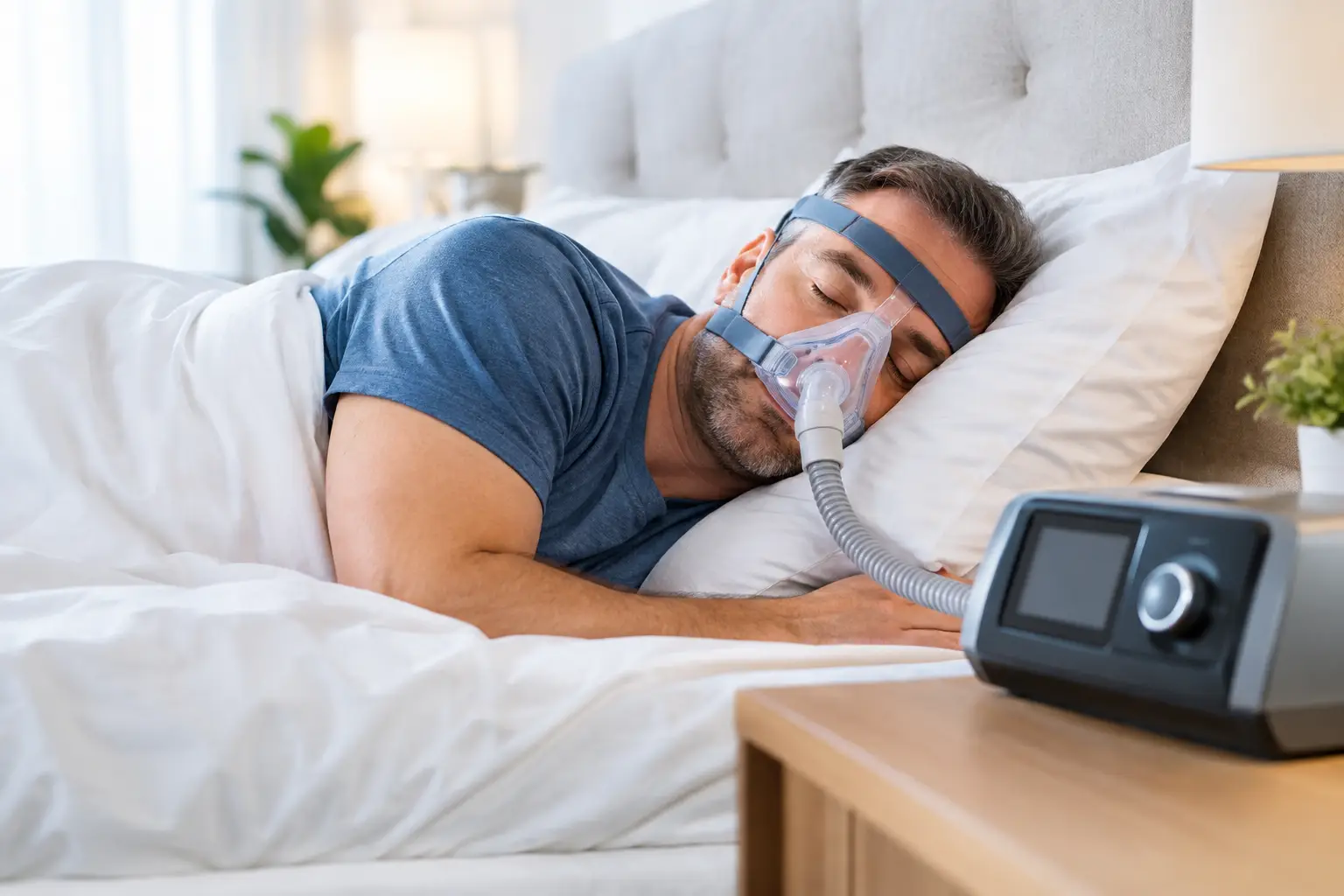
The best treatment is the one that is clinically appropriate and that you can use consistently. CPAP therapy, which uses gentle air pressure to keep the airway open, remains a highly effective option for many people, particularly those with severe sleep apnea. Some people adjust to it quickly. Others need time, mask changes, humidity adjustments, or additional support before it feels manageable.
For many adults with mild to moderate obstructive sleep apnea, and for some people with more severe apnea who cannot tolerate CPAP, a custom oral appliance may be an effective alternative or companion therapy. This small device is worn during sleep and gently positions the lower jaw forward to help maintain an open airway.
An oral appliance is not the same as an over-the-counter boil-and-bite guard. A custom device is designed for your bite, fitted carefully, and adjusted over time. It should be provided by a qualified dental sleep medicine professional in coordination with your sleep physician. Follow-up matters because comfort, jaw position, bite changes, and treatment effectiveness all need to be monitored.
There are trade-offs. CPAP may provide the strongest airway support for some patients, while an oral appliance can be easier to travel with and may feel less intrusive. Weight management, positional therapy, treating nasal congestion, avoiding alcohol close to bedtime, and surgery can also have a role in selected cases. These options should support a personalized plan, not replace a diagnosis.
When Snoring Is the Main Concern
Primary snoring can disrupt relationships and leave both people exhausted even when sleep apnea is not present. It still deserves a thoughtful conversation, especially if it is new, worsening, or paired with daytime fatigue. An evaluation can help distinguish simple snoring from obstructive sleep apnea and identify whether an oral appliance or another approach may help.
Avoid assuming that a store-bought mouthpiece is harmless because it is easy to purchase. Poorly fitted devices can cause jaw pain, tooth movement, bite changes, or inadequate airway improvement. A professional evaluation protects both your sleep and your oral health.
A Clear Next Step for Better Sleep
Start by writing down what you notice for one or two weeks: bedtime, awakenings, morning symptoms, daytime sleepiness, alcohol use, and any observations from a partner. Bring that information to your primary care physician or sleep specialist and ask whether a sleep study is appropriate.
If obstructive sleep apnea is diagnosed, Seattle Oral Care can work alongside your medical team to evaluate whether custom oral appliance therapy fits your treatment plan. Care should feel clear and manageable: understand the diagnosis, review your options, and choose a solution you can realistically use night after night.
You do not have to accept exhaustion, loud snoring, or restless sleep as normal. Asking the question is a meaningful first step toward waking up with more energy and breathing easier through the night.