A loose denture that shifts during dinner or teeth that make you avoid photos can affect far more than your smile. Full arch implants offer a fixed, stable replacement for an entire upper or lower row of teeth, but it is natural to have questions about full arch implants cost before taking the next step. The honest answer is that pricing varies because treatment should be built around your health, anatomy, goals, and the kind of restoration you want to live with for years.
At Seattle Oral Care, we believe financial conversations belong early in the process, alongside the clinical discussion. A thoughtful plan helps you understand what you are investing in, what is included, and which decisions can affect the final cost.
What Does Full Arch Implants Cost Include?
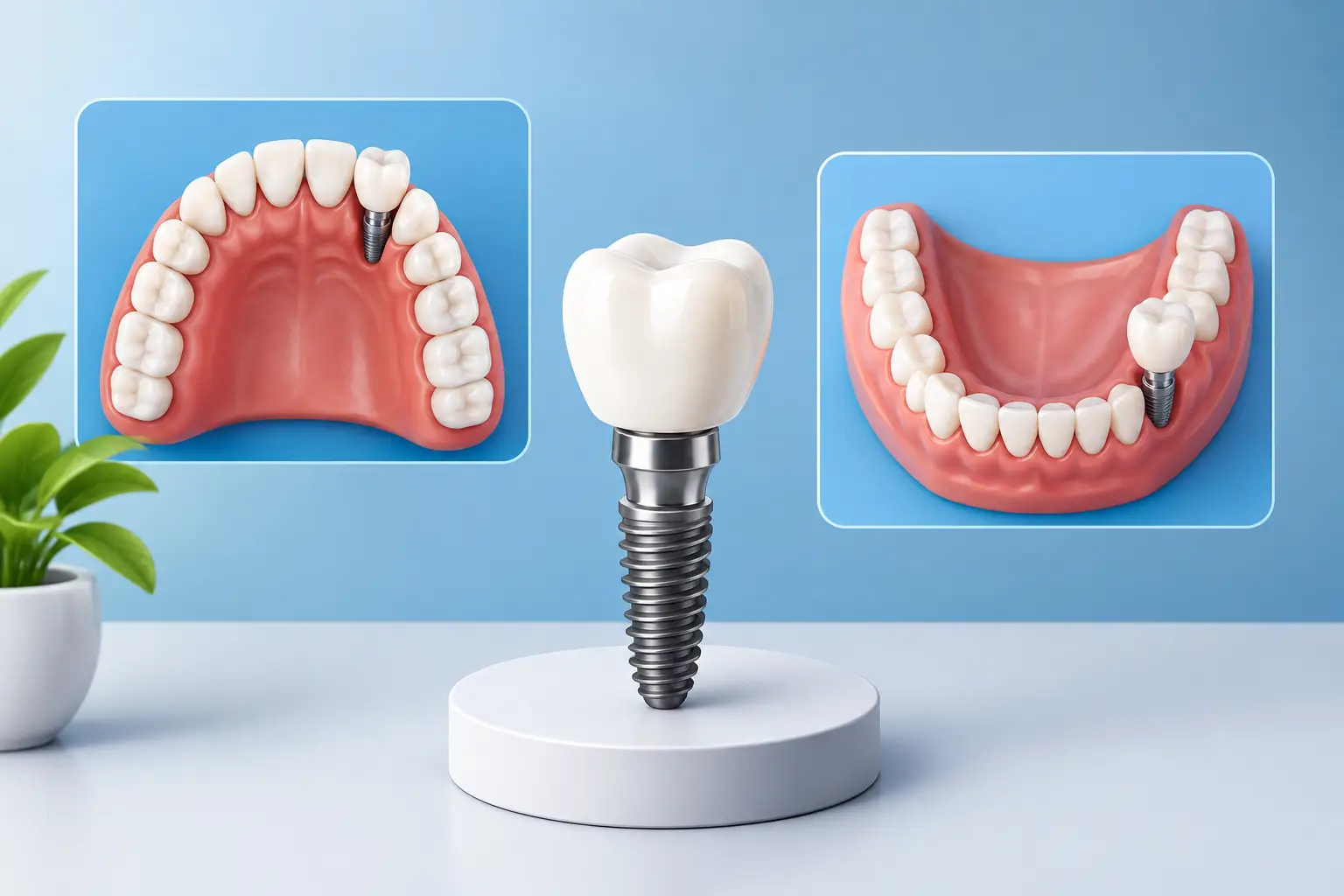
Full arch treatment replaces all teeth in one jaw with a prosthetic arch supported by dental implants. Some people need treatment for the upper jaw, others for the lower jaw, and some need a full-mouth reconstruction involving both. Because this is not a one-size-fits-all procedure, comparing a single advertised number can be misleading.
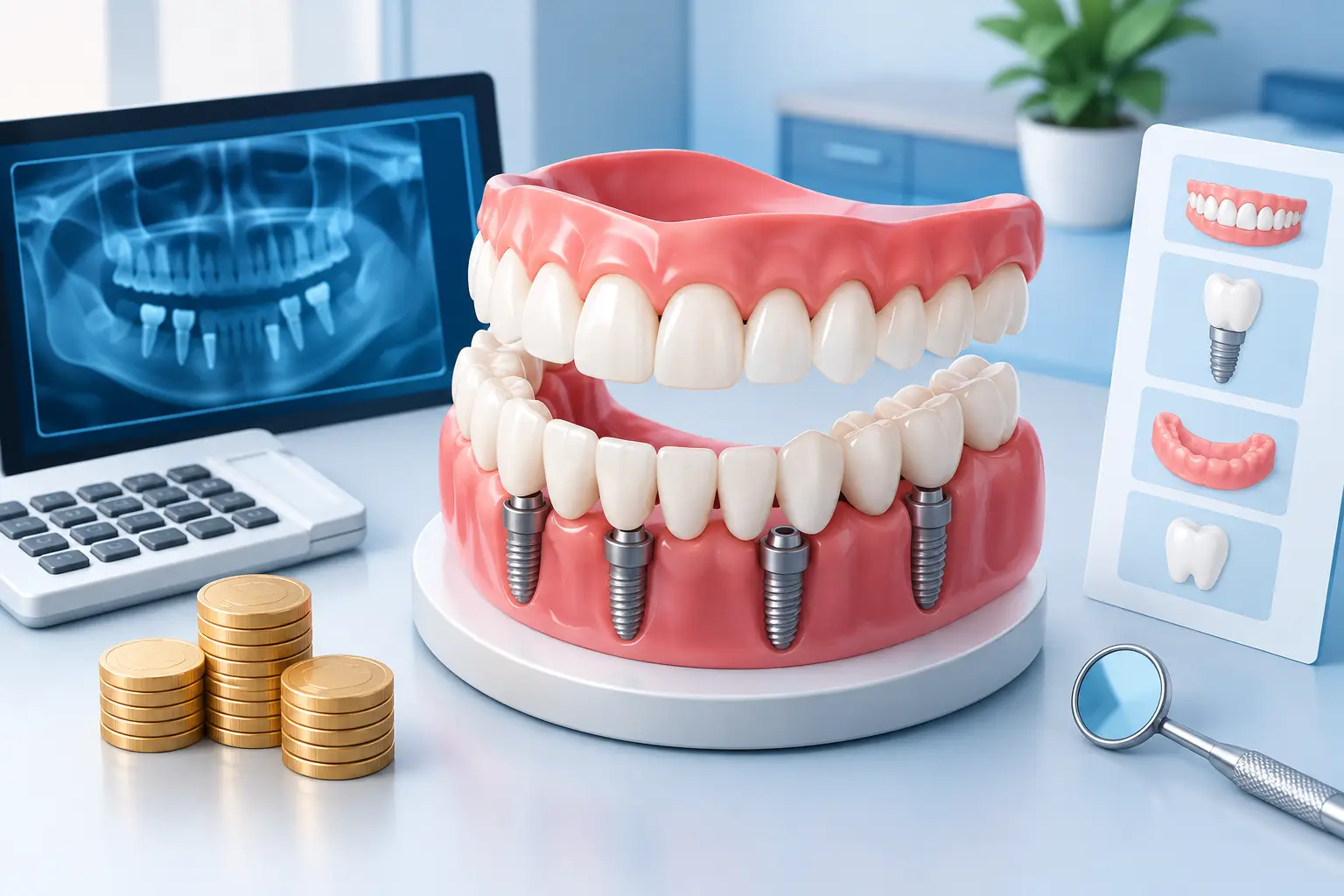
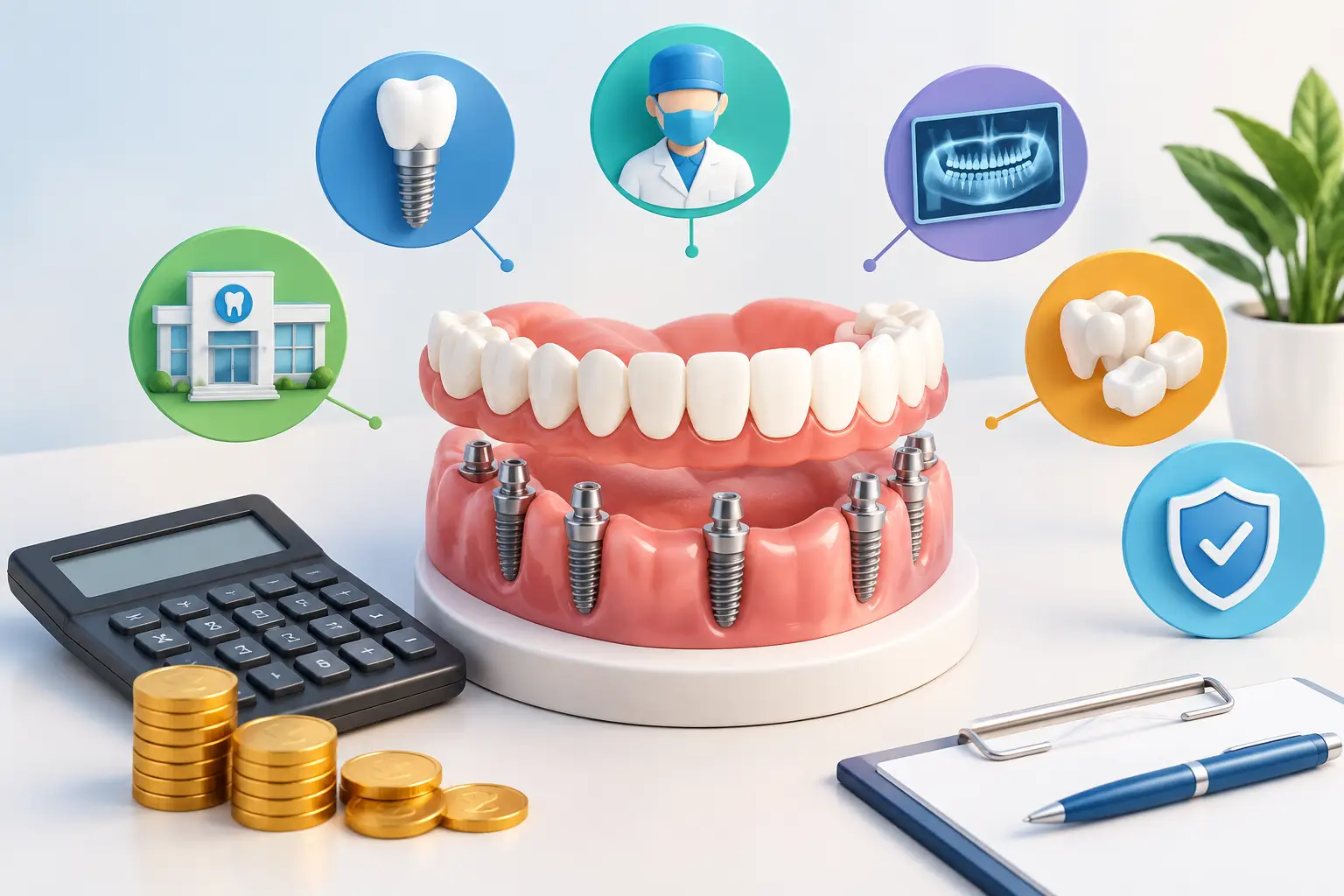
A complete estimate commonly includes diagnostic imaging, records, treatment planning, extractions when needed, implant surgery, temporary teeth, the final implant-supported bridge, follow-up visits, and long-term maintenance guidance. If sedation, bone grafting, gum treatment, or treatment for an infection is necessary, those services may be separate parts of the plan.
For one arch, full arch implant treatment often falls roughly in the $20,000 to $50,000 or more range. A full-mouth restoration can be substantially more. Those broad figures are a starting point, not a quote. The materials chosen, the condition of the jawbone, the complexity of surgery, and whether you need both arches all matter.
Why Full Arch Implant Prices Vary
The number of implants is one factor, but it is not the only one. A full arch may be supported by four, five, six, or more implants depending on your bone quality, bite forces, anatomy, and restorative plan. More implants are not automatically better for every patient. The goal is a stable, predictable foundation designed for your individual needs.
Your starting oral health
Patients who still have damaged or failing teeth may need extractions before implants can be placed. Long-term tooth loss can also lead to bone loss in the jaw. In some cases, bone grafting or other site preparation helps create the support required for implants. Treating gum disease or infection first can protect the health of the final result.
These steps add time and cost, but they should not be viewed as unnecessary detours. They can be essential preparation for a restoration intended to last.
The type of final bridge
The final teeth are a significant part of full arch implants cost. Temporary teeth are generally designed to help you function and smile during healing. Your final bridge is made after your care team confirms that healing, bite, appearance, and speech are progressing as planned.
Final restorations may use acrylic-based materials, porcelain, zirconia, or a combination of materials. Each has different characteristics related to appearance, strength, repairability, weight, and cost. Zirconia, for example, is valued for its durability and natural-looking finish, though it may require a larger investment than some alternatives. Your prosthodontist can explain which option best fits your bite, aesthetic goals, and budget.
Surgical complexity and care coordination
Full arch implant treatment calls for careful coordination between surgical and restorative care. The surgeon places implants with the final teeth in mind. The restorative dentist or prosthodontist plans the shape, fit, bite, and appearance of the teeth so they work comfortably with your facial features and daily habits.
For patients with more complex needs, having an oral surgeon, periodontist, general dentist, and prosthodontist working as a coordinated team can make a meaningful difference. This approach may not be the lowest-cost path on paper, but it reduces guesswork and keeps every phase focused on the same long-term result.
Sedation and comfort needs
Dental anxiety is common, especially for people who have delayed care because of difficult past experiences. Sedation options can make surgical visits more manageable and may be appropriate for certain procedures. Whether sedation is recommended depends on your medical history, treatment complexity, and comfort level. It can also affect the overall estimate.
Full Arch Implants Cost vs. Dentures
Traditional dentures usually cost less upfront than full arch implants. They can be a practical option for many people, particularly when surgery is not appropriate or when budget is the primary concern. However, removable dentures can move during eating and speaking, need periodic relining as the jaw changes, and may limit food choices.
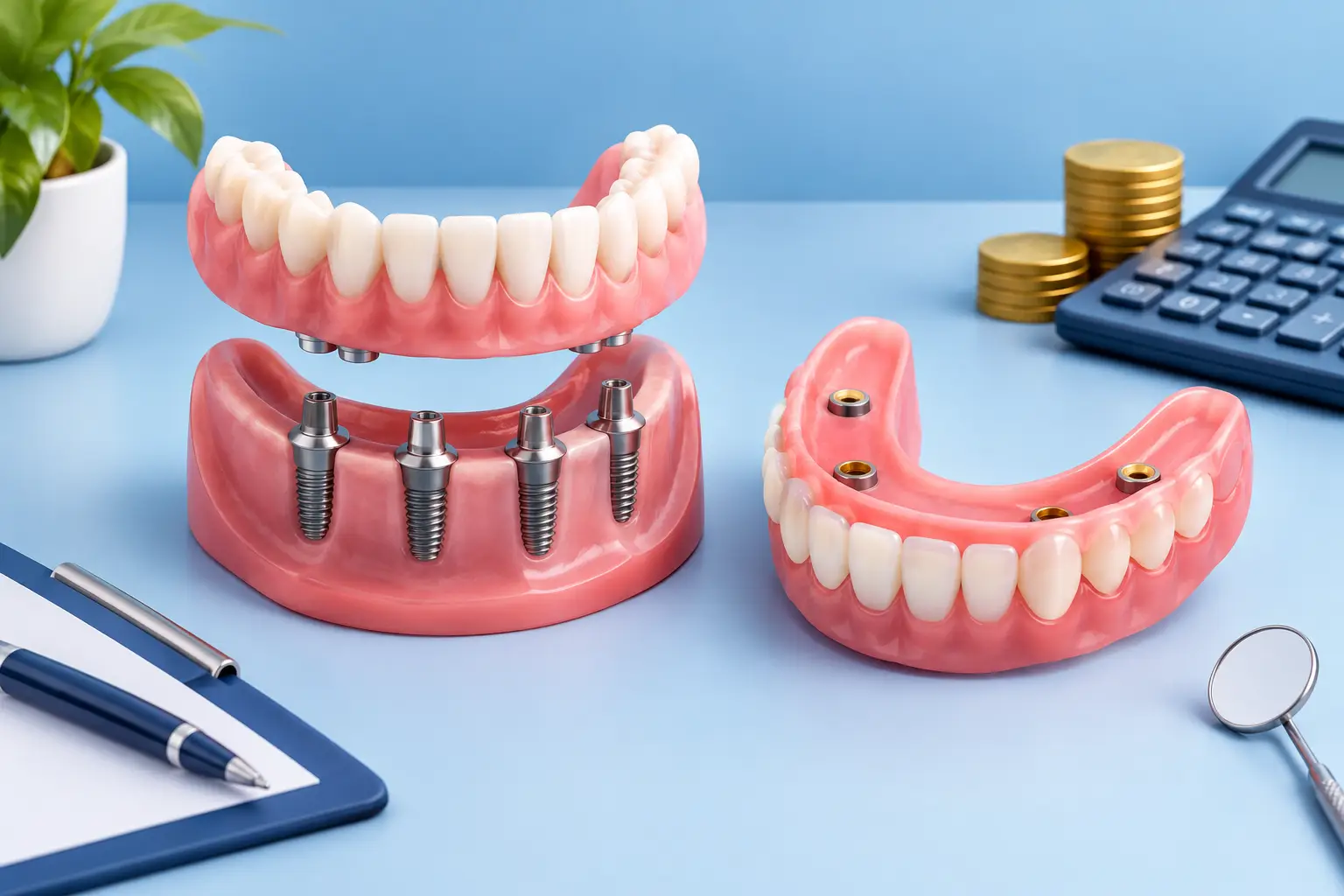
Implant-supported full arches are fixed in place and transfer chewing forces into the jawbone, much like natural tooth roots. Many patients appreciate the stability, stronger chewing ability, and confidence of teeth that do not come out at night. They also value that implants can help preserve jawbone, although they still require excellent hygiene and professional maintenance.
The right comparison is not simply which option costs less today. It is which option fits your health, lifestyle, expectations, and ability to maintain it over time. A candid consultation should include both options when they are clinically appropriate.
Questions to Ask About a Full Arch Implant Estimate
An estimate is easiest to understand when it is detailed. Ask whether it covers diagnostics, extractions, implants, anesthesia or sedation, temporary teeth, final teeth, adjustments, and follow-up visits. You should also ask what happens if a graft, additional implant, or other procedure becomes necessary after planning begins.
It is equally helpful to ask who will perform each phase of treatment and where it will take place. Full arch rehabilitation is a major clinical process, and patients deserve to know how the surgical and restorative teams communicate.
Finally, ask about maintenance. Implant-supported teeth do not get cavities, but the gums and bone around implants can develop inflammation without consistent care. Professional cleanings, home hygiene, periodic examinations, and occasional replacement of wear components are part of protecting your investment.
Planning for Treatment Without Pressure
A consultation should give you information, not pressure. Before recommending treatment, your dental team should evaluate your medical history, existing teeth, gum health, jawbone, bite, and goals. Digital imaging and records help determine whether full arch implants are appropriate and what preparation may be needed.
If you are considering treatment , ask about available payment options and whether phased care is clinically possible. Some patients can address urgent infections or failing teeth first while planning their final restoration. Others may benefit from completing treatment in a more condensed timeline. The safest and most efficient choice depends on your individual situation.
It is wise to be cautious with prices that sound dramatically lower than expected. Lower cost may reflect a different material, fewer visits, limited diagnostics, an exclusion for the final bridge, or care that does not account for future maintenance. A lower quote is not automatically poor care, but it should prompt clear questions about what is and is not included.
A Lasting Smile Starts With a Clear Plan
Full arch implants are a significant investment in comfort, function, appearance, and oral health. The best plan is not necessarily the least expensive one. It is the one that is clinically sound, clearly explained, and designed around the life you want to return to - sharing meals, speaking freely, and smiling without hesitation.
If you are weighing your options, start with a conversation that leaves room for your questions. A clear, personalized evaluation can replace uncertainty with practical next steps and help you decide whether full arch implants are the right path for you.