A loose denture can change far more than a smile. It can make meals stressful, limit conversation, and leave you wondering whether a better-fitting solution is within reach. When comparing snap-in dentures cost, overdenture cost, and implant denture pricing , it helps to look beyond the denture itself. An implant-retained denture is a carefully planned restoration, and its estimate reflects the clinical work needed to make it comfortable, stable, and built for daily life.
What Is Included in Implant Denture Pricing?
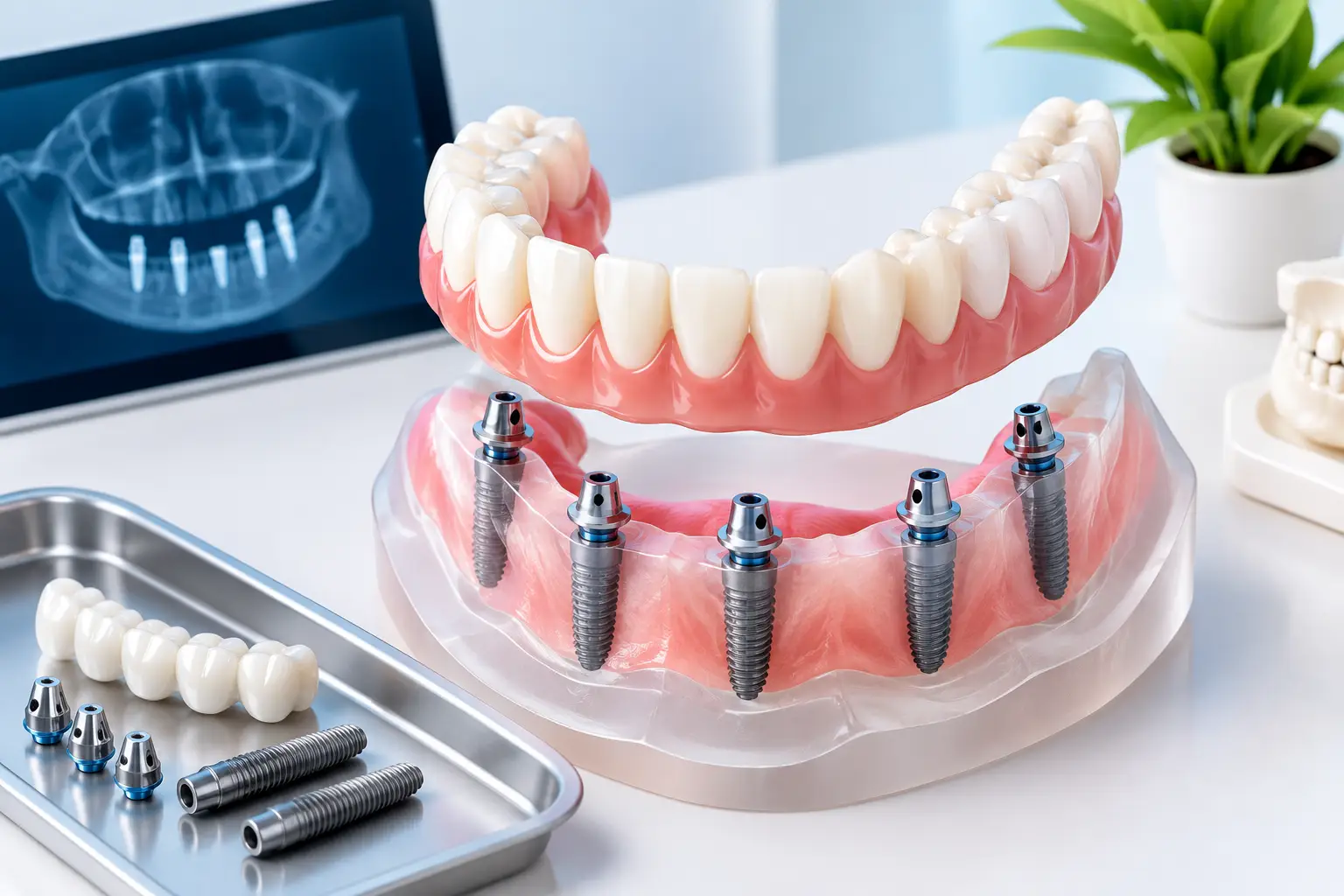
A snap-in denture, also called an overdenture, is a removable denture that attaches to dental implants. The implants act as secure anchors, helping the denture stay in place while you speak and eat. Unlike a traditional denture that rests only on the gums, an implant-retained denture is designed around your jawbone, bite, and facial support needs.
Because every mouth is different, implant denture pricing is not based on a single appliance alone. A complete treatment plan may include diagnostic imaging, the surgical placement of implants, healing time, the final denture, attachment components, adjustments, and follow-up care. Some patients also need preparatory treatment before implants can be placed safely.
At Seattle Oral Care, planning can involve a prosthodontist, oral surgeon, periodontist, and general dentist working together. That coordinated approach helps ensure that the surgical plan and final denture are designed with the same long-term goal in mind.
What Factors Affect the Cost of Implant-Retained Dentures?
The number and location of implants are central factors. Some overdentures are supported by fewer implants, while others require additional support based on the jaw, bite forces, and desired stability. The upper and lower jaws also present different challenges. Upper dentures often need a different design because the bone and palate affect retention and support.
Your oral health at the start of treatment matters as well. If teeth need to be removed, gum disease needs attention, or bone volume needs to be improved, those steps become part of the overall care plan. These treatments are not extras for their own sake. They may be necessary to create a healthy foundation for implants that can last.
The type of denture and attachment system can also affect an overdenture estimate. Some patients prioritize a denture that is easy to remove and clean. Others need greater retention because they have struggled with movement, sore spots, or difficulty chewing. Materials, reinforcement, natural-looking tooth selection, and the complexity of the bite design all influence the final plan.
The Value of Planning and Follow-Up Care
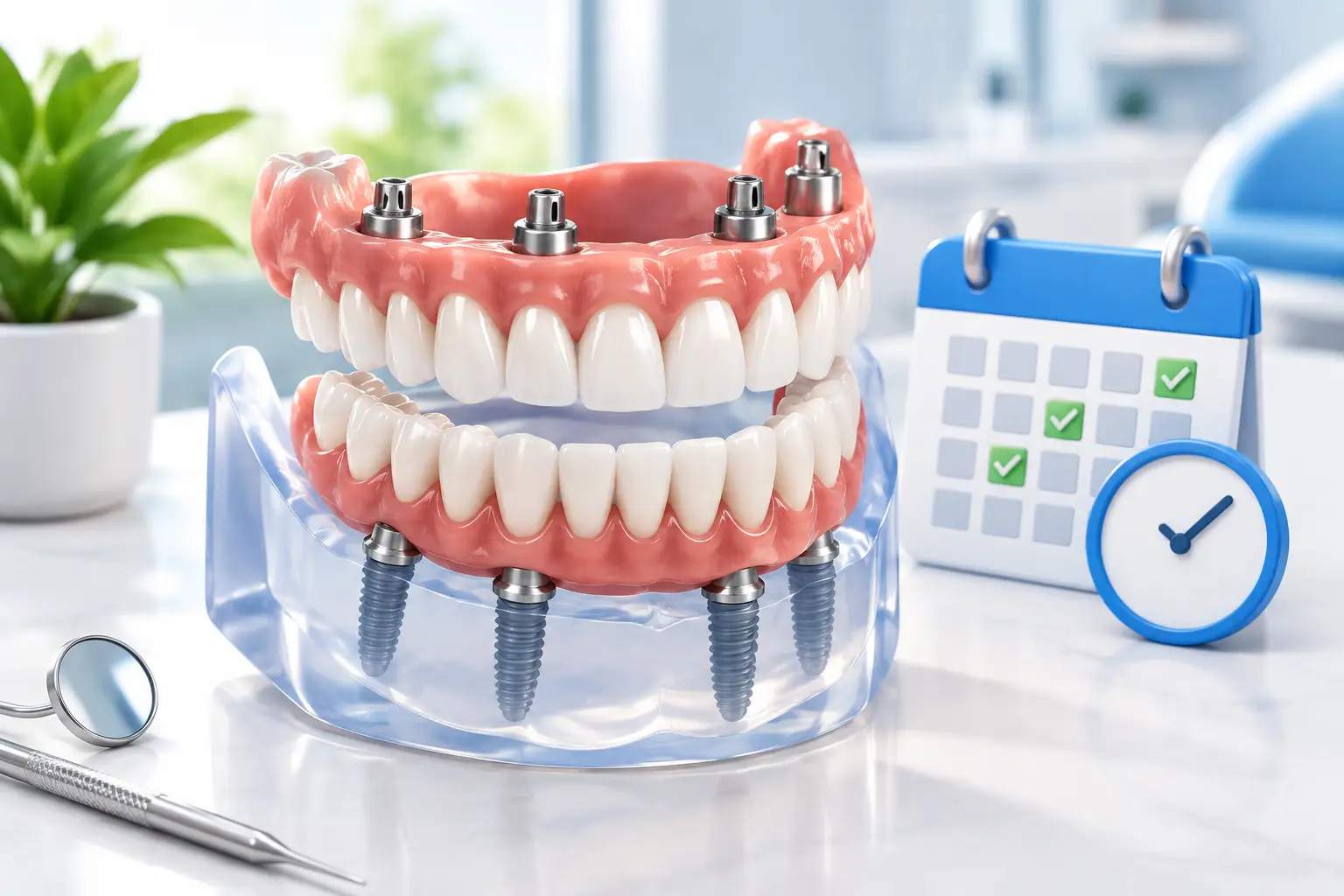
Implant treatment is not a one-day purchase. Careful records, digital imaging, surgical planning, temporary solutions when needed, and precise fitting appointments all support a predictable result. After delivery, periodic maintenance is still part of protecting your investment. Attachments can wear over time, and relines or adjustments may be needed as the mouth changes.
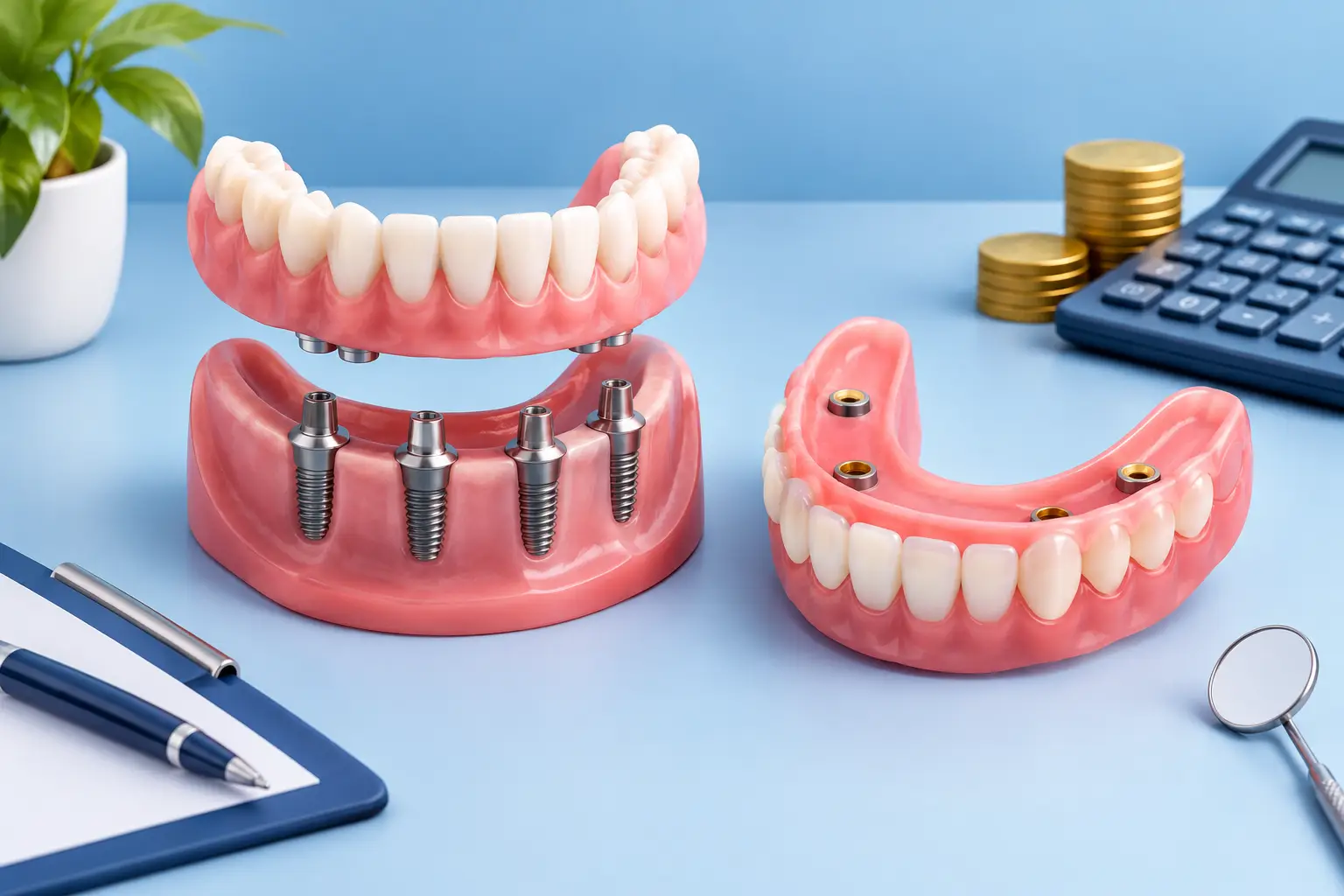
A lower estimate may not include every stage of care, while a more comprehensive estimate may account for the clinical details that help prevent surprises later. The right question is not simply, “Which option costs less?” It is, “What does this plan include, and how well does it address my needs?”
Questions to Ask About an Overdenture Estimate
A clear conversation can make a complex treatment decision feel much more manageable. Ask your dental team:
- What diagnostics, surgical treatment, denture fabrication, and follow-up visits are included in my estimate?
- Do I need extractions, bone grafting, periodontal treatment, or temporary teeth before implants?
- How many implants are recommended, and why is that number appropriate for my bite and bone health?
- What type of attachment system will be used, and what maintenance should I expect over time?
- Who will coordinate my treatment if surgical, periodontal, and restorative care are all needed?
You may also want to ask how the team will address comfort during treatment, especially if dental visits have been difficult in the past. A thoughtful practice should explain each stage in plain language and give you room to make decisions without pressure.
The best overdenture estimate is one you understand. A personal consultation can clarify what your smile needs now, what may be needed later, and how an implant-retained denture can support more confident everyday living.