If you are researching full arch implants on the top or bottom only , single-arch dental implants, or All-on-4 for one jaw, you may be wondering whether the other arch must be treated too. Usually, no. When most teeth are missing or failing on only the upper or lower jaw, it is often possible to restore that one arch while preserving healthy teeth in the opposing jaw. The right answer depends less on a one-size-fits-all rule and more on your bite, bone support, gum health, and long-term goals.
For many people, treating one jaw can restore the ability to eat comfortably, speak clearly, and smile without worrying about loose dentures or damaged teeth. Careful planning matters because your new implant-supported teeth need to work comfortably against the teeth you still have.
Can You Get Full-Arch Implants on Just One Jaw?
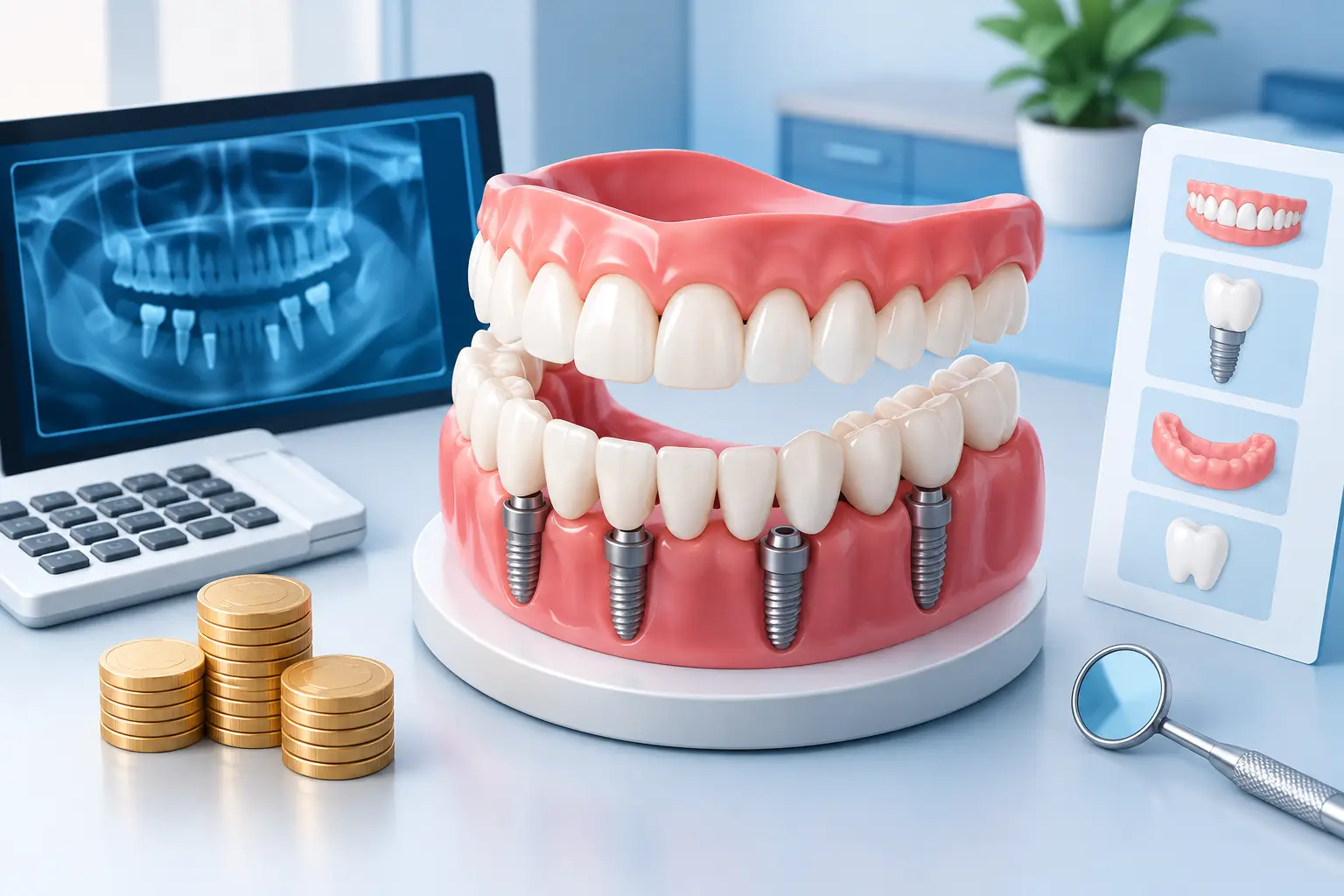
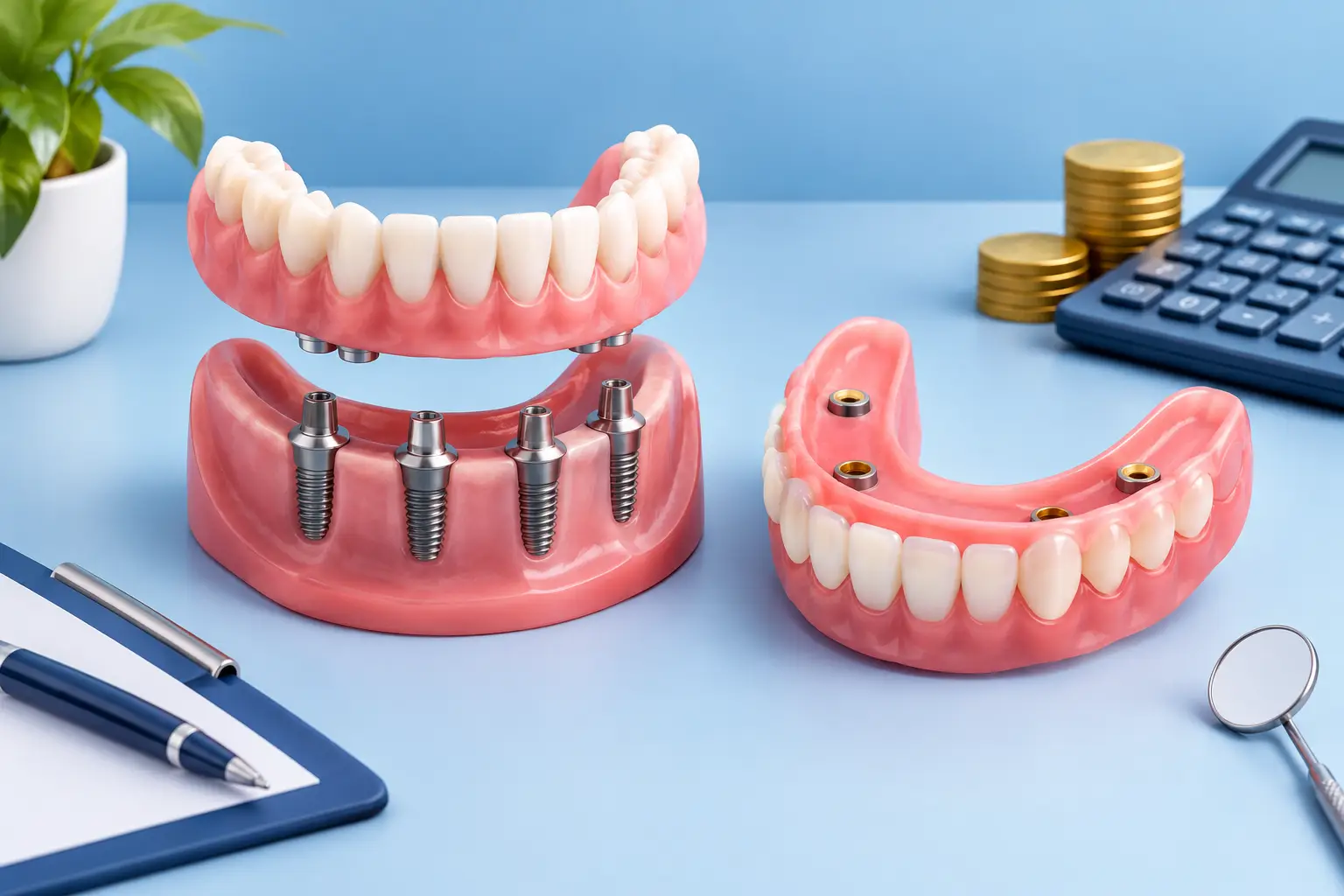
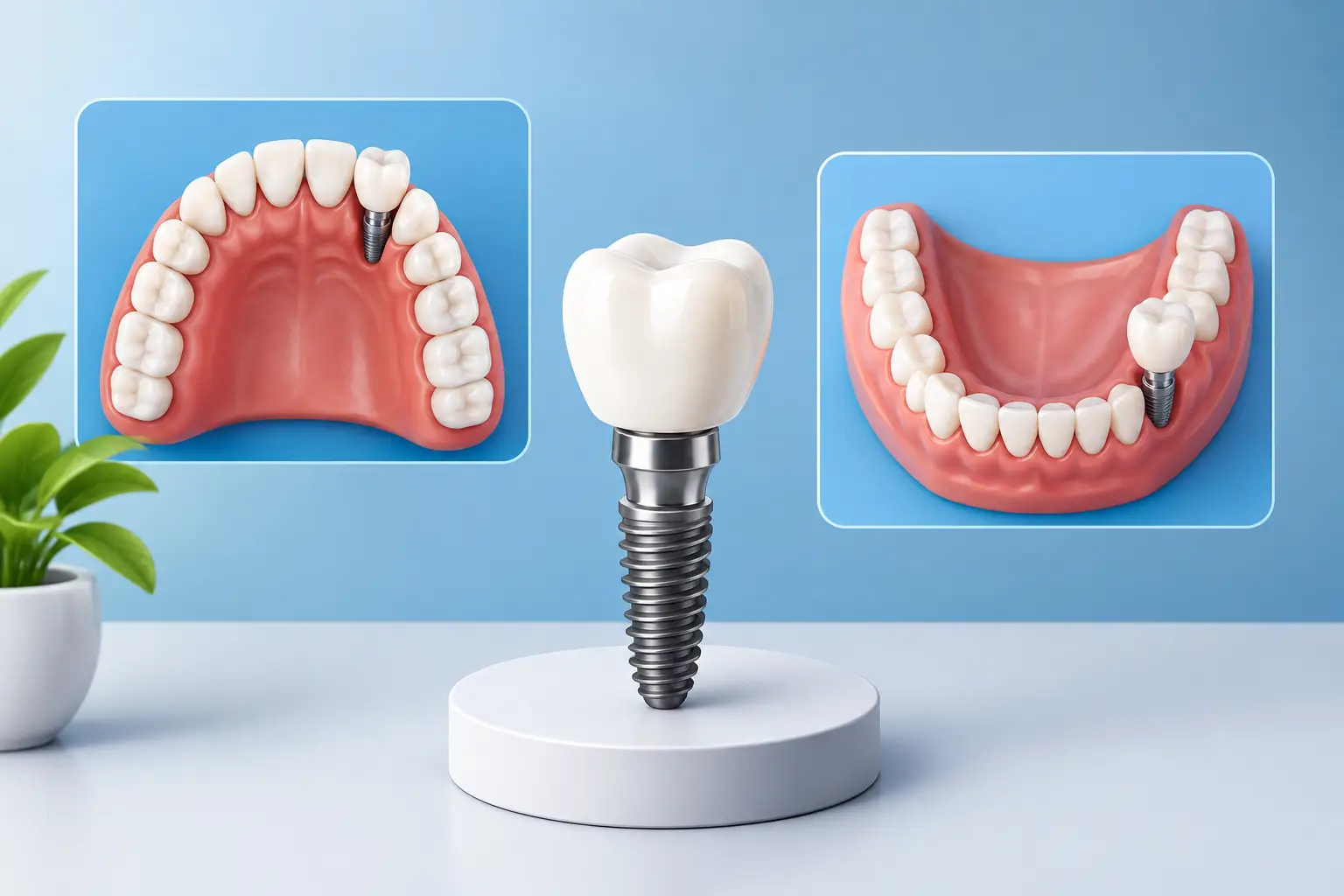
Yes. A full-arch implant restoration can replace an entire upper or lower set of teeth without automatically requiring full-mouth treatment. This is commonly called a single-arch restoration. Depending on your needs, it may involve a fixed bridge supported by several implants, often referred to as All-on-4 or All-on-X, or an implant-supported removable denture.
The key question is not simply, “Are teeth missing on one arch?” It is, “Can the remaining teeth and bite support a stable, healthy result?” If the teeth on the opposite jaw are healthy, reasonably positioned, and have good periodontal support, preserving them is often the most conservative choice.
There are situations, however, where the untreated arch needs attention before or alongside implant treatment. For example, severely worn teeth, advanced gum disease, untreated decay, a collapsed bite, or an unstable denture on the opposing jaw can place excessive force on a new implant bridge. That does not always mean you need implants on both jaws. It may mean the opposing teeth need restorative care, periodontal treatment, or adjustments to create a balanced bite.
How All-on-4 for One Jaw Works
All-on-4 is a treatment concept in which a full fixed bridge is supported by four strategically placed dental implants. The back implants are often angled to make the best use of available bone and potentially avoid additional grafting in appropriate cases. Some patients need more than four implants for the strongest, most predictable foundation, which is why you may also hear the term All-on-X.
For a lower jaw, a fixed implant bridge can be especially life-changing for someone who has struggled with a loose lower denture. The lower jaw generally has denser bone in the front, although each patient’s anatomy is different. A fixed lower bridge can provide more confidence during meals and conversations.
Upper-jaw treatment can be equally transformative, but it requires its own planning. Upper bone is often softer, and the sinus areas may affect implant placement. An upper fixed bridge also changes how the teeth support the lips and how speech feels. The shade, shape, and position of the new teeth should complement the natural teeth below, not simply replace what was lost.
In either arch, implants are placed in the jawbone and allowed to integrate with the bone. In many cases, a temporary fixed bridge can be placed on the day of surgery or shortly afterward. This depends on implant stability, bone quality, bite forces, and the surgical plan. After healing, the temporary teeth are replaced with a final restoration designed for long-term function and appearance.
Why the Opposing Teeth Matter
Natural teeth have a small amount of movement because of the ligament around each root. Implants do not move in the same way. That difference is not a problem when the bite is designed carefully, but it is one reason single-arch implant treatment should never be planned from a quick scan alone.
Your dentist will evaluate how your jaws meet, where you place pressure when chewing, how much your natural teeth have worn down, and whether you clench or grind. A patient with strong, healthy lower teeth and a failing upper arch may be an excellent candidate for upper full-arch implants only. But if those lower teeth are heavily worn from years of grinding, the treatment plan may need to protect both the new bridge and the remaining teeth with restorative care or a night guard.
The same thinking applies when the opposing arch has a partial denture, older crowns, or a few missing back teeth. Sometimes those teeth can remain. Sometimes restoring the chewing surfaces first creates a more stable foundation for the implant bridge. The goal is not to recommend more treatment than you need. It is to avoid building a durable restoration against a bite that could damage it.
When a Single-Arch Approach Is Often a Good Fit
A one-jaw full-arch solution may be appropriate when most teeth on one arch are missing, loose, painful, severely decayed, or beyond predictable repair, while the other arch is healthy and functional. It can also be a thoughtful option for patients who want to phase care over time rather than commit to complete full-mouth reconstruction at once.
Single-arch treatment may be particularly helpful if you are tired of repairing the same failing teeth repeatedly or cannot keep a removable denture stable. Rather than continuing a cycle of extractions, temporary appliances, and emergency visits, a fixed implant-supported bridge can create a more dependable foundation.
That said, implants are not automatically the best answer simply because several teeth are missing. If enough healthy teeth can be saved with predictable treatment, a combination of individual implants, bridges, crowns, or partial dentures may be more appropriate. A good consultation should include an honest discussion of which teeth are maintainable and which are likely to fail in the near future.
What a Careful Consultation Should Include
A single-arch implant plan starts with more than counting missing teeth. Digital imaging and a clinical exam help evaluate bone volume, sinus or nerve location, gum health, infection, and the condition of remaining teeth. Your provider should also review your medical history, medications, smoking or vaping habits, sleep-related clenching, and expectations for a fixed or removable restoration.
At Seattle Oral Care, complex cases can be planned with coordinated input from a prosthodontist, oral surgeon, periodontist, and general dentist. This matters when one arch needs surgical treatment while the other needs careful restorative or periodontal care. Coordinated planning helps keep the treatment focused on the whole bite rather than just the teeth being replaced.
You should also understand what maintenance will involve. A fixed full-arch bridge is not maintenance-free. You will need to clean beneath it daily with the tools recommended by your dental team, attend regular hygiene visits, and return for periodic checks. If you grind your teeth, a protective night guard may be recommended. These habits help protect your investment and the tissues around your implants.
Common Questions About One-Jaw Full-Arch Implants
Will a single implant bridge look different from my natural teeth?
It should be designed to look balanced with them. Your provider can consider the color, shape, tooth length, gum display, lip support, and visibility of your opposing teeth. If natural teeth are significantly stained or worn, you may choose cosmetic or restorative improvements later, but they do not always need treatment first.
Can I eat normally with implants on only the top or bottom?
Most patients can return to a broad, comfortable diet after healing and final restoration. During the early healing period, however, a softer diet is essential to protect the implants and temporary bridge. Long term, very hard foods, ice, and non-food items should still be avoided because they can chip restorations or overload the implant system.
Do I need bone grafting?
It depends on your bone volume and the implant positions needed for a stable restoration. All-on-4-style planning can reduce the need for grafting in some cases, particularly by using available bone strategically. It does not eliminate the need for grafting for every patient.
Is one-jaw treatment less expensive than treating both arches?
Treating one arch is generally less extensive than restoring both, but the cost depends on extractions, bone grafting, sedation, temporary teeth, the number of implants, and the final bridge material. A written treatment plan should clearly explain what is included and what future maintenance may involve.
If you are missing most of your teeth on only one jaw, you do not have to assume both arches need implants. The most reassuring next step is a thorough evaluation that respects the healthy teeth you still have while creating a plan for the ones that can no longer be saved.