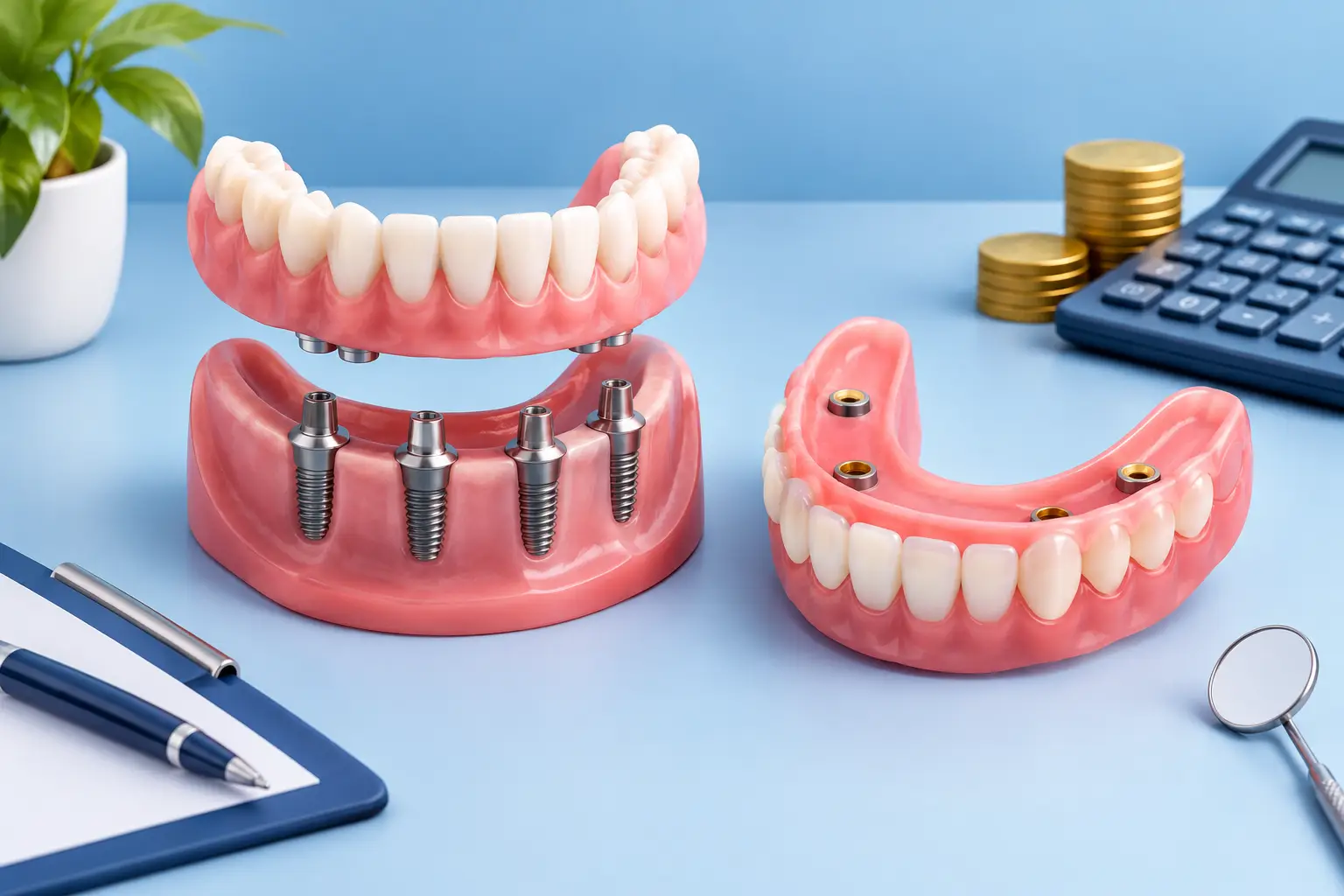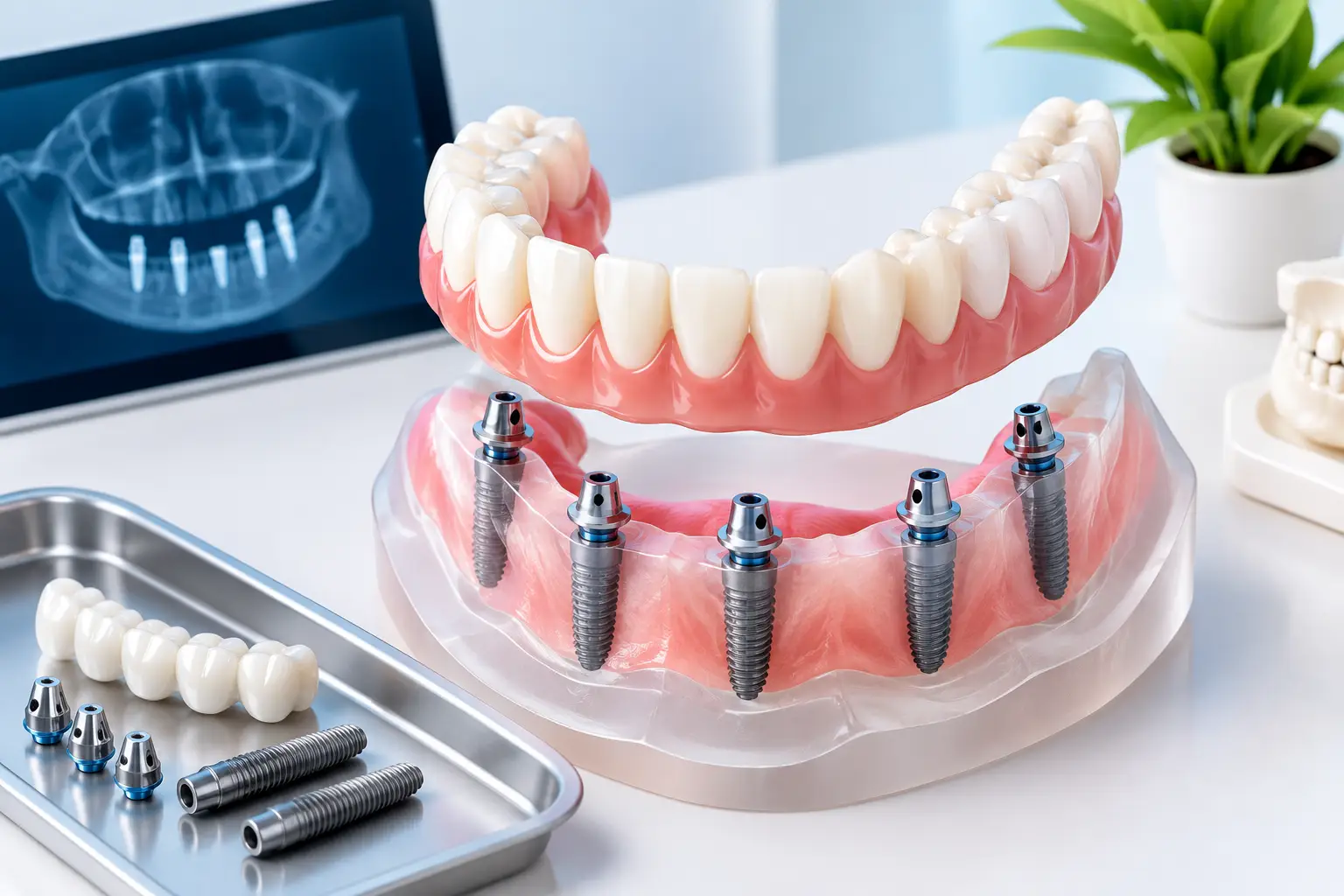
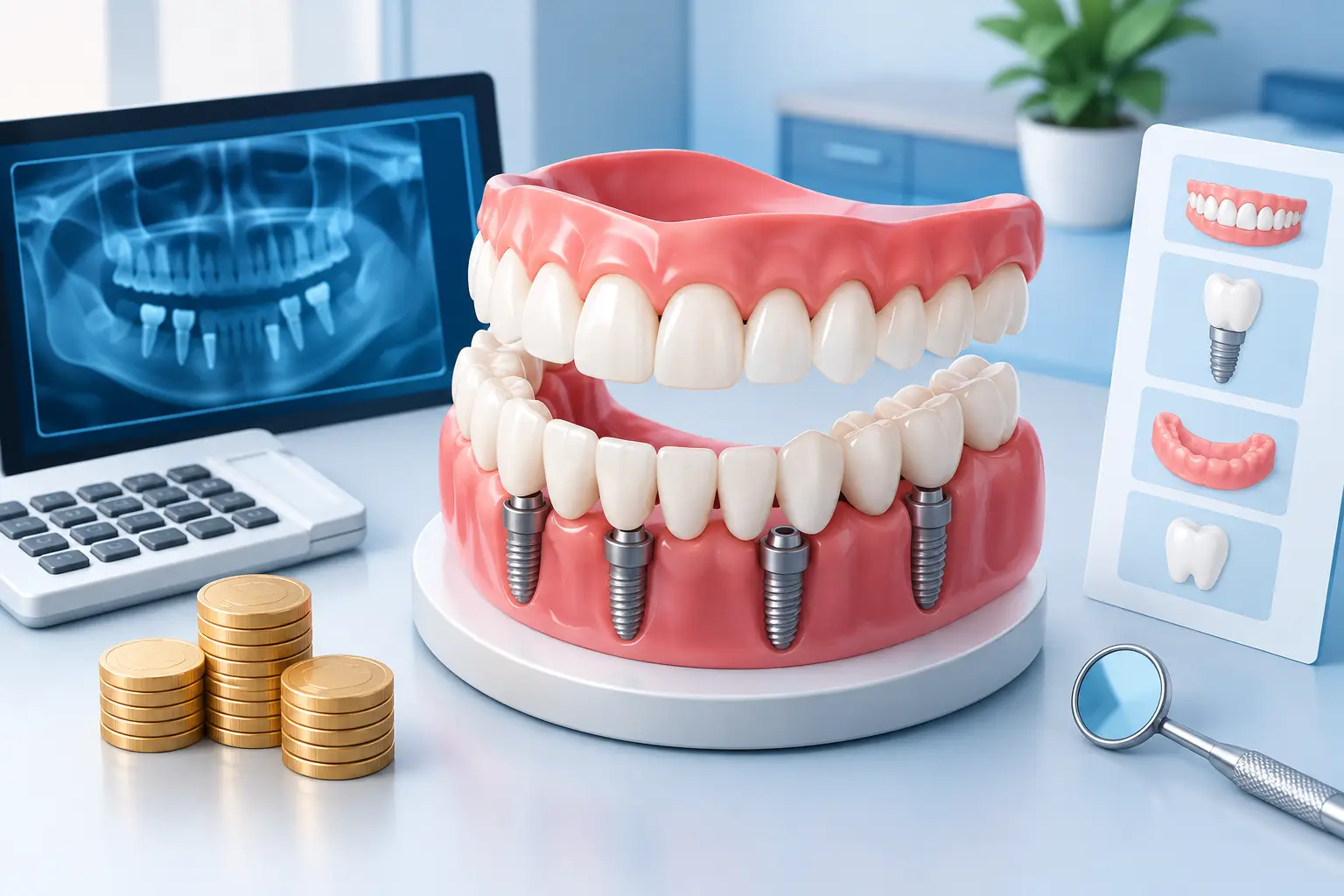
A full mouth reconstruction is not one procedure with one price. It is a carefully sequenced plan to restore the health, function, comfort, and appearance of your smile. That is why full mouth reconstruction cost can vary widely from person to person - and why a clear diagnosis comes before a meaningful estimate.
For someone living with missing teeth, painful chewing, worn-down enamel, failing crowns, or dentures that no longer feel secure, the goal is bigger than improving a smile. The right treatment plan can make meals easier, protect remaining teeth, support jaw function, and help you feel comfortable speaking and laughing again.
What Is the Typical Full Mouth Reconstruction Cost?
Most full mouth reconstruction plans range from about $15,000 to $80,000 or more. A more limited reconstruction that focuses on several damaged teeth may fall toward the lower end. A plan involving implants, bone grafting, periodontal treatment, and fixed restorations across both arches can be considerably higher.
That range can feel broad, but it reflects the reality of complex dental care. Two people may both say they need a "full mouth" restoration while needing very different treatment. One may need crowns to rebuild teeth affected by grinding and erosion. Another may have advanced tooth loss and need implant-supported bridges or full-arch teeth.
A trustworthy estimate should explain what is included, why each recommendation is being made, and what may be optional. It should not pressure you into a one-size-fits-all solution.
What Determines the Cost of Full Mouth Reconstruction?
The total reflects the condition of your teeth, gums, bone, bite, and jaw joints, as well as the type and number of restorations needed. The quality of planning and the expertise involved also matter, especially when treatment affects your bite, speech, facial support, and long-term oral health.
The Type of Restorative Work You Need
Crowns, bridges, dentures, veneers, fillings, root canal treatment, and implants all have different costs. A crown may be recommended when a natural tooth can be preserved and strengthened. When a tooth is missing or cannot be saved, an implant and crown may be a more durable option.
Dental implants typically cost more upfront than a removable option because they involve a surgical procedure, healing time, a custom restoration, and ongoing care. Their ability to support the jawbone and provide stable chewing can make them a valuable long-term choice for many patients. Still, implants are not automatically the best answer for every tooth or every budget.
How Many Teeth Are Being Treated
The number of teeth is an obvious cost factor, but it is not the only one. Restoring several teeth in one area can require careful bite planning so the final restorations work together. Rebuilding both arches often takes more appointments, lab work, and clinical coordination than replacing a single tooth.
In some cases, treating the teeth that are most damaged first is appropriate. In others, completing treatment in phases could create avoidable complications or make the final result less predictable. Your dentist should help you understand that trade-off before you decide.
Gum Health and Bone Support
Healthy gums and adequate bone are the foundation for successful restorative dentistry. If periodontal disease is present, it may need treatment before crowns, bridges, or implants are placed. Patients considering implants may also need bone grafting or sinus augmentation to create stable support.
These steps add to the initial investment, but they are not unnecessary extras. Placing beautiful restorations over untreated gum disease or unstable bone can put the entire result at risk.
Your Bite and Existing Dental Work
A full mouth reconstruction often includes correcting how the upper and lower teeth meet. Bite problems can contribute to broken restorations, tooth sensitivity, jaw discomfort, and accelerated wear. A patient who clenches or grinds may also need a protective nightguard after treatment.
Existing crowns, bridges, implants, or dentures can affect planning too. Some can be incorporated into the final plan, while others may need replacement if they no longer fit, function, or support healthy tissue.
Materials, Laboratory Work, and Specialist Care
Custom restorations are designed to look natural while standing up to the demands of daily chewing. Material choices may include porcelain, ceramic, zirconia, or other options selected for strength, appearance, and the location in the mouth.
Complex reconstruction can also involve several dental professionals. A prosthodontist may lead restorative and bite planning, while an oral surgeon places implants and a periodontist treats gum or bone concerns. Coordinated care can add clinical depth to a case, while helping avoid the confusion of managing separate treatment plans from multiple offices.
What May Be Included in Your Treatment Estimate?
A comprehensive estimate can include diagnostic records, imaging, temporary restorations, surgical procedures, dental implants, final crowns or bridges, dentures, periodontal treatment, and follow-up visits. It may also account for sedation when appropriate, especially for patients who feel anxious about dental treatment.
Ask whether the estimate includes the provisional phase. Temporary teeth are often more than a cosmetic placeholder. They can help your care team test the appearance, bite, speech, and comfort of a proposed restoration before the final teeth are made.
It is also reasonable to ask about maintenance. Implants and restorations require routine exams, professional cleanings, and home care. A reconstruction is designed to last, but no dental work is maintenance-free. Protecting your investment means keeping regular preventive visits and addressing small concerns early.
Insurance and Financing Considerations
Dental insurance may contribute to portions of treatment that are considered medically necessary, such as exams, periodontal care, extractions, or certain crowns. It often has annual maximums and may not cover elective cosmetic changes or every implant-related service. Coverage varies significantly by plan, so benefits should be reviewed before treatment begins.
For a larger plan, phased care can sometimes make the investment more manageable. Financing options may also be available through a dental practice or third-party lender. The best financial path is one that allows you to receive clinically appropriate care without rushing into a plan you do not fully understand.
Be cautious about choosing solely on the lowest advertised price. An estimate that seems dramatically lower may not include imaging, grafting, temporary teeth, the final restoration, or follow-up care. It may also use different materials or a different level of planning. Comparing estimates is worthwhile, but compare the full scope of care, not just the total at the bottom of the page.
How to Get a Clear, Personalized Estimate
The first step is a thorough consultation . Your dental team should listen to what is bothering you, whether that is pain, loose teeth, difficulty eating, embarrassment about your smile, or fear after a past dental experience. From there, they can examine your teeth and gums, take the necessary images, assess your bite, and discuss realistic treatment options.
A strong consultation should leave you with answers to practical questions: Which teeth can be saved? What happens if treatment is delayed? Are implants, bridges, or dentures appropriate? Can care be completed in stages? How long will each phase take? What will you need to do to maintain the result?
At Seattle Oral Care, complex cases can be planned with restorative, surgical, and periodontal perspectives in one coordinated setting. That approach helps patients understand not only the cost of treatment, but the reasoning behind each recommendation and the long-term goals for their oral health.
A Lasting Result Starts With the Right Plan
Full mouth reconstruction is a meaningful investment, and it deserves careful planning rather than a quick quote. If you have been putting off care because the process feels overwhelming, begin with a conversation. A compassionate, thorough evaluation can replace uncertainty with a clear path toward comfortable function, healthier teeth and gums, and a smile you can rely on.