A filling can look perfectly ordinary and still be nearing the end of its useful life. Tiny gaps at the edge of a restoration may let bacteria reach the tooth underneath long before you feel pain. This guide to replacing old fillings can help you understand what your dentist is looking for, when treatment is truly needed, and how a timely replacement can protect more of your natural tooth.
The goal is not to replace every older filling on a schedule. Many fillings last for years, sometimes decades, with good home care and regular dental visits. The right time to act depends on the condition of the filling, the tooth around it, your bite, and whether decay or cracks have begun to develop.
When Should You Replace an Old Filling?
Age alone does not determine whether a filling needs replacement. Composite resin fillings, amalgam fillings, and other restorations all wear differently. A dentist evaluates the seal between the filling and tooth, the amount of healthy tooth structure remaining, signs of decay, and changes that may not be visible without X-rays.
You may notice sensitivity to cold, sweets, or pressure when a filling is no longer sealing well. Food getting caught in the same spot, a rough edge that catches floss, or a filling that feels loose can also be warning signs. Sometimes a tooth develops a darker area, a visible crack, or a small piece of filling breaks away.
Just as often, there are no noticeable symptoms. Decay beneath or around an old filling can progress quietly. That is why preventive exams and X-rays matter: they allow your dental team to find concerns while a conservative repair may still be possible.
Signs That Deserve a Dental Visit
Call your dentist if you have a sudden change in how a tooth feels when you bite, persistent sensitivity, swelling, or pain that wakes you up. These symptoms do not always mean a filling needs replacement, but they do deserve a careful evaluation. A cracked tooth, cavity, bite imbalance, or irritated nerve can cause similar discomfort.
If a filling falls out or breaks, do not wait for the tooth to become painful. The exposed area can be more vulnerable to sensitivity, further fracture, and bacterial buildup. Until you are seen, keep the area clean, avoid chewing hard foods on that side, and use a sensitivity toothpaste if cold temperatures bother the tooth.
Why Old Fillings Can Fail
Every time you chew, a filling and the natural tooth around it absorb force. Over time, the restoration can wear down, chip, or pull slightly away from the tooth. This is especially common in back teeth, where chewing pressure is strongest, and in people who clench or grind their teeth.
The tooth itself can also change. Natural enamel may crack at the edge of a large filling, and recurrent decay can develop where bacteria collect along a worn or leaking margin. A filling may look acceptable from above while a cavity is forming below the contact point between teeth.
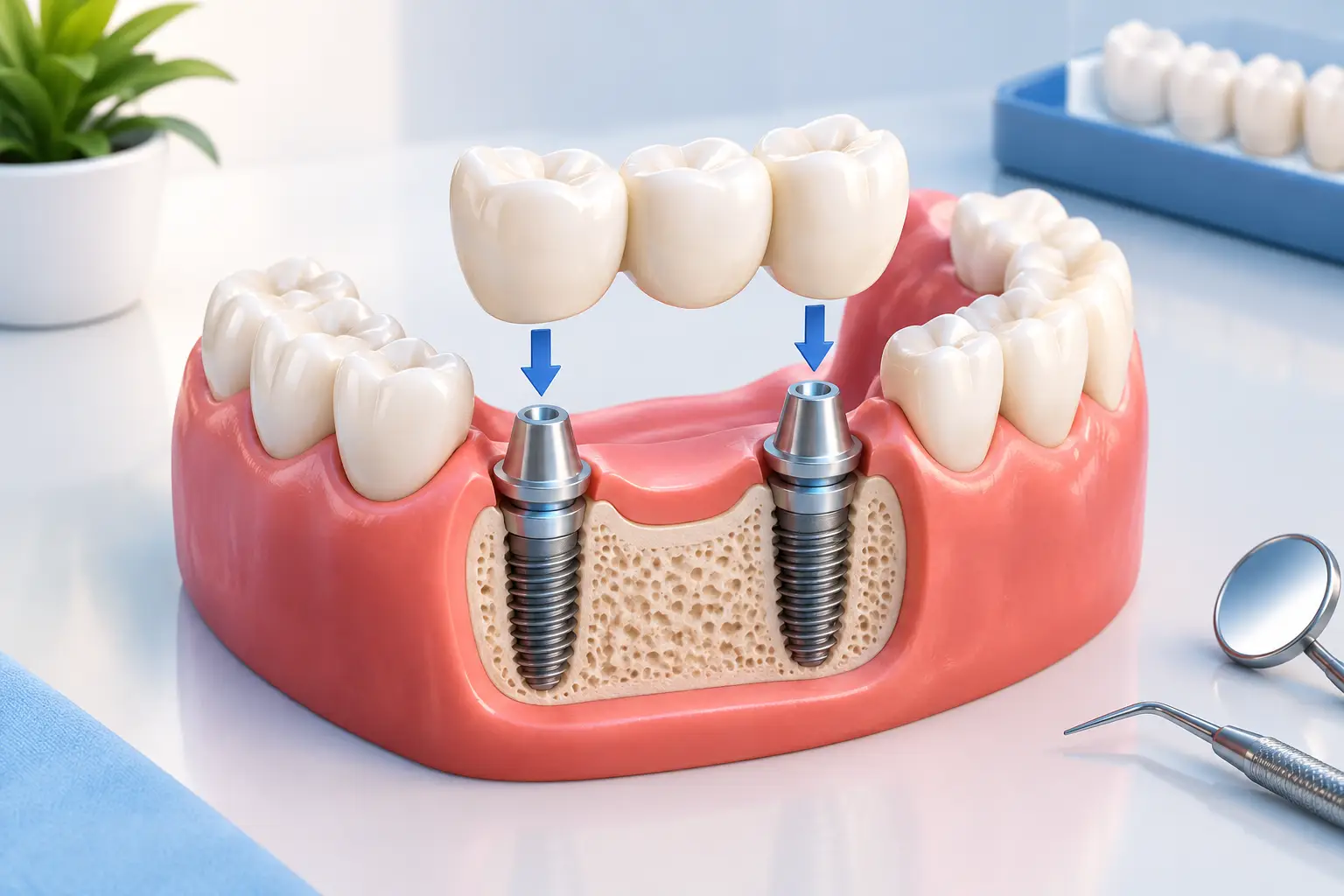
Large fillings require particular attention. When a restoration takes up a significant portion of a tooth, the remaining walls can become more likely to fracture. In those situations, simply placing another large filling may not offer the best long-term protection. An onlay or crown may be recommended to support the weakened tooth. That does not mean every large filling needs a crown, but it is a conversation worth having before a fracture turns into a more complex problem.
What Happens During Filling Replacement?
Replacing a filling is usually straightforward, and your comfort remains a priority throughout the visit. Your dentist begins by examining the tooth and reviewing any needed X-rays. They will explain whether the concern is a worn restoration, a crack, new decay, or another issue entirely.
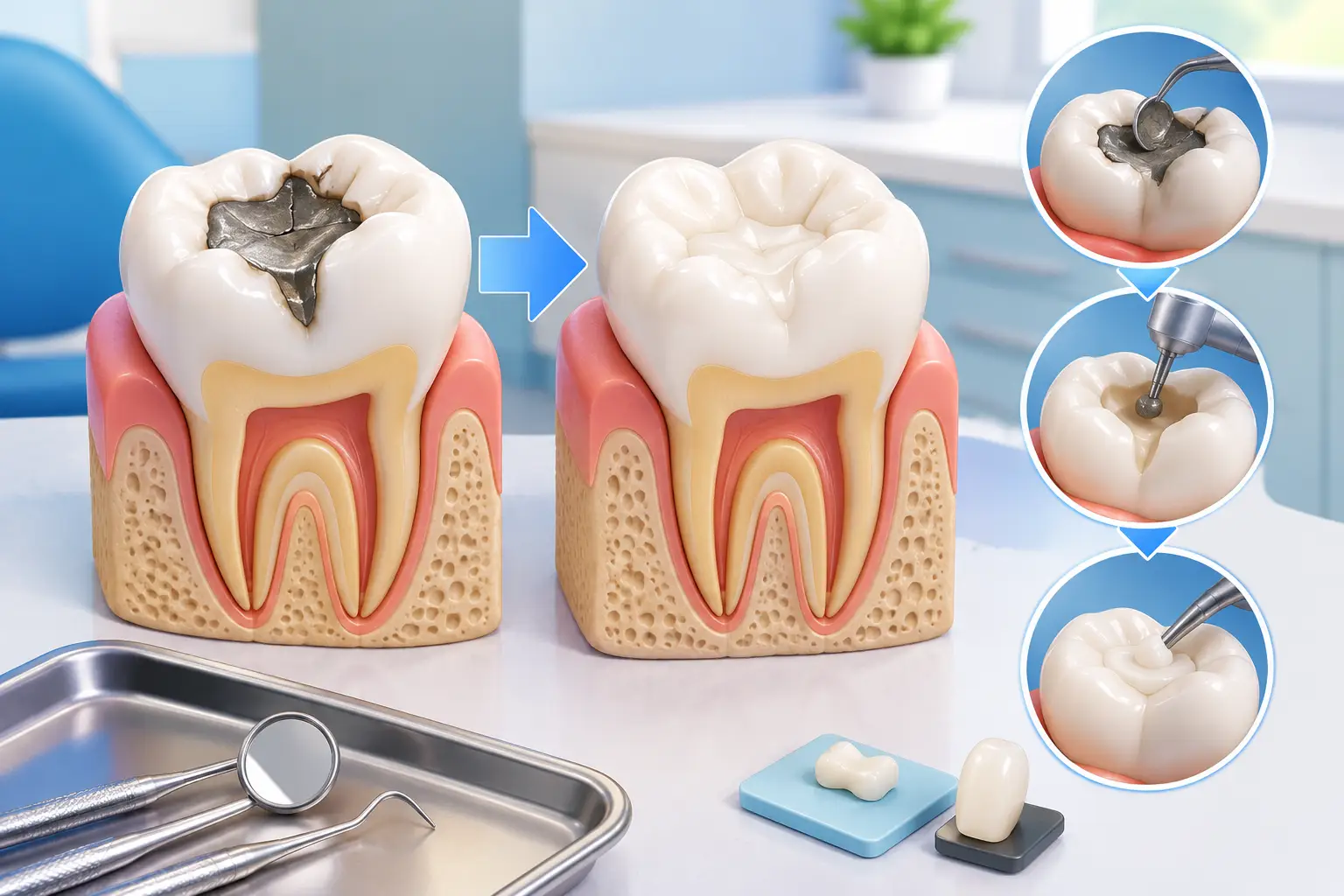
After the tooth is fully numb, the old filling and any decay are carefully removed. The dentist then cleans and prepares the area before placing the new restoration. For a tooth-colored composite filling, the material is added in layers, shaped to fit your bite, and hardened with a curing light. The final step is checking that the tooth feels comfortable when you close and chew.
The length of the appointment depends on the size and location of the filling, as well as whether the tooth needs additional treatment. A small replacement may be completed in one visit. If decay is extensive or the tooth is cracked, your dentist may recommend a different restoration or discuss whether the nerve inside the tooth has been affected.
Choosing the Right Replacement Material
Tooth-colored composite is a common choice because it blends naturally with surrounding teeth and bonds directly to enamel. It can be an excellent option for many small to moderate restorations, especially in visible areas. It is not automatically the right answer for every tooth, however.
For larger areas of damage, a custom ceramic inlay or onlay can provide added strength and wear resistance. A crown may be the more durable option when a tooth has a deep crack, very little healthy structure remaining, or a large existing filling that no longer supports the tooth well. The best material depends on the tooth's location, the forces placed on it, your bite, and your long-term goals.
Some patients ask whether older silver-colored amalgam fillings should be replaced simply because of their appearance. If an amalgam filling is intact, functional, and the surrounding tooth is healthy, replacement may not be necessary. Replacing it becomes more appropriate when there is decay, fracture, leakage, significant wear, or a cosmetic concern you would like to address. A thorough exam gives you a clear basis for deciding rather than making a change based on age alone.
How to Protect a New Filling
A new filling needs the same daily attention as the rest of your smile. Brush twice a day with fluoride toothpaste, clean between your teeth daily, and keep up with professional exams and cleanings. Decay can still form around a filling, particularly where plaque collects along the gumline or between teeth.
Your bite matters, too. If you wake with jaw soreness, experience frequent headaches, or see chips along your teeth, you may be clenching or grinding. A custom night guard can help protect fillings, crowns, and natural enamel from excessive force. Your dentist can also check whether a filling is hitting too heavily when you bite, since even a small adjustment can make a meaningful difference in comfort.
Diet is part of the picture. Frequent sipping of sweet drinks, grazing on sugary snacks, and acidic beverages can raise the risk of recurrent decay. You do not need a perfect diet to care for your teeth, but reducing how often teeth are exposed to sugar and acid can help restorations last longer.
A Thoughtful Plan Can Save More of Your Tooth
Dental treatment is most successful when it is based on what your tooth needs now and what will help it stay healthy years from now. A careful examination can distinguish a filling that simply looks old from one that is placing the tooth at risk. It can also prevent a small repair from becoming a larger restoration later.
If an old filling has started to feel different, or if it has been a while since your last dental exam , a calm, detailed evaluation is a good next step. You deserve clear answers, gentle care, and a treatment plan that protects your smile without recommending more than you need.