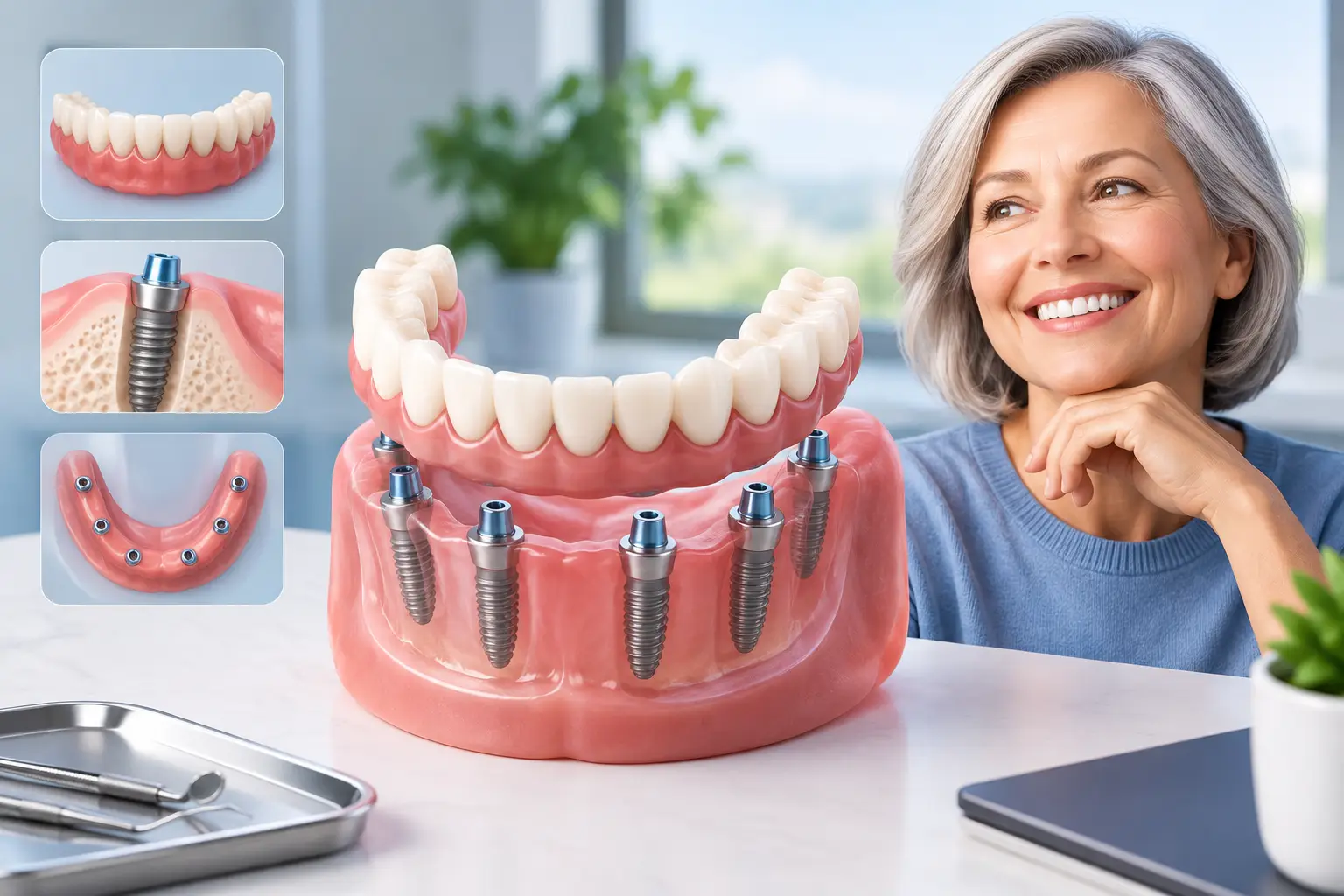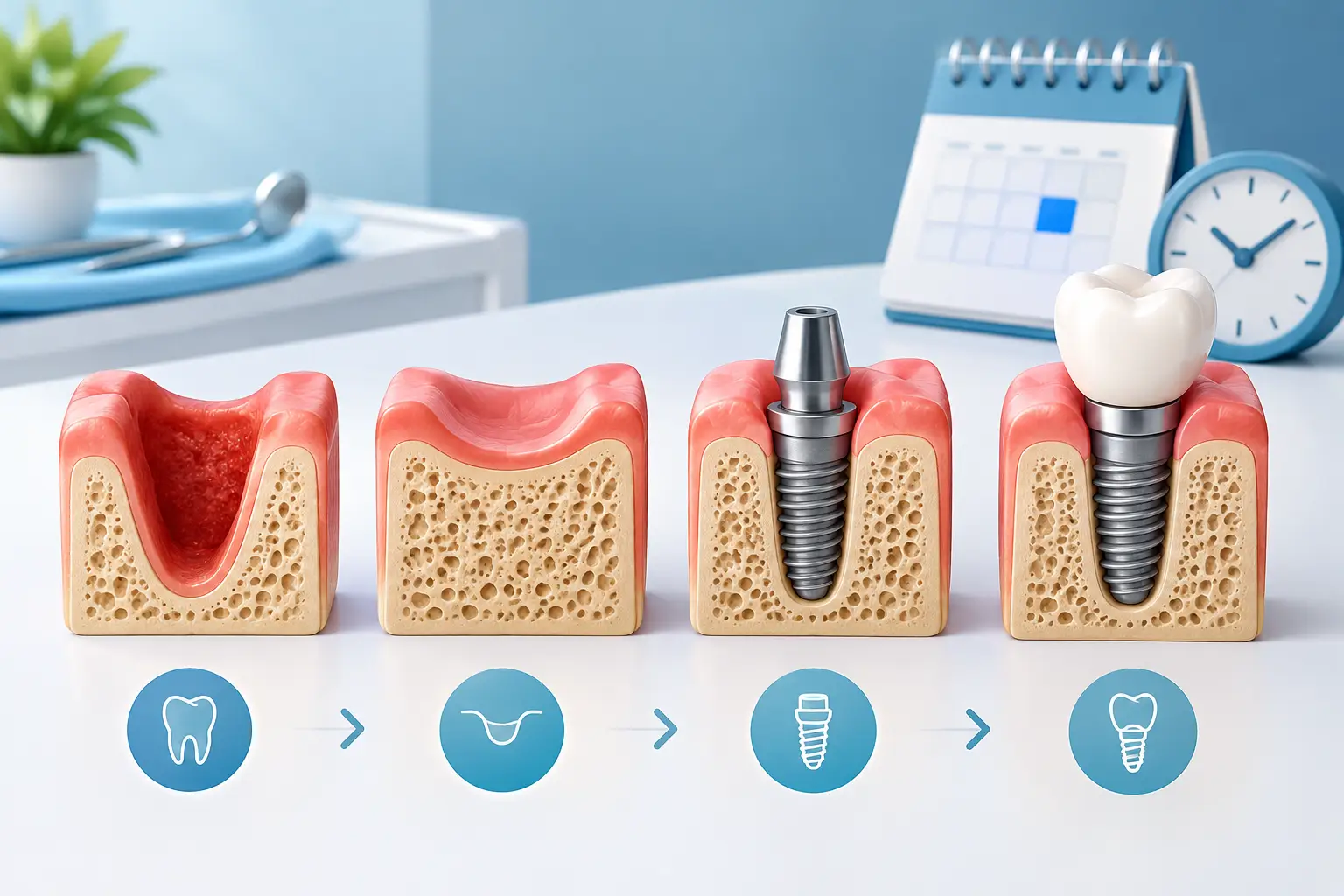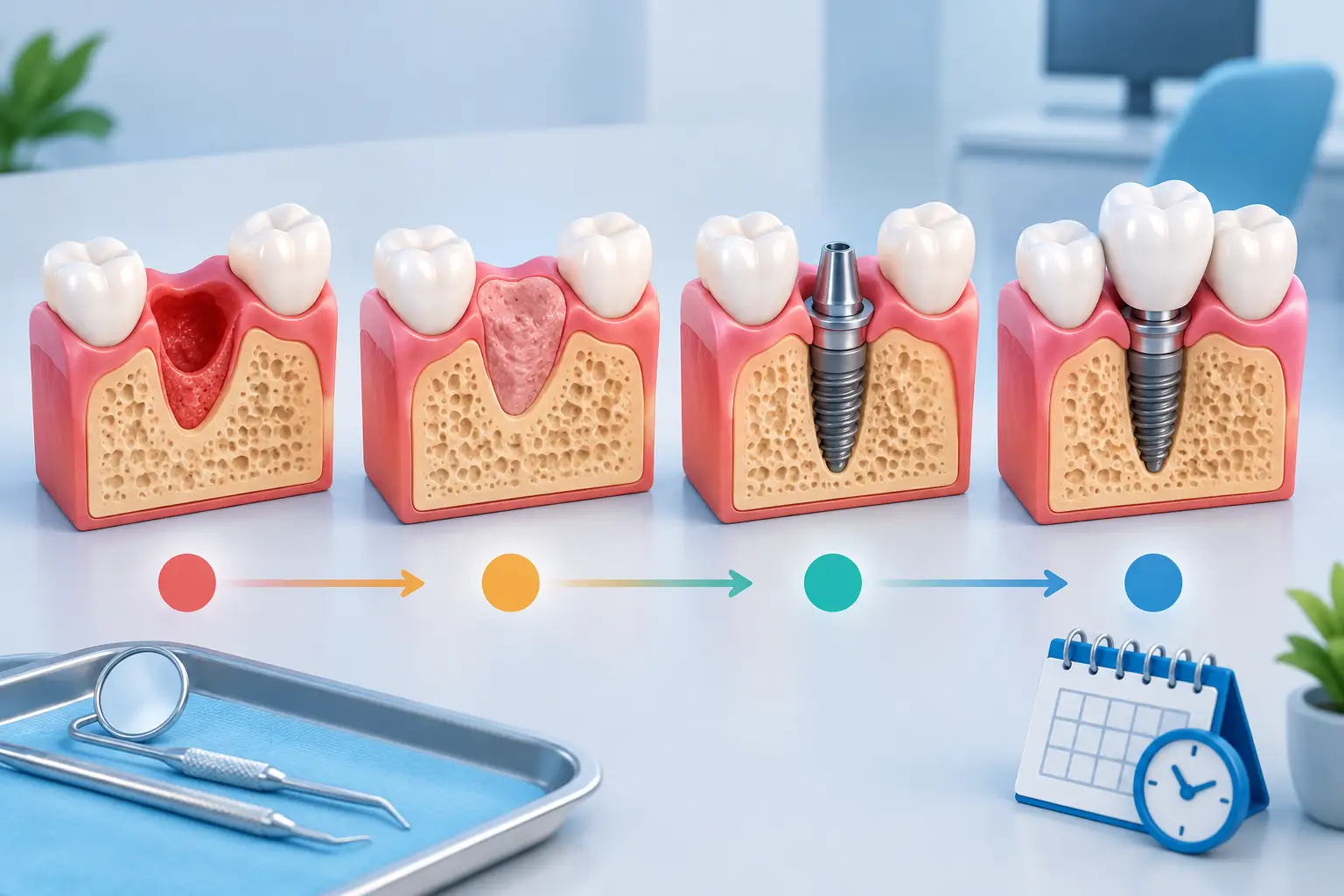
An implant may be small, but the planning behind it should be anything but casual. If you are a research-minded patient comparing how different practices plan implant placement, terms such as guided implant surgery, computer guided implants, and a surgical guide for implants can sound interchangeable. They are related, but they do not automatically mean every practice is taking the same diagnostic steps or providing the same level of coordinated care.
For many patients, the reassuring part is not simply hearing that a provider uses advanced technology. It is understanding how that technology is used, who is involved in the planning, and how the final crown, bridge, or denture affects the surgical plan from the beginning.
What Guided Implant Surgery Actually Means
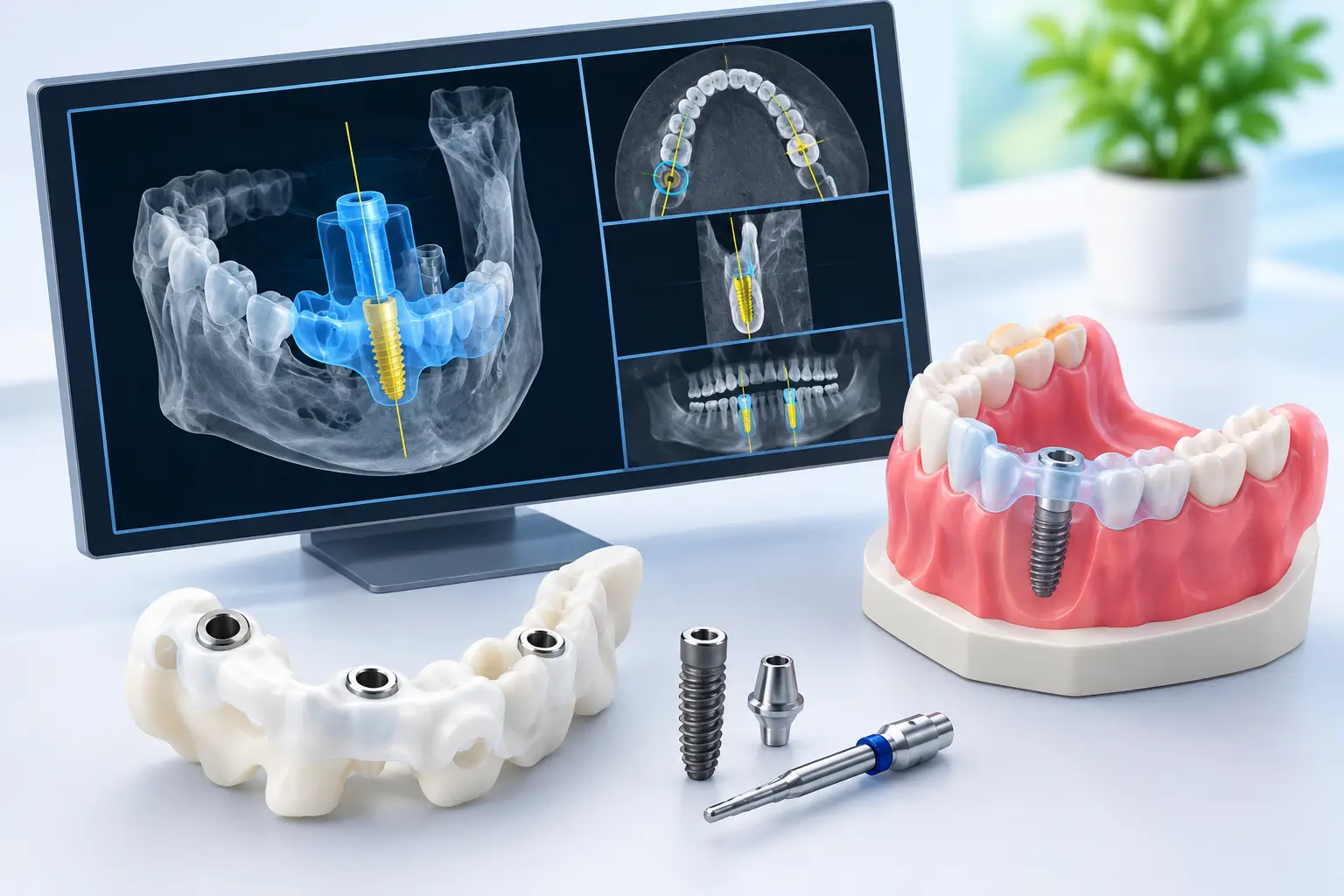
Guided implant surgery uses digital planning to help a clinician position an implant according to a treatment plan developed before surgery. The process commonly combines a 3D cone beam CT scan with digital impressions or scans of your teeth, gums, and planned restoration. This allows the care team to review the jawbone, nearby nerves, sinus spaces, bite, and the space needed for the replacement tooth.
When a surgical guide is used, it is a custom-made template that rests on teeth, gums, or bone. It includes precisely positioned openings that help guide the implant drill and, in some cases, the implant itself. Think of it as one part of a larger plan, rather than the plan on its own.
Computer guided implants can support a more controlled approach to angle, depth, and location. That can be particularly helpful when space is limited, anatomy is complex, multiple teeth are being replaced, or the final appearance of the restoration matters greatly. Still, a guide is not a substitute for clinical judgment. The surgical team must assess the guide's fit, visibility, tissue condition, and findings during treatment.
The Most Important Question: What Is the Implant Being Planned For?
An implant is not placed in isolation. It must support a crown, bridge, or denture that feels comfortable, functions well when you chew, and can be cleaned at home. For this reason, the strongest implant plans often begin with the end result in mind.
A prosthetically driven plan starts by considering the position, shape, and bite relationship of the future tooth or teeth. The surgical position is then planned to support that restoration while respecting the available bone and surrounding anatomy. This matters because an implant can be securely integrated with bone yet still create challenges if its position makes the final crown difficult to clean, awkward in the bite, or less natural in appearance.
Ask a practice how the restorative dentist and surgical provider communicate before placement. In a coordinated setting, a prosthodontist, general dentist, oral surgeon, and periodontist may each contribute different expertise. Not every case requires every specialist, but a team-based approach can be valuable for patients with gum disease, bone loss, missing multiple teeth, a complicated bite, or significant cosmetic concerns.
Comparing a Surgical Guide for Implants Between Practices
When you compare treatment recommendations, do not assume that a guided approach is always necessary or that freehand placement is automatically inferior. Both approaches can be appropriate in experienced hands. The right choice depends on your anatomy, the tooth being replaced, the restoration planned, and the clinician's assessment.
What you want to understand is the reasoning. A practice should be able to explain whether a guide is recommended, what information was used to design it, and how it improves predictability in your particular case.
Ask About the Diagnostic Records
A careful consultation usually includes a clinical examination, review of your health history, and dental imaging. For implant planning, a 3D scan may be recommended to assess bone volume and identify structures that cannot be evaluated fully on a traditional two-dimensional X-ray.
Digital scans, photographs, bite records, and models may also be useful, especially in visible areas or cases involving several teeth. These records are not busywork. They help the team design a replacement tooth that belongs in your smile and functions with the rest of your mouth.
Ask Who Designs and Reviews the Plan
Digital software can create a highly detailed plan, but software does not make the clinical decisions. Ask who reviews the scan, plans the implant position, and designs the final restoration. If a surgical guide is fabricated by an outside laboratory or digital partner, find out which clinician approves the design before it is used.
A thoughtful answer should be clear and specific. You deserve to know whether the person placing the implant has reviewed the plan alongside the person responsible for the final crown or prosthesis.
Ask What Happens if the Plan Changes
Even excellent planning cannot eliminate every variable. Bone quality, gum tissue, inflammation, extraction-site conditions, and the stability of the implant can affect what is appropriate on the day of surgery. A trustworthy provider will explain that a guide supports precision but does not guarantee that every step will unfold exactly as first envisioned.
For example, you may need a bone graft before implant placement, or the team may decide that additional healing time offers a better long-term result. Those are not necessarily signs that something went wrong. They can be signs that the clinician is prioritizing a stable foundation over rushing to a finish line.
Precision Matters, but So Does Long-Term Care
Guided surgery may offer practical benefits, including more detailed preoperative planning and, in selected cases, a more efficient surgical appointment. Some patients may also be candidates for a temporary tooth on the day of surgery. That decision depends on implant stability, bite forces, the location of the implant, and your individual risk factors. It is never simply a technology upgrade.
The long-term success of an implant also depends on factors beyond placement. Gum health, bone support, daily cleaning, regular professional maintenance, smoking or vaping, diabetes control, clenching or grinding, and bite forces all matter. A beautiful scan and a precisely manufactured guide cannot compensate for untreated periodontal disease or an implant restoration that is difficult to maintain.
This is why a practice should discuss your maintenance plan before treatment begins. You should know how to care for the implant, how often follow-up visits are recommended, and who will monitor both the restoration and the surrounding gum and bone over time.
Signs of a Patient-Centered Implant Consultation
You do not need to become an implant expert to make a well-informed choice. You do need space to ask questions without feeling hurried. A patient-centered consultation should explain what the team sees, what options are available, and why one approach may be recommended over another.
Listen for plain-language discussion of benefits and limitations. For example, a clinician may explain that guided implant surgery is especially useful because of the close proximity of a nerve or because several implants must support a full-arch restoration. In a straightforward single-tooth case with ample bone, the recommendation may be different. Both answers can be reasonable when they are based on your needs rather than a one-size-fits-all sales message.
It is also fair to ask about the experience of the people involved in your care, the expected treatment timeline, comfort options, fees, and what is included if additional procedures become necessary. Clear answers help you compare value, not just price.
A Plan You Can Understand Is Part of Good Care
Dental implant treatment is a meaningful investment in your health, comfort, and confidence. The goal is not to choose a practice solely because it uses a surgical guide, nor to avoid technology because the terminology feels overwhelming. The goal is to find a team that can show you how its planning supports a durable, functional result for your mouth.
At Seattle Oral Care, implant planning is approached as a coordinated conversation between your oral health, your future restoration, and your comfort throughout treatment. Bring your questions, prior records, and concerns to your consultation. A clear explanation of the plan can make the next step feel much more manageable.