Bleeding when you brush is easy to dismiss, especially if it stops quickly. But healthy gums generally do not bleed. Gum disease is common, often painless in its early stages, and highly treatable when it is addressed before it causes lasting damage to the bone and tissues that support your teeth.
For many people, the concern is not simply avoiding a deep cleaning or a difficult conversation. It is protecting the teeth they have, preserving prior dental work, and feeling confident that a care plan will be explained clearly. Early evaluation gives you more options, and those options are usually simpler than treatment after years of progression.
What Is Gum Disease?
Gum disease, also called periodontal disease, is an infection and inflammation of the tissues around the teeth. It starts when bacterial plaque remains along and below the gumline. If plaque is not removed consistently, it can harden into tartar, also called calculus. Tartar cannot be brushed away at home and gives bacteria a rough surface where they can continue to collect.
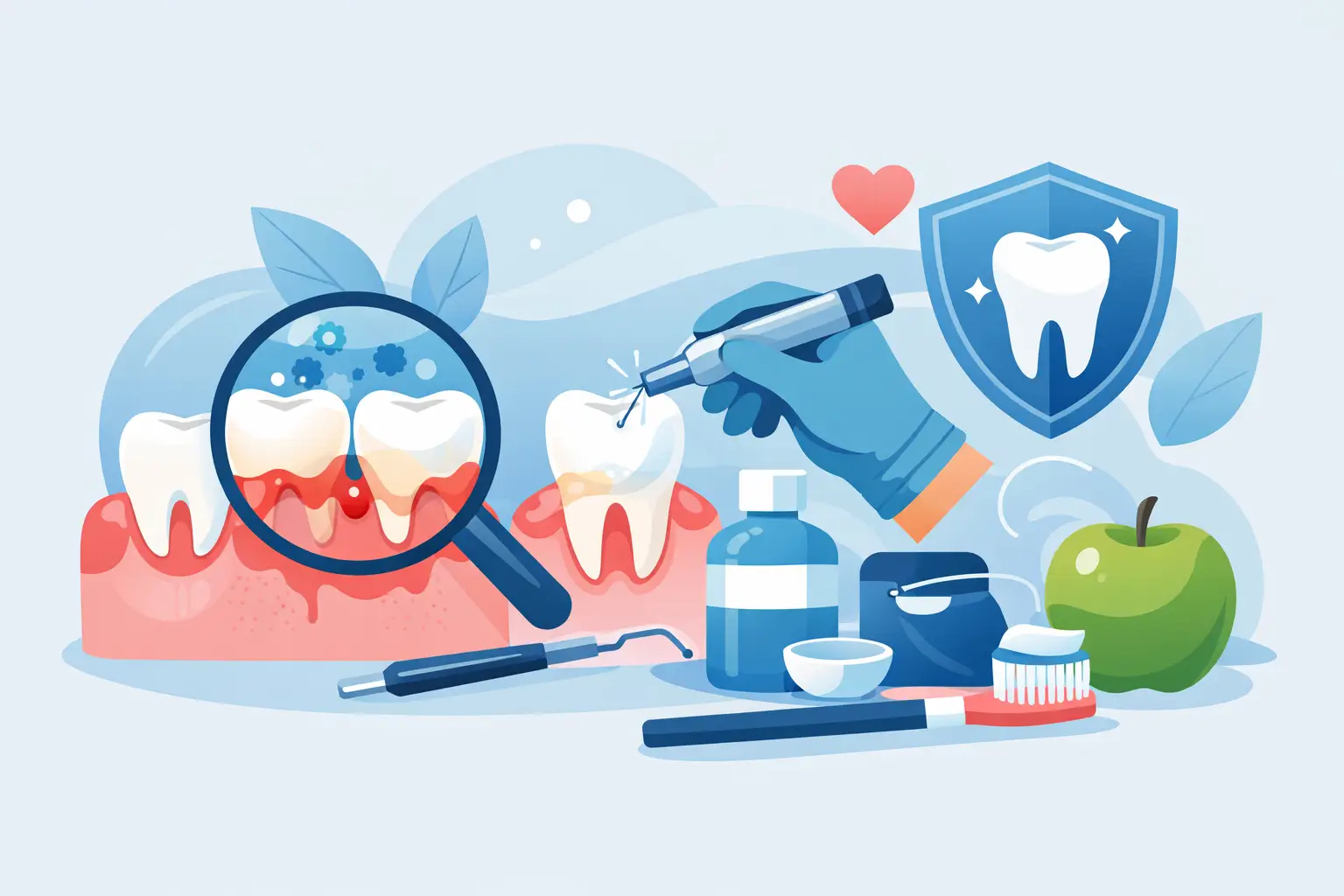
The earliest stage is gingivitis. Gums may look red or puffy, bleed during brushing or flossing, and feel tender. At this point, the inflammation is limited to the gums, and it can often be reversed with professional cleaning and improved daily care.
When inflammation progresses below the gumline, it becomes periodontitis. The body’s inflammatory response and the bacteria around the teeth can gradually damage the ligament and bone that hold teeth in place. Bone loss does not grow back on its own, which is why prompt care matters. Periodontitis can be managed successfully, but it requires ongoing attention rather than a one-time fix.
Signs of Gum Disease Worth Taking Seriously
Some warning signs are subtle. Others are more noticeable, but none should be ignored just because there is no pain. Common symptoms include gums that bleed, swell, or pull away from the teeth; persistent bad breath or an unpleasant taste; tenderness while chewing; new spaces between teeth; and teeth that feel loose or have shifted position.
Receding gums can also make teeth appear longer or expose sensitive root surfaces. Not every case of recession is caused by periodontal disease - aggressive brushing, tooth position, and clenching can contribute - but recession deserves an examination, particularly when it is getting worse.
A change in how your teeth meet when you bite may be another signal. People sometimes assume that shifting teeth are an inevitable part of aging. They are not. Changes in bite, tooth movement, or looseness should be evaluated to determine whether gum and bone support have changed.
Why Gum Disease Develops
Plaque is the primary cause, but daily brushing alone does not tell the whole story. Gum disease risk is influenced by genetics, tobacco use, diabetes, dry mouth, certain medications, stress, and inconsistent preventive visits. Pregnancy and hormonal changes can also make gums more reactive to plaque.
Crowded teeth, poorly fitting restorations, and areas around bridges or implants can be harder to clean thoroughly. This does not mean those treatments are a problem. It means the home-care routine and professional maintenance schedule should be tailored to the mouth you have.
Smoking and vaping deserve particular attention. Tobacco use can increase the risk of periodontal disease and may mask bleeding, making gums look less inflamed than they truly are. It can also reduce healing after periodontal procedures, tooth extractions, and implant treatment.
How We Diagnose Periodontal Disease
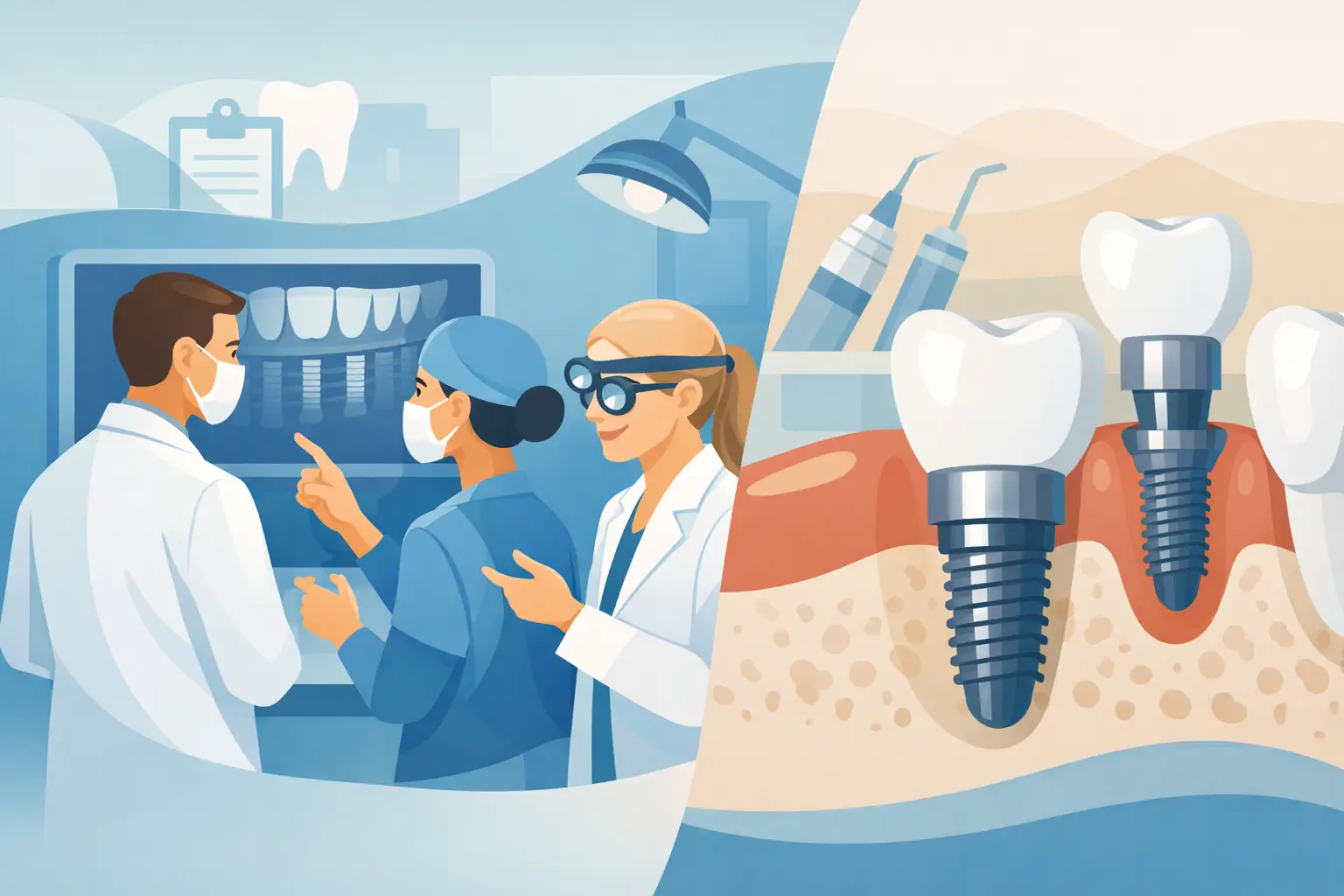
A periodontal evaluation is more than a quick look at the gums. Your dental team examines visible inflammation, plaque and tartar buildup, gum recession, tooth mobility, and bite changes. They also use a small measuring instrument to check the space, or pocket, between each tooth and gum.
Healthy pocket measurements are usually shallow. Deeper pockets may indicate that the gum attachment and bone support have been affected. X-rays help reveal bone levels that cannot be seen during a visual examination. Together, these findings show whether treatment should focus on preventive cleaning, deeper periodontal therapy, restoration of damaged teeth, or a combination of services.
This assessment also helps avoid a one-size-fits-all plan. A person with mild bleeding gums and no bone loss needs different care than someone with deep pockets around several teeth, a failing bridge, or an implant that requires close monitoring.
Gum Disease Treatment Depends on Its Stage
For gingivitis, a professional cleaning and a realistic home-care routine may be enough to return the gums to health. The goal is to remove plaque and tartar, then make daily cleaning easier and more consistent.
For periodontitis, treatment often begins with scaling and root planing, sometimes called a deep cleaning. This therapy removes bacterial deposits from below the gumline and smooths root surfaces so the gums can heal more closely around the teeth. Local anesthetic can be used to keep treatment comfortable, and appointments may be divided into sections when that is easier for the patient.
After initial therapy, the gums are re-evaluated. Some areas respond well with improved maintenance. Other areas may retain deep pockets and benefit from periodontal treatment, which can include targeted procedures to improve access for cleaning, reduce pockets, or address areas of bone loss. The right option depends on the location and severity of disease, your overall health, and the long-term outlook for each tooth.
In advanced cases, teeth may be too compromised to save predictably. When replacement is needed, dental implants , bridges, or dentures can restore function and appearance. However, active gum disease should be brought under control before implant treatment whenever possible. Implants can develop their own inflammatory condition, called peri-implant disease, so a stable foundation and regular maintenance are essential for long-term results.
Daily Care Makes Professional Treatment Last
Periodontal treatment works best when it is paired with a routine you can maintain. Brush twice daily with a soft-bristled toothbrush and fluoride toothpaste, taking time to clean gently at the gumline. Clean between teeth every day with floss, interdental brushes, or another tool recommended for the spaces between your teeth. The best tool is the one that cleans effectively and that you will use consistently.
An antimicrobial mouth rinse may be recommended for certain situations, but it is not a substitute for brushing between the teeth. Water flossers can be helpful, especially around bridges, implants, braces, or areas where traditional floss is difficult to use. They are most effective when used as part of, rather than instead of, a complete routine.
Regular periodontal maintenance visits are different from simply waiting until something hurts. For patients with a history of periodontitis, visits may be recommended more often than every six months. The interval depends on pocket depth, bleeding, home-care effectiveness, diabetes control, tobacco use, and how quickly tartar forms. A personalized schedule is more useful than a calendar rule.
When to Schedule an Appointment
Schedule a dental evaluation if your gums bleed regularly, your breath remains unpleasant despite brushing, you notice recession, or a tooth feels different when you bite. Seek prompt care for facial swelling, pus around a tooth, severe pain, a loose tooth, or fever. These symptoms may point to an infection requiring timely treatment.
If dental visits have felt stressful in the past, say so at the start. You deserve a pace that feels manageable, clear explanations before treatment begins, and a chance to ask questions without pressure. At Seattle Oral Care, coordinated care from general dentistry, periodontics, oral surgery, and prosthodontics can be especially valuable when gum health is connected to more complex restorative needs.
Your gums are the foundation for your natural teeth and the dental work built around them. A small amount of bleeding or sensitivity may be the first useful signal to check that foundation, not something you have to live with. A thoughtful examination can turn uncertainty into a clear next step and help protect your smile for years to come.