For many adults, the answer to “how often should teeth be cleaned?” is every six months. But that familiar schedule is a starting point, not a rule that fits every mouth. Your gums, medical history, home care, restorations, and past dental concerns all help determine the interval that best protects your smile.
A professional cleaning is not simply a polish for your teeth. It is a preventive visit that lets your dental team remove hardened buildup, check for early signs of gum disease and decay, and help you stay ahead of problems that can become more complex and costly over time. For patients who feel nervous about dental visits, regular cleanings can also make care feel more familiar, predictable, and comfortable.
How Often Should Teeth Be Cleaned for Most Adults?
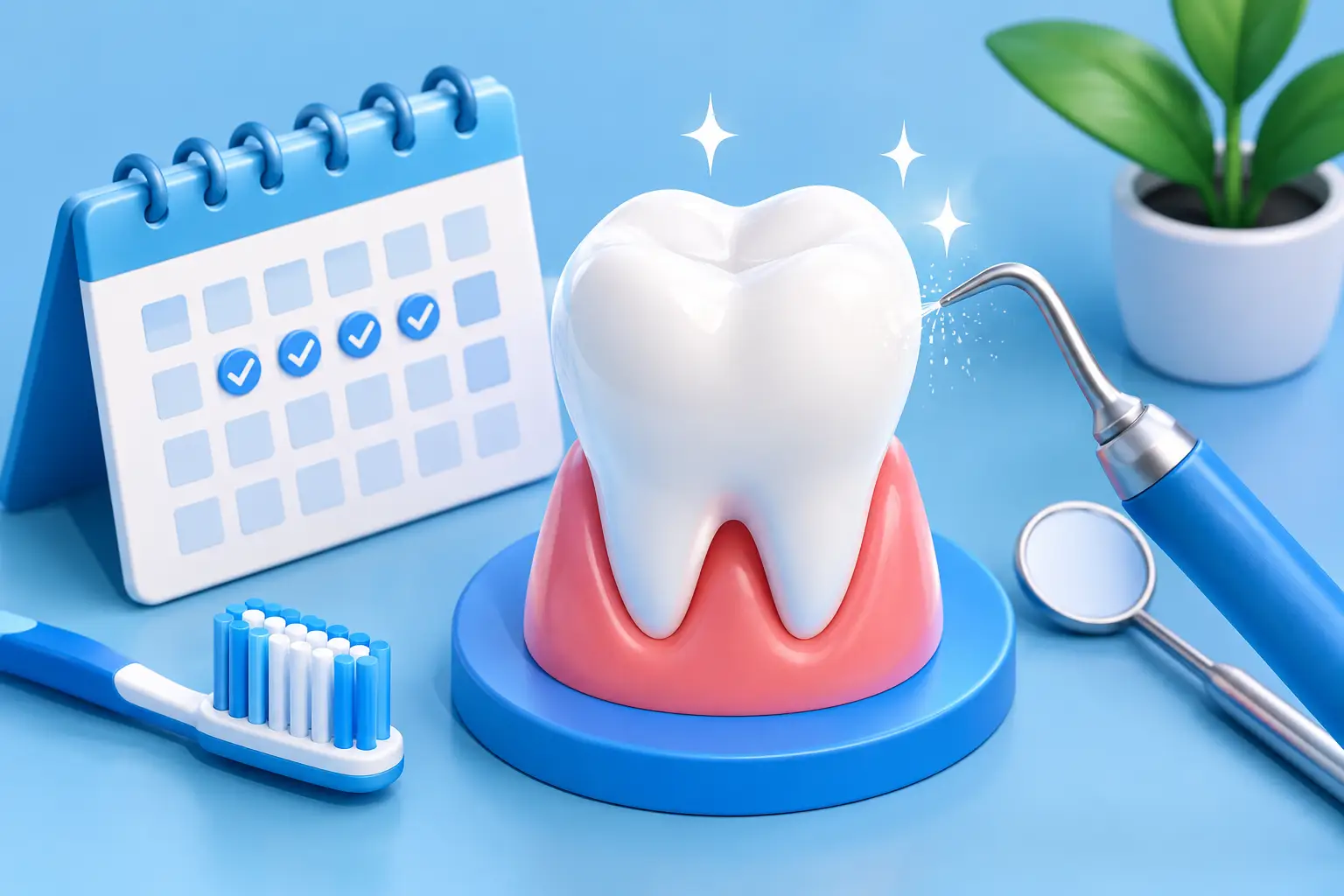
Most people with healthy teeth and gums benefit from a professional cleaning and exam every six months. This timing gives plaque and tartar less opportunity to irritate the gums, while allowing your dentist and hygienist to spot small changes before they cause pain or require extensive treatment.
Plaque is a soft, sticky film of bacteria that develops throughout the day. Brushing twice daily and cleaning between your teeth are excellent defenses, but plaque can collect in hard-to-reach areas. If it is not removed, it can harden into tartar. Once tartar has formed, it cannot be brushed away at home.
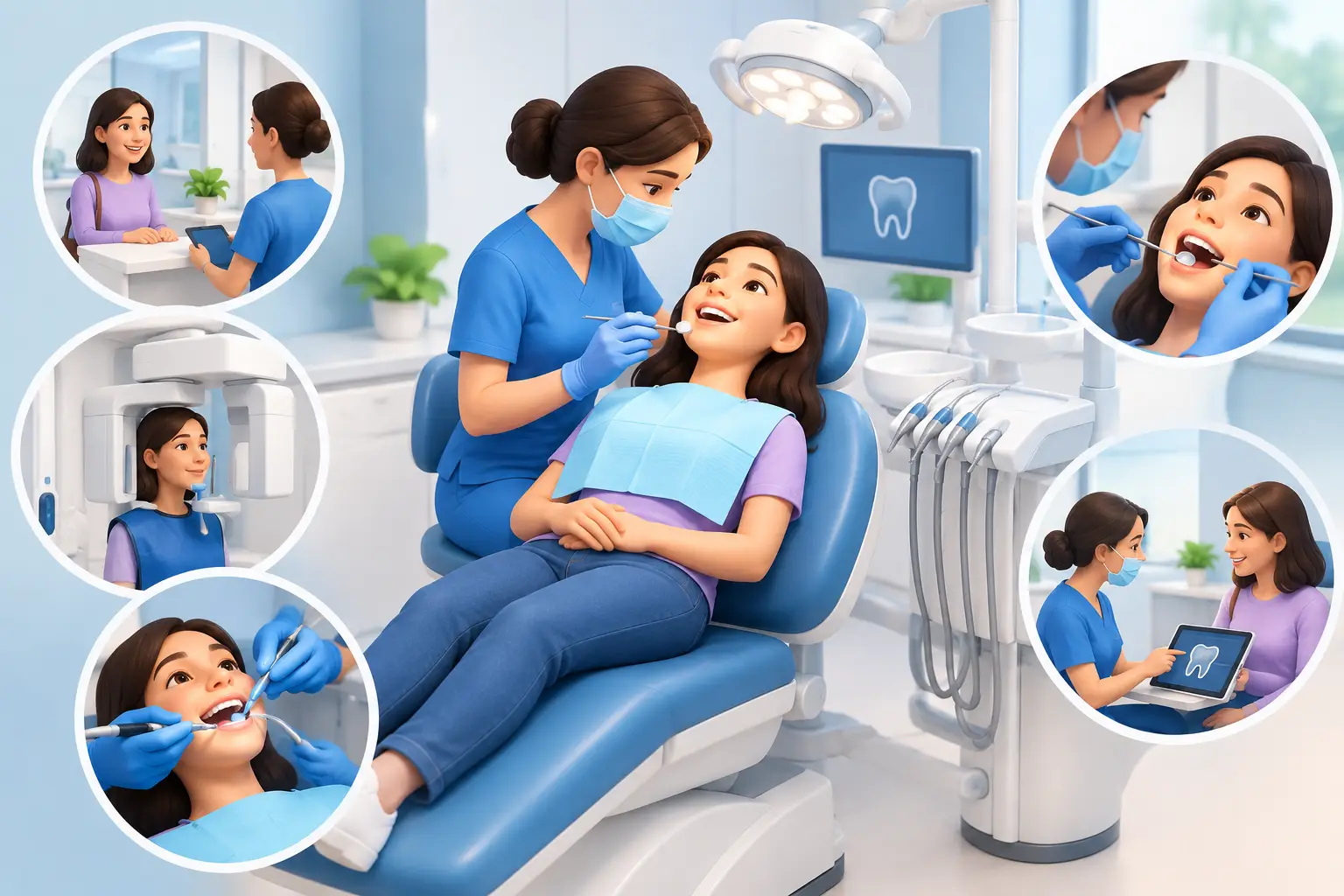
At a routine cleaning, your hygienist removes plaque and tartar above the gumline, polishes away surface staining, and reviews areas that may need more attention at home. Your dental exam adds another layer of prevention by checking your teeth, gums, bite, existing restorations, and oral tissues.
When You May Need Cleanings More Often
Some patients do best with cleanings every three or four months rather than twice a year. This does not mean you have failed at brushing or flossing. It means your mouth has specific risk factors that call for closer maintenance.
Your dentist may recommend more frequent periodontal maintenance if you have had gum disease, bleeding gums, deep periodontal pockets, bone loss around teeth, or a history of scaling and root planing. Gum disease can become quiet after treatment, but it still needs ongoing monitoring. Regular maintenance helps control bacterial buildup and supports the gums and bone that hold your teeth in place.
More frequent visits can also be helpful for people who have diabetes, smoke or use tobacco, experience dry mouth, take certain medications, are pregnant, or build tartar quickly. Dry mouth deserves particular attention because saliva helps rinse away food particles and balance acids in the mouth. When saliva flow is reduced, the risk of decay can rise even when a person is diligent with home care.
If you have a dental implant , implant-supported bridge, denture, or a full-mouth restoration, your maintenance schedule matters for long-term results. Implants cannot get cavities, but the gums and bone around them can become inflamed or infected. Professional cleanings and exams help protect the healthy foundation your restoration depends on.
What About Children, Teens, and Adults With Braces?
Children and teens usually follow the same six-month schedule, although they may need more frequent visits when they are prone to cavities, still learning effective brushing habits, or receiving orthodontic care. Dental sealants, fluoride treatments, and simple coaching can make a meaningful difference during these years.
Adults using Invisalign aligners should also stay consistent with preventive visits. Aligners are removed for meals and brushing, which can make daily care easier than it is with traditional braces. Still, plaque can accumulate if teeth are not brushed before the trays are reinserted. Regular cleanings help keep teeth and gums healthy while your smile is moving into alignment.
A Routine Cleaning Is Different From Gum Disease Treatment
One point often causes confusion: a routine cleaning is not the same as deep cleaning treatment for gum disease.
A standard preventive cleaning focuses on plaque and tartar above the gumline and is appropriate for patients with generally healthy gums. If your dental team finds tartar and bacteria below the gumline, deeper pockets, active inflammation, or bone loss, they may recommend scaling and root planing. This treatment cleans beneath the gumline to help the gums heal and reattach more effectively.
After gum disease treatment, patients commonly transition to periodontal maintenance visits every three or four months. The interval may change over time, depending on how the gums respond. A personalized recommendation should always be based on current findings, not a one-size-fits-all calendar.
Signs You Should Not Wait for Your Next Cleaning
Even if you are normally on a six-month schedule, contact your dental office sooner if your gums bleed regularly, look swollen, or feel tender. Persistent bad breath, a loose tooth, a change in your bite, sensitivity that does not improve, or pain when chewing also deserve prompt attention.
A broken filling, cracked crown, or damaged denture should be evaluated rather than left until your next planned cleaning. Small changes are often easier to address early. Waiting can allow a minor repair to become a larger restorative need.
Make Your Cleaning Schedule Work at Home
Professional cleanings are most effective when they support consistent home care, not when they are asked to make up for months of neglect. Brush for two minutes twice a day with fluoride toothpaste, clean between your teeth once daily, and replace your toothbrush or brush head regularly. If you have an implant, bridge, orthodontic appliance, or reduced hand dexterity, your hygienist can recommend tools that fit your specific needs.
Diet matters, too. Frequent sipping on sweetened drinks, snacking on sticky foods, and acidic beverages can increase the risk of cavities and enamel wear. You do not need a perfect diet to protect your teeth, but reducing how often sugars and acids contact your teeth can help.
If you avoid cleanings because of past discomfort or dental anxiety, tell your care team before the appointment begins. Gentle care starts with understanding what has been difficult for you. Breaks, clear explanations, and a plan that moves at a comfortable pace can make preventive visits far less stressful.
The Right Interval Is Personal
The best answer to how often should teeth be cleaned comes from an exam, not from a generic reminder card. A person with healthy gums and low cavity risk may thrive with visits every six months. Someone managing gum disease, implants, dry mouth, or a history of frequent decay may need a shorter interval to maintain a healthy, stable smile.
At Seattle Oral Care, preventive appointments are part of a bigger goal: helping patients protect natural teeth, preserve dental work, and avoid preventable complications. Whether your next visit is routine or you have concerns about your gums, a thoughtful cleaning schedule gives you a practical way to care for your smile before a small issue asks for more of your time and attention.