A denture that shifts when you laugh, talk, or enjoy a meal can make tooth loss feel like an everyday problem. When comparing implant overdentures vs traditional dentures , the central question is usually not just which option replaces missing teeth. It is which option will let you feel more comfortable, eat with greater confidence, and fit your health, goals, and budget.
Both treatments can restore the appearance of a complete smile. The meaningful differences are how they stay in place, how they feel during daily life, and what they require from your jawbone and overall dental health. A thoughtful consultation can make those differences much clearer - especially if you have had a frustrating experience with dentures in the past.
Implant Overdentures vs Traditional Dentures: The Core Difference
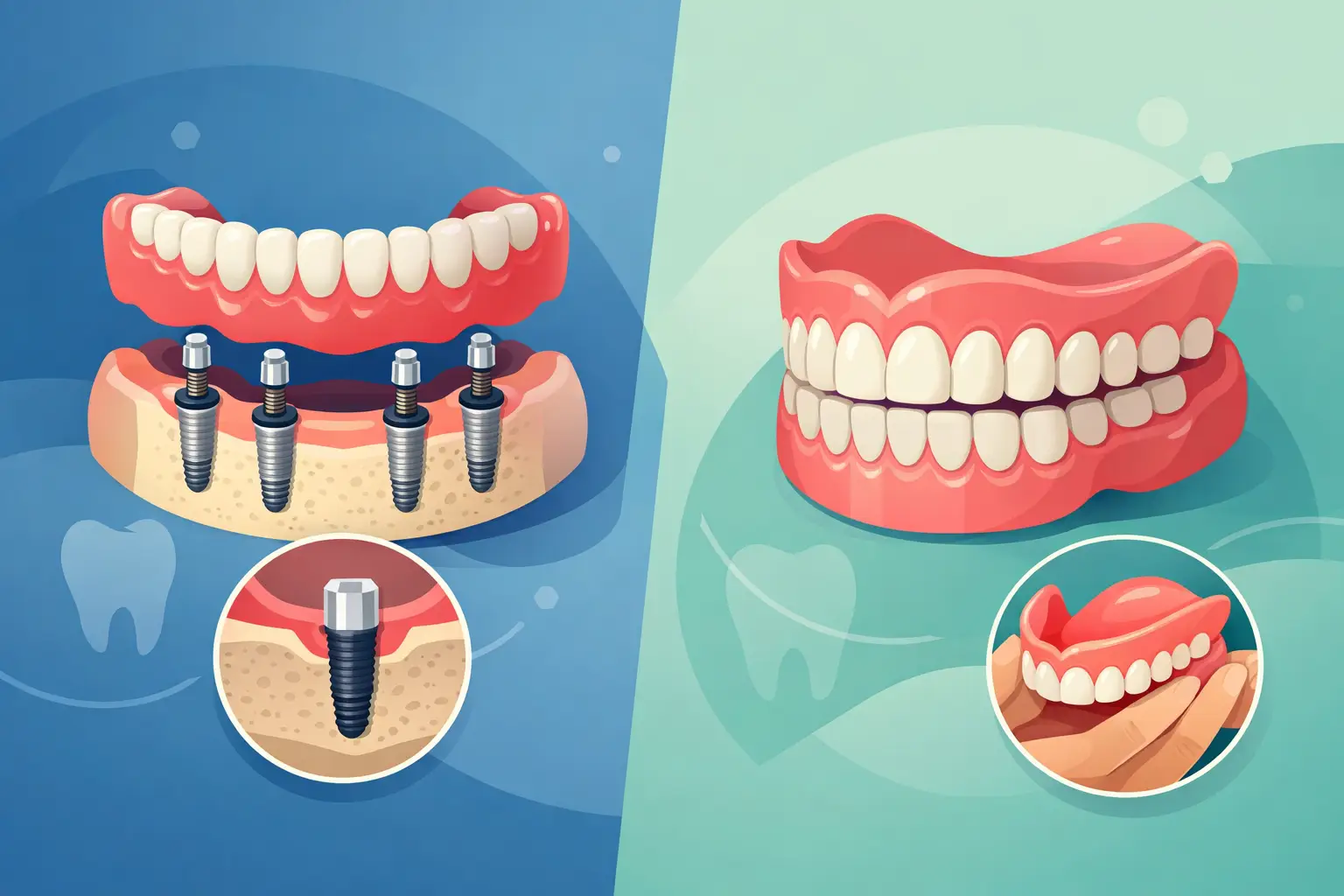
Traditional dentures are removable appliances that rest directly on the gums. A full upper denture typically uses the roof of the mouth for suction, while a lower denture sits along the jaw ridge and is held in place by the surrounding tissues, muscles, and sometimes adhesive. Modern dentures can look natural and improve chewing, speech, and facial support, but they do not attach to the jawbone.
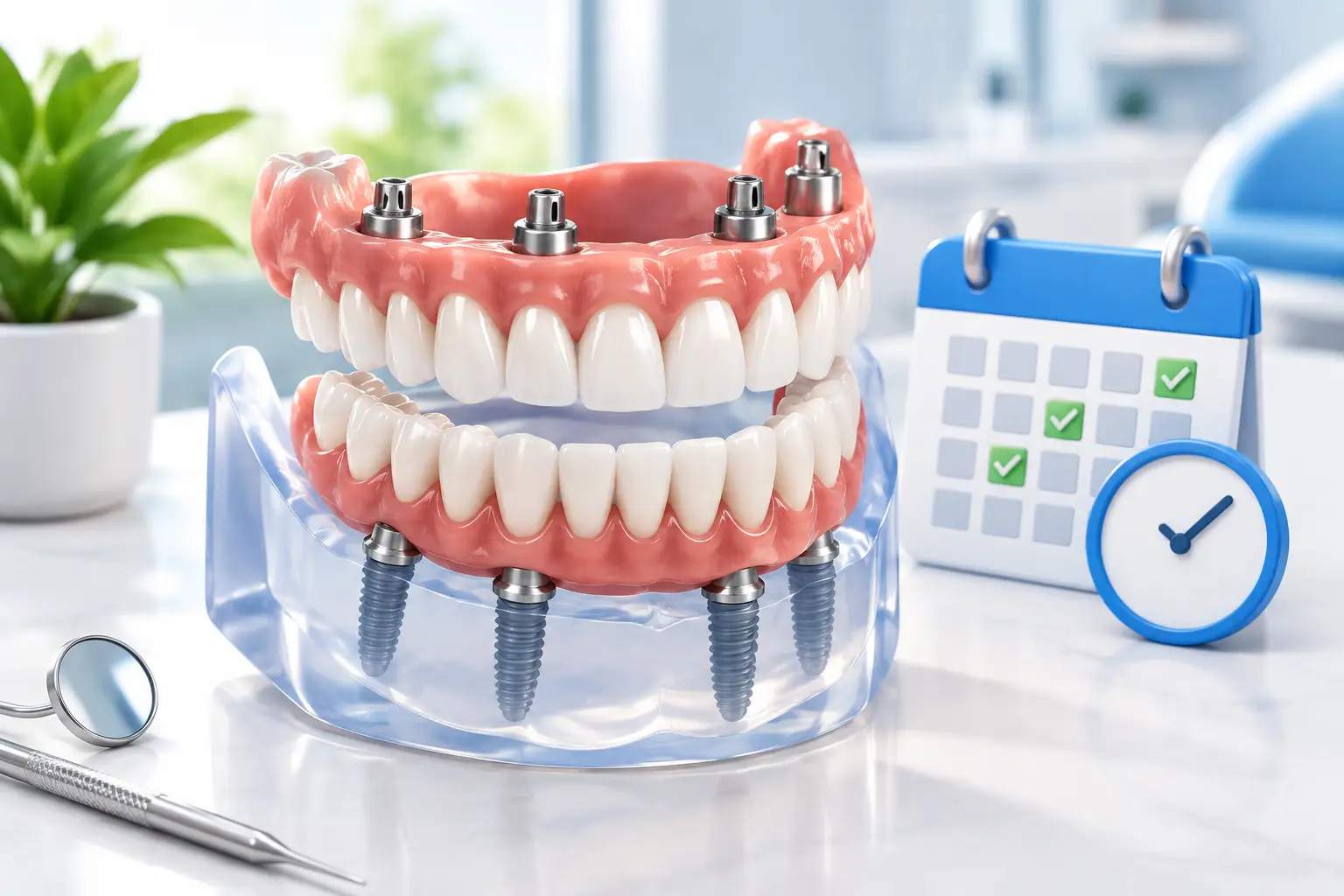
Implant overdentures are also removable dentures, but they are secured to dental implants placed in the jaw. Depending on the treatment plan, the denture may snap onto attachments or connect to a bar supported by several implants. The result is a denture that can still be removed for cleaning, while offering a much more stable foundation during the day.
That distinction matters most for the lower jaw. Lower traditional dentures can be challenging because the tongue and cheeks constantly move around them and there is no broad palate to create suction. Implants can significantly reduce the rocking and lifting that many lower-denture wearers find discouraging.
How Each Option Feels in Daily Life
For many patients, stability is the biggest practical benefit of implant overdentures. Because the denture is anchored, it is less likely to slide while speaking or loosen when biting into food. This can make meals feel less stressful and can help some people expand the range of foods they are comfortable eating.
Traditional dentures can work very well, particularly when they are carefully designed and fitted. They are also non-surgical and generally require fewer appointments at the start. Still, they may move slightly under pressure, and some people need time to learn how to speak and chew comfortably with them. Denture adhesive may improve security for some wearers, but it does not create the same connection as implants.
Upper traditional dentures cover the palate, which can affect a person’s sense of taste or make certain foods feel different. Implant-supported options may allow for a less bulky design in some cases. The right design depends on the number and placement of implants, the condition of the jawbone, and the support your lips and cheeks need.
Jawbone Health Is an Important Long-Term Difference
After teeth are lost, the jawbone no longer receives the stimulation created by tooth roots during chewing. Over time, the bone can shrink. This is one reason a denture that once fit well may gradually become loose and need relining or replacement.
Dental implants transfer chewing forces into the jawbone, helping preserve bone in the areas around the implants. They do not stop every change that can occur with aging, but they can provide meaningful support for long-term oral function and facial structure.
Traditional dentures do not stimulate the jawbone. This does not make them a poor choice. For someone who prefers a non-surgical solution, has medical considerations that make surgery less appropriate, or needs the most affordable path to replacing missing teeth, a conventional denture may be the right answer. The key is understanding that periodic adjustments are a normal part of long-term denture care.
Treatment Time, Surgery, and Healing
Traditional dentures usually involve impressions, bite records, try-in visits, and final adjustments. If teeth need to be removed, a temporary or immediate denture may sometimes be placed on the same day. As the gums and bone heal, the fit will change, so follow-up care and a reline are often needed.
Implant overdentures require additional planning. Your dental team will evaluate your gums, bone volume, bite, medical history, and imaging before recommending implant placement. Some patients are candidates for implants soon after extractions, while others benefit from a healing period or bone grafting first.
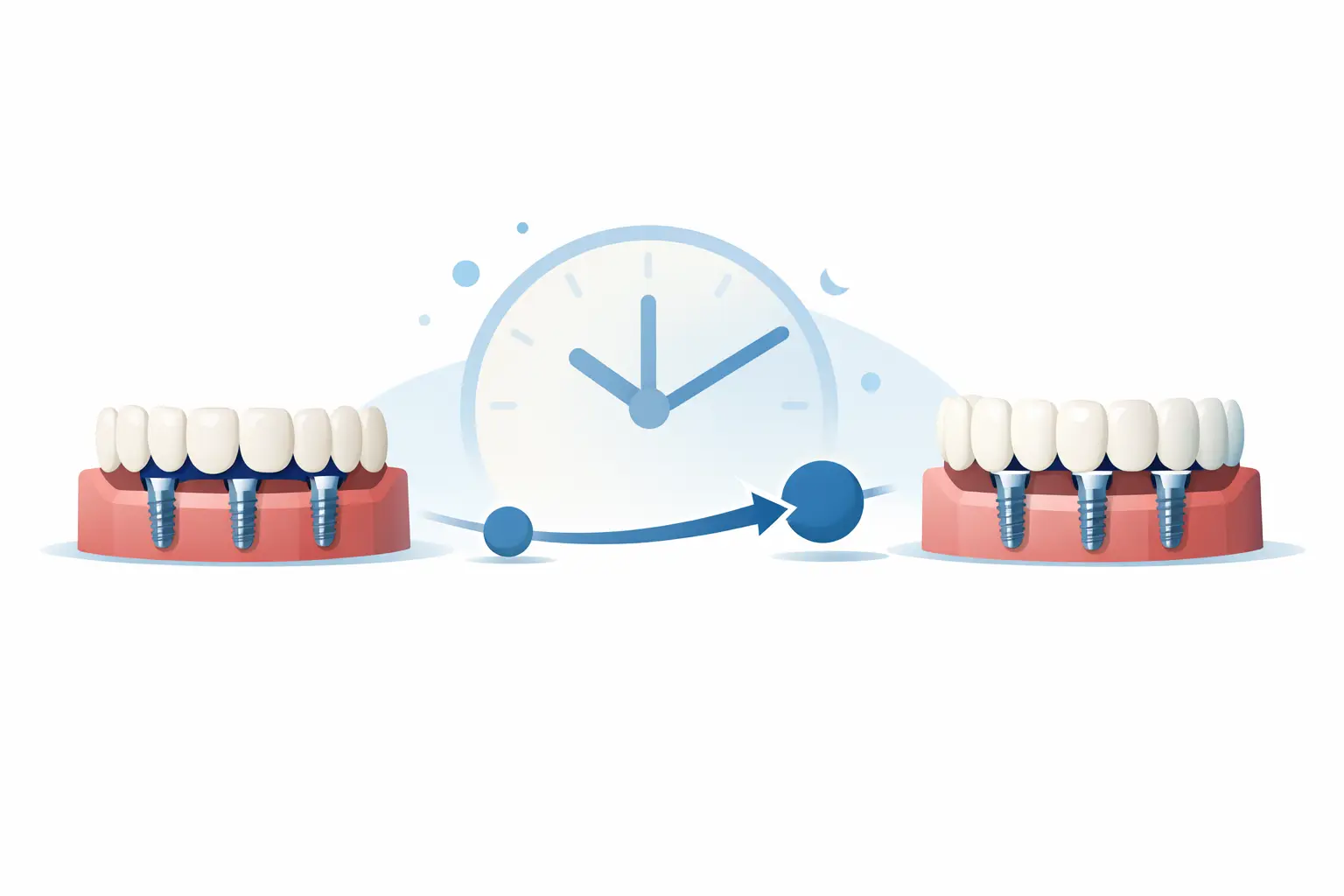
Implants need time to integrate with the jawbone before they support the final denture. The exact timeline varies, but it is generally longer than the process for a conventional denture. That investment in time is one of the trade-offs for greater retention and stability.
If dental procedures make you nervous, it can help to know that implant treatment is planned in stages. You should understand what will happen at each visit, how comfort will be managed, and what temporary tooth-replacement option will be available while you heal. Gentle care starts with not rushing past your questions.
Cost: Looking Beyond the Initial Price
Traditional dentures generally have a lower upfront cost because they do not involve surgery or implant components. For many people, this makes them an accessible and effective starting point.
Implant overdentures involve surgical placement, restorative components, imaging, and more extensive treatment planning, so the initial investment is higher. However, the value is not limited to the appliance itself. Patients often weigh the added cost against improved security, more comfortable chewing, and the potential benefit of preserving jawbone around the implants.
Neither choice should be treated as automatically better. A denture that is technically less expensive but does not stay in place may be frustrating. An implant plan that exceeds your comfort level, medical needs, or financial priorities may not be the right fit either. A clear treatment estimate should explain the full scope of care, including possible extractions, grafting, temporary dentures, final restorations, and future maintenance.
Cleaning and Ongoing Care
Both options need daily care. Traditional dentures should be removed at night unless your dentist gives different instructions, brushed with a denture-safe cleanser, and stored properly. Your gums, tongue, and any remaining natural teeth also need regular cleaning. Even without natural teeth, routine dental visits matter because oral tissues, bite fit, and oral cancer screening still require professional attention.
Implant overdentures are removed for cleaning as well. You will clean the denture and carefully clean around the implant attachments. Over time, small attachment components can wear and need replacement. These are expected maintenance needs, not a sign that treatment has failed.
Implants also require healthy gums and consistent home care. Smoking, uncontrolled diabetes, clenching, and a history of gum disease can affect long-term implant health. These factors do not always rule out implants, but they deserve an honest conversation before treatment begins.
Who May Be a Good Candidate for Each?
A traditional denture may be a strong choice when you want a non-surgical option, need to replace teeth promptly, or are not a candidate for implants at this time. It can also serve as a temporary step while you decide whether implant treatment is right for you.
Implant overdentures may be worth considering if your current denture moves, you avoid foods because chewing is difficult, or you want a more secure removable option. Adequate bone and healthy gums are helpful, though modern planning and grafting can sometimes make implants possible for patients who were previously told they had too much bone loss.
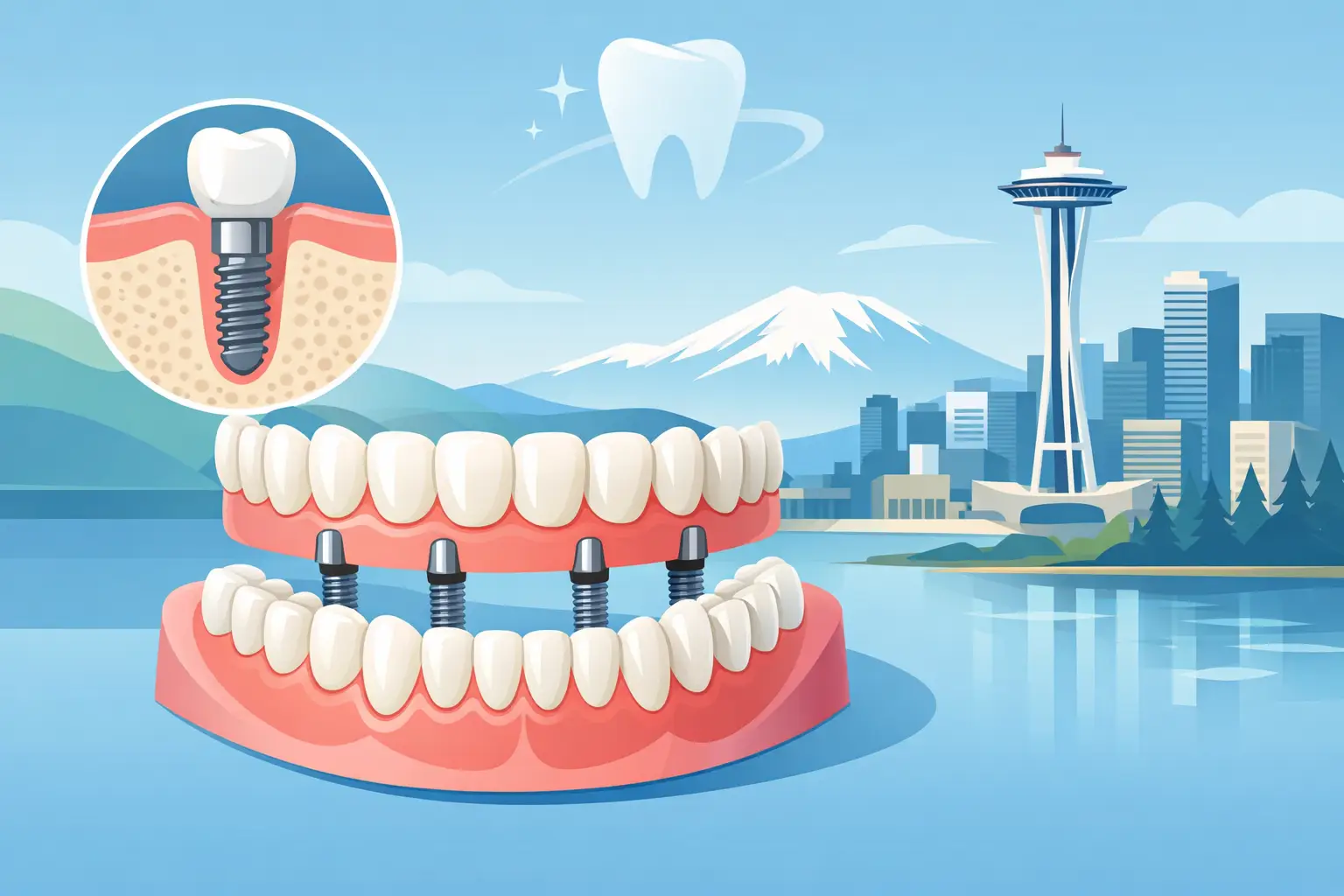
The best recommendation comes from examining more than an X-ray. Your bite, facial support, medical health, comfort with treatment, dexterity for cleaning, and personal priorities all matter. At Seattle Oral Care, coordinated planning between restorative and surgical providers can be especially helpful when tooth loss is complex or when you need answers that go beyond a one-size-fits-all denture.
Choosing With Confidence
You do not have to decide based on a single factor such as price, fear of surgery, or a friend’s experience. Ask how stable each option is likely to feel in your mouth, what maintenance it will need over the years, and what happens if your bone or gums change. A good treatment conversation should leave you feeling informed rather than pressured.
Whether you choose a carefully fitted traditional denture or an implant-supported solution, replacing missing teeth is a meaningful step toward eating, speaking, and smiling more comfortably. The right next step is a consultation where your concerns are heard and your long-term comfort has a place in the plan.