Being told you need a sinus lift before an upper back implant can sound more intimidating than it is. If you are comparing an internal vs external sinus lift , the central difference is where your dentist accesses the sinus and how the area is prepared for implant treatment. Both approaches are intended to create a stable foundation in the upper jaw when the sinus sits close to the area of a missing tooth.
Why a Sinus Lift May Be Part of Your Implant Plan
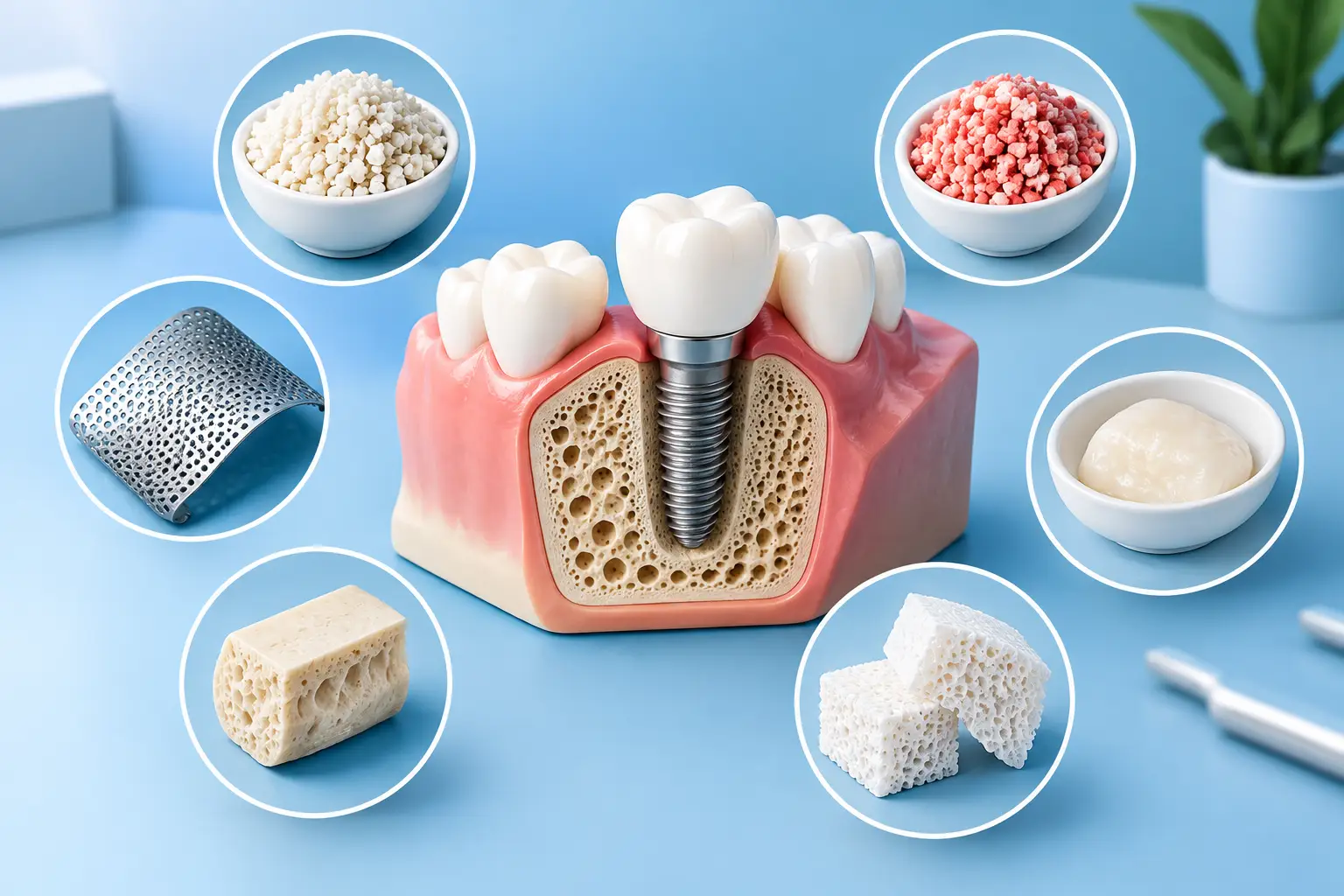
Above the upper back teeth are air-filled spaces called the maxillary sinuses. After a tooth has been missing for some time, the bone beneath the sinus can change, leaving less room for an implant to be supported in that area. A sinus lift gently raises the sinus membrane and creates space for bone-supporting material beneath it.
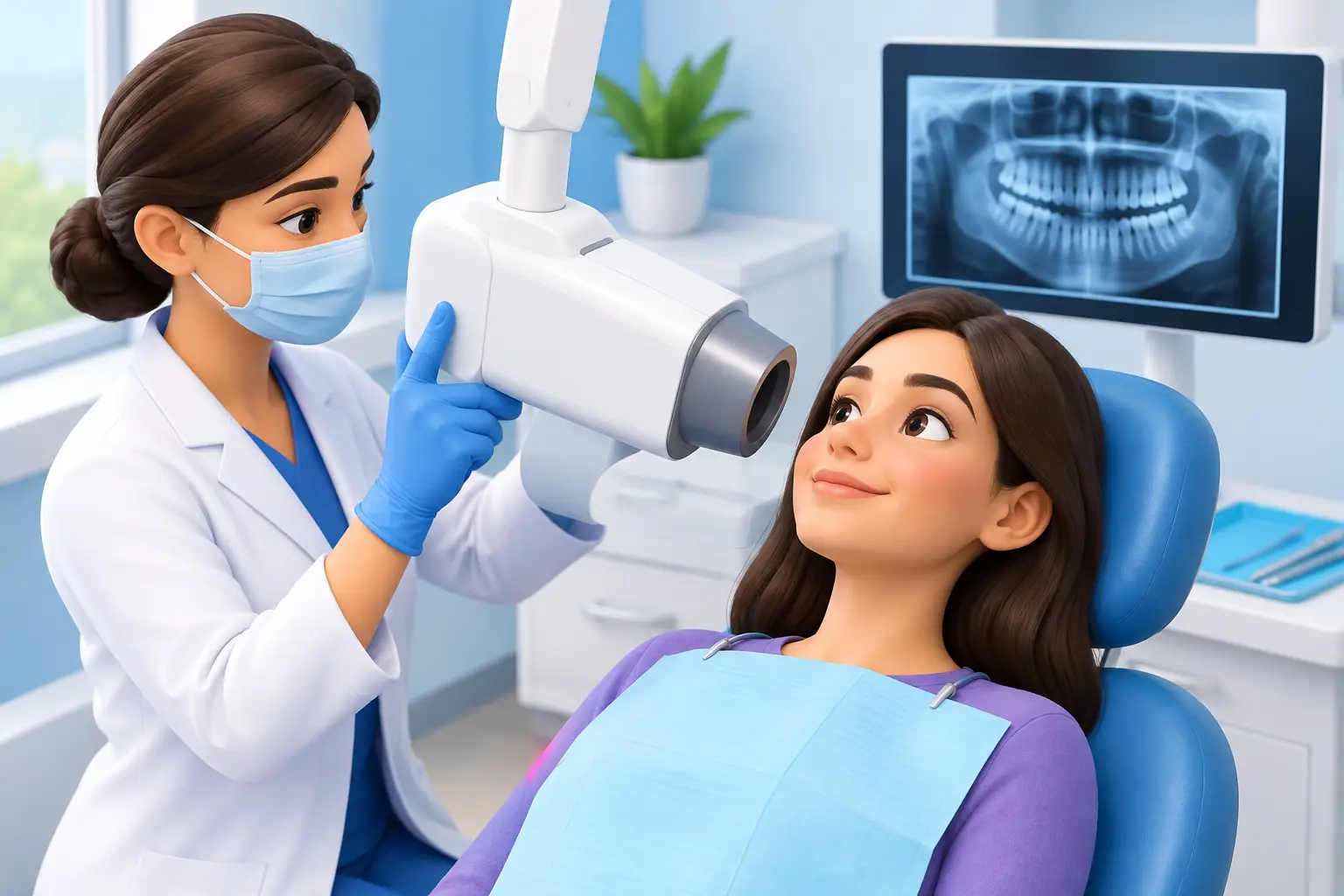
The name can feel alarming, especially if you have had a difficult dental experience before. In practical terms, this is a carefully planned part of some implant cases, not a treatment chosen casually. Your dental team uses detailed imaging and a full evaluation of your oral health to decide whether it belongs in your plan.
Internal vs External Sinus Lift: The Main Difference
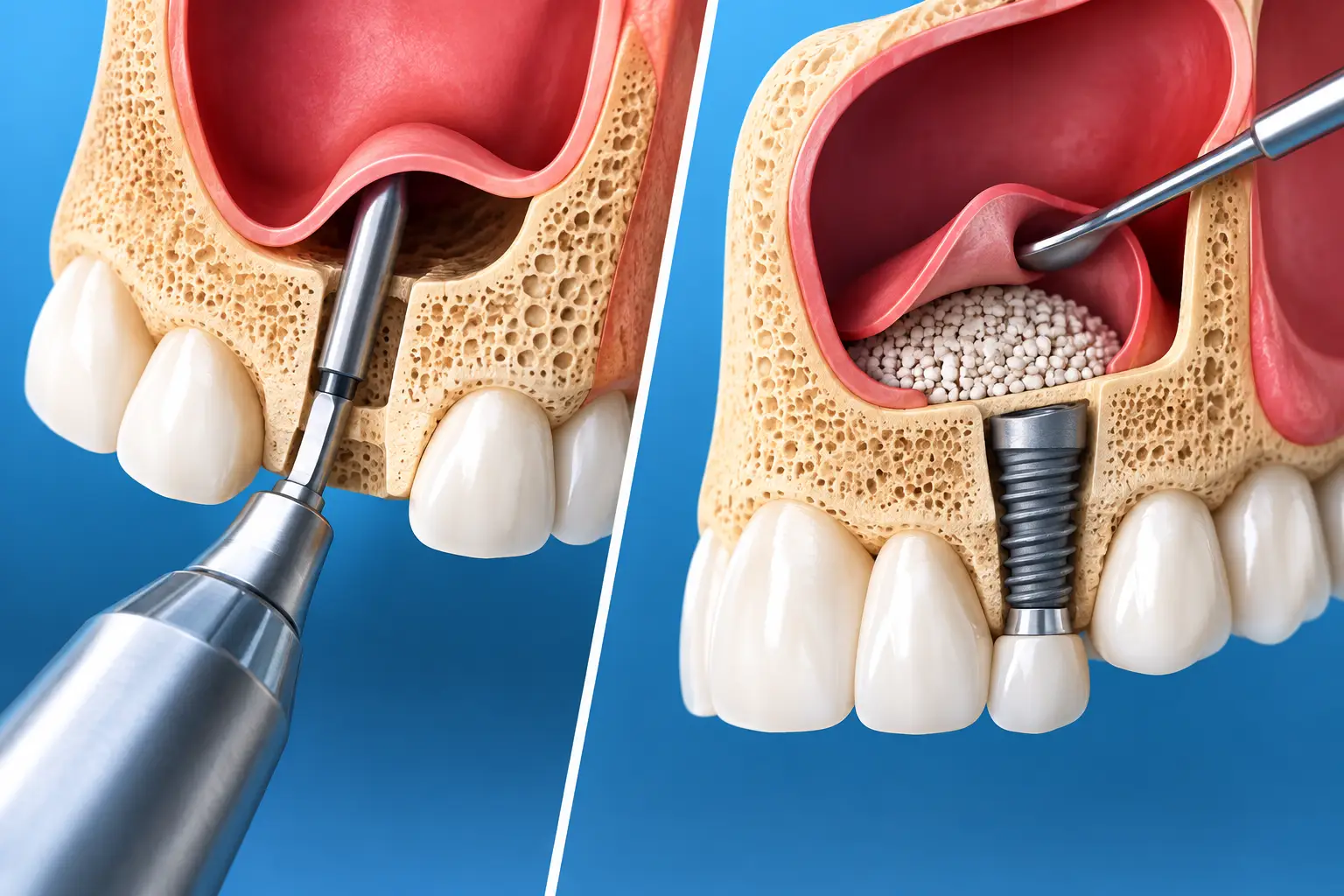
An internal sinus lift is also commonly called a closed sinus lift technique . An external sinus lift is often called a lateral window sinus lift . Those names describe the access point used to reach the area below the sinus.
With an internal approach, the treatment is performed through the implant site itself. Your clinician prepares the location where the implant is planned and carefully works upward toward the sinus floor. Because access comes from below, this approach is generally more contained and may allow the sinus preparation and implant placement to be coordinated in the same treatment visit when appropriate.
With an external approach, the clinician reaches the sinus through a small opening made in the side of the upper jaw. This opening is the “lateral window.” It provides a broader view and more direct access to the sinus membrane, allowing the clinician to carefully create and fill the space needed for the planned restoration.
Neither name tells you which option is better overall. They simply describe two different ways of addressing the same anatomical area.
How the Experience Can Differ
Both sinus lift approaches are performed with local anesthesia, and comfort measures can be discussed before treatment if you feel anxious. You should expect your care team to review aftercare carefully, including how to protect the healing area while it recovers.
Because the lateral window sinus lift involves an access opening from the side of the jaw, it can feel like a more involved procedure when described on paper. The closed sinus lift technique uses a smaller access route through the implant location. Still, the right choice is not based on which procedure has the shorter-sounding name or seems simpler online.
Your personal experience also depends on factors beyond the technique itself, including the location of the missing tooth, the condition of the surrounding gum tissue, your overall health, and the details of your restoration plan. A thoughtful consultation should leave you knowing what will happen, why it is being recommended, and how your team will support you during healing.
Which Sinus Lift Technique Is Right for Me?
If you are a patient told they need a sinus lift for an upper back implant and are wondering how the two techniques differ, the answer begins with your anatomy and treatment goals. Your clinician will evaluate the shape of your sinus, the available jawbone, nearby teeth, and the position planned for the implant. The timing of your implant restoration also matters.
An internal approach may be considered when access through the implant site offers an appropriate way to prepare the area. A lateral window approach may be recommended when your clinician needs broader access to carefully manage the sinus area. These are planning decisions made from your imaging and examination, not a one-size-fits-all preference.
At Seattle Oral Care, coordinated planning can bring restorative and surgical perspectives together, so your implant treatment is considered as a complete plan rather than an isolated procedure. That matters because the goal is not simply to place an implant. It is to support a comfortable, functional tooth replacement designed for your smile.
Questions Worth Asking at Your Consultation
You do not need to become an expert in sinus anatomy before your appointment. It can help, however, to ask why a sinus lift is being recommended in your particular case, which approach your clinician recommends, whether the implant plan will be coordinated with the sinus procedure, and what healing instructions you will need to follow.
A good implant conversation should feel clear, not rushed. When you understand the difference between a lateral window sinus lift and a closed sinus lift technique, you can ask informed questions and move forward with greater confidence in a plan built around your needs.