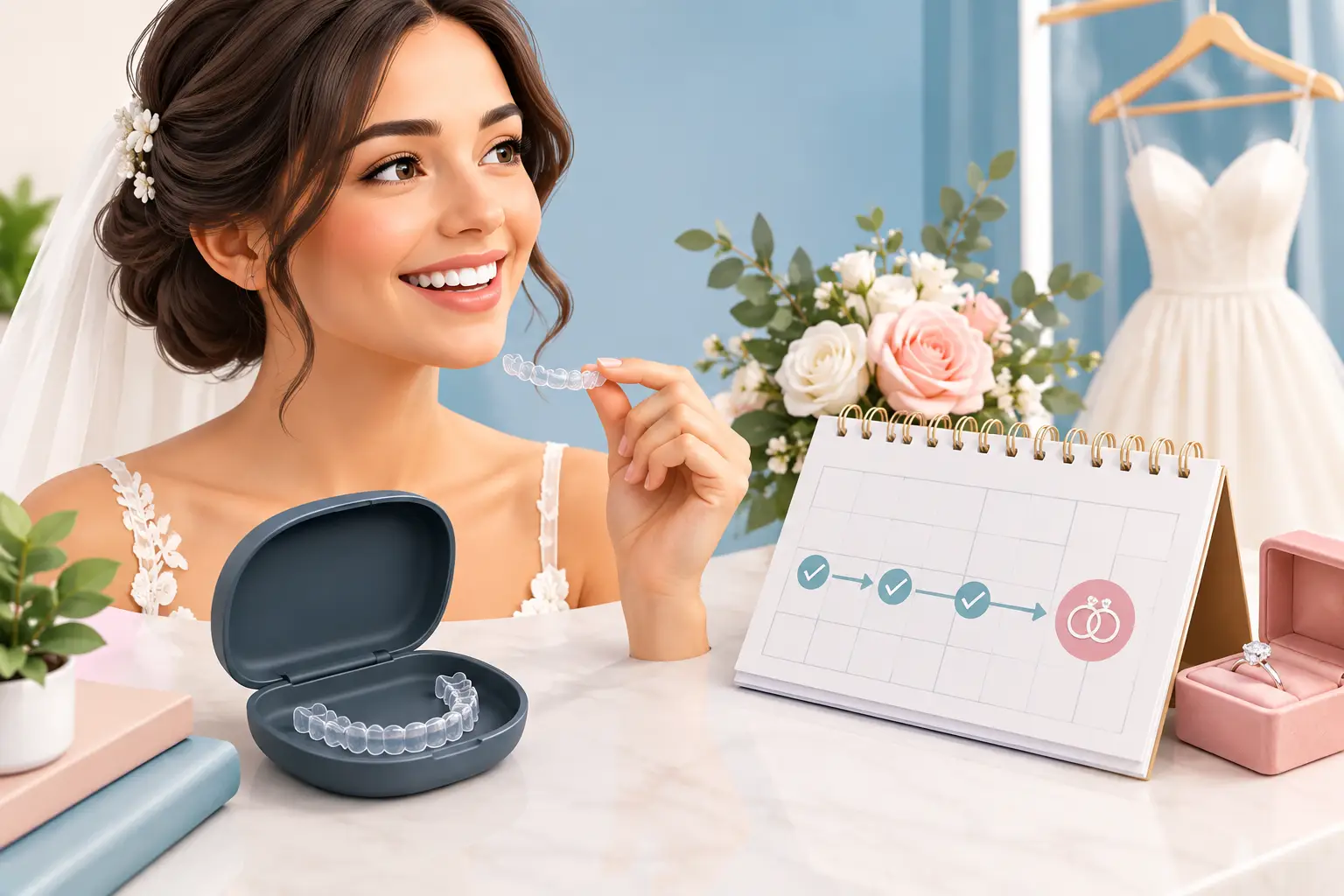
A wedding date has a way of making every detail feel more urgent, especially when you are thinking about your smile in photographs. Invisalign before wedding planning can be a wonderful option for adults who want to straighten teeth discreetly, but it works best when the treatment plan begins with an honest look at timing. Clear aligners can create meaningful changes before a special day, yet the right approach depends on your starting bite, your goals, and how much time you have.
At Seattle Oral Care, we believe your treatment should support your wedding plans, not add unnecessary stress to them. A thoughtful consultation can tell you whether Invisalign is a practical choice now, whether a shorter cosmetic approach may help, or whether it makes more sense to begin after the celebration.
What Is a Realistic Invisalign Timeline for a Wedding?
For many adults, Invisalign treatment takes about 12 to 18 months. Simple cases involving mild crowding or small gaps may take closer to 6 months. More involved cases, particularly those requiring bite correction, can take 18 months or longer. The answer to how fast is Invisalign is never one-size-fits-all because teeth do not move according to a calendar alone.
Your first visit includes an examination, digital scans, and a conversation about the changes you hope to see. Once your plan is approved and aligners are made, you will usually wear each set for about one to two weeks. Regular progress visits allow your dental team to confirm that teeth are tracking as planned and make adjustments when needed.
If your wedding is more than a year away, you may have enough time to complete treatment or come very close. If it is six to 12 months away, Invisalign may still improve alignment noticeably, although complete correction is not guaranteed by the event date. With less than six months, treatment can still be appropriate for very limited concerns, but expectations need to stay realistic.
The calendar is not the whole story
Two people with the same wedding date can have very different options. Mild front-tooth crowding may respond relatively quickly. A deep bite, crossbite, significant rotation, or spacing caused by missing teeth may require a more comprehensive plan. Your gums, bone support, existing crowns or restorations, and overall oral health also matter.
The most reliable timeline is one based on diagnostic information rather than a promise made from a photograph. This is especially valuable if you have had previous dental work or are considering other cosmetic or restorative care before your wedding.
How Fast Is Invisalign When You Wear It Consistently?
Clear aligners work by applying gentle, controlled pressure to guide teeth into planned positions. They are removable, which is a major advantage for meals, brushing, and wedding events. That flexibility also creates responsibility: aligners typically need to be worn 20 to 22 hours a day.
Taking them out occasionally for an important dinner, a speech, or wedding photographs is generally manageable when it is truly occasional. Repeatedly leaving them out for hours can slow movement and affect how well the next aligner fits. If trays stop fitting properly, additional visits or refinement aligners may be needed, which can extend treatment.
There are other factors that can influence the pace of Invisalign treatment:
- The complexity of the tooth and bite movements planned
- Consistent daily wear and changing aligners on schedule
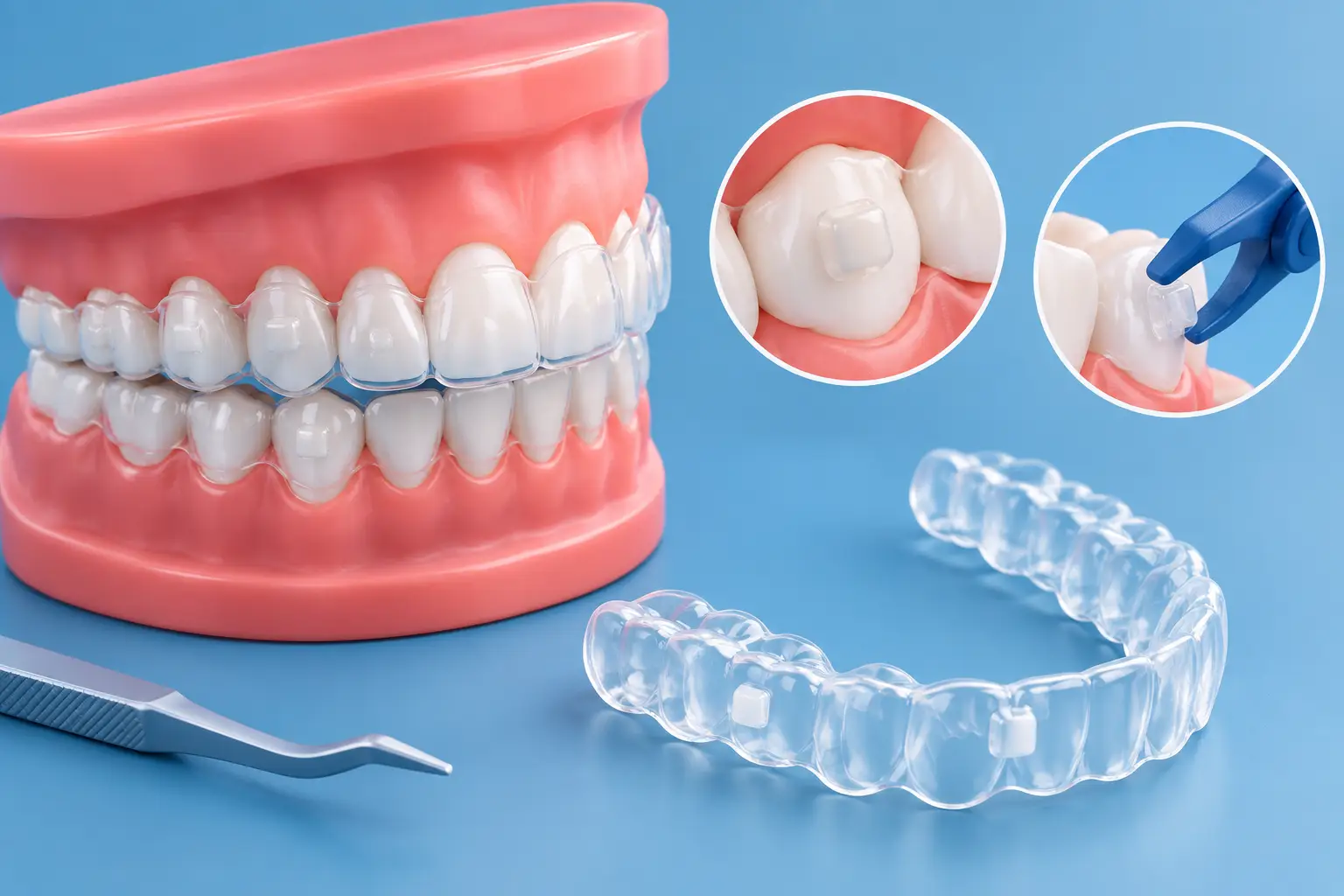
- The use of attachments, small tooth-colored shapes that help aligners grip certain teeth
- The need for elastics or other bite-correction support
- How your teeth respond biologically to movement
- Whether refinements are needed near the end of treatment
Refinements are common and are not a sign that treatment has failed. They are simply additional aligners used to fine-tune the result. If your priority is having treatment completed before a specific date, build in extra time for this possibility.
Invisalign for a Special Event: Choose the Right Goal
When people ask about Invisalign for a special event, they often mean one of two things. Some want a fully straightened smile by the event. Others simply want to feel more comfortable smiling in photos. Those are both valid goals, but they may call for different treatment decisions.
If the wedding is farther away, comprehensive Invisalign may be the best route because it allows time to improve both alignment and bite function. A healthy, stable bite matters beyond the photos. It can help protect teeth from uneven wear and make the result easier to maintain.
If the event is approaching quickly, your dentist may discuss whether limited alignment is appropriate. In selected cases, focusing on the teeth most visible in your smile can improve appearance within a shorter window. However, limited treatment is not suitable for every bite, and it should not compromise your long-term oral health simply to meet a date.
Sometimes the best wedding-ready plan is not orthodontic treatment at all. Professional whitening, a cleaning, conservative bonding, or replacing a discolored restoration may create a meaningful improvement when time is short. Your care team can help you weigh these options without pressuring you toward treatment that does not fit your goals.
Planning Around the Wedding Day
Starting Invisalign does not mean you have to hide your smile during your engagement or celebration. The aligners are clear and typically subtle in photographs, though attachments may be visible at close range. Many patients find that friends and coworkers do not notice them unless told.
For the ceremony and photographs, you may choose to remove aligners briefly. Plan ahead by keeping their case with you, rather than wrapping them in a napkin where they can be accidentally discarded. Put them back in once you are done eating, drinking anything other than water, and taking photos. A small dental hygiene kit can also be helpful during a long wedding day.
Do not stop wearing aligners for several days before the wedding just to feel more comfortable. Teeth can begin shifting, and the next tray may feel tight or fail to fit. If you have concerns about attachments, speech, tenderness, or the appearance of aligners in photos, bring them up early. Your treatment team can often suggest practical solutions well before the final week.
Give yourself a buffer
A wedding timeline already includes vendors, travel, fittings, and countless moving parts. If possible, aim to finish active Invisalign treatment several months before the event rather than scheduling your final tray for the week of the wedding. That buffer allows time for refinements, retainers, and any recommended finishing touches such as whitening.
Retainers are essential after Invisalign. They hold teeth in their new positions while surrounding tissues adapt. Completing treatment without wearing retainers can allow hard-earned improvements to shift, which is not the outcome anyone wants after investing time in a healthier smile.
Start With an Honest Consultation
The best time to ask about Invisalign is as soon as you start thinking about it, even if your wedding plans are still taking shape. A consultation gives you clarity on what can reasonably be accomplished and helps you avoid rushed decisions later.
Bring your event date, your priorities, and any concerns about your bite or dental history. You deserve a plan that accounts for the smile you want in photographs and the health of your teeth long after the celebration. With individualized planning, gentle guidance, and realistic expectations, you can move toward a smile that feels like your own on one of life’s most meaningful days.