A brighter smile can feel like a small change until you see yourself speaking, laughing, or posing for a photo without hesitation. The best cosmetic dentistry treatments are not one-size-fits-all fixes. They are carefully chosen options that improve what concerns you while protecting the health, function, and natural character of your teeth.
For some people, the answer is professional whitening. For others, it may be Invisalign treatment, porcelain veneers, dental bonding, or a crown that restores a worn or damaged tooth. The right choice depends on why your smile looks the way it does, how long you want results to last, and whether there are underlying oral health needs to address first.
What Makes a Cosmetic Treatment the Right One?
Cosmetic dentistry focuses on the appearance of your teeth and gums, but appearance and oral health are closely connected. A chipped front tooth, uneven gumline, missing tooth, or crowded bite can affect more than confidence. It can also make teeth harder to clean, change the way you bite, or place extra stress on other teeth.
That is why a thoughtful consultation begins with listening. Your dentist should ask what you would like to change, examine your teeth and gums, review your bite, and explain what is realistic for your smile. If decay, gum inflammation, teeth grinding, or an unstable bite is present, treating those concerns first helps protect your cosmetic investment.
The most natural-looking result is rarely about making every tooth perfectly white or identical. It is about creating balance: a shade that suits you, proportions that fit your face, and restorations designed to function comfortably for years.
Best Cosmetic Dentistry Treatments for Common Concerns
Professional Teeth Whitening for Surface Stains
Coffee, tea, red wine, tobacco, and everyday aging can gradually darken enamel. Professional whitening is often a good starting point when teeth are healthy and the main concern is color. It can brighten your smile significantly without changing the shape or position of your teeth.
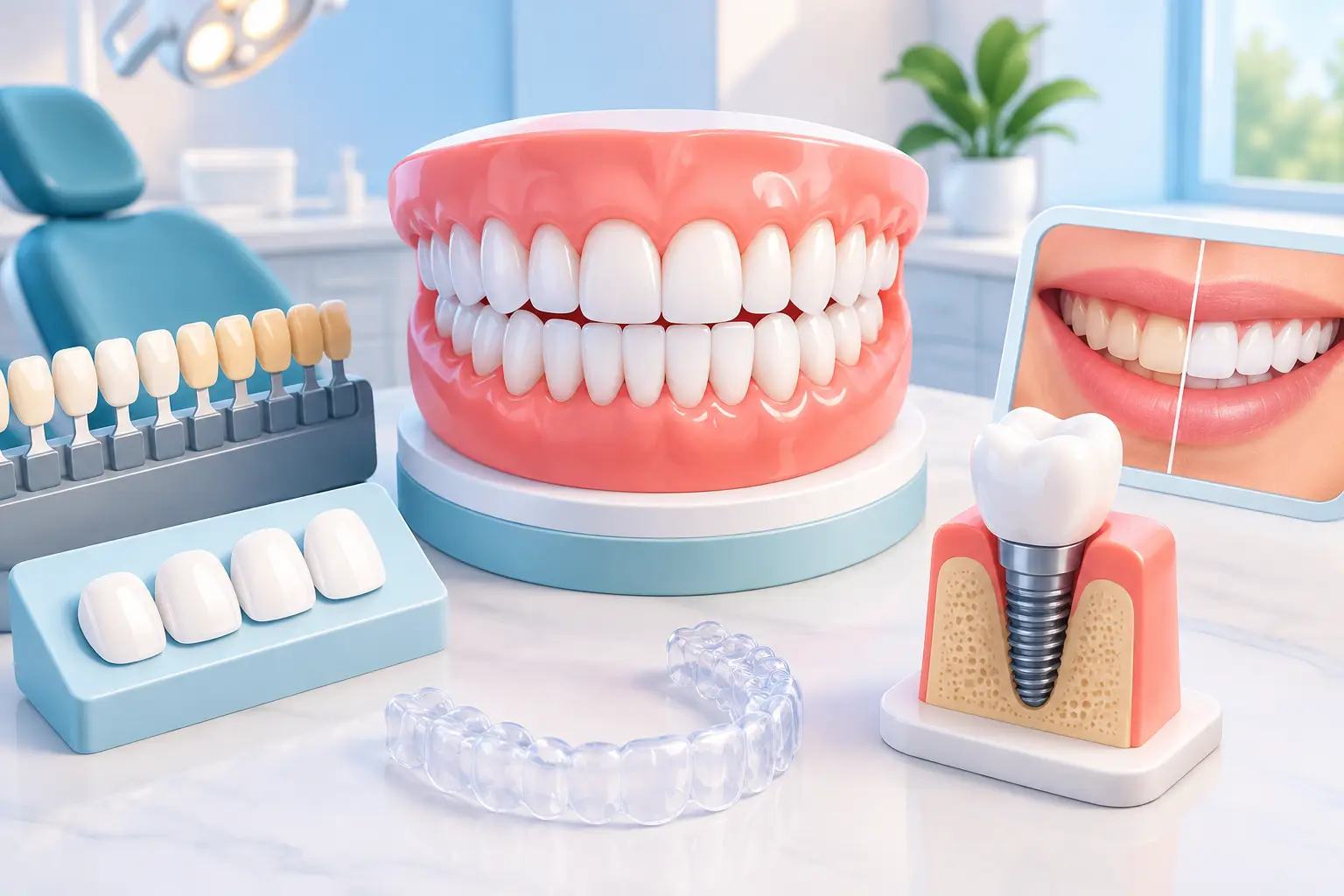
Professional treatment offers more predictable results than over-the-counter products and allows your dental team to help manage sensitivity. Whitening does not change the color of crowns, fillings, veneers, or bonding, however. If you already have visible dental work, your dentist may recommend whitening first and matching any new restorations to your refreshed shade.
Whitening is not permanent. Good home care and occasional touch-ups can help maintain the result, but foods and drinks that stain teeth will still have an effect over time.
Dental Bonding for Small Chips and Gaps
Dental bonding uses tooth-colored composite resin to repair a small chip, soften an uneven edge, close a minor gap, or improve the shape of a tooth. It is a conservative treatment because it often requires little to no removal of natural enamel.
Bonding can be an excellent option when the change is modest and you want a treatment that can often be completed in one visit. The trade-off is durability. Composite resin can stain, chip, or wear more easily than porcelain, especially for people who grind their teeth or frequently bite into hard foods. It may need touch-ups or replacement sooner than veneers or crowns.
Porcelain Veneers for Shape, Color, and Symmetry
Veneers are thin, custom-made porcelain shells bonded to the front surfaces of teeth. They can address several concerns at once, including deep discoloration that does not respond to whitening, worn edges, noticeable gaps, uneven shapes, and minor alignment concerns.
Porcelain reflects light in a way that can look remarkably natural, and it resists staining better than composite bonding. Veneers are a long-term treatment, though, not a casual cosmetic trial. Some enamel is usually adjusted to make room for the porcelain, and veneers will eventually need replacement after years of use.
A careful plan matters. The goal should be a smile that still looks like you, not a generic result that feels too large, too opaque, or too uniform.
Invisalign Clear Aligners for Straighter Teeth
Crooked, crowded, or spaced teeth can make a smile feel less polished, but alignment is not only cosmetic. Teeth that overlap can be harder to clean, and certain bite problems can contribute to uneven wear or chipping.
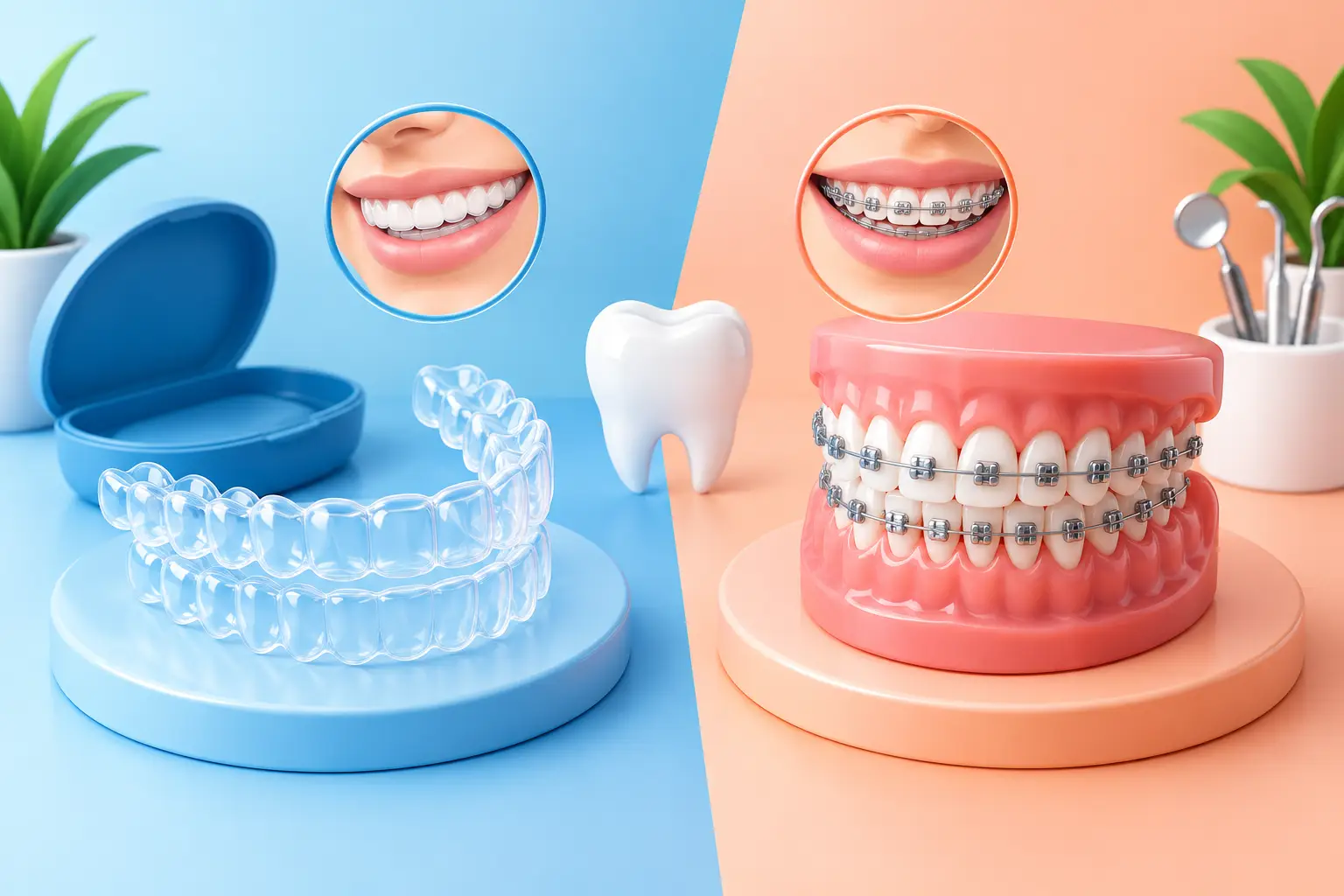
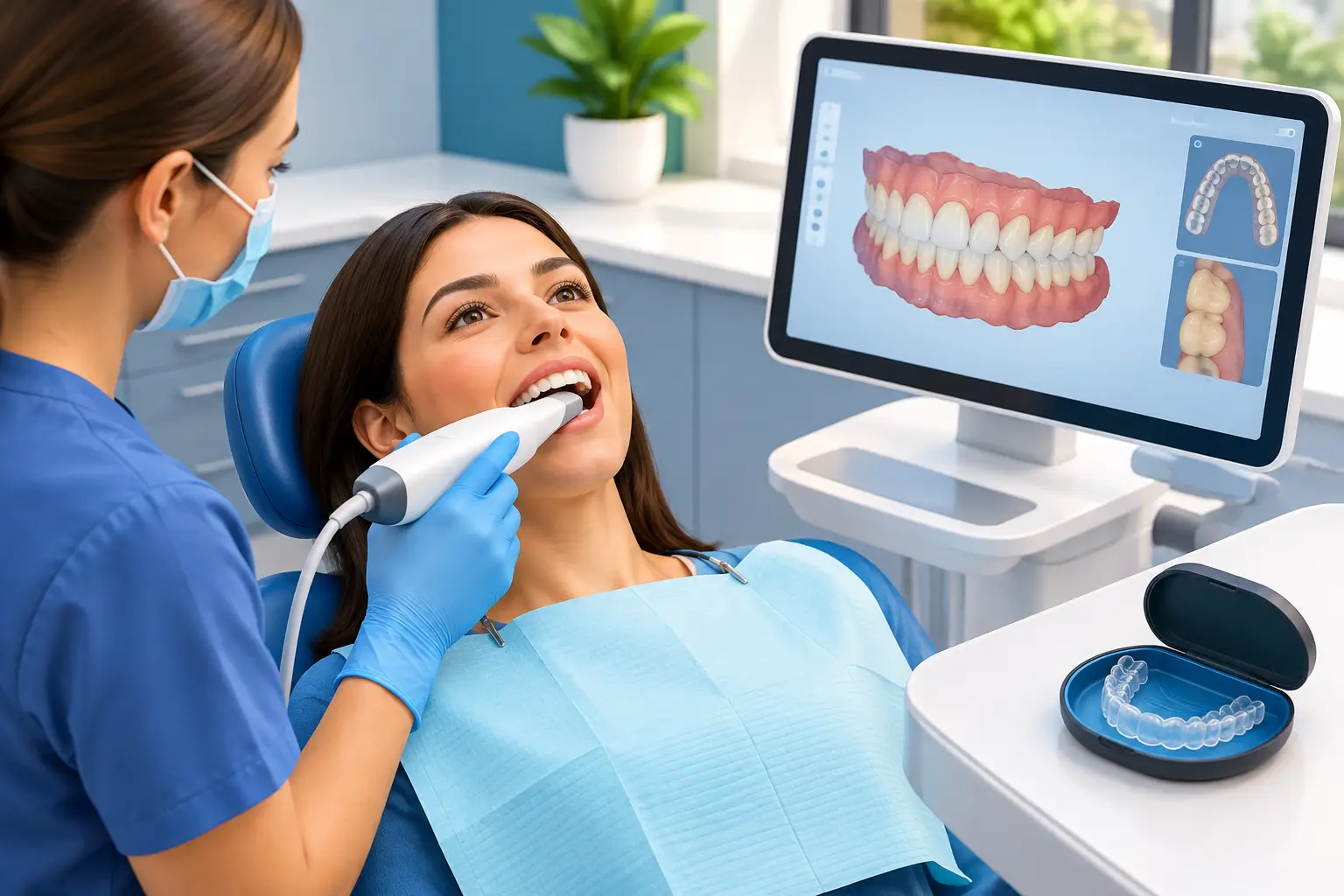
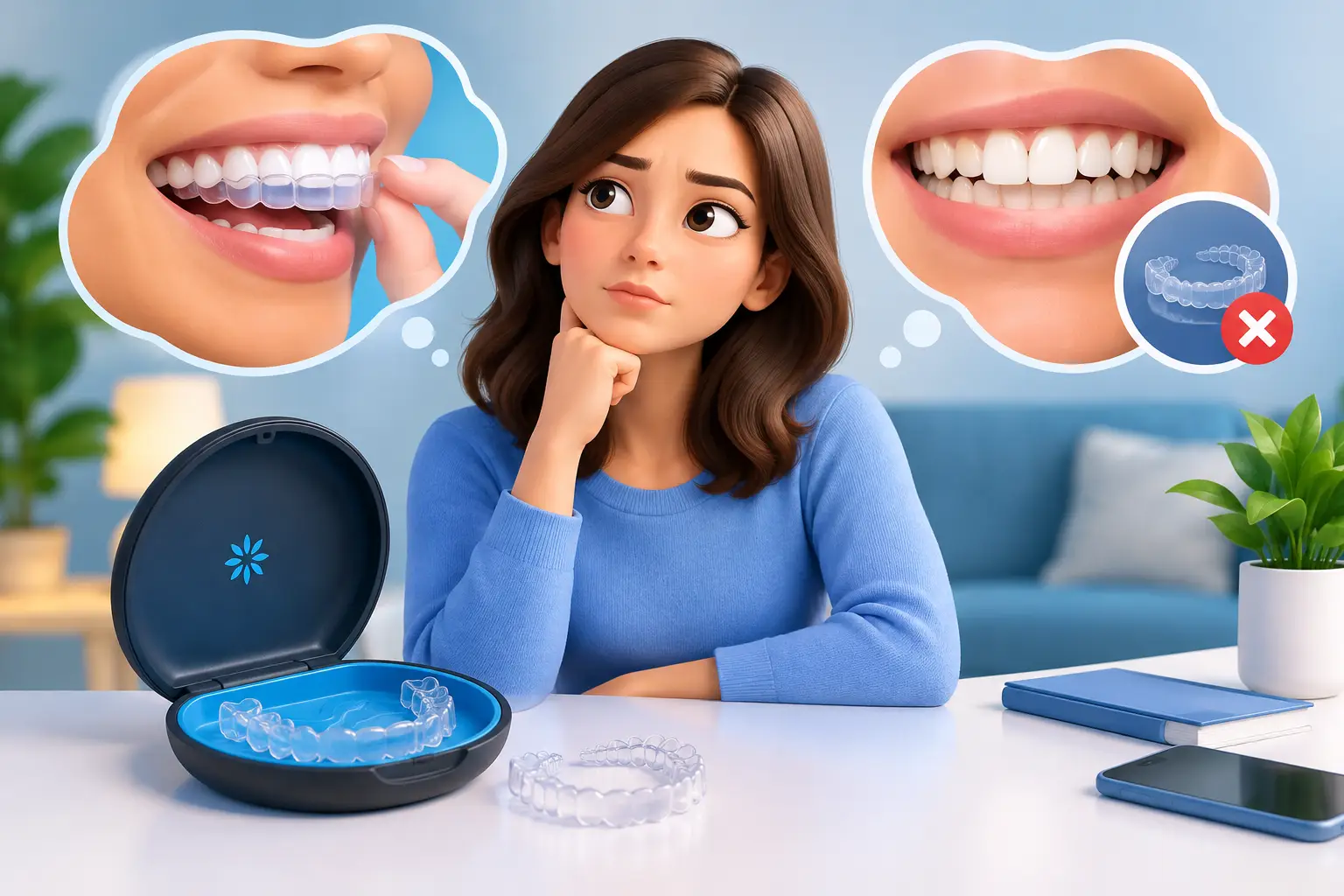
Invisalign clear aligners move teeth gradually through a series of custom trays. Many adults appreciate that the aligners are removable for meals and brushing, and they are generally less noticeable than braces. Treatment time varies based on the complexity of movement and how consistently aligners are worn.
Clear aligners are not the best answer for every orthodontic need. More complex bite problems may require a different approach, and retaining your result afterward is essential. Still, for many adults, orthodontic treatment creates a healthier foundation before whitening, bonding, or veneers are considered.
Crowns for Teeth That Need Strength and Beauty
A dental crown covers the entire visible portion of a tooth. While crowns can improve appearance, their primary purpose is often restorative: protecting a tooth weakened by a large filling, fracture, root canal treatment, or extensive wear.
Modern porcelain crowns can be matched closely to neighboring teeth, restoring a natural color and shape while giving the tooth the strength it needs for chewing. A crown is more comprehensive than a veneer because it covers all sides of the tooth. For that reason, it is usually recommended when a tooth needs structural support, not simply because someone wants a cosmetic change.
Dental Implants for Missing Teeth
A missing tooth can affect your smile, speech, chewing comfort, and confidence. It can also allow nearby teeth to shift and may contribute to bone loss in the jaw over time. A dental implant replaces the root of a missing tooth and supports a custom crown, bridge, or denture.
For many patients, an implant-supported crown feels and functions much like a natural tooth. Treatment does take planning and healing time, and not everyone is ready for an implant immediately. Bone health, gum health, medical history, and the location of the missing tooth all matter.
Complex tooth replacement is where coordinated care can make a meaningful difference. At Seattle Oral Care, a prosthodontist, oral surgeon, periodontist, and general dentist can work together to plan treatment around your long-term function as well as your smile.
Gum Contouring for an Uneven Gumline
Sometimes teeth appear short, uneven, or asymmetrical because of the gum tissue around them. Gum contouring can carefully reshape the gumline to improve balance, often as part of a larger cosmetic plan.
This treatment should always begin with a periodontal evaluation. Healthy gums are the foundation of every attractive smile, and gum recession or inflammation needs appropriate care rather than a purely cosmetic solution.
How to Choose Between Cosmetic Options
It can be tempting to ask for the fastest treatment, especially before a wedding, reunion, or professional milestone. Speed matters, but it should not be the only consideration. A treatment that looks good for a few months may not be the best value if it does not suit your bite, habits, or oral health .
Think about your main goal. If your teeth are healthy but stained, whitening may be all you need. If your teeth are crowded, aligners may be a better first step than placing veneers over misaligned teeth. If a tooth is broken or heavily filled, a crown may offer the protection that bonding or a veneer cannot.
It also helps to be open about teeth grinding, sensitivity, tobacco use, and your willingness to keep up with maintenance. A nightguard may be recommended to protect veneers, bonding, or crowns if you clench or grind. Regular cleanings, exams, and thoughtful home care protect the work you choose.
A Smile Plan Should Feel Clear, Not Pressured
Cosmetic dentistry should never leave you feeling rushed into a treatment you do not understand. Ask to see what each option can and cannot accomplish, how much natural tooth structure is involved, what maintenance will look like, and what happens if a restoration needs repair in the future.
The right plan may be beautifully simple, or it may happen in phases. Either way, a calm conversation and a complete exam can replace uncertainty with a path forward that feels comfortable, practical, and truly your own.