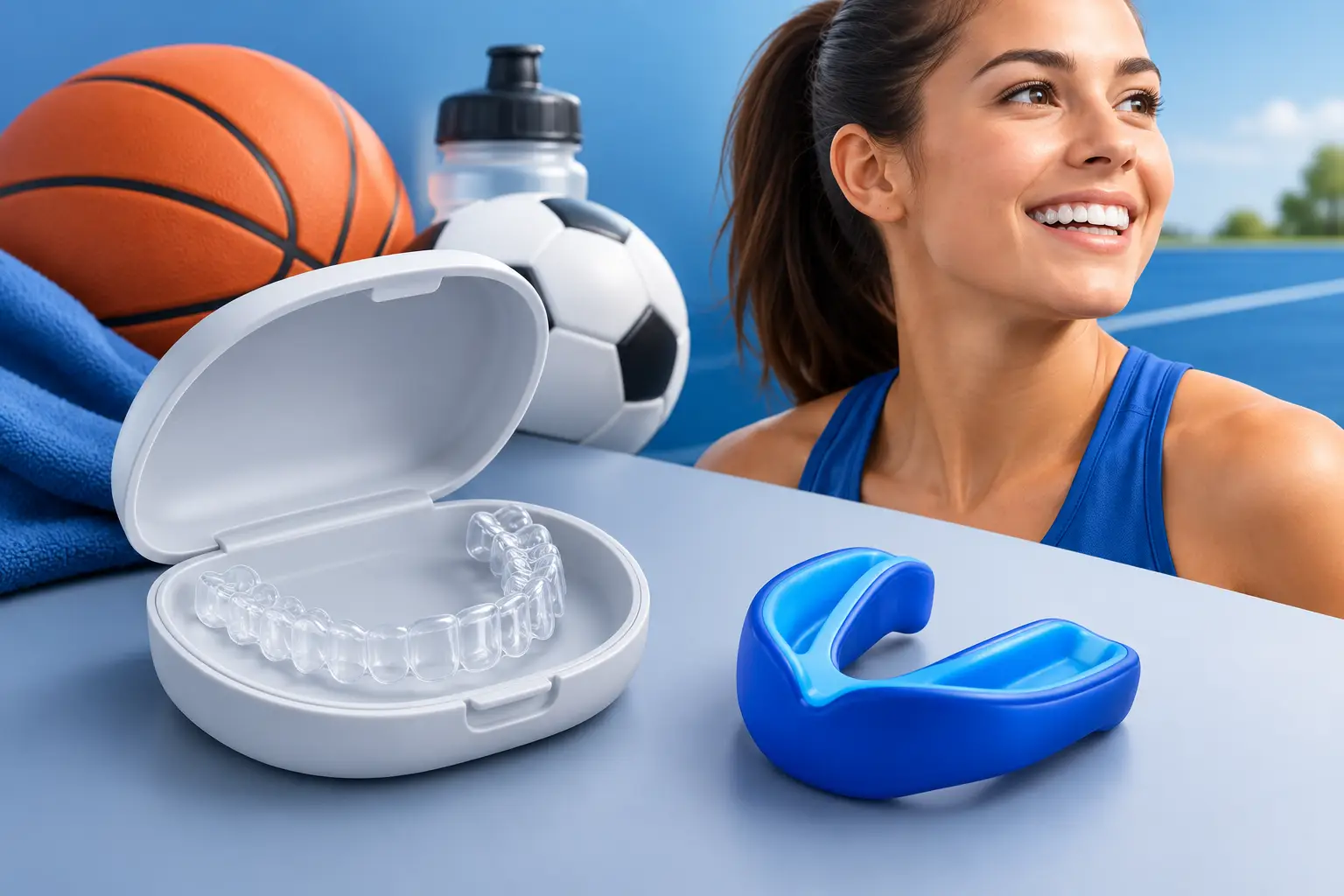

A retainer that suddenly feels tight, a front tooth that has turned slightly, or a small gap that has reappeared can make your smile feel different in photos and conversations. If you are asking about Invisalign Express, Invisalign Express cost, Invisalign Express candidacy, how fast is Invisalign Express, or Invisalign Express vs full treatment, the answer begins with one question: how much tooth movement do you actually need?
Invisalign Express is designed for limited orthodontic correction. It can be an efficient option when the goal is to address a small amount of crowding, spacing, or orthodontic relapse without taking on a more comprehensive treatment plan.
What Invisalign Express Can Treat
Invisalign Express uses clear, custom-made aligners to move teeth gradually. The aligners are removable, discreet, and generally worn for 20 to 22 hours each day. You remove them to eat, drink anything other than water, and brush and floss.
This treatment is often a good fit for adults whose overall bite is stable but whose visible front teeth have shifted. Common concerns include a mildly crooked lower front tooth, a small space between upper teeth, or minor movement after braces or previous clear aligner treatment.
That limited scope matters. Express treatment is not simply a faster version of orthodontics for every smile. It is intended for predictable, modest movements. If teeth need significant rotation, the bite needs correction, or several teeth must be moved to create healthy spacing, a broader Invisalign plan may better protect the result.
Invisalign Express Candidacy Depends on More Than Straight Teeth
A consultation should look beyond what is visible in the mirror. Your dentist evaluates tooth alignment, bite function, gum health, bone support, existing crowns or bridges, and any signs of grinding or jaw strain. Digital scans and diagnostic records help determine whether the proposed movements are realistic and stable.
Healthy gums are essential before orthodontic movement begins. Active gum disease should be treated first. Likewise, dental implants do not move with aligners, so their position must be factored into the plan. These details do not automatically rule out clear aligners, but they affect which teeth can move and what result is possible.
Invisalign Express candidacy is strongest when expectations match the treatment. If your goal is a modest cosmetic refinement, it may be an excellent choice. If you want to change a deep bite, correct substantial crowding, or improve complex bite relationships, full treatment is usually the more responsible recommendation.
Invisalign Express Cost and Timeline
Invisalign Express cost varies because no two limited-treatment plans are identical. Fees may reflect diagnostic records, the number of aligners required, monitoring visits, attachments, possible refinements, and whether retainers are included. Dental insurance may offer orthodontic benefits for some patients, though coverage depends on the individual plan.
A clear estimate should explain what is included before treatment starts. The least expensive option is not always the best value if it leaves out retainers, follow-up care, or the refinement aligners needed to reach the planned result.
So, how fast is Invisalign Express? Many patients complete active treatment in roughly three to six months, though some cases finish sooner and others take longer. Aligners are commonly changed every one to two weeks, based on your clinical plan.
Wear time is the biggest factor you control. Leaving aligners out for long stretches can slow tooth movement and extend the Invisalign Express timeline. Regular check-ins allow your dental team to confirm that teeth are tracking as expected and make adjustments when needed.
Invisalign Express vs Full Treatment
The central difference between Invisalign Express vs full treatment is not just duration or cost. It is the complexity of the problem being treated. Express focuses on small, targeted changes. Full Invisalign treatment allows for more aligners and a wider range of movements, including more substantial crowding, spacing, bite correction, and coordination between upper and lower teeth.
Full treatment typically takes longer, but it may prevent compromise when a minor-looking concern is connected to a larger bite issue. Moving only the teeth you see can be tempting, yet a plan that respects the health and function of your whole bite is often the better long-term choice.
At Seattle Oral Care, the goal is not to fit every patient into the shortest plan. It is to help you understand the options, feel comfortable asking questions, and choose treatment that supports a healthy, confident smile. A thoughtful evaluation can tell you whether a few aligners are enough or whether your smile deserves a more comprehensive approach.