A missing tooth can set off a chain reaction below the gumline. After an extraction, the jawbone in that area naturally begins to shrink. If enough bone is lost, an implant may not have the stable foundation it needs. That is why the bone graft for dental implants cost is often part of an implant conversation - but it is not an automatic expense for every patient.
A bone graft is an investment in the support structure of your future tooth. The right approach depends on what your bone looks like today, where the missing tooth is located, and how much rebuilding is needed for a secure, natural-looking result. A careful exam and 3D imaging are the only reliable ways to know whether grafting is recommended and what it may cost.
How Much Is a Bone Graft Before Implants?
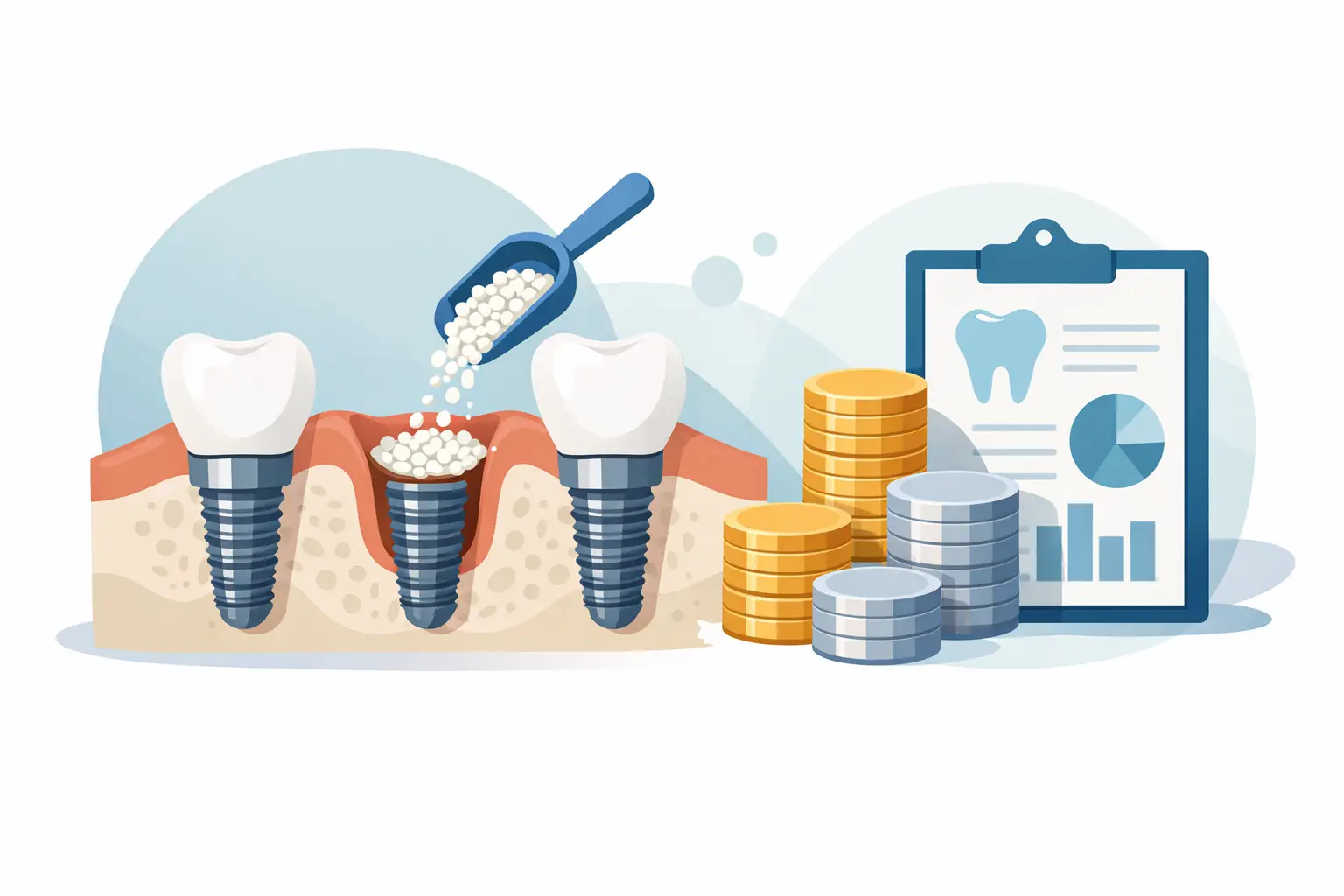
Dental bone graft cost varies widely because “bone graft” describes several different procedures. For a small graft placed in a single extraction socket, patients may see costs in the range of several hundred dollars. A more involved graft to rebuild a ridge before an implant can range from roughly $500 to $1,500 or more per area. Complex grafting, such as a larger block graft or sinus lift in the upper back jaw, may cost $1,500 to $5,000 or more depending on the procedure and clinical needs.
These are general planning ranges, not a substitute for an individual estimate. Costs in the Seattle area may also differ from national averages based on the type of practice, diagnostic technology, surgical expertise, and materials used.
The graft fee is usually separate from the implant itself, the abutment, and the final crown. It may also be separate from an extraction, sedation, imaging, and any treatment needed to manage gum disease or infection first. A detailed treatment plan should show these elements clearly, so there are no surprises as care moves forward.
Dental Bone Graft Cost Factors That Matter
The size and complexity of the graft are the biggest drivers of cost. A small amount of bone added immediately after one tooth is removed is very different from rebuilding an area that has been missing a tooth for years.
The type of grafting procedure
Socket preservation is generally the least extensive form of grafting. It is placed after an extraction to help preserve the shape and volume of the bone while the site heals. Ridge augmentation rebuilds bone that has already narrowed or lost height. A sinus lift adds bone beneath the sinus cavity in the upper jaw when there is not enough vertical bone for a back-tooth implant.
Each procedure requires different planning, materials, surgical time, and healing expectations. More extensive grafting can add several months to the implant timeline, but it may create the stable foundation that helps an implant last.
The graft material and protective membrane
Graft material may come from processed human donor bone, animal-derived mineral, synthetic material, or, in certain situations, a patient’s own bone. These materials are carefully selected for the location and purpose of the graft. Many grafts also require a membrane, which protects the area and helps guide healing.
The material itself is only one part of the fee. Proper placement, blood supply, closure of the tissue, and follow-up all affect how well the graft integrates with your own bone.
The condition of the site
Active infection, gum disease, thin gum tissue, previous failed dental work, or significant bone loss can make treatment more complex. Sometimes an extraction and graft can be completed at the same visit. In other cases, the infection must heal first or the bone must be rebuilt in stages.
The location matters, too. Front teeth often require particularly careful planning because the bone and gum contour affect the appearance of the final smile. Back teeth may involve stronger chewing forces or the sinus cavity. A recommendation for grafting is not simply about placing an implant - it is about placing it in the right position for function, comfort, and appearance.
Diagnostic and specialist care
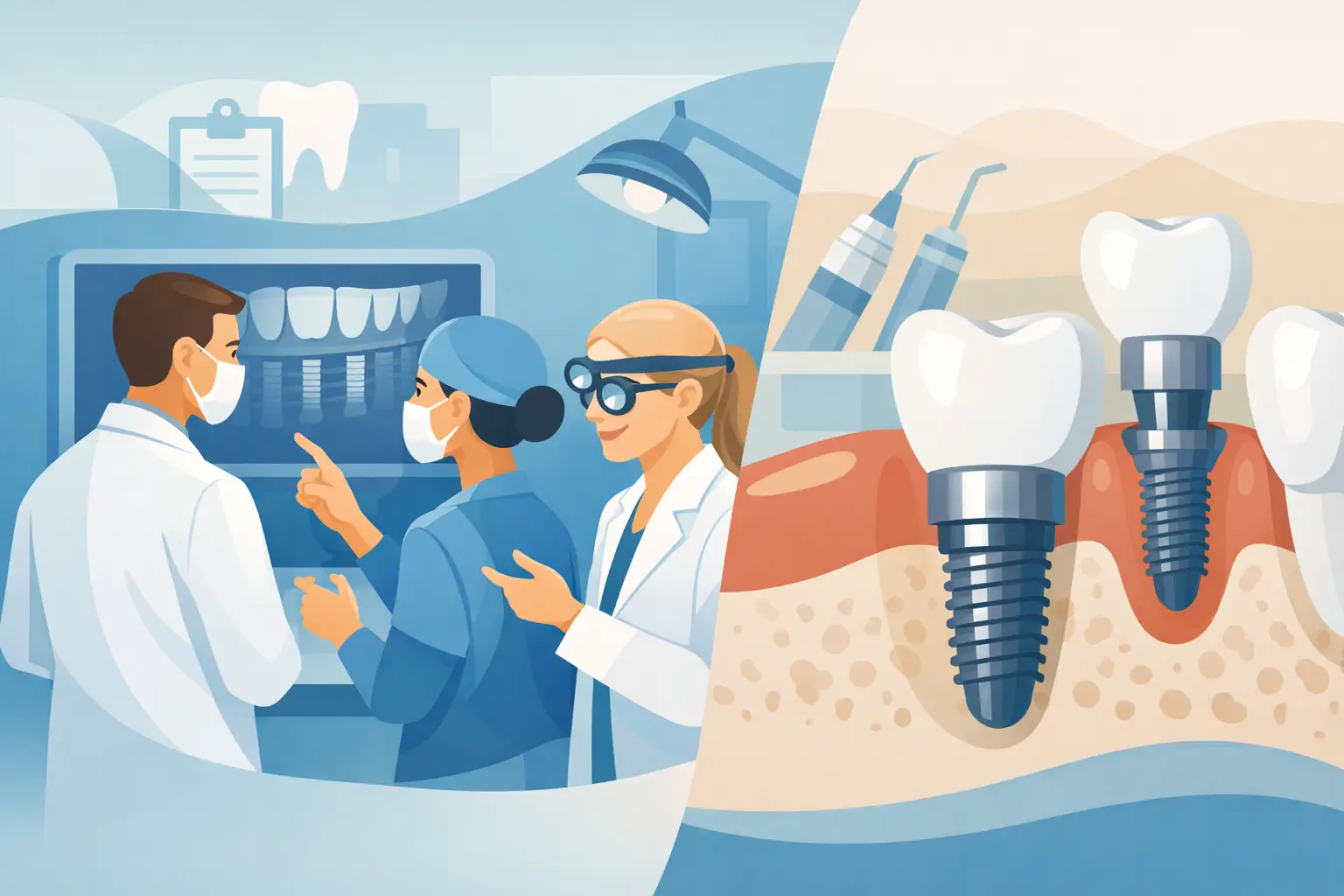
A 3D cone beam CT scan can show bone volume, nearby nerves, sinus anatomy, and other details that do not appear on a standard X-ray. This information can prevent guesswork and support a safer treatment plan.
For complex cases, coordinated care among a prosthodontist, oral surgeon, periodontist, and general dentist can be valuable. It may not be the lowest initial-cost path, but planning the surgical and restorative phases together can help avoid compromises that are costly to correct later.
Bone Graft Cost Per Tooth and Socket Preservation Cost
It is understandable to ask for a bone graft cost per tooth. In reality, grafting is usually priced by the surgical site and the procedure needed, rather than by a simple per-tooth formula. One extraction socket may need a small amount of graft material, while another site may need a membrane, more extensive augmentation, or staged treatment.
For a straightforward extraction site, socket preservation cost commonly falls in the several-hundred-dollar range, often approximately $300 to $800. The exact fee can be higher when the tooth is difficult to remove, infection is present, or additional protective materials are needed.
Socket preservation can be a practical choice even if you are not ready for an implant immediately. It does not guarantee that no future grafting will be needed, but it can reduce the amount of bone loss that naturally follows extraction. For patients considering an implant later, preserving the site early may be simpler and less expensive than rebuilding significant bone loss months or years afterward.
Is Bone Grafting Covered by Insurance?
The answer to “is bone grafting covered by insurance?” is often: partially, sometimes, or not at all. Many dental plans classify implants and procedures directly related to implants as elective or exclude them from coverage. That can include grafting performed specifically to prepare an implant site.
However, coverage is plan-specific. Some policies may contribute toward grafting associated with an extraction, periodontal treatment, trauma, or another medically necessary condition. Annual maximums, waiting periods, deductibles, frequency limits, and out-of-network rules can all affect what you pay.
Before treatment begins, ask for a written estimate and, when possible, a benefits review. A benefits quote is not a guarantee of payment from an insurer, but it can clarify likely coverage. Even when insurance does not cover the graft, the procedure may still be the right clinical decision for protecting your long-term implant outcome.
Dental Bone Graft Financing and Planning Options
A thoughtful treatment plan should make room for financial questions. If grafting is needed, it may be possible to stage treatment: complete the extraction and preservation graft first, allow healing, then place the implant and final restoration later. Staging does not lower every cost, but it can spread appointments and payments over time.
Dental bone graft financing may include third-party healthcare financing, payment plans offered through a practice, or using health savings account or flexible spending account funds when eligible. The best option depends on your budget, timing, and the terms of financing. Be sure to review interest rates, promotional expiration dates, monthly payment requirements, and any fees before choosing a plan.
It can also help to compare treatment plans based on what is included, not only the headline number. Ask whether the estimate includes imaging, graft material, membranes, surgical follow-up, implant placement, the abutment, and the final crown. A lower quote may reflect a smaller scope of care rather than the same procedure.
A Graft Is Recommended for a Reason
No one wants an extra procedure added to a dental plan. Still, when bone grafting is recommended, the goal is usually to protect your options and improve the chances of a stable implant result. Skipping a needed graft can lead to poor implant positioning, compromised appearance, or inadequate long-term support.
At Seattle Oral Care, implant planning is approached with the full picture in mind: your bone health, bite, gums, goals, comfort, and budget. The most useful next step is not trying to predict your exact cost from a chart. It is having a clear, unhurried consultation where you can understand what your specific site needs and make a decision with confidence.