A crooked lower tooth that shows in video meetings. A gap that has slowly become more noticeable. Teeth that shifted after braces years ago. These are common reasons adults ask about Invisalign for adults - and they deserve a thoughtful answer, not a one-size-fits-all promise.
Clear aligners can be an excellent orthodontic option for many adults who want a healthier, more confident smile without the appearance of traditional braces. But the right treatment depends on more than whether you want something discreet. Your bite, gum health, existing crowns or implants, treatment goals, and ability to wear aligners consistently all matter.
At Seattle Oral Care, the conversation begins with listening. We want to understand what you notice, what concerns you about treatment, and what outcome would make a meaningful difference in your everyday life.
Why Adults Choose Clear Aligners
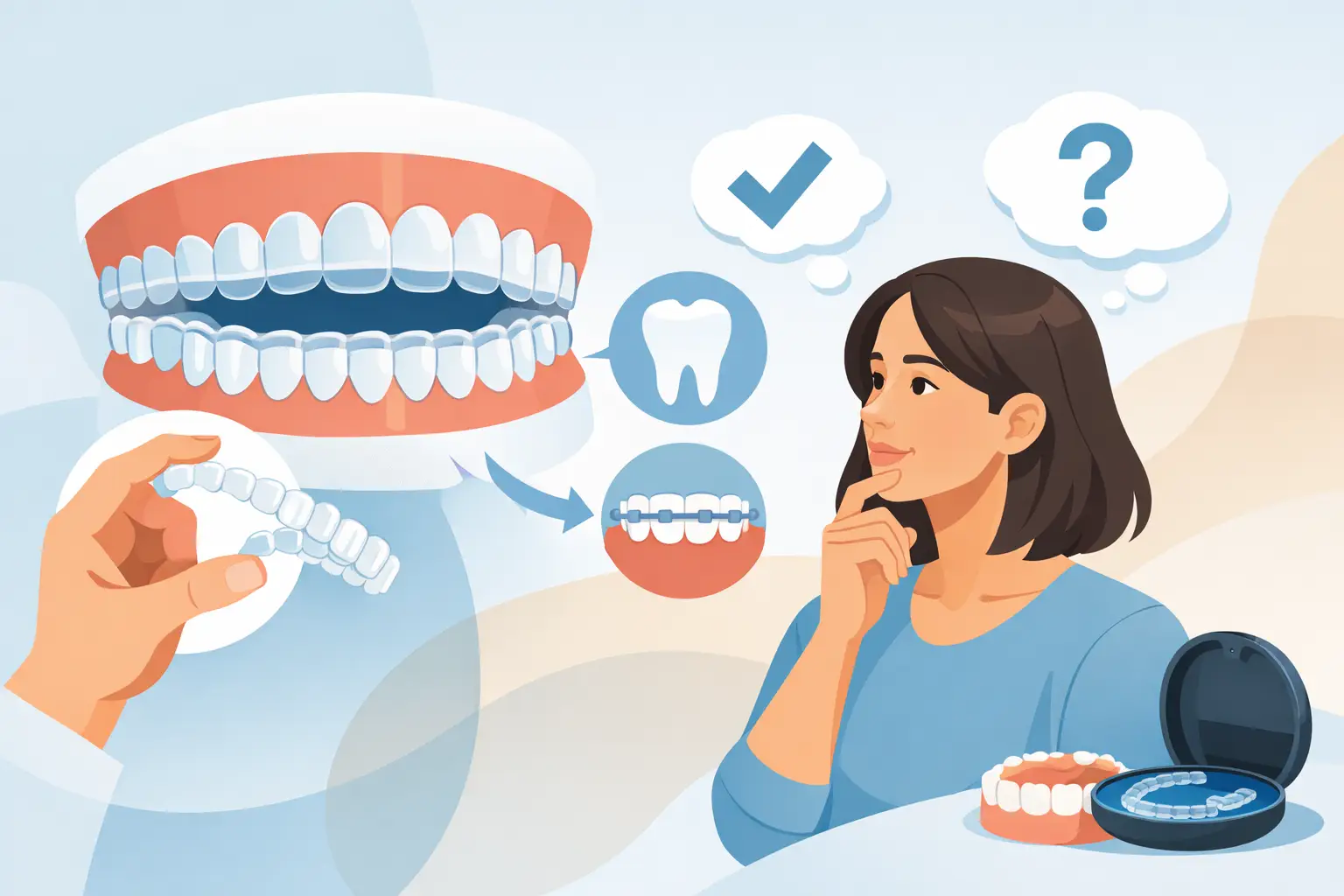
Adults often put off orthodontic treatment because they picture brackets, wires, frequent disruptions, or a smile that feels too noticeable at work. Invisalign aligners are clear, removable trays custom designed to guide teeth through planned movements over time. For the right patient, they offer a less visible and more flexible way to straighten teeth.
The ability to remove aligners for meals is a major benefit. There are no food restrictions from brackets and wires, and brushing and flossing can remain part of your normal routine. That can be particularly helpful for adults who are already managing busy schedules, professional responsibilities, or regular travel.
Clear aligners can address many concerns, including mild to moderate crowding, spacing, rotated teeth, bite problems, and relapse after earlier orthodontic treatment. They may also be part of a larger restorative plan. Moving teeth into a healthier position can create better space for a future implant , crown, bridge, or other restorative work.
That flexibility does not mean aligners are casual treatment. Orthodontic movement affects your bite, the way your teeth contact each other, and the long-term health of your smile. Careful planning is what turns a cosmetic wish into a result that functions well.
Is Invisalign for Adults a Good Fit?
The best candidates are adults who can wear their aligners about 20 to 22 hours each day. Aligners should come out for eating, drinking anything other than water, and brushing and flossing. Then they need to go back in. This routine sounds simple, but consistency is central to keeping treatment on track.
Invisalign may be especially appropriate if your teeth are generally healthy and you have a clear orthodontic goal. Adults who had braces as teenagers and now see gradual shifting are often good candidates. Others may have crowding that makes cleaning difficult, gaps they would like to close, or a bite that feels uneven.
Still, clear aligners are not automatically the best answer for every smile. More complex tooth movements, significant jaw discrepancies, or severe bite concerns may call for a different orthodontic approach or a discussion of alternatives. Some cases can be treated with aligners, but may require attachments - small tooth-colored shapes placed on teeth to help aligners create more precise movement - or additional refinement trays near the end of treatment.
An in-person examination is the only reliable way to know what is realistic. A clear, honest consultation should explain not only what aligners can do, but also where the limits are and what you can expect from the process.
Your Dental Health Comes First
Adults frequently have more dental history than teens. You may have fillings, crowns, bridges, implants, gum recession, worn teeth, or past dental work that needs to be considered before orthodontic treatment begins. None of these automatically rules out Invisalign, but they make coordinated planning more important.
Healthy gums are essential. If there is untreated gum disease, active decay, or an infection, those issues should be addressed before teeth are moved. Aligners fit closely over the teeth, so good daily home care and regular professional care matter throughout treatment.
Existing crowns can often be moved with natural teeth, although they may need special attention during planning. Dental implants are different: an implant is integrated into the jawbone and does not move orthodontically. If you have an implant or expect to need one, the sequence of treatment matters. In some cases, orthodontics happens first to create the proper space and position for a planned implant-supported crown. In others, the treatment plan needs to work around a restored tooth already in place.
This is where a comprehensive practice can be especially valuable. When orthodontic, restorative, periodontal, and surgical needs are considered together, your treatment can be planned around the long-term health and function of your smile rather than a single cosmetic change.
What Treatment Usually Looks Like
After a detailed exam and digital records, your dentist develops a plan for how teeth can move and how your bite should come together. You will receive a series of custom aligners, typically changing to the next set according to your prescribed schedule. Follow-up visits let your care team check your progress and make sure your teeth are tracking as expected.
The timeline varies. Limited alignment may take several months, while more comprehensive treatment often takes a year or longer. It depends on the amount and type of movement needed, how consistently aligners are worn, and whether refinements are needed. A fast promise can sound appealing, but careful movement is more valuable than rushing toward an arbitrary finish date.
Some patients also need small enamel adjustments between teeth to create space, or attachments to improve control over a tooth movement. These details are normal parts of many aligner plans. Your dentist should explain why they are recommended before treatment starts, so there are no surprises.
You may feel pressure for a day or two after starting a new tray. That is usually a sign that the aligner is actively guiding teeth. Most patients find the sensation manageable, and there are no wires that can poke or brackets that can irritate the inside of the mouth.
The Commitment That Protects Your Results
The removable nature of Invisalign is both a benefit and a responsibility. If aligners spend too much time in a case instead of on your teeth, treatment can slow down or teeth may not move as planned. Wearing them overnight is not enough. The recommended daily wear time is what makes each set of aligners effective.
You will also need to clean the aligners and maintain careful brushing and flossing. After meals, brushing before reinserting trays helps prevent food and bacteria from being held against your teeth. If you drink coffee, tea, red wine, or other staining beverages with aligners in, the trays can discolor and the liquid may remain against the teeth longer than intended.
When active treatment is complete, retainers are essential. Teeth naturally tend to shift throughout adulthood, whether you have had braces, aligners, or neither. Retainers are how you protect the investment you made in your new alignment. For many adults, ongoing nighttime retainer wear is the practical long-term plan.
Questions Worth Asking Before You Start
A consultation should leave you feeling informed, not pressured. Ask what your specific treatment is designed to correct, how long it is expected to take, and whether attachments or refinements are likely. If you have crowns, implants, gum concerns, grinding habits, or plans for cosmetic dentistry , ask how those factors affect the sequence of care.
It is also reasonable to ask what happens if aligners are lost, if you are not tracking as expected, or if your goals change during treatment. Clear communication about fees, follow-up visits, retainers, and the expected responsibilities at home can make the experience feel far more manageable.
The right orthodontic plan is not simply about making teeth look straighter in photos. It should support easier cleaning, a comfortable bite, and dental work that is planned to last. If you have been thinking about changing your smile, a personalized examination can give you the clarity to move forward at a pace that feels right for you.