The first few nights with an oral appliance can feel encouraging: less snoring, a quieter bedroom, or more energy in the morning. But the appliance is only one part of treatment. For a new wearer wondering what ongoing care involves, oral appliance follow-up visits, sleep apnea appliance check-ups, and monitoring oral appliance therapy are all parts of the same long-term care plan.
These visits are not meant to make treatment feel complicated. They are how your dental sleep provider confirms that your appliance remains comfortable, protects your teeth and jaw joints, and continues to support the sleep goals identified by your physician and care team.
Why oral appliance follow-up visits matter
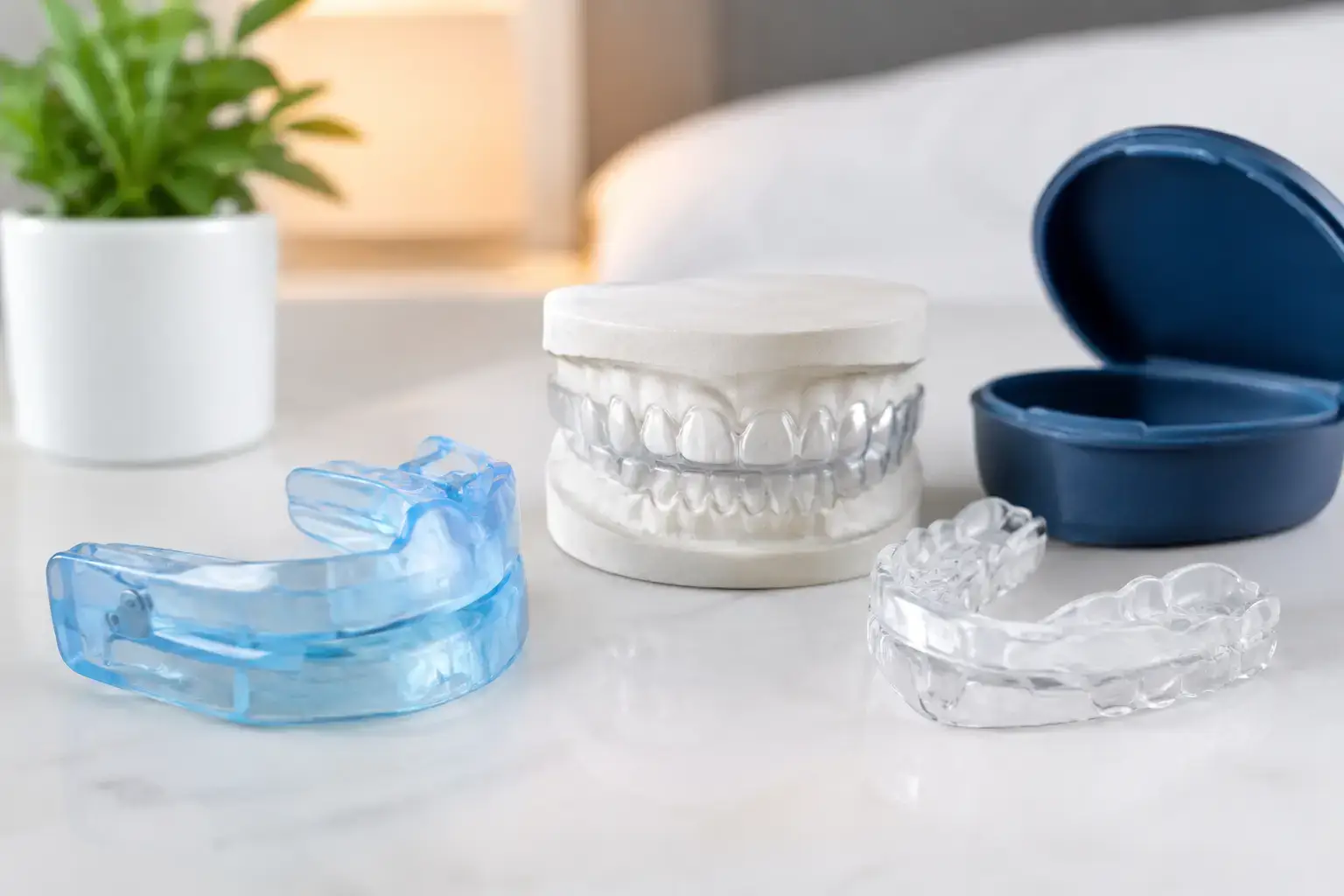
An oral appliance holds the lower jaw in a carefully planned position to help keep the airway more open during sleep. Even a well-made appliance may need small adjustments as you adapt to wearing it. Your muscles, jaw joints, teeth, gums, and sleep symptoms can all provide useful information about whether the fit and position remain right for you.
Follow-up care also helps catch small concerns before they become larger ones. Pressure on a tooth, morning jaw stiffness, a loose appliance, or a subtle bite change may be easy to address early. Waiting until discomfort is significant can make an otherwise simple adjustment more involved.
Just as importantly, comfort alone does not confirm that sleep apnea is fully controlled. Some people feel better quickly but still need objective testing or physician review to verify that the appliance is effectively reducing breathing events.
When follow-up appointments usually happen
The exact schedule depends on your appliance, the severity of your sleep apnea, your dental health, and how easily you adapt. Early visits are generally closer together because this is when fit and comfort need the most attention. Once treatment is stable, check-ups are typically less frequent but still ongoing.
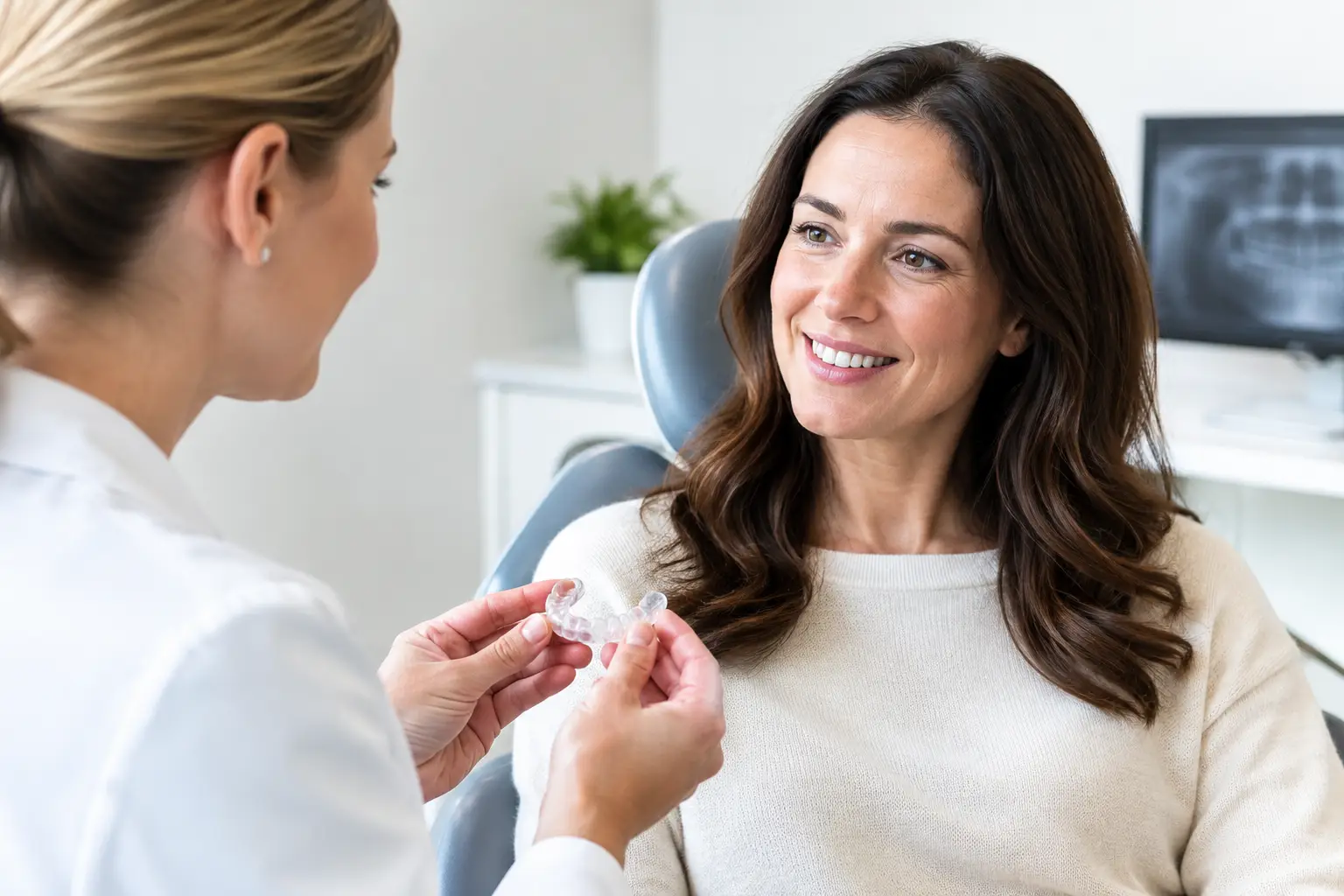
At an early appointment, your provider may ask whether you are wearing the appliance consistently, whether snoring has changed, and whether you wake with headaches, jaw soreness, tooth sensitivity, or dry mouth. Bring the appliance with you, along with any questions from your bed partner or sleep physician.
If your appliance is adjustable, changes are usually made gradually. Moving the jaw farther forward can improve airway support for some patients, but more advancement is not automatically better. It can also increase pressure on the teeth or jaw joints. The goal is the most effective position that you can wear comfortably and consistently.
What sleep apnea appliance check-ups cover
A thoughtful check-up looks beyond whether the appliance still fits. Your provider will usually inspect the appliance itself for wear, cracks, loose components, and areas that may be rubbing against your gums or cheeks. Appliances can wear down over time, especially for people who clench or grind their teeth at night.
Your teeth and gums also need attention. The provider may check for new sensitivity, tooth movement, gum irritation, decay, or changes around restorations such as crowns, bridges, or implants. Oral appliance therapy can be an excellent option for many people, but it needs to work alongside preventive dental care and any restorative treatment already in place.
Your bite is another key part of the appointment. Some patients notice that their teeth do not meet in exactly the same way when they first remove the appliance in the morning. A brief change that resolves after using a morning repositioning device or following your provider's instructions may be expected. A bite that stays changed, feels uncomfortable, or affects chewing deserves a prompt evaluation.
Your provider will also assess the jaw joints and chewing muscles. Mild, short-lived muscle fatigue can occur during the adjustment period. Persistent pain, clicking with discomfort, limited opening, or frequent headaches should not be brushed aside as something you simply have to tolerate.
Your sleep results may need separate confirmation
The dental examination and the sleep evaluation serve different purposes. Your dental provider monitors the appliance, teeth, bite, and jaw health. Your sleep physician or qualified sleep care team determines whether obstructive sleep apnea is adequately treated.
After the appliance reaches a stable therapeutic setting, your physician may recommend a follow-up sleep study, often completed at home. This step is especially valuable when the original apnea was moderate or severe, when symptoms continue, or when treatment decisions affect driving safety, cardiovascular health, or other medical conditions.
Do not rely on snoring alone. Snoring may improve even if apnea has not fully resolved, and some people with sleep apnea do not snore loudly in the first place. Better daytime alertness is welcome, but objective follow-up gives you a clearer answer about treatment effectiveness.
Monitoring oral appliance therapy at home
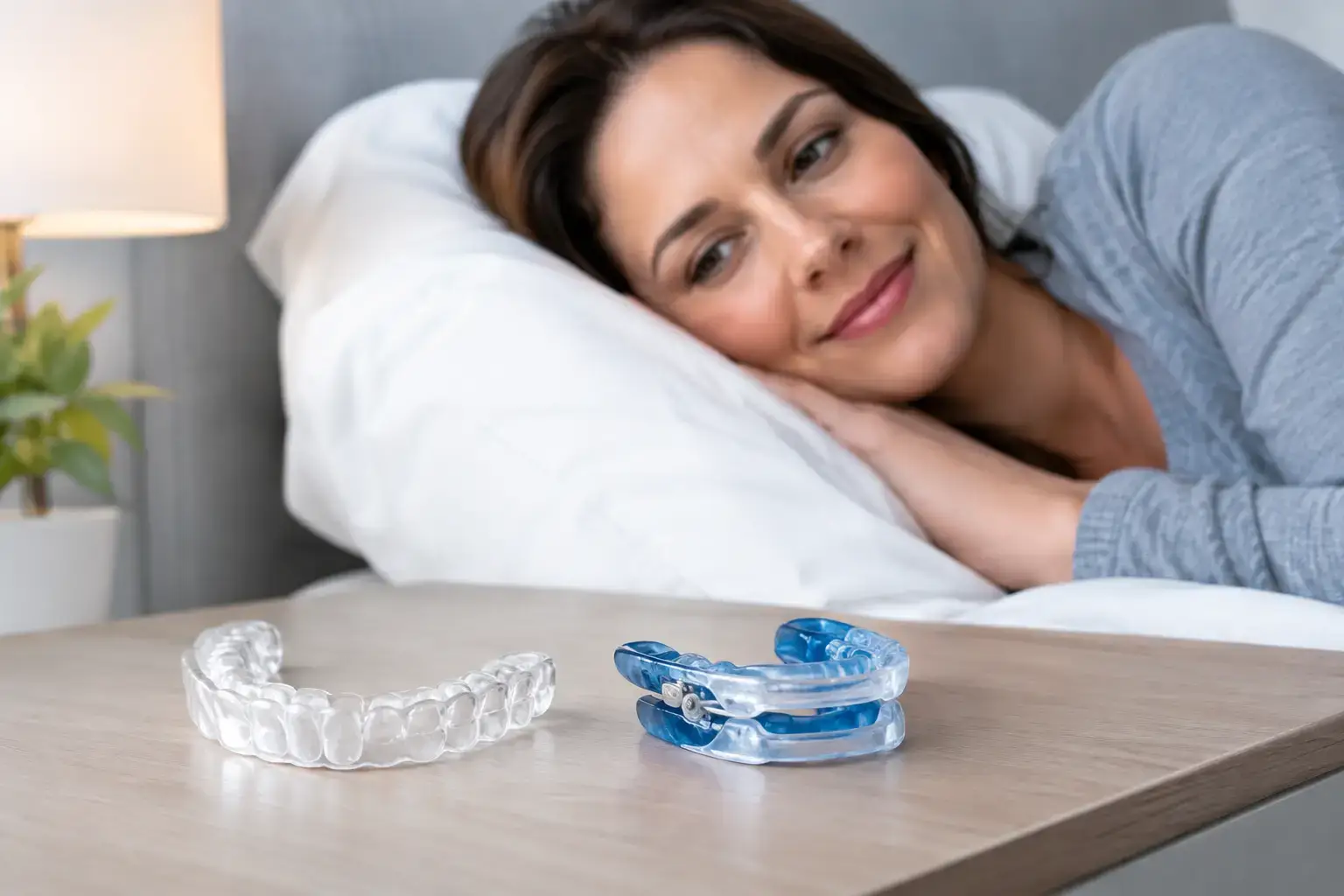
Your daily experience matters between appointments. Clean the appliance as directed, store it safely, and look at it occasionally for rough edges, cracks, or changes in how it snaps into place. Avoid hot water, which can warp many appliance materials.
Pay attention to patterns rather than one isolated night. Note changes in sleep quality, daytime sleepiness, morning headaches, snoring reports, jaw comfort, and how your bite feels after the appliance is removed. A brief note on your phone can make follow-up conversations much more useful.
Consistent wear matters, too. An appliance cannot help on the nights it stays in its case. If you are skipping it because of discomfort, dryness, or trouble sleeping with it, tell your provider. There may be an adjustment or a practical solution that makes regular use easier.
When to call before your next visit
Some concerns should not wait for a routine check-up. Contact your dental sleep provider if the appliance breaks, becomes loose, causes sores, or suddenly no longer fits. Reach out as well for persistent jaw pain, tooth pain, a bite change that does not settle, or worsening sleep symptoms.
You should also tell your medical care team about major health changes, substantial weight changes, new medications that affect sleep or muscle tone, or a return of loud snoring and daytime fatigue. Oral appliance therapy is personalized care, and the plan may need to change as your health changes.
At Seattle Oral Care, oral appliance follow-up care is approached with the same attention given to every long-term dental treatment: careful listening, clear explanations, and adjustments based on your individual response. You should leave knowing how the appliance is performing, what to watch for, and when to return.
A well-fitting oral appliance should support better sleep without asking you to ignore pain or uncertainty. Keeping your follow-up visits is a practical way to protect your teeth, jaw comfort, and progress toward healthier sleep.