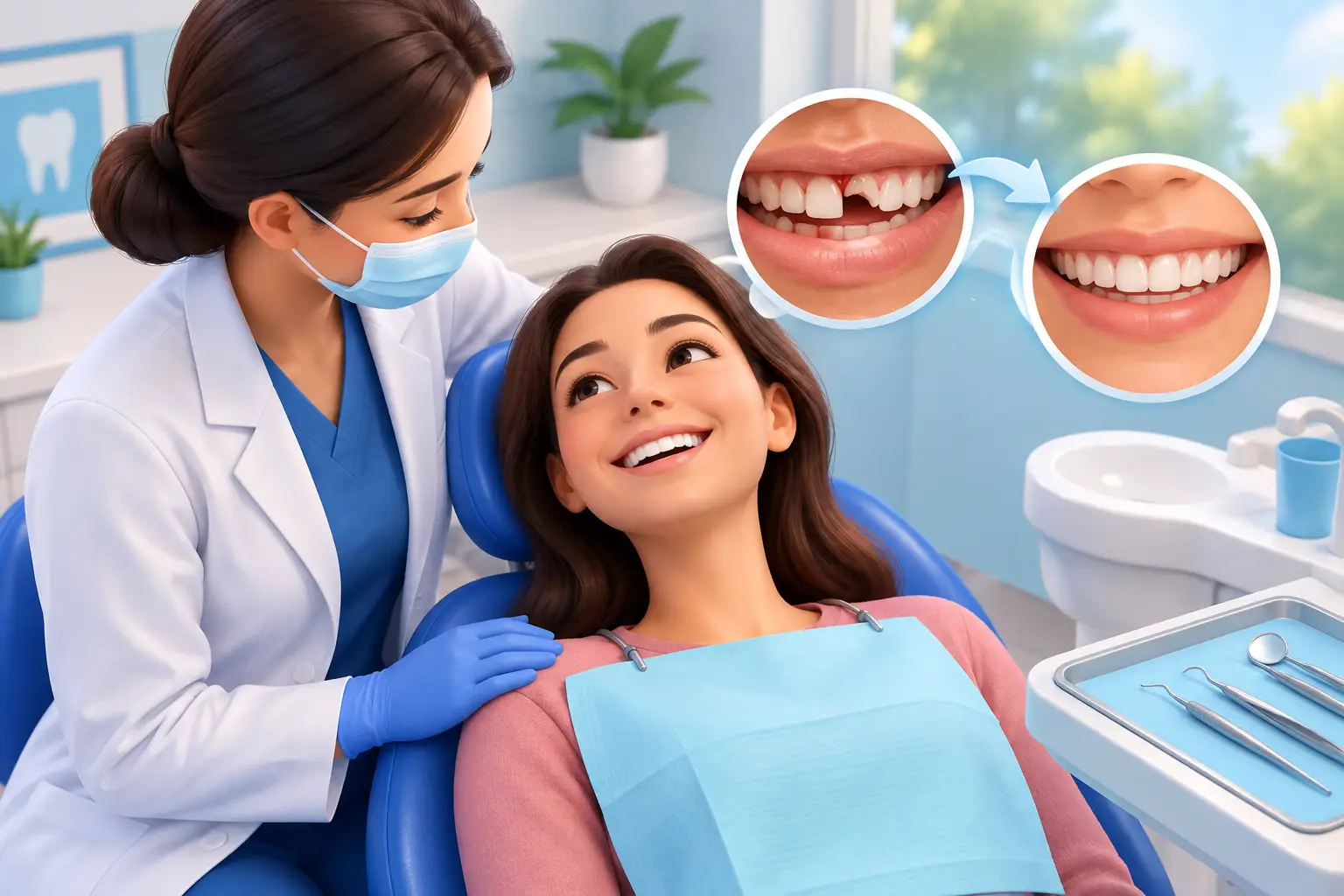
A fall on wet pavement, a bike accident, an unexpected blow during a game - dental trauma can change more than a tooth. It can affect how you eat, speak, smile in photos, and feel when you look in the mirror. Rebuilding smiles after trauma begins with addressing the immediate injury, but thoughtful treatment also looks ahead: protecting your oral health, restoring everyday function, and giving you a result that feels natural.
The right path is rarely a one-size-fits-all procedure. A chipped front tooth and multiple teeth lost in an accident call for very different care. What they share is the need for a calm, thorough evaluation and a plan built around your health, comfort, and long-term goals.
Start With Urgent Care and a Clear Assessment
If a tooth has been knocked out, pushed out of position, fractured deeply, or is causing severe pain or swelling, seek dental care promptly. A knocked-out permanent tooth has the best chance of being saved when it is handled quickly and correctly. Pick it up by the crown, not the root, gently rinse away visible debris if needed, and keep it moist in milk or saliva while arranging emergency dental care. Do not scrub the root.
Even injuries that appear minor deserve attention. A small chip can hide a crack, nerve damage, or an injury to the tooth's supporting structures. Teeth can also change color, become sensitive, or lose vitality weeks or months after an impact. For children, an injury to a baby tooth may affect the developing adult tooth beneath it, so an evaluation remains worthwhile.
A comprehensive exam may include digital imaging, photographs, bite analysis, and an assessment of the gums, jawbone, and neighboring teeth. Your dentist is looking beyond the visible damage. The goal is to understand whether the tooth can be preserved, whether the bite has changed, and whether the surrounding bone and soft tissue are healthy enough for future restoration.
Rebuilding Smiles After Trauma Is Often Phased
After trauma, the first restoration is not always the final restoration. This can feel frustrating when you want your smile back immediately, but it is often the safest way to protect the final result.
In the early phase, care may focus on stabilizing loose teeth, treating pain or infection, repairing sharp edges, or placing a temporary restoration. A temporary crown, bridge, or removable tooth replacement can help you speak and smile with greater confidence while injured tissues heal. If a tooth's nerve has been damaged, root canal treatment may be needed before a permanent crown is placed.
The next phase is restorative planning. Once swelling has resolved and healing is progressing as expected, your care team can decide which teeth are strong enough to retain and which need replacement. This is also the time to consider the appearance of the smile as a whole: tooth shape, color, gum contours, lip support, and how the teeth come together when you bite.
For complex injuries, waiting can be a clinical advantage. Bone and gum tissue may need time to heal before an implant is placed or before a final bridge is designed. In other cases, immediate implant placement may be appropriate. The difference depends on the location of the injury, the condition of the socket and bone, infection risk, and your overall health. A careful recommendation should explain both the timeline and the reason behind it.
Choosing the Right Restoration
Modern dentistry offers several ways to repair or replace damaged teeth. The best option depends on how much healthy tooth structure remains, the number and location of missing teeth, the condition of the gums and bone, and your priorities for durability, appearance, and treatment time.
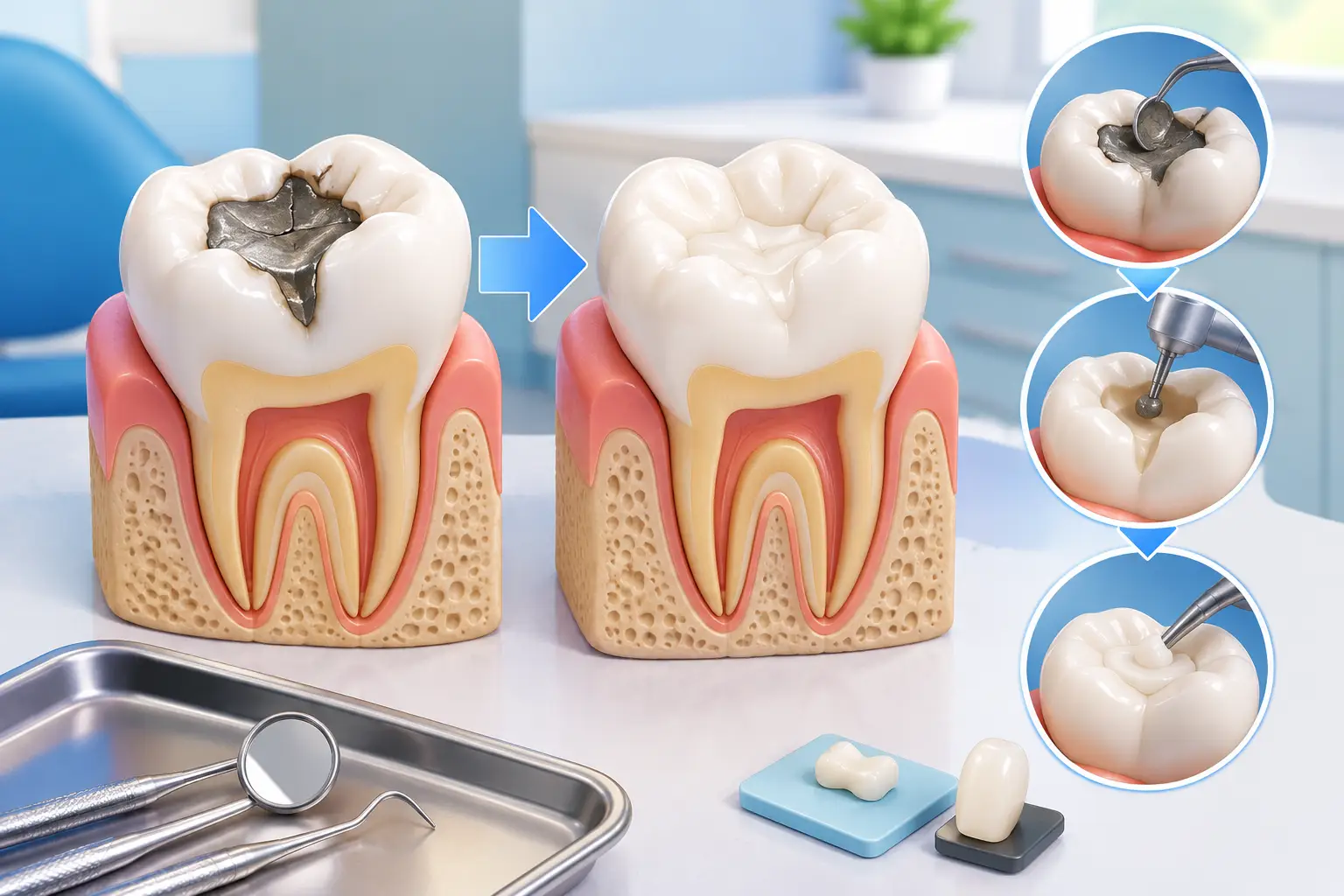
A small chip may be repaired with tooth-colored bonding. Bonding is conservative and can often be completed in one visit, though it may be more prone to staining or chipping than ceramic over time. For a more substantial fracture, a porcelain veneer or crown may provide stronger coverage and a more stable long-term esthetic result.
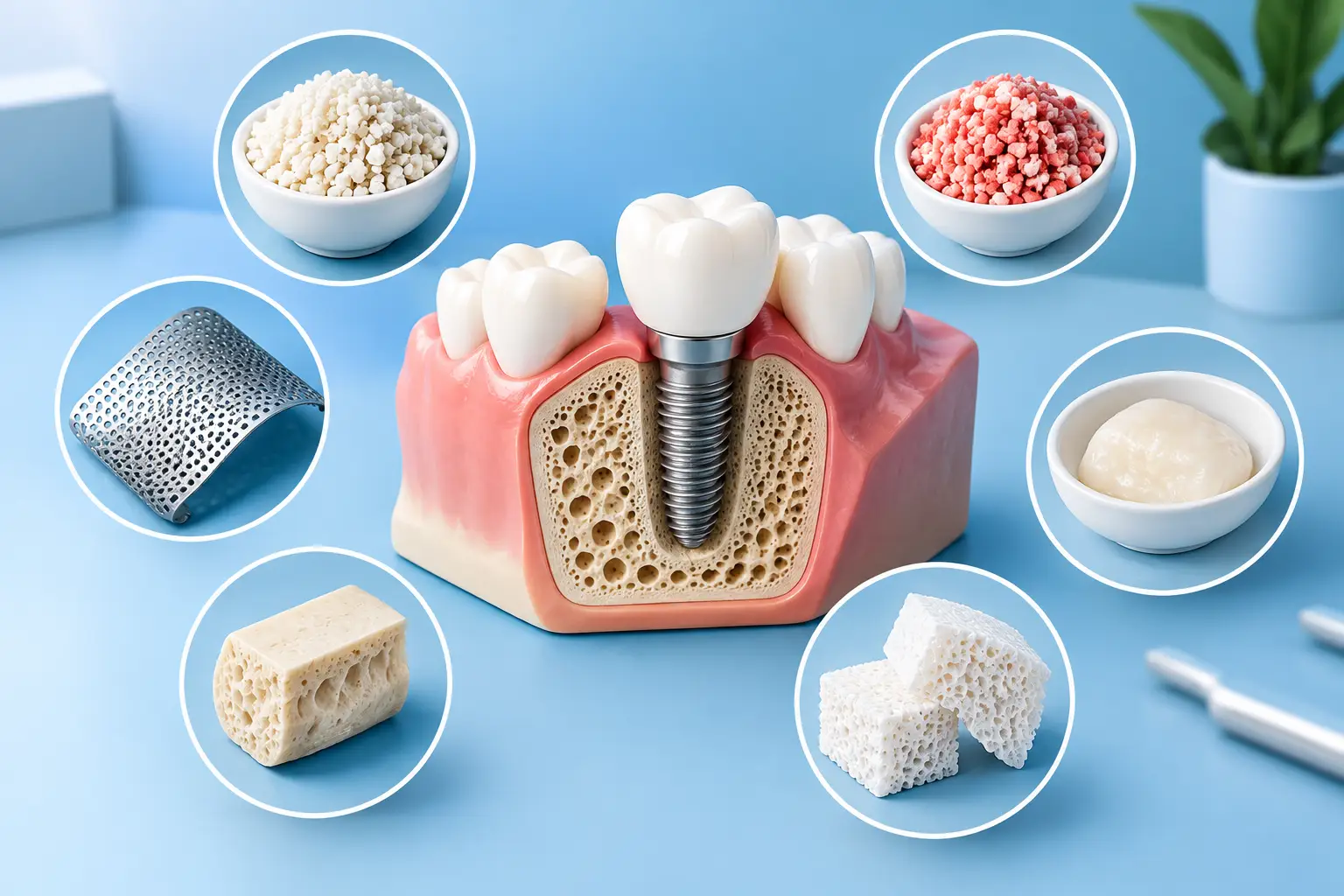
When a tooth cannot be saved, a dental implant can replace both the missing tooth root and the visible tooth. An implant-supported crown does not rely on neighboring teeth for support, and it can help preserve bone in the area of tooth loss. It is a strong option for many adults, but it requires adequate bone, healthy gums, and a healing period. Bone grafting or gum treatment may be recommended before or alongside implant treatment when trauma has damaged the supporting foundation.
A fixed bridge can replace one or more missing teeth by connecting to adjacent teeth. It may be a practical option when neighboring teeth already need crowns or when an implant is not the right fit. Removable partial dentures can restore several teeth while offering a more accessible initial solution. For extensive tooth loss, implant-supported bridges or dentures can provide a more secure, stable alternative to traditional removable dentures.
There is no prize for choosing the most complex treatment. The right choice is the one that respects your oral health, fits your life, and gives you a realistic path to lasting function.
Why Coordinated Care Matters After a Major Injury
Trauma can affect several parts of the mouth at once. A damaged front tooth may involve the tooth itself, its nerve, the gumline, the jawbone, and the way the upper and lower teeth meet. Treating only the visible concern can leave underlying problems unresolved.
A coordinated team can be especially valuable when care involves surgery, periodontal treatment, implant planning, bite rehabilitation, and final restorative work. An oral surgeon may address extraction or implant placement. A periodontist may help rebuild or protect gum and bone support. A prosthodontist can plan the final teeth with attention to function and appearance, while a general dentist helps guide preventive care and ongoing maintenance.
For patients with more extensive injuries, this collaboration helps ensure that each step supports the next. The temporary tooth replacement should leave room for healing. The implant position should support a natural-looking crown. The final bite should distribute chewing forces comfortably rather than overloading a restored tooth.
At Seattle Oral Care, this kind of coordinated planning is central to complex restorative treatment. Patients benefit from clear communication among providers and a treatment plan that explains what happens first, what can wait, and what each stage is designed to achieve.
Your Comfort Is Part of the Treatment Plan
Dental trauma can make even routine appointments feel stressful. Some people are nervous because the accident itself was frightening. Others have had painful or rushed dental experiences in the past. You do not need to minimize that concern or push through without support.
Let your care team know what feels difficult, whether that is injections, sounds, lying back in the chair, or uncertainty about the cost and timeline. A gentle practice should make room for questions, explain what is happening before treatment begins, and offer breaks when you need them. Understanding the plan can reduce anxiety because you know what is being treated and why.
It is also reasonable to ask about alternatives. For example, you may want to know whether a tooth can be monitored before committing to a crown, whether a temporary solution is possible while you consider implants, or how an existing medical condition affects treatment. Good dentistry includes clinical recommendations and honest discussion of trade-offs.
Protecting the Result for Years to Come
Once your smile has been restored, maintenance protects the time and care invested in it. Restorations do not get cavities, but the teeth and gums around them still need consistent attention. Daily brushing with fluoride toothpaste, cleaning between teeth, regular exams, and professional cleanings help prevent decay and gum disease that can threaten a crown, bridge, or implant.
If you grind or clench your teeth, a custom nightguard may help protect natural teeth and restorations from excess force. If the original injury happened during sports, ask about a properly fitted athletic mouthguard. It is a small step that can prevent another major setback.
Follow-up appointments are also important after a traumatic injury, even when everything seems fine. Your dentist can monitor the health of the tooth nerve, gum tissue, bone levels, bite, and restoration. Early changes are usually easier to manage than problems that have had years to progress.
A traumatic dental injury can interrupt your routine without warning. With prompt attention, careful planning, and a team that listens, it does not have to define your smile. The next step can be as simple as scheduling an evaluation, sharing what happened, and allowing a clear plan to take shape at a pace that feels manageable.