
A smile makeover should not leave you looking like someone else. The best Seattle smile makeover results are the ones that feel natural in conversation, photograph well without feeling overly bright or uniform, and make everyday moments - eating, laughing, speaking, and smiling - more comfortable.
That outcome rarely comes from one cosmetic procedure alone. For some patients, a few carefully designed veneers or whitening treatment is enough. For others, the foundation of the smile needs attention first: gum health, bite alignment, worn teeth, missing teeth, or older dental work that no longer functions as it should. A thoughtful plan looks at the whole picture before changing what you see in the mirror.
What Shapes Seattle Smile Makeover Results?
A beautiful result starts with healthy teeth, healthy gums, and a bite that works well. Cosmetic changes can improve color, shape, spacing, and symmetry, but they need a stable foundation to last. If a patient has active gum disease, decay, teeth that shift from crowding, or a missing tooth, addressing those concerns first can protect both appearance and long-term function.
Your facial features also matter. Tooth length, shade, contour, and the amount of tooth that shows when you smile should complement your face, lips, and age. A smile that looks striking on one person may not feel right for another. This is why a one-size-fits-all approach can produce results that feel artificial, even when the dental work itself is technically sound.
Your goals matter just as much. Some people want a subtle refresh before a major event. Others are ready to restore a smile affected by years of grinding, tooth loss, discoloration, or worn restorations. During a consultation, clear conversations about what you like, what concerns you, and what feels realistic help guide a plan that is personal rather than prescriptive.
The Right Treatment Depends on the Reason for the Change
A smile makeover may combine cosmetic and restorative dentistry . The best option depends on your oral health, timeline, budget, and the changes you hope to see.
Whitening can brighten natural enamel and may be a good choice for healthy teeth with overall discoloration. It will not change the color of existing crowns, fillings, or veneers, so treatment sequencing matters. If you plan to replace visible older restorations, whitening natural teeth first can help create a more consistent final shade.
Bonding may improve small chips, uneven edges, or minor gaps with a conservative approach. It can be a practical option when the changes are limited, though bonding may stain or chip more easily than porcelain and may need periodic maintenance.
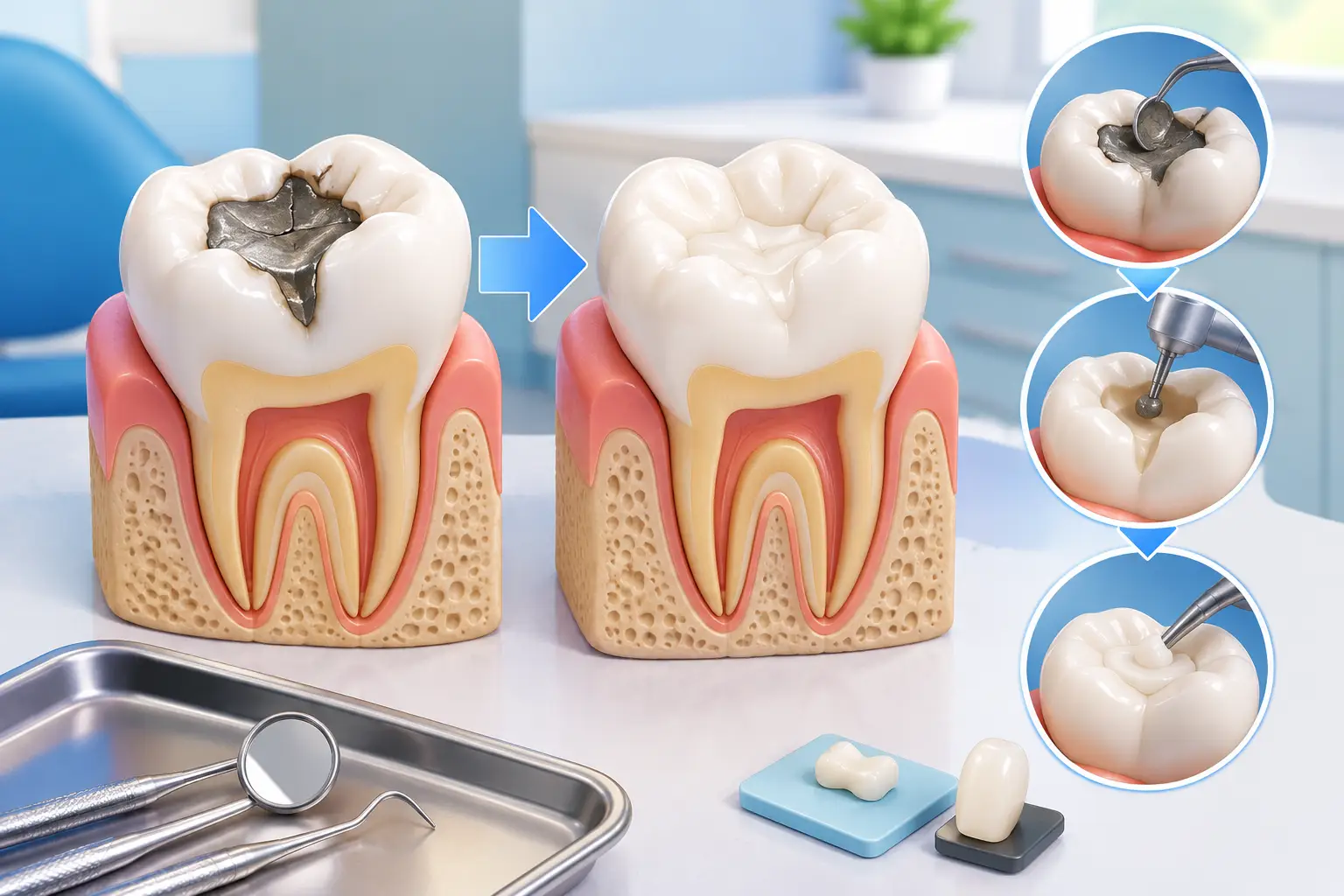
Porcelain veneers or crowns can change tooth color, shape, and proportions more significantly. Veneers are often considered when the underlying tooth is healthy and the goal is primarily cosmetic. Crowns may be recommended when a tooth is weakened, heavily filled, fractured, or already has extensive dental work. The distinction is important: choosing a treatment because it looks appealing online is different from choosing one that protects your tooth for years to come.
Invisalign clear aligners can create room, improve spacing, and bring teeth into a more balanced position before cosmetic finishing work. Moving teeth first may allow for more conservative treatment later. It can also improve how your teeth come together, which is especially valuable for patients with wear or bite concerns.
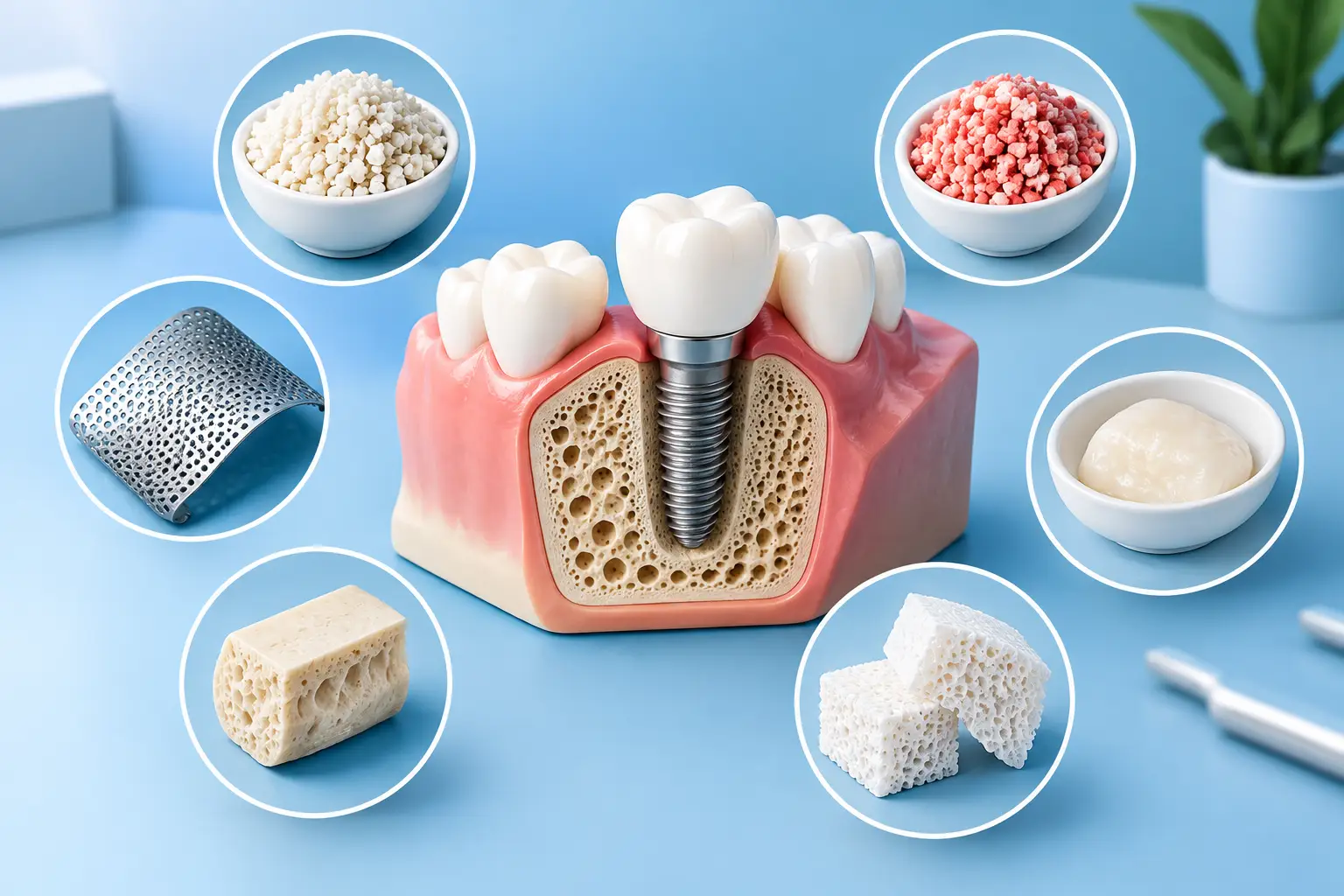
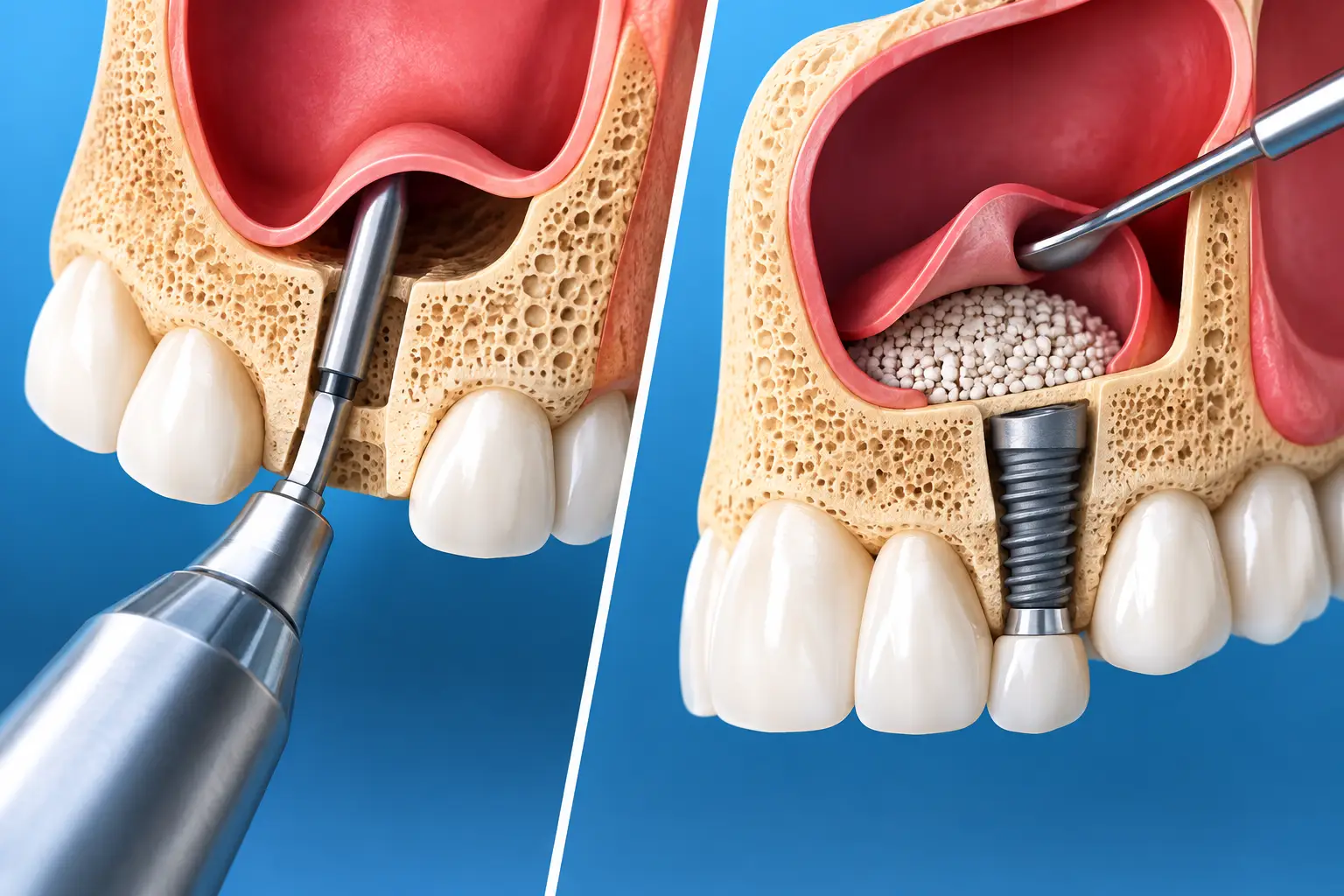
When teeth are missing, dental implants can restore the appearance of a complete smile while also supporting everyday function. An implant-supported crown, bridge, or full-mouth restoration may be part of a makeover when tooth loss affects confidence, chewing, or the stability of surrounding teeth. Implant treatment takes planning and healing time, but it can be a durable solution for the right candidate.
Natural-Looking Results Are Designed, Not Chosen From a Chart
Many patients arrive with a photo of a smile they admire. That can be helpful as a starting point, but it should not become a template. Natural smiles have subtle variations in shape, translucency, and texture. Teeth are not meant to look identical or unnaturally opaque.
A careful smile design considers proportion and balance. Teeth that are too long, too white, or too square for your features can draw attention for the wrong reasons. On the other hand, a plan that respects your natural tooth character can make the result feel like it has always belonged to you.
This is also where coordination matters. Complex cases may require input from a prosthodontist, general dentist, periodontist, or oral surgeon. At Seattle Oral Care, that multidisciplinary approach allows cosmetic goals to be considered alongside surgical needs, gum health, bite function, and durable restorative planning. For patients who have felt uncertain after being told they need extensive work, having the right specialists involved can bring clarity and reassurance.
A Smile Makeover Timeline Is Personal
Quick results are possible in some cases, particularly with whitening, bonding, or select cosmetic restorations. But a faster timeline is not automatically a better one. Rushing treatment before gums are healthy, before orthodontic movement is complete, or before an implant has healed can compromise the final outcome.
A more comprehensive plan may unfold in phases. You might begin with an exam, digital imaging, and a discussion of your priorities. Next may come preventive care, periodontal treatment, or replacing a failing tooth. Invisalign or implant healing can take several months, while the final crowns, veneers, or bridges are completed once the foundation is ready.
Phased treatment can make a larger plan feel more manageable financially and emotionally. It also allows your dental team to reassess along the way. The trade-off is patience, but that patience often supports a result that functions comfortably and holds up over time.
Long-Term Results Depend on What Happens After Treatment
Even exceptional cosmetic dentistry needs care. Natural teeth can stain, gums can change, and restorations can wear over time. Nighttime grinding, clenching, smoking, and inconsistent cleanings can shorten the lifespan of dental work.
Regular preventive visits give your care team the opportunity to monitor your gums, bite, and restorations before small concerns become larger repairs. If you grind your teeth, a custom night guard may help protect veneers, crowns, and natural enamel. If your smile includes implants, professional maintenance is especially important because implants do not get cavities, but the surrounding gum and bone still need attention.
Durability is not about promising that dental work will never need maintenance. It is about selecting appropriate materials, planning carefully, and helping you protect the investment with realistic ongoing care.
Questions Worth Asking at Your Consultation
Before beginning, ask what is causing the concern you see in your smile and whether there are health or bite issues to address first. Ask which treatment options are conservative, what each option is designed to solve, and what maintenance may be needed in the future.
It is also reasonable to ask about the expected sequence and timeline. If you are considering several treatments, understanding which steps must happen first can prevent disappointment and help you plan around work, travel, and important events. A good consultation should leave you informed, not pressured.
The most rewarding smile makeover results are built around more than appearance. When your plan respects your health, comfort, function, and personal style, a confident smile can become a lasting part of how you move through your day.