A meal should not require strategy. If you are avoiding one side of your mouth, choosing foods by what you can chew, or feeling self-conscious when you speak or smile, those small daily adjustments can add up. Full mouth reconstruction is a personalized way to address widespread dental damage, missing teeth, bite problems, or failing dental work so your mouth can function more comfortably and reliably again.
It is not one procedure and it is not a one-size-fits-all makeover. It is a carefully sequenced treatment plan that considers your teeth, gums, jaw joints, bite, appearance, and overall health. For many patients, the real goal is simple: eat with confidence, speak naturally, and stop worrying about what will go wrong next.
What Is Full Mouth Reconstruction?
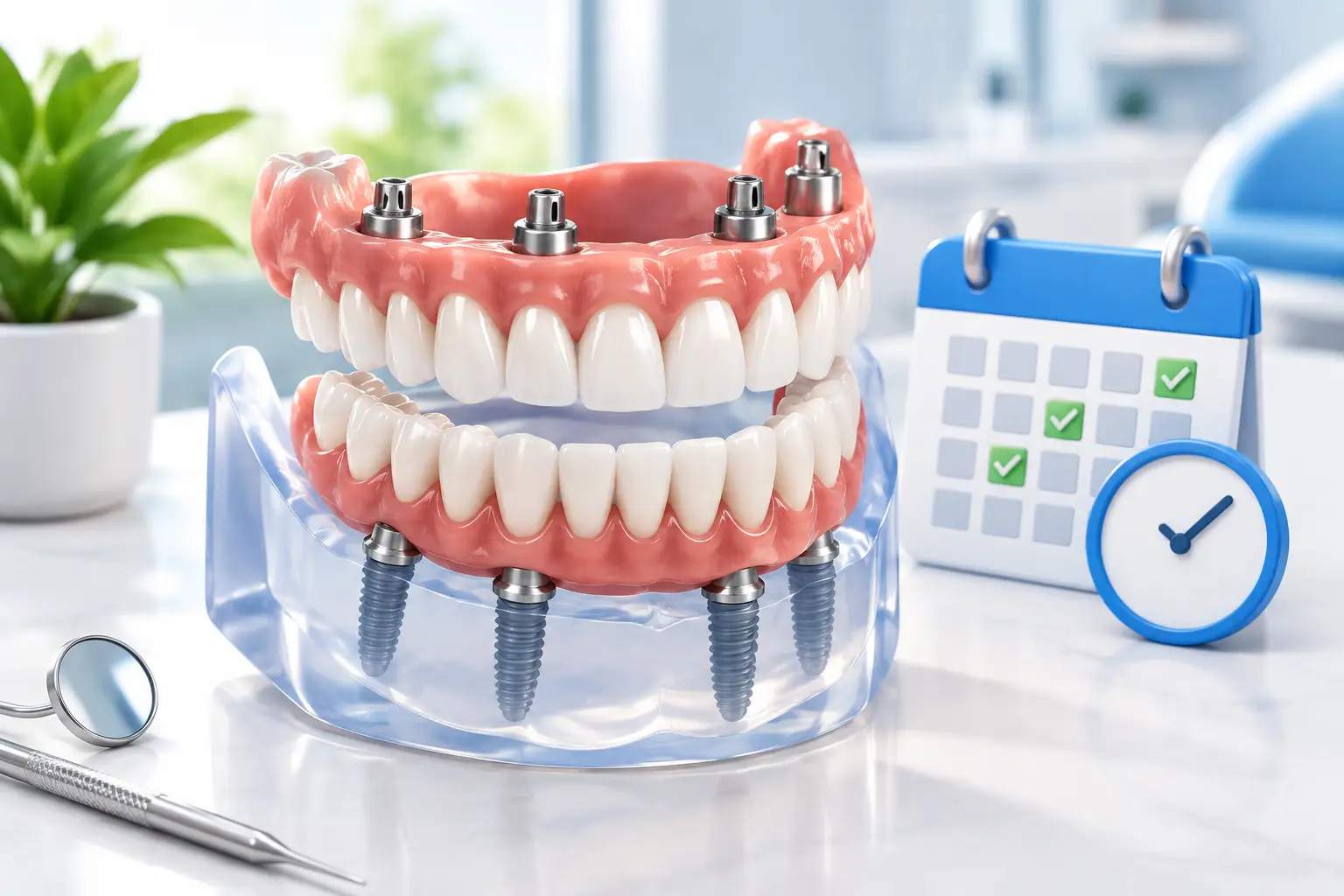
Full mouth reconstruction, sometimes called full mouth rehabilitation, combines the dental treatments needed to restore most or all of the teeth in the upper jaw, lower jaw, or both. A plan may include dental implants , crowns, bridges, dentures, gum treatment, root canal treatment, bite adjustment, or orthodontic care. The exact combination depends on what is healthy, what can be preserved, and what will create the most stable long-term result.
This level of care is often appropriate when dental concerns affect more than one tooth. For example, someone may have several missing teeth, heavily worn enamel, cracked teeth, old restorations that are breaking down, and gums that need treatment. Addressing only the most urgent tooth can provide short-term relief, but it may leave the underlying bite or disease process unresolved.
A comprehensive plan looks at how every part works together. That matters because teeth are not independent pieces. When one tooth is lost or weakened, nearby teeth can shift, opposing teeth can over-erupt, and chewing forces can become uneven. Over time, that imbalance may cause more wear, fractures, headaches, jaw discomfort, or trouble chewing.
Signs You May Benefit From Full Mouth Reconstruction
People often assume they need to be in severe pain before seeking extensive restorative care. Pain is certainly a reason to schedule an evaluation, but it is not the only one. Teeth can wear down gradually or develop infection beneath old dental work with few obvious symptoms.
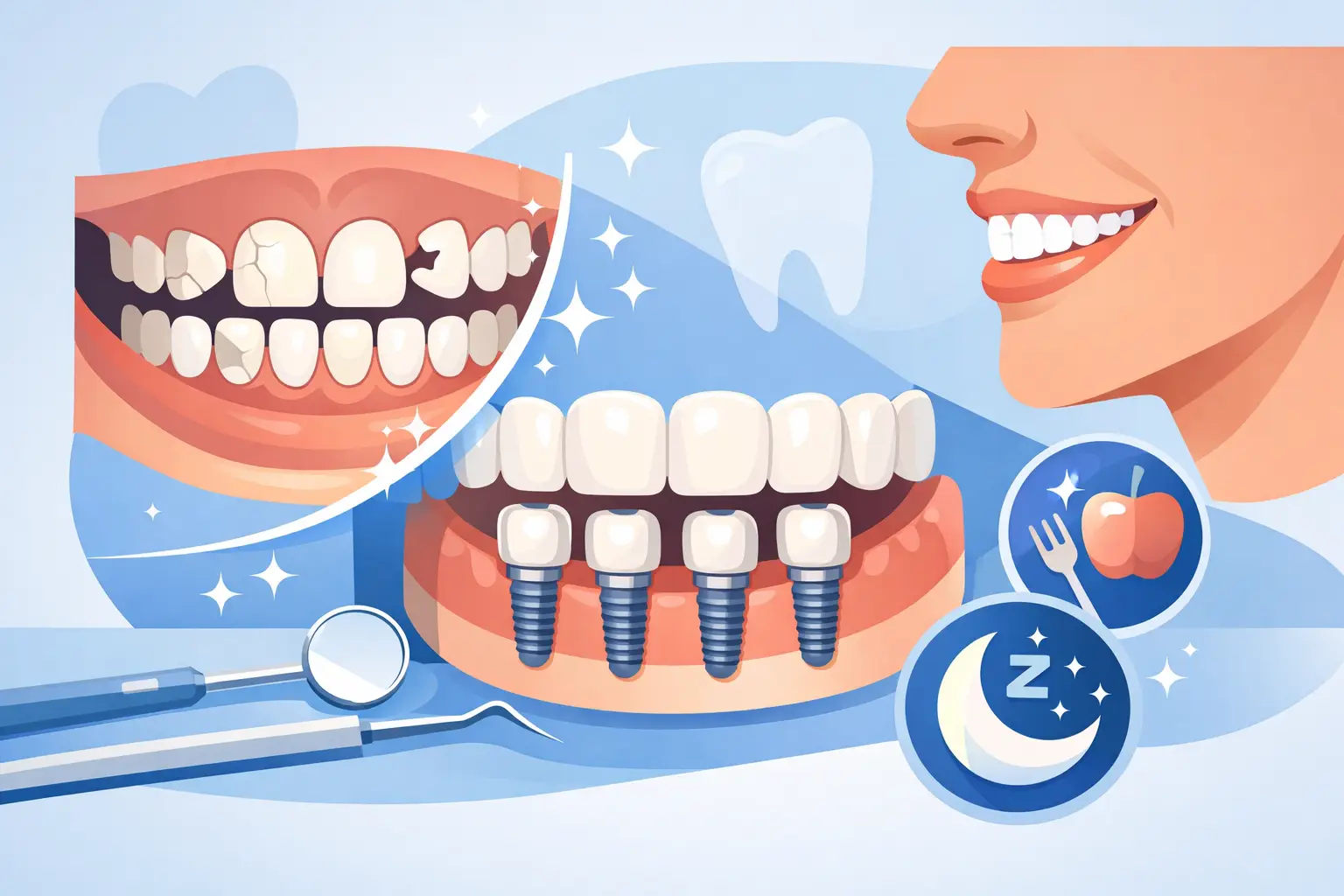
You may benefit from a full-mouth evaluation if you have multiple missing teeth, loose or failing bridges, dentures that move while eating, frequent broken teeth or fillings, advanced tooth wear, widespread decay, or difficulty chewing everyday foods. A history of gum disease, clenching or grinding, facial trauma, and acid erosion can also contribute to complex needs.
Appearance can be part of the conversation, too. Teeth that are short, discolored, uneven, or visibly damaged can affect how you feel in professional settings and social situations. Cosmetic concerns should never be dismissed. Still, a thoughtful plan begins with health and function, because a smile looks its best when it is supported by stable teeth, gums, and bite.
The First Step Is Understanding the Whole Picture
Complex care should not begin with a quick recommendation. Your first visit should give you time to explain what you are experiencing, what has and has not worked in the past, and what you hope to change. If you feel anxious about dentistry, that conversation is especially valuable. You deserve to understand your options before making a decision.
A detailed examination may include digital imaging, photographs, gum measurements, bite analysis, and a review of existing restorations. Your dentist will assess the condition of each tooth, the bone supporting potential implants, signs of infection or gum disease, and the way your upper and lower teeth meet.
The information gathered during this phase helps answer practical questions: Which teeth can be predictably saved? Which teeth are unlikely to last despite repeated repairs? Is gum treatment needed before restorative work? Would implants offer better stability than a removable appliance? Can treatment be completed in stages?
There is rarely just one acceptable answer. The best plan balances clinical needs with your comfort, timeline, health history, and budget. A clear discussion of priorities can make a complex decision feel far more manageable.
Treatments That May Be Part of Your Plan
Some patients need a focused reconstruction involving a few implants and crowns. Others need a more extensive approach involving both arches. Your treatment may include a combination of the following:
- Periodontal care to treat gum inflammation or infection and create a healthier foundation for restorations.
- Dental implants to replace missing tooth roots and support individual crowns, bridges, or implant-retained dentures.
- Crowns, bridges, and veneers to protect weakened teeth, replace missing teeth, and restore proper shape and chewing surfaces.
- Dentures or implant-supported dentures when many or all teeth need replacement.
- Root canal treatment or extractions when teeth cannot be maintained safely or comfortably.
- Orthodontic treatment or bite refinement when tooth position and bite alignment need correction before final restorations are placed.
Not every damaged tooth needs to be removed. Preserving healthy natural tooth structure is usually a priority when the tooth has a favorable long-term outlook. At the same time, repeatedly repairing a tooth with a poor prognosis can become more costly, frustrating, and disruptive than choosing a durable replacement. This is one of the most important trade-offs to discuss openly.
Why Coordinated Care Matters
Full mouth reconstruction can involve several areas of dentistry. Surgical treatment, gum health, bite design, and final restorations need to work together rather than being planned separately. When care is coordinated, each phase supports the next.
For example, an implant needs adequate bone and healthy gums, but the ideal implant position also depends on the final crown or bridge it will support. Similarly, treating worn teeth without addressing grinding or an unstable bite may place new restorations under the same damaging forces that harmed the original teeth.
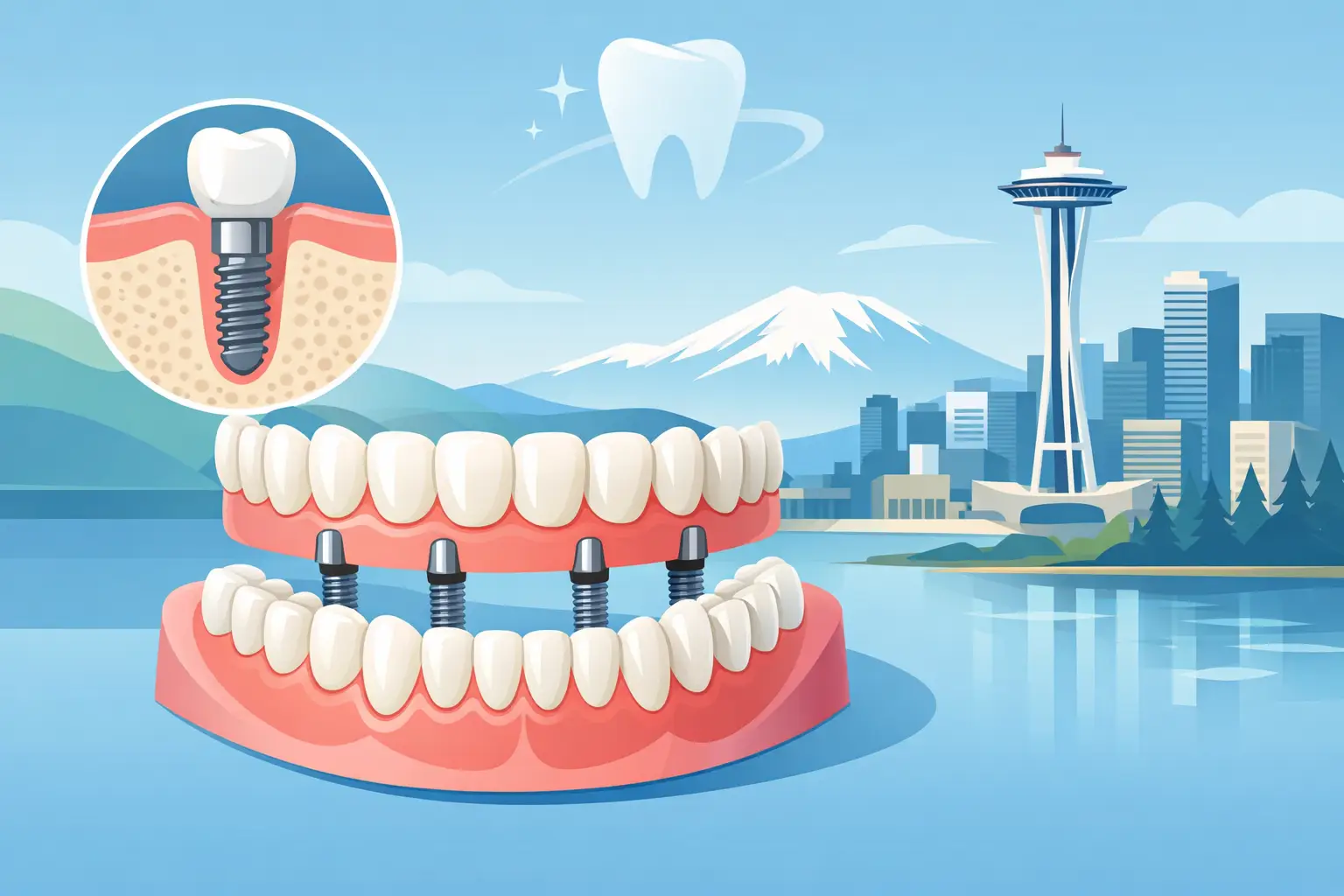
At Seattle Oral Care, a prosthodontist, general dentist, oral surgeon, and periodontist can collaborate on complex cases in one practice. That team approach helps keep treatment organized and allows decisions to be made with the final outcome in mind, not just the next appointment.
What the Timeline Can Look Like
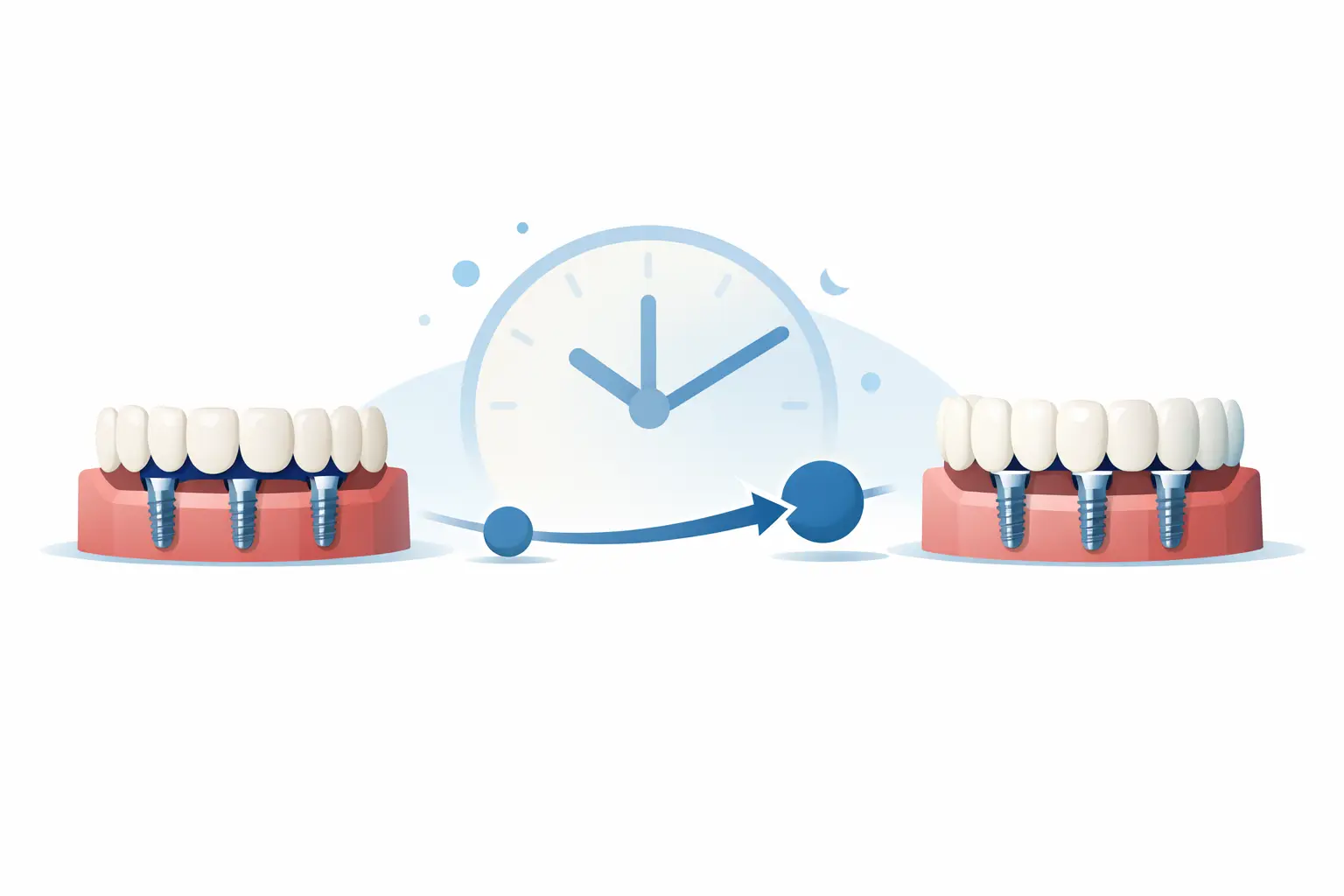
A full reconstruction is usually completed over months rather than days. The timeline depends on the type of treatment, whether healing is needed after extractions or implant placement, the health of your gums and bone, and how much bite adjustment is required.
Some patients begin with urgent care to relieve pain or stabilize infection. Others start with gum therapy, temporary restorations, or extractions. If implants are part of the plan, healing time may be needed before the final crowns, bridges, or dentures are made. Temporary teeth can often help you maintain appearance and function during treatment.
The final restorations are typically placed only after the bite, gums, and supporting structures are ready. That patience serves a purpose. Rushing the final stage can compromise comfort, appearance, or durability. A good plan should also include follow-up visits to refine the bite and make sure you are adapting comfortably.
Living With Your Results
Reconstructed teeth are designed to be durable, but they still require regular care. Daily brushing and cleaning between teeth, professional cleanings, and periodic examinations protect both natural teeth and restorations. If you clench or grind, a nightguard may help protect crowns, bridges, and implants from excessive force.
Implants cannot get cavities, but the gums and bone around them can develop inflammation without proper home care and maintenance. Crowns and bridges also need attention at their edges, where decay or gum problems can begin. Lasting results come from excellent treatment and a realistic maintenance plan.
If you have been putting off care because the situation feels too complicated, start with a consultation rather than trying to solve everything at once. The right next step is simply getting a clear picture of your oral health and a plan that respects your goals, comfort, and pace.