
A parent who once handled every appointment, emergency, and hard decision for the family may find it especially difficult to accept help with their own health. Talking to an elderly parent about dental care can bring up pride, fear, money concerns, and a deeply understandable wish to remain independent. The goal is not to take control. It is to make sure your parent has clear information, a voice in the decision, and access to care that supports comfort, nutrition, confidence, and overall health.
Avoiding dental treatment is common, particularly after a painful past experience or years without regular visits. A missing tooth, loose denture, broken crown, or ongoing toothache may seem like something they can simply live with. But problems that feel manageable can gradually make eating harder, limit social connection, and lead to more complicated treatment later.
Start With What Your Parent Is Experiencing
Before bringing up a dentist or dental implants, begin with curiosity. You might notice that your mom avoids favorite foods, covers her mouth when she laughs, speaks less clearly, or declines invitations to eat out. Those observations matter, but presenting them as evidence of a problem can make someone feel judged.
Try a gentle opening: “I noticed chewing has seemed uncomfortable lately. How has your mouth been feeling?” Then listen without immediately offering solutions. Your parent may share that a denture slips, a tooth aches only sometimes, or they worry that treatment will hurt. They may also say nothing is wrong. Even then, the conversation can remain respectful.
Starting the conversation about implants with Mom or Dad is often easier when it is framed around a goal they care about, such as enjoying apples again, speaking comfortably at a family event, or avoiding repeated denture repairs. “What would make eating easier for you?” is usually more productive than “You need implants.”
Why an Aging Parent May Refuse Dental Treatment
When an aging parent refuses dental treatment, the resistance is rarely just stubbornness. Older adults may have lived through dentistry that felt rushed, painful, or poorly explained. They may worry about being embarrassed by the condition of their teeth. Some are concerned about cost, transportation, medications, medical conditions, or whether treatment is worth it at their age.
Dental anxiety can also look like postponing, minimizing symptoms, or insisting that a loose tooth is not a big deal. For someone with elderly parent dental anxiety, a promise that “it will be fine” may not be reassuring. A better response is to acknowledge the concern directly: “I understand why that experience made you wary. We can find out what the appointment would involve before you agree to anything.”
That distinction matters. A consultation is a chance to ask questions, review health history, and understand options. It is not a commitment to treatment.
There are situations where more immediate care is needed. Facial swelling, fever, uncontrolled bleeding, a spreading infection, severe pain, difficulty swallowing, or a broken tooth with sharp edges should not wait for a casual family discussion. Contact a dental professional promptly, and seek urgent medical care when symptoms are severe.
How to Bring Up Dental Implants With a Parent
Dental implants can be an excellent option for many people with missing teeth, but they are not automatically the right answer for every parent. Helping a parent decide on implants starts with learning what problem they want solved and whether their health, bone support, timeline, and budget make implants a good fit.
An implant is a small post placed in the jawbone to support a replacement tooth, bridge, or denture. Depending on the situation, it can replace one missing tooth, secure a removable denture, or support a larger full-mouth restoration. Because implants are fixed in place or provide stronger denture stability, many patients appreciate that they can chew more comfortably and worry less about movement.
Still, implants involve a surgical phase, healing time, and ongoing home care and professional maintenance. Bone loss, gum disease, uncontrolled diabetes, smoking, certain medications, and complex medical needs can affect planning. Some parents may be better served by a bridge, a new denture, repairs to an existing prosthesis, or a phased plan that handles urgent needs first.
If your parent will not get dental implants, resist turning the conversation into a debate. You can say, “I am not asking you to choose implants today. Would you be open to hearing whether they are even an option?” That leaves room for a professional evaluation without pressuring them toward a specific procedure.
Make the First Visit Feel Manageable
Convincing an elderly parent to see a dentist works best when the first step is small. Offer to help schedule a consultation rather than a procedure. Ask whether they would prefer you in the room, in the waiting area, or available by phone. Respecting that choice reinforces that they remain in charge.
Practical support can remove real barriers. Help gather their medication list, medical history, insurance information, and questions. Arrange transportation if driving or mobility is a concern. If they use hearing aids, glasses, a walker, or need extra time getting settled, let the dental office know before the visit.
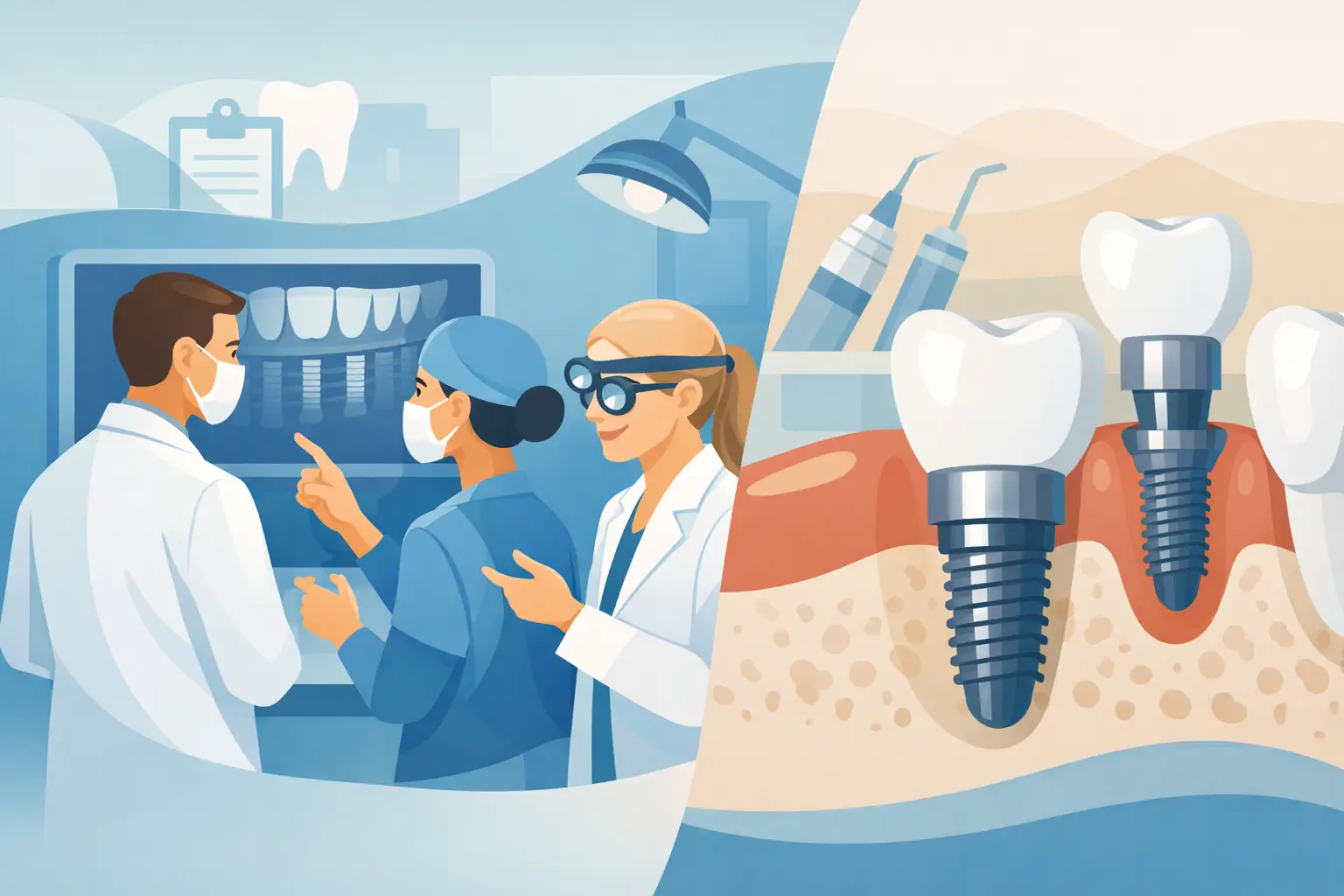
It can also help to ask for an appointment focused on evaluation and discussion. A thorough visit may include X-rays or three-dimensional imaging when appropriate, an exam of teeth and gums, and a review of jawbone and bite. For a parent considering implants or extensive restoration, coordinated input from a general dentist, prosthodontist, oral surgeon, and periodontist can make complex care easier to understand. Instead of managing separate opinions on their own, your parent can receive a treatment plan that considers function, health, comfort, and long-term maintenance together.
At Seattle Oral Care, that team-based approach helps patients understand both the clinical recommendation and the alternatives, without feeling rushed into a decision.
Help Them Ask the Questions That Matter
Adult child advocating for a parent's dental care does not mean speaking over them. It means helping them feel prepared enough to participate. Before the visit, ask what they most want to know. Write down their words, not just your concerns.
For treatment involving implants, useful questions include whether the tooth can be saved, what alternatives exist, how many visits are expected, what healing will be like, how treatment may interact with existing health conditions, and what costs are involved at each stage. Your parent should also ask what happens if they choose no treatment right now.
Encourage the dentist to explain options in plain language. If your parent seems overwhelmed, it is reasonable to request a written treatment plan and time to consider it. For major treatment, a second opinion may provide reassurance. Good care should hold up to thoughtful questions.
Keep the Conversation Respectful When They Say No
A firm “no” can be frustrating when you are worried about pain, infection, weight loss, or isolation. But repeated pressure can make a parent dig in further. Try to separate an immediate safety concern from a preference you do not share. If there is no urgent danger, it may be more effective to pause and revisit the topic later.
Use statements that keep the relationship intact: “I respect that it is your decision.” “I am worried because I love you.” “Would it be okay if I checked in again next month?” These words do not erase the issue, but they reduce the sense that care is being forced upon them.
Sometimes a parent will agree to a cleaning or exam but not restorative treatment. That is still progress. Preventive appointments can identify changes early, reduce discomfort, and build trust with a dental team. A calm, respectful first experience may make future treatment feel less intimidating.
Remember That Independence Includes Informed Choices
The most helpful conversations about dental care are not centered on persuading a parent to accept implants, dentures, or any other treatment. They are centered on helping them make an informed choice with their dignity intact. Your role may be to notice changes, ask caring questions, remove logistical obstacles, and stay present while they hear their options.
If your parent is ready for one next step, make it an easy one: a conversation with a dental team that listens carefully, explains what is possible, and gives them the time to decide what feels right.