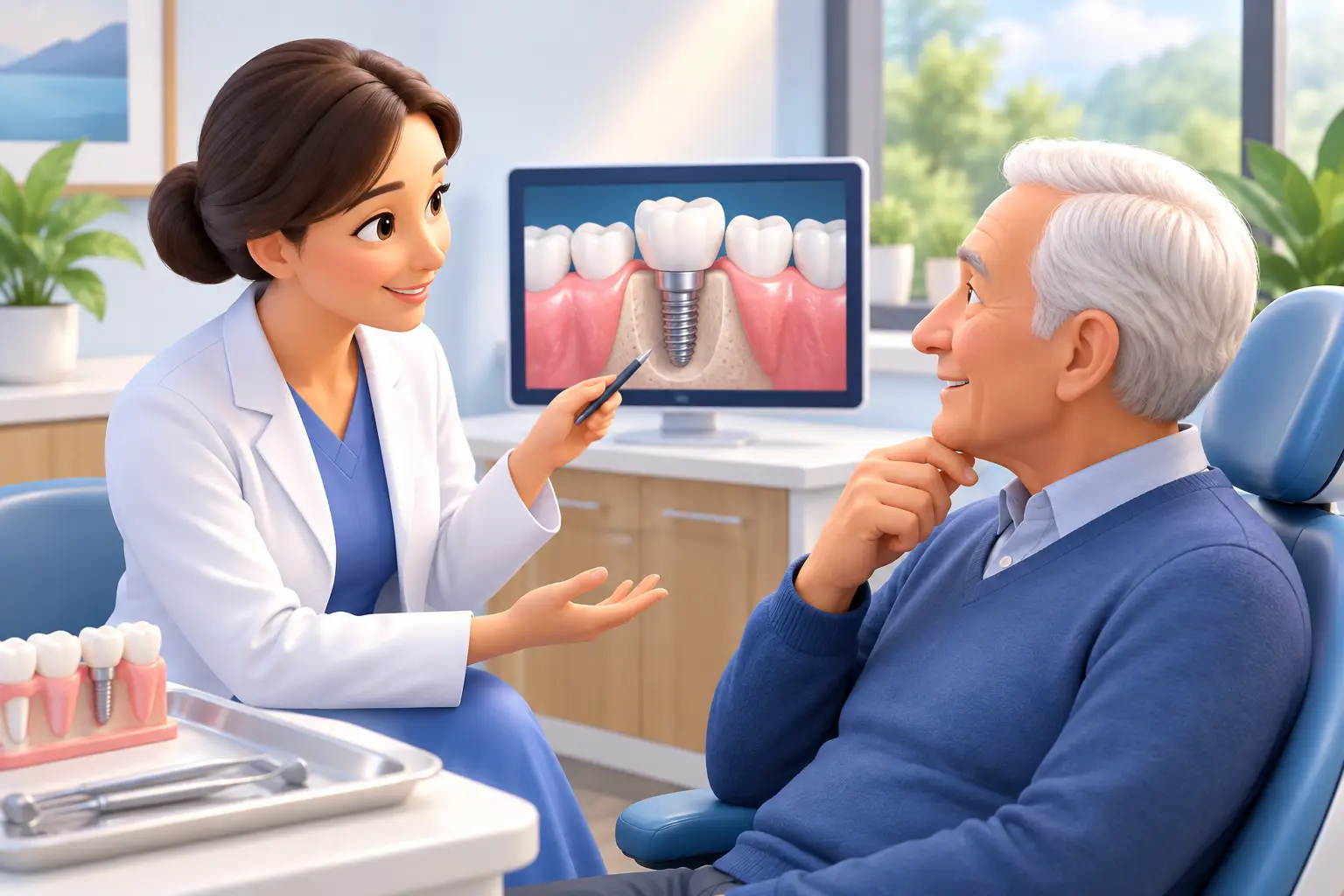
A loose denture can change more than the way you eat. It can make meals, conversations, and even smiling in photos feel uncertain. All on 6 dental implants offer a fixed, full-arch tooth replacement designed to restore stability, comfort, and confidence for people missing most or all of their teeth.
This treatment is not one-size-fits-all. The right plan depends on your bone health, bite, gum condition, medical history, and goals for your smile. A thoughtful consultation helps ensure that the restoration looks natural, functions comfortably, and is built to last.
What Is All on 6 Dental Implants?
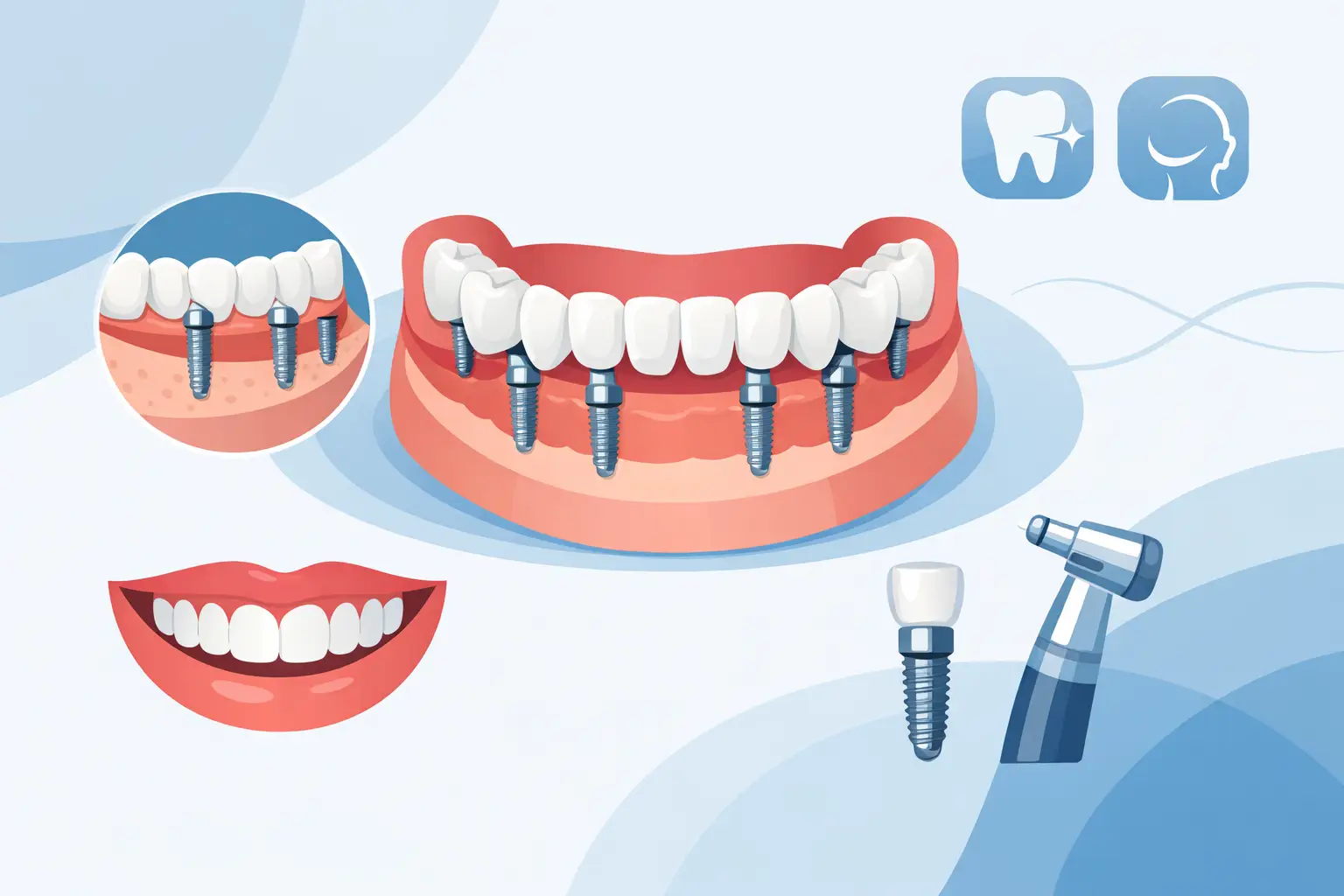
All on six dental implants is a full-mouth restoration approach in which six implants are placed in the jaw to support a full arch of replacement teeth. An arch means all the upper teeth, all the lower teeth, or both. Rather than replacing every missing tooth with its own implant, the six implants serve as strong anchors for a custom bridge.
The implants themselves are small titanium posts placed in the jawbone. Over time, bone can heal around them through a process called osseointegration. Once the implants are stable, they support a carefully designed final prosthesis, often made with high-strength materials selected for the appearance and demands of your bite.
For patients with failing teeth, advanced decay, widespread tooth loss, or dentures that move during the day, all on 6 implants can provide a fixed alternative. “Fixed” means the bridge is attached to the implants and is not taken out at home. Your dental team can remove it when professional maintenance or repairs are needed.
Why Six Implants Can Make a Difference
Using six implants spreads chewing forces across more support points than a four-implant design. That additional support may be especially helpful for patients with stronger bite forces, a long upper arch, or enough healthy bone to place implants in favorable positions.
All on 6 can also give a restorative dentist more flexibility when designing the bridge. The goal is not simply to place more implants. It is to create support in locations that help the final teeth feel stable, look balanced, and meet properly when you bite.
Still, six is not automatically better for every person. More implants can mean a more involved surgery, added healing considerations, and higher treatment cost. In some mouths, anatomy or bone volume may make a different plan safer or more predictable. The best number of implants is the number that supports your long-term result without unnecessary treatment.
All on 6 vs All on 4: Which Is Right for You?
When comparing all on 6 vs all on 4 , the most meaningful question is not which treatment is “best” overall. It is which plan gives your restoration the right support.
All-on-4 uses four strategically positioned implants to support a full arch. The back implants are often angled to make use of available bone and reduce the need for grafting in some cases. It can be an excellent option for many people, particularly when bone is limited or a shorter treatment plan is a priority.
All-on-6 places two additional implants, which may provide broader distribution of force and added redundancy. If one implant develops a problem in the future, a bridge supported by six implants may have more options for continued support, depending on the design and situation. That does not mean complications cannot occur, but it can be a practical consideration for patients seeking a long-term full-arch solution.
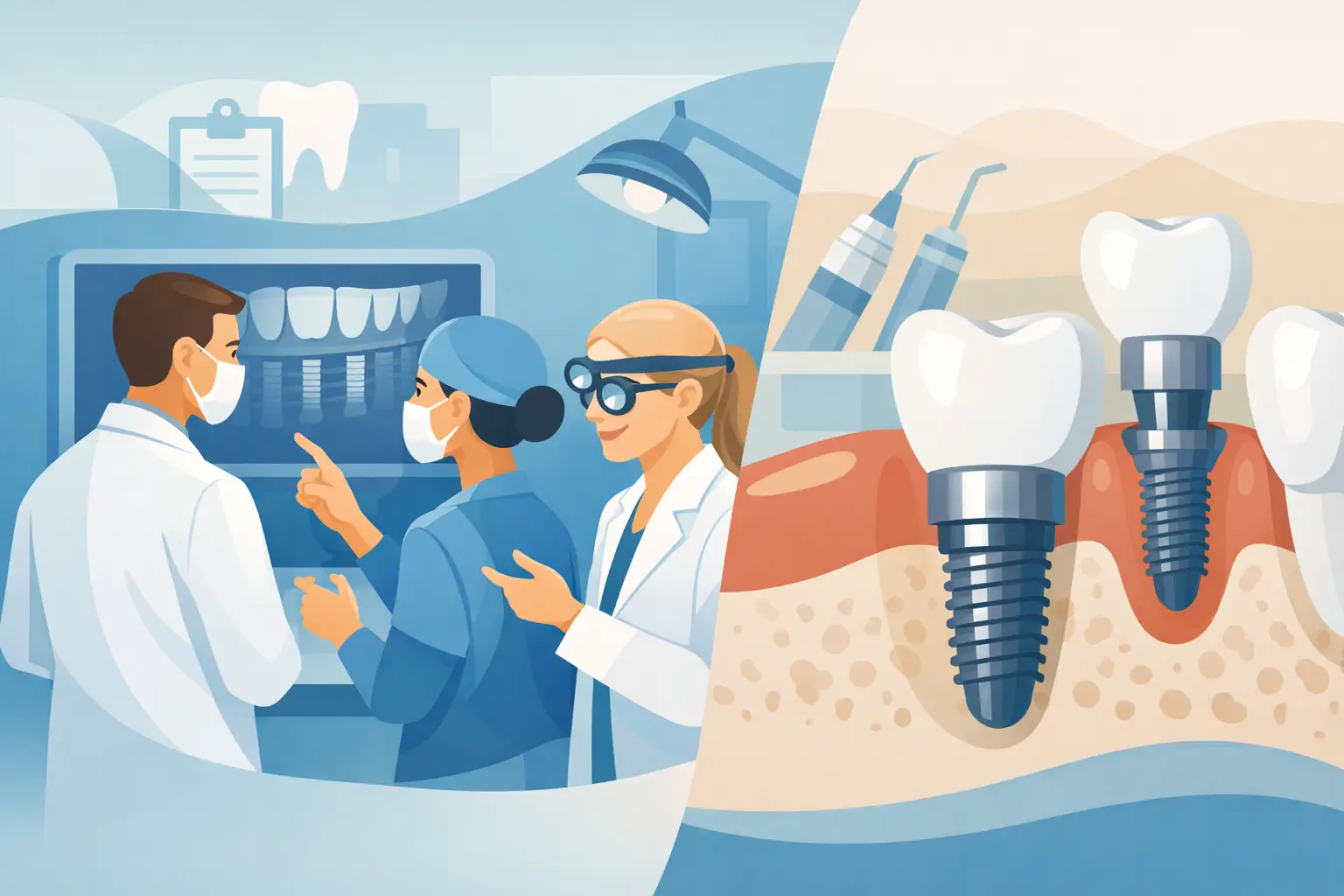
Your clinician will evaluate 3D imaging, the quality and quantity of your jawbone, sinus location in the upper jaw, nerve location in the lower jaw, bite habits, and whether you clench or grind your teeth. A prosthodontist, oral surgeon, and periodontist working as a coordinated team can be particularly valuable when these decisions are complex.
What the All on 6 Process Usually Looks Like
The process begins with a detailed evaluation, not a quick estimate. Your dental team reviews your health history, examines your teeth and gums, takes digital scans and X-rays or 3D imaging, and discusses what you want to change. If there are remaining teeth, they determine which can be saved and which are unlikely to support a healthy future smile.
If all on 6 is appropriate, treatment is planned from the final smile backward. This prosthetically driven approach matters because implant position should support the planned teeth, not force the final bridge into a compromised shape.
On surgery day, any necessary extractions are completed and implants are placed. Some patients can receive a temporary fixed bridge the same day or shortly afterward. Others need a staged approach, especially if bone grafting, infection treatment, or additional healing is needed. A temporary bridge lets you avoid going without teeth while your mouth heals, but it is not the same as the final restoration.
During healing, you will follow a softer-food diet and specific home-care instructions. Follow-up visits allow the team to monitor healing, adjust the temporary teeth if needed, and protect the implants from excessive pressure. When the implants have integrated and your gums have matured, scans and records are used to create the final bridge.
All on 6 Dental Implants Before and After: What Changes to Expect
Photos labeled all on 6 dental implants before and after can be encouraging, but they should be viewed with healthy perspective. A meaningful transformation may include more than straight, white teeth. It can improve chewing stability, speech confidence, facial support, and the ability to smile without worrying that a denture will shift.
The “before” side may involve missing teeth, worn or broken teeth, chronic infections, or dentures that no longer fit well due to bone changes. The “after” side should show teeth that fit the person’s face, lip support, and smile line rather than a generic, overly bright result.
Healing also affects the timeline. Temporary teeth may look attractive, but the final bridge is usually made after healing so it can be refined for fit, bite, phonetics, and appearance. It is normal for the process to require patience. The goal is a result that works well day after day, not a rushed cosmetic change.
Who May Be a Candidate?
Adults missing most teeth in an arch, wearing uncomfortable dentures, or facing the loss of multiple failing teeth may be candidates for all on 6 dental implants . Good candidates are willing to maintain the restoration, attend regular visits, and follow instructions during healing.
Bone loss does not always rule out treatment. Depending on the jaw, a clinician may be able to use existing bone, angle implants strategically, or recommend grafting. Smoking, uncontrolled diabetes, active gum disease, untreated teeth grinding, and certain medications can raise risks, but they do not always eliminate options. These factors need an honest, individualized discussion before surgery.
A fixed implant bridge also requires daily care. You will brush it carefully and use tools such as a water flosser or implant-specific floss to clean beneath the bridge. Professional cleanings and exams help protect the tissues and components around the implants. Implants cannot get cavities, but the gums and bone supporting them can develop inflammation if plaque is left in place.
Questions Worth Asking at Your Consultation
A good consultation should leave you with clear answers, not pressure. Ask who will plan the final teeth, who will place the implants, what type of temporary restoration is included, and what maintenance will be needed after treatment. You should also understand what happens if grafting is needed, how treatment costs are structured, and which parts of the restoration may eventually require repair or replacement.
At Seattle Oral Care, complex implant treatment can be planned with input from a prosthodontist, oral surgeon, periodontist, and general dentist in one coordinated setting. That collaboration helps connect the surgical plan with the details that matter after healing: a comfortable bite, natural-looking teeth, and a restoration you can care for confidently.
If you are considering all on 6 before and after treatment, start with an evaluation that looks beyond the first day of your new smile. The right plan should help you eat, speak, and smile with greater ease for years to come.