A missing tooth changes more than a photo. It can make it harder to chew comfortably, cause you to favor one side of your mouth, and leave you wondering whether other teeth will shift. Dental implants are designed to replace the tooth from the root up, restoring dependable function along with a natural-looking smile.
For many people, the biggest relief is knowing treatment is not one-size-fits-all. Whether you are replacing one tooth, stabilizing a denture, or rebuilding a full smile, the right plan begins with listening to your goals, evaluating your oral health, and explaining each step clearly.
What Are Dental Implants?
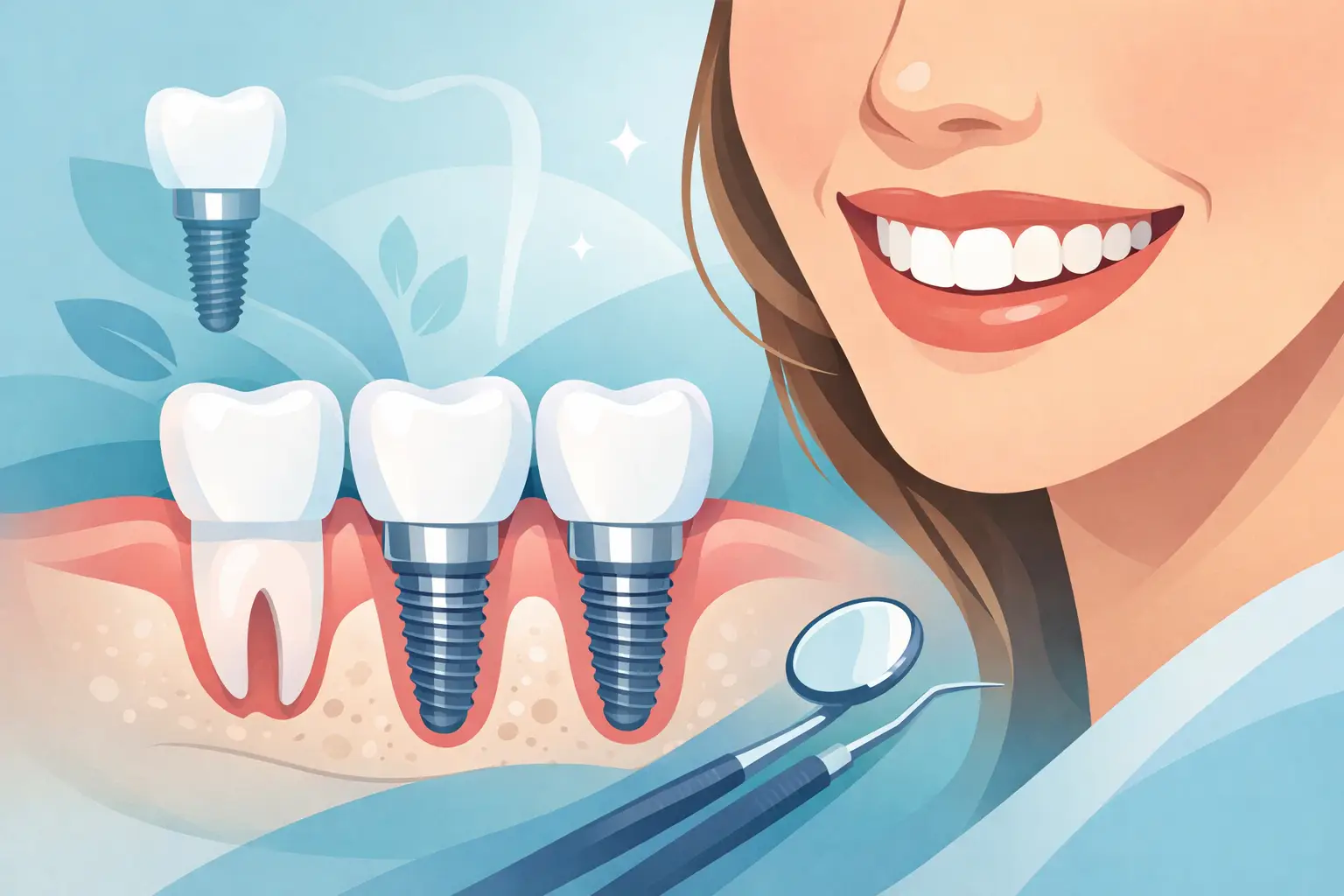
A dental implant is a small post, usually made from titanium, that is placed in the jawbone where a tooth root once was. Over time, the bone can grow around the implant in a process called osseointegration. This creates a stable foundation for a custom crown, bridge, or denture.
The visible restoration is made to match your smile in shape, color, and bite. The implant itself stays below the gumline, so the finished result can look and feel much like a natural tooth. Unlike a traditional bridge, an implant-supported crown often does not require reshaping the healthy teeth beside the gap.
That distinction matters. Replacing a missing tooth can help distribute chewing pressure more evenly and may help preserve the bone in the area. Still, an implant is not automatically the best answer for every person. Your medical history, gum health, bone support, bite, timeline, and budget all deserve a thoughtful conversation.
Who May Be a Good Candidate for Dental Implants?
Many adults are candidates for implant treatment, including people who have lived with a missing tooth for years. Healthy gums, adequate bone, and a commitment to daily oral care all support a successful outcome. If bone has diminished after tooth loss, a bone graft may be recommended before or during treatment. That can add time, but it may create the support needed for a more predictable result.
Certain health conditions do not necessarily rule out implants, but they should be carefully managed. Diabetes, autoimmune conditions, medications that affect bone healing, tobacco use, and a history of radiation therapy can influence planning and healing. A good implant consultation is not about rushing to a yes or no. It is about understanding your individual risk factors and building the safest path forward.
People who clench or grind their teeth can also receive implants, though they may need a protective night guard and careful bite design. An implant crown cannot get a cavity, but the surrounding gums and bone still need protection from excess force and inflammation.
The Implant Process, Step by Step
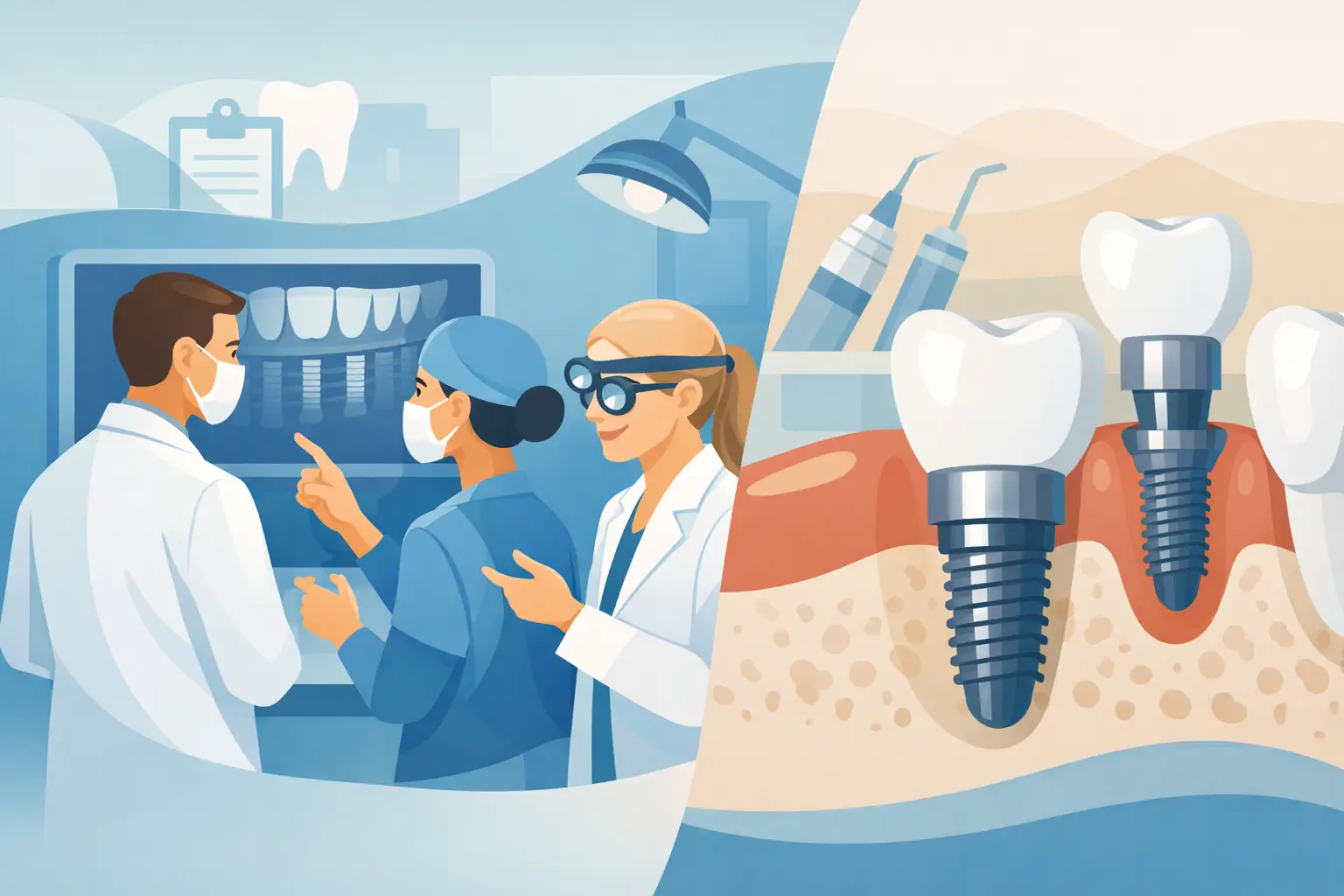
Treatment usually starts with a comprehensive exam, digital imaging, and a discussion of what you want to change. Your dental team evaluates the missing-tooth area as well as the teeth, gums, bite, and jaw joints around it. This larger view helps prevent a new restoration from creating problems elsewhere.
If an unhealthy tooth needs to be removed, the extraction and implant placement may sometimes happen during the same visit. In other cases, it is better to allow the area to heal first or complete grafting before placing the implant. The timing depends on infection, bone quality, gum condition, and the stability needed for the final result.
During implant placement, the area is numbed for comfort. Sedation options may be available for patients who feel anxious or are having more involved treatment. Most people are surprised that recovery is manageable with the right instructions, soft foods for a short period, and appropriate pain control. Some swelling or tenderness is normal, while increasing pain, fever, or persistent bleeding should always be reported promptly.
Healing can take several months as the implant integrates with the jawbone. A temporary tooth may be used when appearance or function calls for it. Once the implant is ready, a custom crown, bridge, or denture is secured to it. The final visit includes careful adjustments so your bite feels comfortable and your new tooth works naturally with the rest of your smile.
Choosing the Right Type of Implant Restoration
The best restoration depends on how many teeth are missing and where they are located. A single implant with a crown is often an excellent option for one missing tooth. For several adjacent teeth, an implant-supported bridge can replace multiple teeth without placing an implant for every space.
For people struggling with a loose lower or upper denture , strategically placed implants can provide meaningful stability. Implant-supported dentures may be removable for cleaning or fixed in place, depending on the design. Full-mouth restoration is more comprehensive and requires detailed planning, especially when worn teeth, gum disease, bite problems, or multiple failing restorations are involved.
The goal is not simply to place implants. It is to create a restoration you can clean, chew on, speak with, and maintain over the long term. A prosthodontist, oral surgeon, periodontist, and general dentist can each bring a different perspective to complex cases. Coordinated care can be especially valuable when several concerns need to be addressed at once.
What Dental Implants Feel Like in Daily Life
Once healing is complete, most patients do not think about their implant throughout the day. A well-designed implant restoration should feel secure during meals and allow you to speak without worrying about movement. You can generally enjoy a varied diet again , although very hard foods such as ice should be avoided to protect both natural teeth and restorations.
There is an adjustment period with any new tooth, particularly with larger bridges or dentures. Your tongue, cheeks, and bite may need time to adapt. Small bite adjustments are a normal part of fine-tuning treatment, not a sign that something has gone wrong.
It is also realistic to recognize what implants cannot do. They do not stop gum disease without consistent care, and they are not indestructible. The crown or denture attached to an implant can eventually wear, chip, or need replacement. Thoughtful planning and routine maintenance make a meaningful difference in how long your investment lasts.
Caring for Implants for the Long Term
Dental implants need the same daily attention as natural teeth: brushing twice a day, cleaning between teeth and around the implant , and professional checkups. Your dental team may recommend floss, an interdental brush, or a water flosser based on the shape of your restoration and the spaces around it.
Regular maintenance visits allow your provider to check the gums, bite, restoration, and supporting bone before a small concern becomes a larger one. Bleeding, swelling, a loose-feeling restoration, changes in your bite, or discomfort when chewing are all reasons to schedule an evaluation. Early care is usually simpler than waiting until an implant problem becomes advanced.
At Seattle Oral Care, implant planning brings experienced restorative and surgical perspectives together so patients can understand their options without feeling pressured. With more than 2,000 implants placed across the care team, the focus remains on the treatment that fits your health, comfort, and long-term goals.
Questions to Ask at Your Consultation
A clear consultation should leave you feeling informed rather than overwhelmed. Ask what is causing the tooth loss, whether gum treatment or grafting is needed, how long the process is likely to take, and what kind of restoration will sit on the implant. It is also reasonable to ask how your bite will be evaluated, what maintenance will involve, and what costs are included in each phase.
If you have had a difficult dental experience before, say so. Fear of pain, worries about being judged, trouble with gagging, and concern about cost are common. A compassionate team will take those concerns seriously and help you understand your choices at a pace that feels manageable.
A missing tooth does not have to define how you eat, speak, or smile. The next helpful step is a conversation with a team that can look closely at your needs, answer your questions honestly, and help you decide whether an implant is the right foundation for what comes next.