A loose denture can change more than what you eat. It can make you hesitate before laughing, speaking in a meeting, or ordering dinner with friends. Implant supported dentures offer a more secure way to replace many or all missing teeth by anchoring a custom denture to dental implants placed in the jaw.
For many people, that added stability brings welcome relief. Still, this treatment is not one-size-fits-all. The right plan depends on your bone health, remaining teeth, medical history, goals, budget, and whether you prefer a removable or fixed restoration. A thoughtful consultation can turn a complicated decision into a clear next step.
What Are Implant-Supported Dentures?
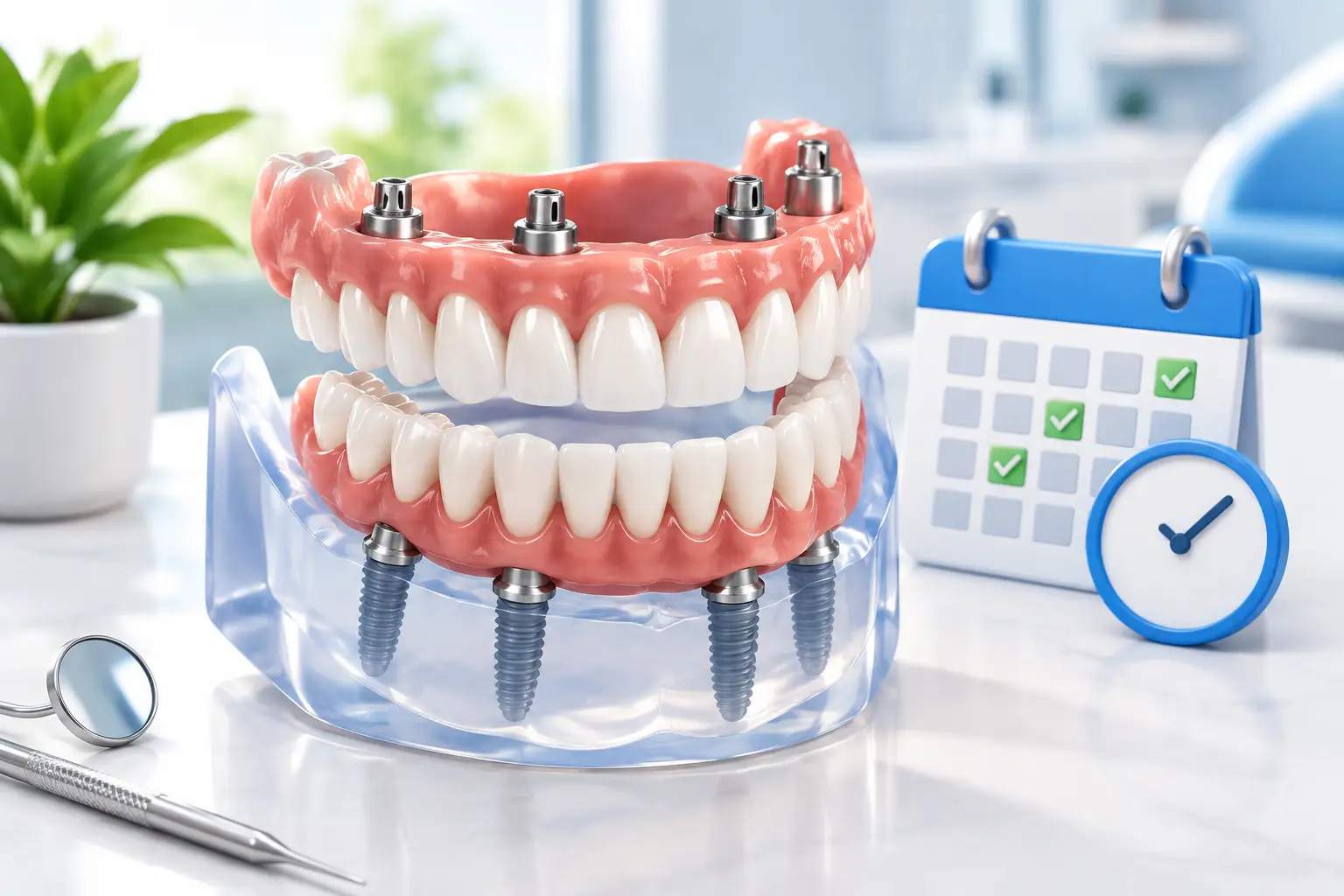
Dental implants are small titanium posts that replace tooth roots beneath the gumline. After they integrate with the jawbone, they can support a denture through specialized attachments or a fixed bridge-like restoration. Instead of resting only on the gums, the denture gains support from the implants.
A traditional denture can be a good solution for some patients, particularly when surgery is not appropriate or a simpler treatment is preferred. However, it may shift during eating or speaking because it relies on suction, adhesives, and the shape of the jaw. Lower dentures are especially prone to movement.
With implant-supported dentures, the implants help hold the teeth in a more stable position. The number of implants varies based on the arch, available bone, bite forces, and the type of denture being made. Your care team will recommend a plan designed to support both comfort and long-term function, not simply the fewest possible implants.
Removable or Fixed: Which Option Fits Your Life?
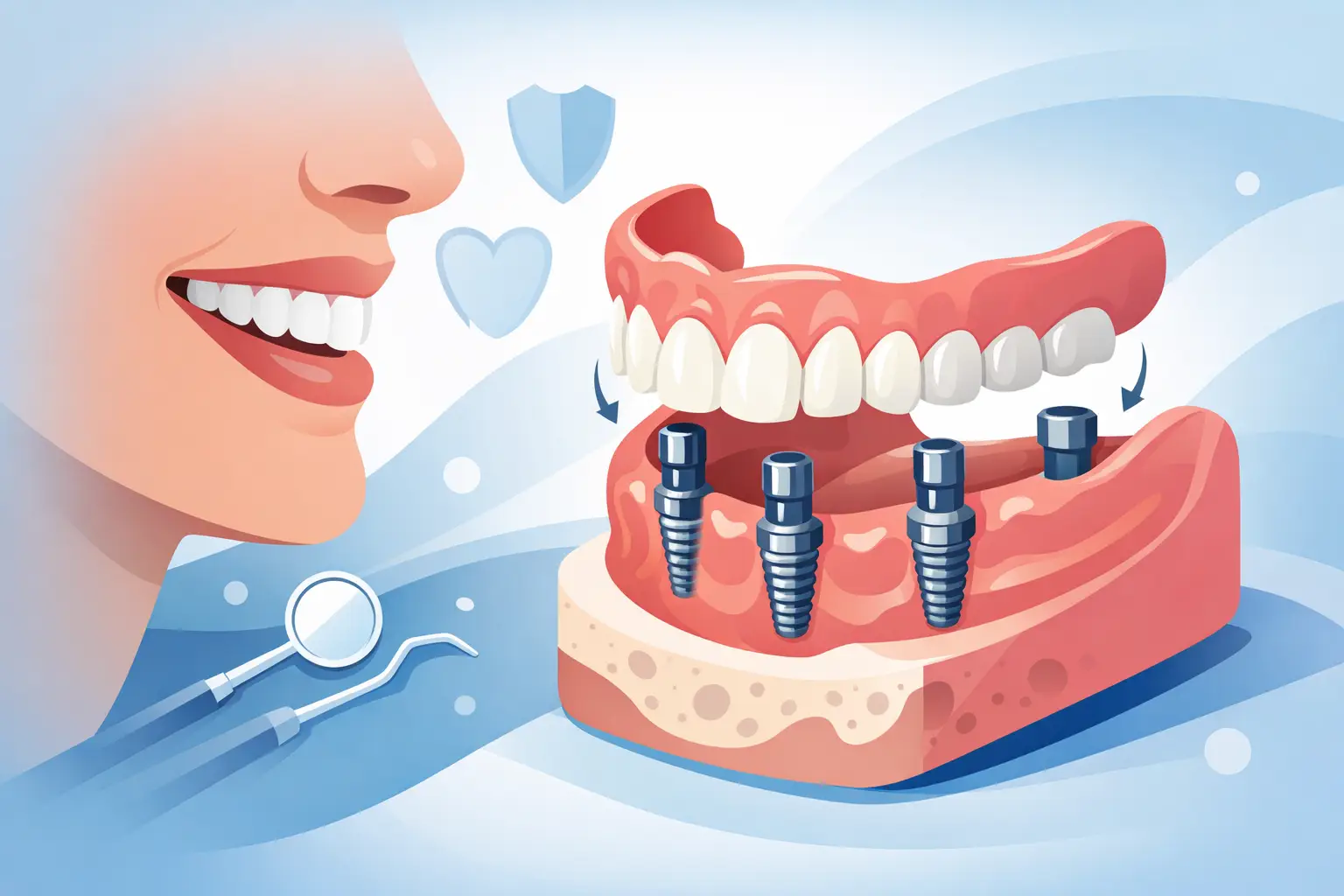
There are two broad types of implant-supported denture treatment. An implant-retained overdenture snaps onto implants but can be removed at home for cleaning. A fixed full-arch restoration stays in place and is removed only by a dental professional during maintenance visits.
A removable overdenture often provides a meaningful improvement in security compared with a conventional denture. It can be easier to clean because you can take it out, and it may be a more accessible option financially. It still has a denture base that rests against the gums, so some movement and palate coverage may remain depending on the design.
A fixed option can feel closer to having natural teeth because it does not come out at night and is generally very stable. It may allow a slimmer, less bulky design and can offer strong chewing support. At the same time, it typically involves more implants, more planning, and a higher investment. Cleaning requires daily care around the restoration and regular professional maintenance.
Neither choice is automatically better. A patient who values easy removal and straightforward cleaning may prefer an overdenture. Someone seeking the most fixed, tooth-like experience may be better suited for a full-arch fixed restoration. The best choice is the one that works for your health and your daily routine.
Why Jawbone Health Matters
When teeth are missing, the jawbone no longer receives the stimulation created by chewing through tooth roots. Over time, the bone can gradually shrink. This is one reason conventional dentures may become looser and need relining or replacement as the shape of the mouth changes.
Implants transmit chewing forces into the jawbone, which can help preserve bone in the areas where they are placed. They do not stop every change associated with aging, and the gums and bone still need ongoing care. But preserving support in key areas can make a substantial difference in denture stability and facial support over time.
Some patients have enough bone for implants without additional treatment. Others may benefit from bone grafting, sinus lifting in the upper jaw, or a different implant design and placement approach. Advanced imaging and careful diagnostics are essential because the goal is not just to place implants, but to place them in positions that support a comfortable, functional final restoration.
What Treatment Usually Looks Like
The first step is a detailed conversation and examination. Your dentist will ask what is not working with your current teeth or denture, what foods you miss eating, and what you want your smile to feel like. Digital scans, X-rays, or 3D imaging may be used to evaluate bone, gums, bite, and anatomy.
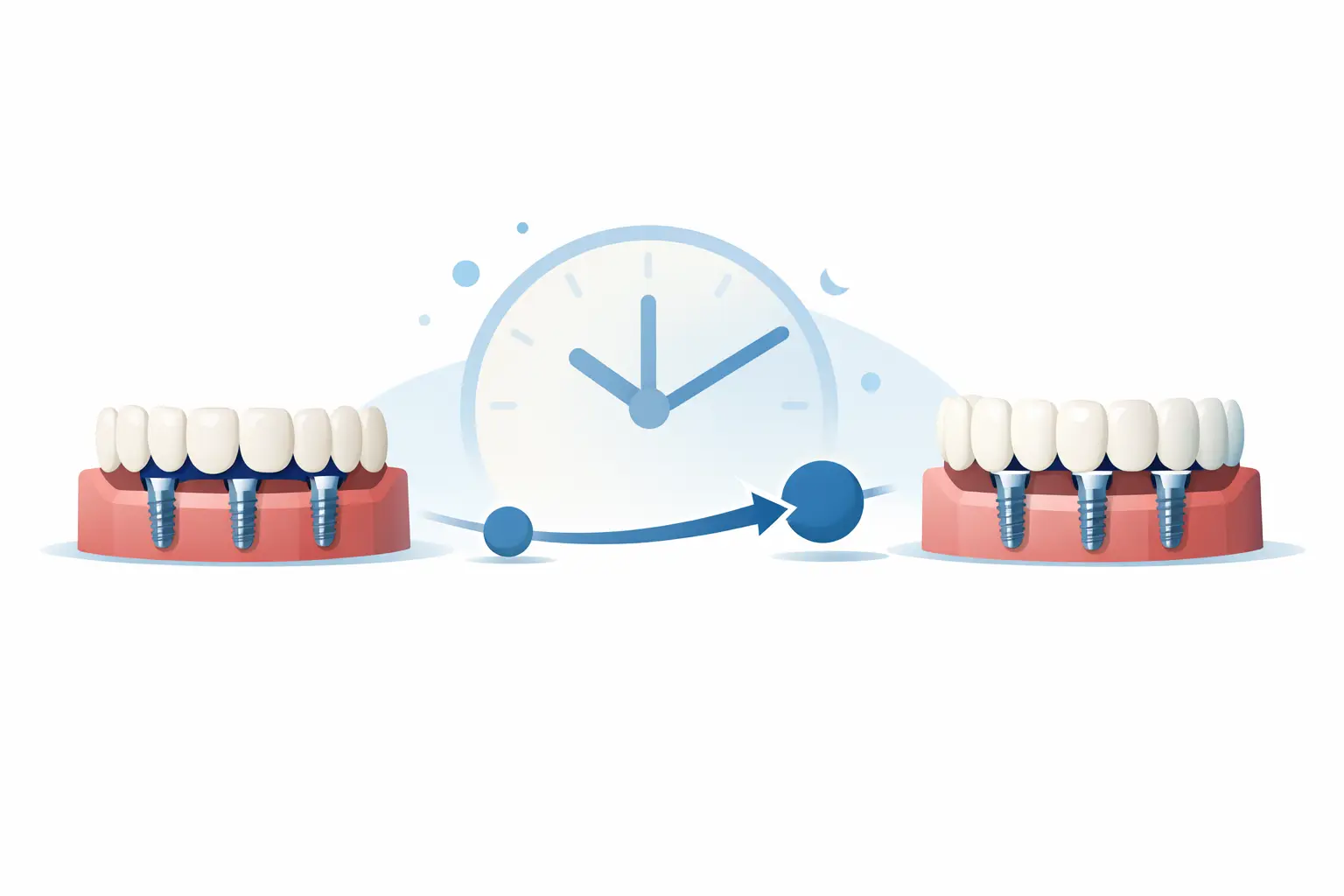
If teeth need to be removed, your plan may include extractions and a temporary denture or temporary fixed teeth. In selected cases, implants and temporary teeth can be placed on the same day. For other patients, healing time is safer and more predictable before the final restoration is made. The timeline depends on factors such as infection, bone quality, healing, and how well the implants can be stabilized at placement.
During implant placement, the surgical team focuses on comfort, precision, and clear aftercare instructions. Local anesthetic is used, and sedation options may be available depending on the procedure and your needs. It is completely reasonable to feel nervous about oral surgery. A good team will explain what you will feel, how to prepare, and whom to contact if questions arise while you heal.
After the implants integrate with the bone, your final denture is designed around your facial features, bite, speech, and smile preferences. This restorative phase matters just as much as surgery. A denture that looks natural but does not fit the bite correctly can create discomfort, excess wear, or stress on the implants.
Benefits Patients Often Notice
The most immediate benefit is usually stability. Patients often feel more comfortable speaking because they are not worried about a denture lifting or clicking. Better retention can also make meals more enjoyable, though it is wise to return to firmer foods gradually while healing and adapting to your new teeth.
Implant support may reduce dependence on denture adhesive and help limit sore spots caused by a moving appliance. Many patients also appreciate the confidence of knowing their teeth are held more securely in place.
There are limits, though. Implant dentures are not natural teeth, and they are not maintenance-free. You may need time to adjust your speech, chewing patterns, and cleaning routine. Attachments on removable dentures can wear and need replacement. Fixed restorations need periodic professional removal and inspection. Treating the restoration as a lifelong partnership with your dental team helps protect the investment.
Caring for Your New Smile
Daily cleaning is one of the strongest predictors of long-term implant health. For a removable overdenture, take it out as instructed, clean the denture, clean around the implant attachments, and allow the tissues to rest according to your dentist's guidance. Avoid using abrasive products that can scratch the denture surface.
For a fixed restoration, use the brushes, flossing aids, or water-cleaning tools recommended for your design. The goal is to clean under and around the bridge where plaque can collect. Regular hygiene visits allow your team to check gum health, bite balance, implant components, and the condition of the restoration before small concerns become larger ones.
Smoking, uncontrolled diabetes, gum disease, and heavy teeth grinding can affect implant outcomes. These factors do not always rule out treatment, but they need to be addressed honestly in planning. A night guard may be recommended for patients who clench or grind, even with a fixed implant restoration.
Choosing a Team for Complex Care
Implant-supported dentures bring together surgery, gum health, bite design, and restorative dentistry. Coordinated care can be especially valuable when you have significant bone loss, failing teeth, a worn bite, or a history of uncomfortable dentures. A prosthodontist, general dentist, oral surgeon, and periodontist each bring distinct expertise to different parts of treatment.
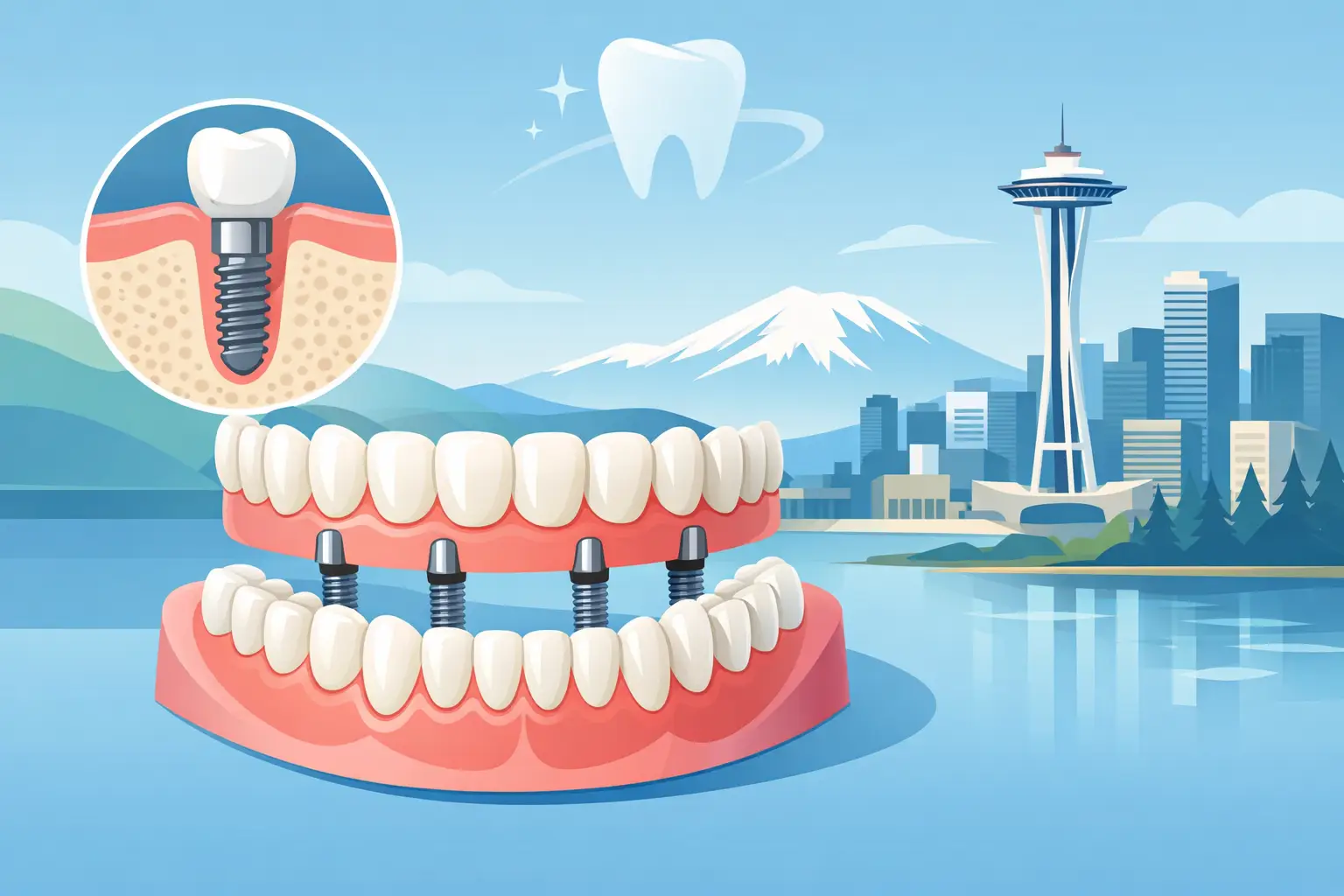
At Seattle Oral Care, that coordinated approach helps patients receive planning and treatment from a team experienced in complex rehabilitation. With more than 2,000 implants placed and more than 65 years of collective experience, the focus remains personal: understanding what you need to eat, say, and smile without worrying about your teeth.
You do not need to decide on a treatment plan before your first conversation . Bring your questions, your current denture, and an honest description of what has been difficult. The right next step may be implant-supported treatment, a conventional denture, or care that prepares your mouth for implants later. Feeling heard and fully informed is a good place for lasting smiles to begin.