
A medical diagnosis does not automatically rule out dental implants. In fact, many older adults with diabetes, osteoporosis, heart disease, or several conditions at once can be successful implant candidates with the right planning. For patients researching dental implants for seniors with multiple health conditions, dental implants with diabetes, dental implants and osteoporosis, and implants for patients with heart disease, the real question is not simply, “Can I have implants?” It is, “What needs to be managed so treatment is safe and built to last?”
At Seattle Oral Care, complex implant care begins with listening. Your medical history, medications, bone health, oral condition, and personal goals all matter. A coordinated team can then determine whether implants are appropriate now, whether a condition should be stabilized first, or whether another restorative option better serves your health and comfort.
Why complex implant candidacy deserves a closer look
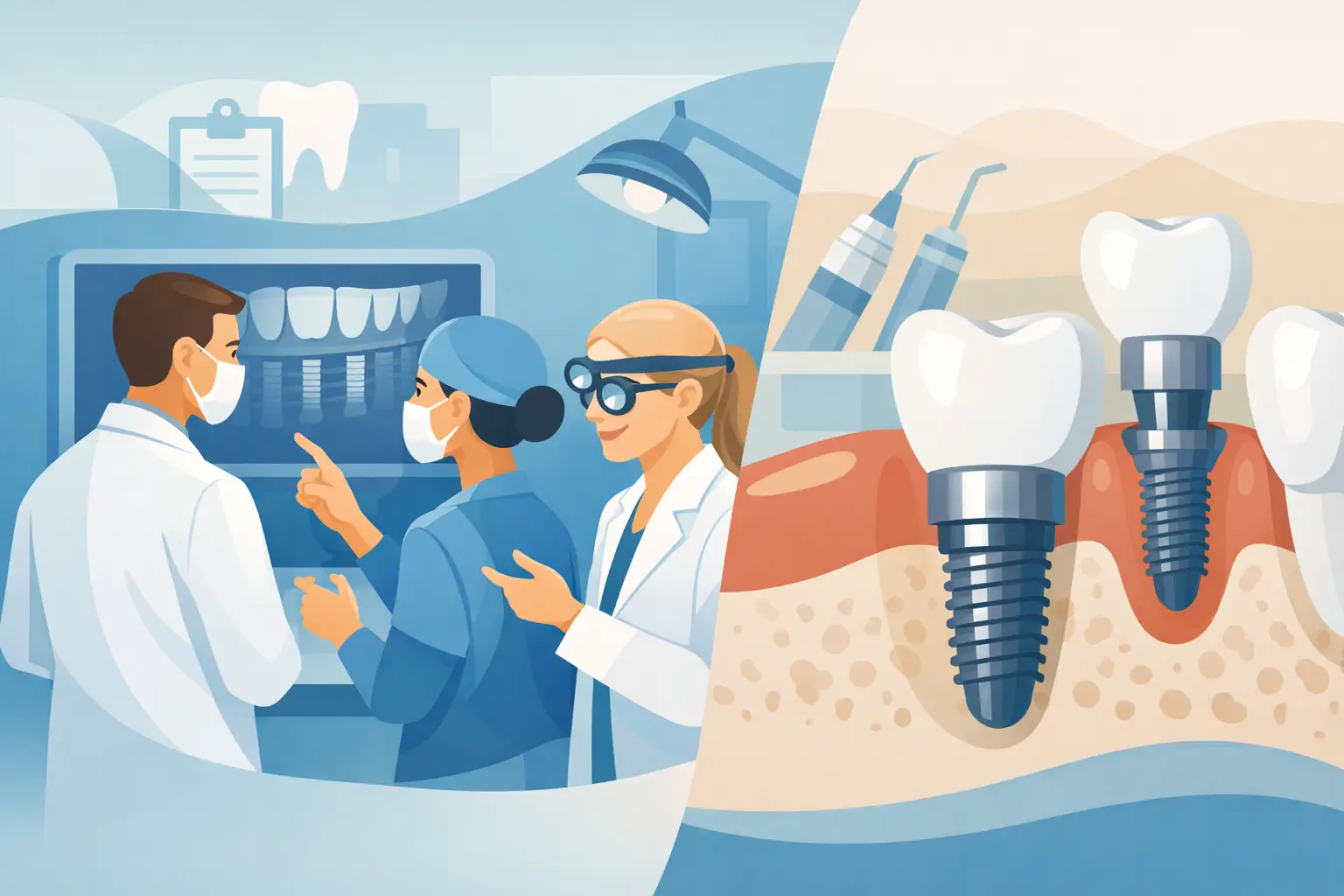
Dental implants are small titanium posts placed in the jawbone to support a crown, bridge, or denture. For an implant to succeed, the surgical site must heal well, the bone must integrate with the implant, and the restored tooth must be easy to clean and maintain.
That process can be affected by blood sugar control, bone metabolism, circulation, certain medications, gum disease, dry mouth, and the ability to attend follow-up visits. Age alone is not the deciding factor. A healthy 78-year-old may be an excellent candidate, while a younger patient with uncontrolled medical conditions may need to postpone surgery.
Complex care is not about labeling someone “too high risk.” It is about identifying the specific risks, reducing what can be reduced, and making a plan that respects the patient’s whole health. This may include coordinating with a primary care physician, cardiologist, endocrinologist, or other medical specialist before treatment begins.
Dental implants with diabetes: control matters more than the diagnosis
Diabetes can affect wound healing and increase susceptibility to infection, especially when blood glucose levels are not well controlled. That does not mean people with diabetes cannot receive implants. It means the dental team needs a clear understanding of how consistently the condition is being managed.
Before implant surgery, your dentist may review recent laboratory information, including your A1C when appropriate, as well as your daily glucose management, medication routine, history of infections, and any diabetes-related complications. There is no single A1C number that guarantees success or makes implants impossible. Decisions should be individualized with your medical provider, particularly when blood sugar has been unstable.
Gum health is equally relevant. Diabetes and periodontal disease can worsen one another, and active gum infection needs treatment before an implant is placed. Good plaque control, regular cleanings, and a realistic home-care routine are essential after treatment too. An implant cannot get a cavity, but the gum and bone around it can become inflamed and damaged by peri-implant disease.
For some patients, the safest approach is to improve blood sugar control and periodontal health first, then move forward with surgery. That extra time can protect the result you are investing in.
Dental implants and osteoporosis: looking beyond bone density
Osteoporosis often raises understandable concerns about whether there is enough jawbone to hold an implant. Bone density testing performed for the hip or spine provides useful medical information, but it does not tell the full story about the jaw. A three-dimensional dental scan can help evaluate the amount, shape, and quality of bone at the exact implant site.
Some patients with osteoporosis have sufficient jawbone for implants without additional procedures. Others may benefit from bone grafting, a different implant position, or a treatment design that reduces the need for grafting. The best option depends on the location of missing teeth, the condition of nearby teeth and gums, bite forces, and the final restoration planned.
Medication history is especially significant. Certain antiresorptive medications used to treat osteoporosis, including bisphosphonates and denosumab, can be associated with a rare but serious complication called medication-related osteonecrosis of the jaw. The risk varies considerably based on the medication, dose, duration, route of administration, and whether the medication is being used for osteoporosis or cancer-related bone disease.
Do not stop or delay an osteoporosis medication on your own for dental treatment. Your dentist and prescribing clinician should weigh the dental risks alongside the risk of fracture. In some cases, implants may still be reasonable. In others, a removable or fixed non-implant solution may be the more prudent choice. Clear communication is far safer than assumptions.
Implants for patients with heart disease
Heart disease covers many different conditions, from controlled high blood pressure to prior heart attack, stents, heart failure, arrhythmias, valve disease, and recent cardiac procedures. Each requires a different conversation.
The timing of treatment matters. Elective implant surgery may need to wait after a recent heart attack, stroke, stent placement, valve procedure, or period of unstable symptoms. If you have chest pain, shortness of breath that is new or worsening, fainting episodes, or significant fatigue, those symptoms should be medically evaluated before elective dental surgery.
Blood thinners are another common concern. Many heart patients take aspirin, clopidogrel, warfarin, apixaban, rivaroxaban, or similar medications to reduce the risk of clots. Stopping these medicines without the prescribing clinician’s direction can be dangerous. Dental teams can often manage bleeding with local measures and careful surgical planning, but the medication plan must be individualized.
Some heart conditions may also call for preventive antibiotics before certain dental procedures. This is not recommended for every patient with heart disease. Your dentist will review your diagnosis, surgical history, and current recommendations, and consult your physician when needed.
What a thorough implant evaluation should include
A quick look at a missing tooth is not enough for a medically complex case. A careful evaluation looks at the entire picture: your goals, dental exam, gum health, bite, X-rays or 3D imaging, medical conditions, medications, and history of healing after prior procedures.
It also considers the restoration itself. Replacing one tooth with an implant crown is different from rebuilding a full arch with implant-supported teeth. More extensive treatment may involve longer appointments, additional healing time, and greater demands on bone and hygiene. That does not make full-mouth treatment off limits, but it does make planning more important.
Patients should expect an honest discussion of trade-offs. An implant-supported bridge may offer excellent stability and chewing function, yet require surgery and ongoing maintenance. A conventional bridge or removable denture may avoid surgery, but can place different demands on neighboring teeth or feel less secure. The right choice is the one that fits your oral health, medical needs, daily life, and comfort with treatment.
Preparing for a safer, more predictable result
The weeks before treatment can make a meaningful difference. Keep medical appointments, take medications exactly as prescribed, and share any change in your health with the dental team. If you smoke or vape, reducing or quitting is one of the strongest steps you can take to support healing and long-term implant health.
You may also need to complete periodontal treatment, address decay or infection, adjust an ill-fitting denture, or improve daily brushing and cleaning between teeth before surgery. These are not delays for their own sake. They create a healthier foundation for the implant.
After placement, follow-up visits allow the team to monitor healing, adjust temporary teeth if needed, and confirm that the final restoration is designed for a stable bite. Long-term maintenance matters just as much as the surgical appointment. Regular professional cleanings and home care protect the gums and bone supporting your implants.
A coordinated plan can change the answer
Having several health conditions can make dental decisions feel overwhelming, particularly when you have already managed multiple medical appointments and medications. You do not need to sort through every risk alone. Bring an updated medication list, the names of your medical providers, and your questions to an implant consultation .
A careful team will not rush you toward surgery or dismiss your concerns. They will help you understand what is possible now, what may need attention first, and which tooth-replacement option can support your health and confidence for years to come.