A chipped tooth can happen in one sharp moment: a fall, a hard piece of food, a sports injury, or a biting accident. Even a small chip can feel surprisingly disruptive when it catches on your tongue, changes your smile, or makes a tooth sensitive. The best chipped tooth treatments depend on more than what the tooth looks like. The depth of the damage, your bite, the health of the tooth, and your long-term goals all matter.
The reassuring news is that most chipped teeth can be repaired comfortably and conservatively. A prompt dental evaluation helps protect the tooth from further breakage, sensitivity, and decay while giving you a clear picture of your options.
What to Do Right After You Chip a Tooth
First, rinse your mouth gently with warm water. If there is bleeding, apply light pressure with clean gauze. A cold compress on the outside of your cheek can help with swelling or discomfort.
If you find the broken piece of tooth, place it in milk, saline solution, or your own saliva and bring it to your appointment. In some cases, a dentist may be able to reattach it. Until you are seen, avoid chewing on that side and choose soft foods. Dental wax or sugar-free gum can temporarily cover a sharp edge that is irritating your cheek or tongue.
Call promptly if you have significant pain, a loose tooth, swelling, bleeding that does not stop, a tooth that looks pink or dark, or damage after a facial injury. These signs can point to a deeper fracture or injury to the tooth's nerve.
Best Chipped Tooth Treatments: Matching the Repair to the Damage
A careful exam often includes X-rays and bite assessment. A chip that appears minor at first glance may extend farther than expected, while a larger-looking break may be repaired with a relatively simple treatment. The goal is not simply to make the tooth look whole again. It is to restore comfortable function and help the repair last.
Smoothing and reshaping for very small chips
For a tiny chip along the edge of a front tooth, smoothing or reshaping may be enough. Your dentist gently polishes the rough area to create a natural contour that does not catch on your lip or tongue.
This is the most conservative option, and it can often be completed in one visit. The trade-off is that it only works when very little enamel has been lost. Removing more tooth structure to smooth a larger chip is usually not the right answer.
Dental bonding for visible, moderate chips
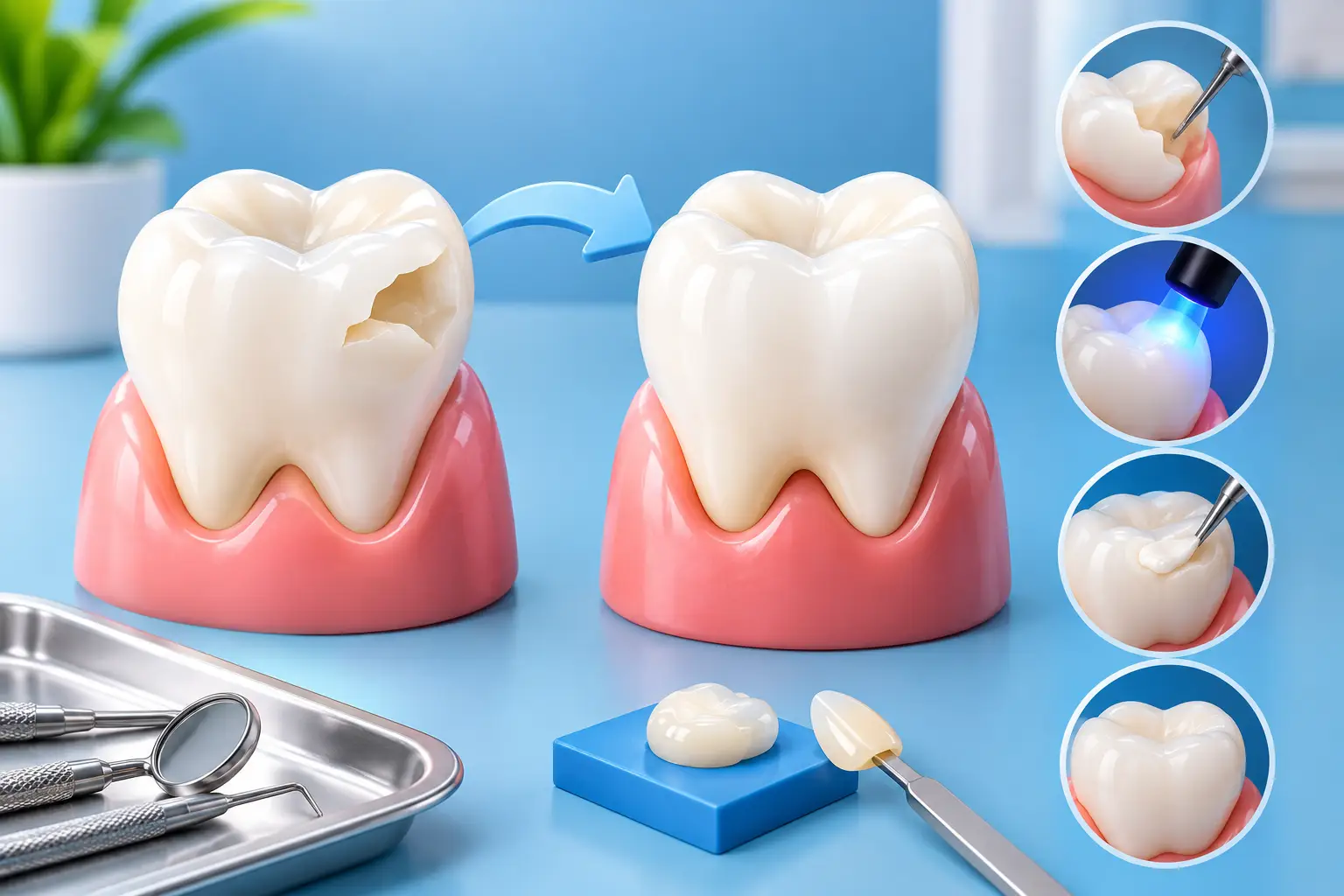
Composite bonding is one of the most common solutions for a chipped front tooth. A tooth-colored resin is shaped directly onto the damaged area, then hardened and polished to blend with your natural enamel. It can restore a small to moderate chip, soften uneven edges, and improve the appearance of minor gaps or worn corners at the same time.
Bonding is generally completed in a single appointment and requires minimal alteration to the natural tooth. It is a practical choice when you want a natural-looking repair without extensive treatment.
Composite is not as strong as natural enamel or porcelain, however. It can stain, chip, or wear over time, especially for people who bite their nails, chew ice, clench, or grind their teeth. A nightguard may be recommended if grinding is part of the problem. Periodic polishing, repair, or replacement is normal maintenance, not a sign that the treatment failed.
Porcelain veneers for cosmetic concerns across the smile
A porcelain veneer is a thin custom shell bonded to the front of a tooth. It may be a good option when a chipped tooth also has discoloration, irregular shape, broader wear, or other cosmetic concerns that bonding alone may not address.
Porcelain is highly stain-resistant and can provide beautiful, stable color and shape. Because a veneer is custom designed, it can be especially helpful when the goal is to create a balanced result that fits naturally with the surrounding teeth.
Veneers are not the best answer for every chip. They typically require some preparation of the tooth, and they may not be ideal when the tooth has extensive structural damage or is exposed to heavy biting forces. Thoughtful planning is essential, particularly if you clench or grind.
Dental crowns for larger fractures
When a substantial portion of a tooth has broken away, a dental crown may provide the protection it needs. A crown covers the entire visible portion of the tooth, restoring its shape, strength, and chewing surface.
Crowns are often recommended for back teeth, which absorb significant pressure during chewing, or for teeth weakened by large fillings, cracks, or repeated repairs. Modern crowns can be designed to look natural while providing durable support.
This option involves more tooth preparation than bonding or a veneer, but it can be the more conservative long-term choice when the remaining tooth structure is fragile. Trying to preserve a severely weakened tooth with a small patch may lead to another fracture and a more complicated repair later.
Root canal treatment when the nerve is involved
A deep chip or fracture can expose or inflame the pulp, the living tissue inside the tooth. Symptoms may include lingering sensitivity to hot or cold, spontaneous pain, pain when biting, or a visible red or pink spot inside the broken area. Sometimes there are few symptoms at first, which is why an exam matters.
If the pulp cannot recover, root canal treatment removes the damaged tissue, disinfects the inside of the tooth, and seals it. The tooth is then commonly restored with a crown to prevent future fracture. Root canal treatment is designed to save a natural tooth, not remove it.
Extraction and replacement when a tooth cannot be saved
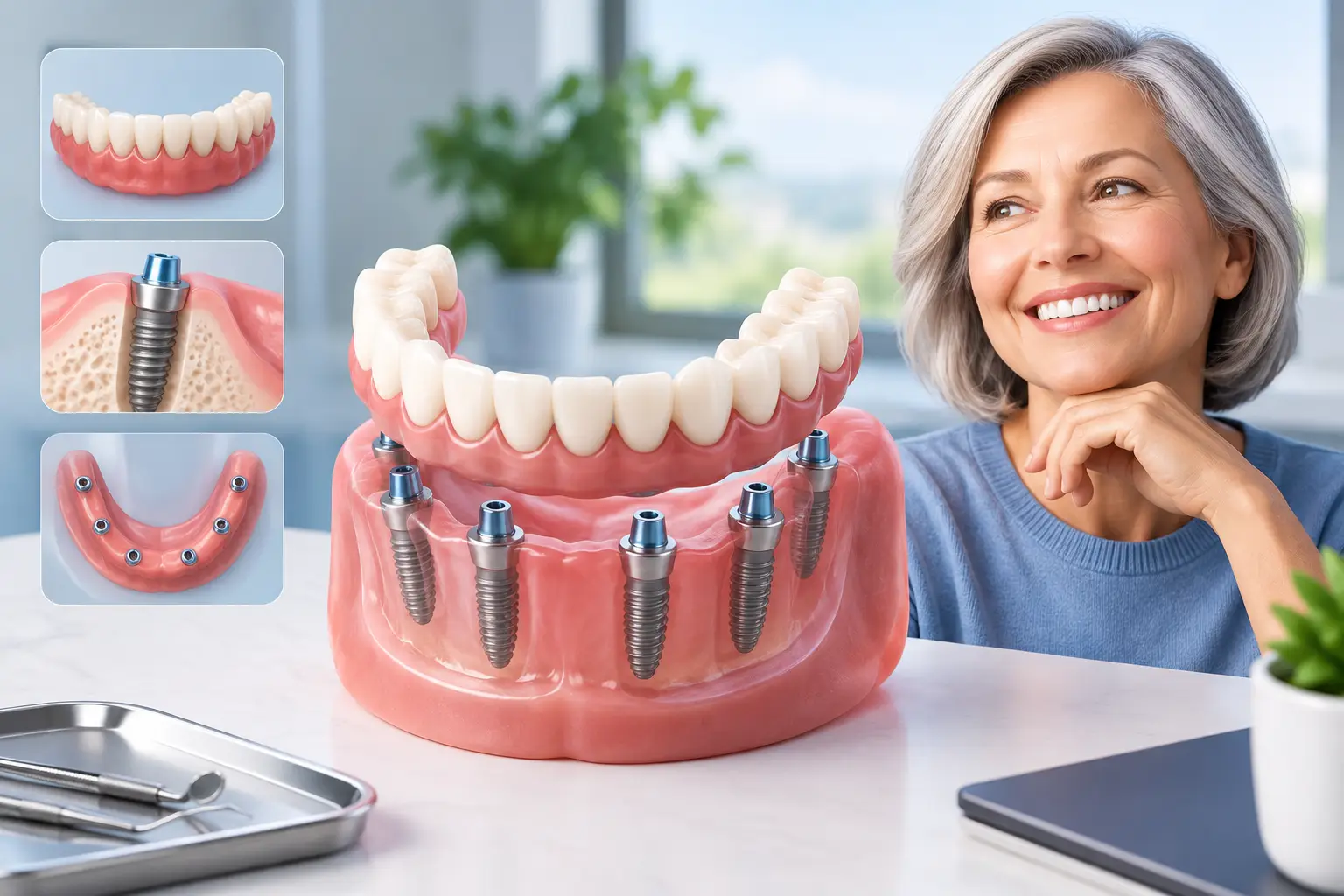
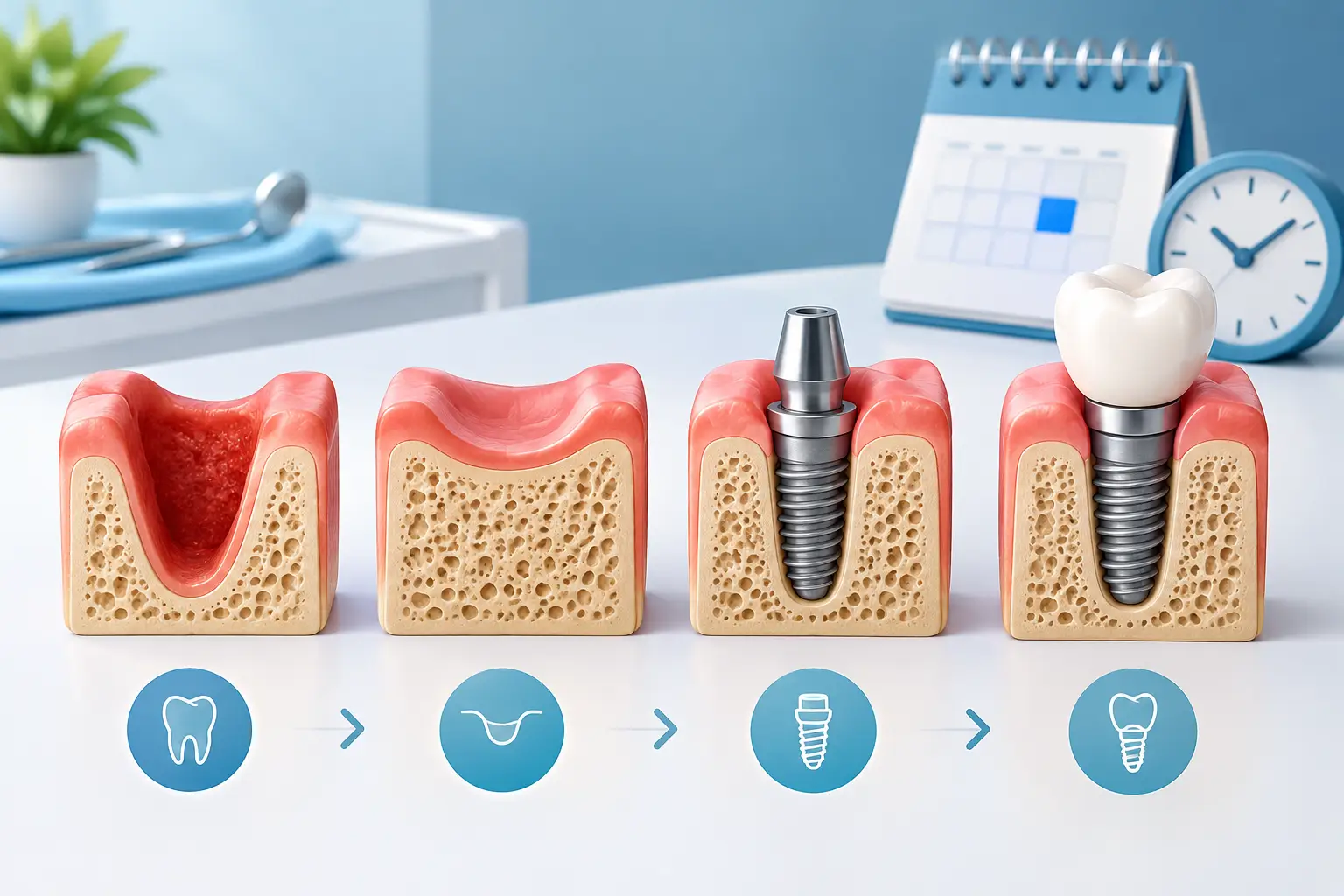
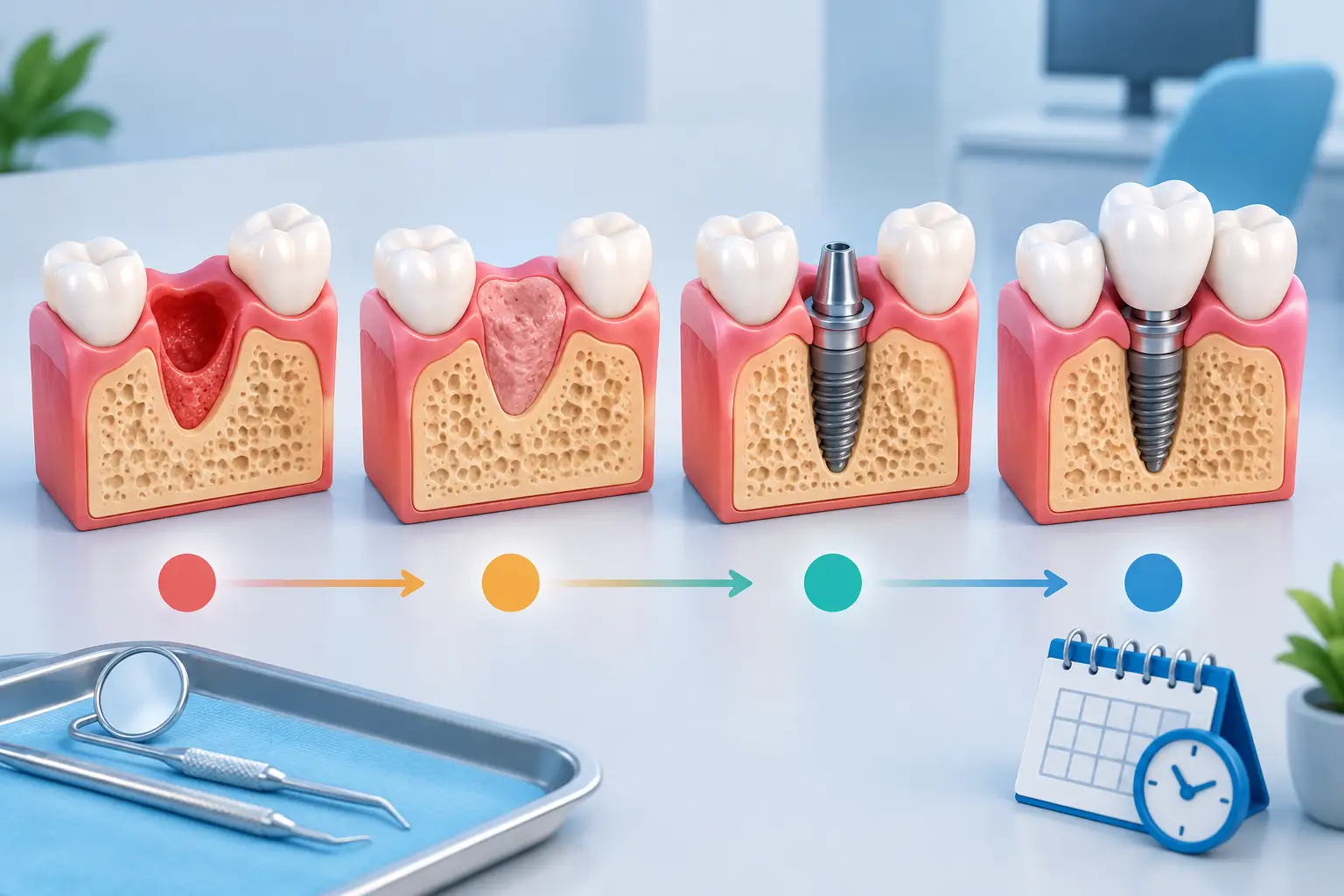
Most chipped teeth are repairable, but a crack extending deeply below the gumline or into the root may make saving the tooth unpredictable. If extraction is the healthiest option, replacing the missing tooth can help protect your bite, speech, appearance, and neighboring teeth.
A dental implant with a custom crown is often a durable single-tooth replacement because it replaces both the tooth root and the visible tooth. A bridge may also be appropriate in certain situations. The best choice depends on bone health, the condition of adjacent teeth, bite forces, health history, and your goals for treatment.
How to Choose the Right Treatment for Your Tooth
It is understandable to want the fastest cosmetic fix, particularly when the chip is visible in photos or conversations. Still, the right treatment should account for function as well as appearance. A repair must work with the way your upper and lower teeth meet.
Your dentist will consider the size and location of the chip, whether the tooth is alive and healthy, existing fillings or cracks, and whether grinding or clenching contributed to the damage. A chip on a front tooth from one accident may call for simple bonding. Repeated chips in the same spot may signal a bite issue, nighttime grinding, or an old restoration that needs a more durable approach.
At Seattle Oral Care, treatment planning is designed to be clear and collaborative. You should understand what each option protects, how long it may last, what maintenance it requires, and why one approach may be better suited to your tooth than another. There is rarely a one-size-fits-all answer, and you do not need to make the decision without guidance.
Protecting Your Repair After Treatment
Once your tooth is restored, a few habits can help preserve it. Avoid chewing ice, popcorn kernels, pens, and other hard objects. Use a mouthguard for contact sports, and ask about a custom nightguard if you wake with jaw soreness, headaches, or signs of grinding.
Continue brushing twice daily with fluoride toothpaste, cleaning between teeth each day, and attending regular exams. Routine visits allow small changes in a bonded edge, crown, veneer, or bite to be addressed before they become a larger problem.
A chipped tooth does not have to become a lasting source of discomfort or self-consciousness. Getting an evaluation soon gives you the best chance to keep treatment simple, protect your natural tooth, and smile and chew with confidence again.