A routine dental visit can reveal more than cavities or gum inflammation. If you have wondered, can a dentist tell if you have sleep apnea? the reassuring answer is that a dentist can recognize clues, but a sleep test is needed to confirm the diagnosis. A conversation that begins with tooth wear, snoring, or daytime fatigue may be an important step toward better rest and better health.
What your dentist may notice
Obstructive sleep apnea occurs when the airway repeatedly narrows or closes during sleep. Your body briefly works to reopen it, often many times per night. You may not remember those interruptions, but the effects can show up in your mouth, your sleep patterns, and how you feel during the day.
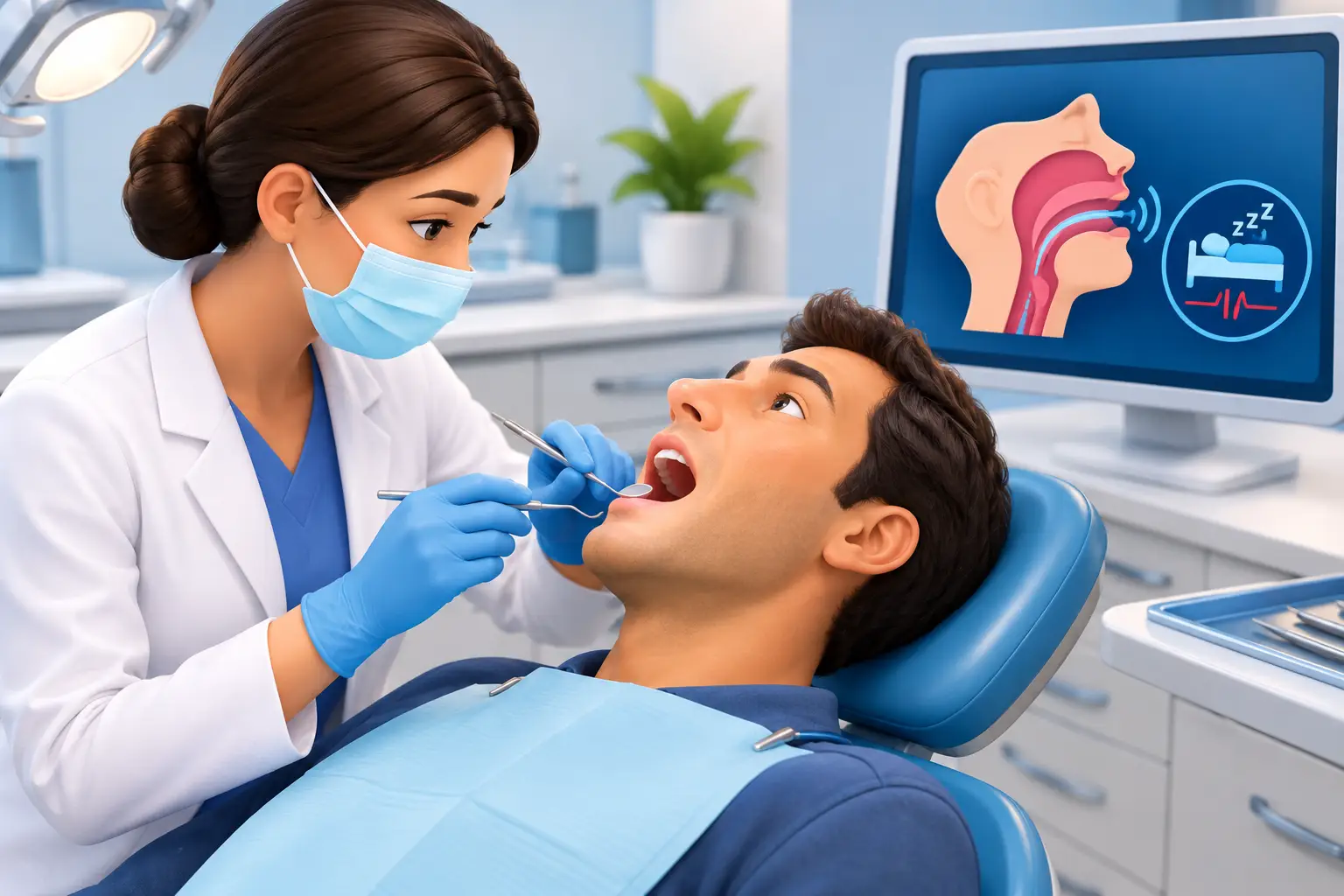
During an exam, a dentist may notice signs that make sleep-disordered breathing worth discussing. These signs do not prove that you have sleep apnea. They simply help identify when a closer look is appropriate.
A smaller or recessed lower jaw, a narrow upper jaw, a large tongue, enlarged tonsils, or a crowded throat can affect the available airway space. Dentists also look for heavy tooth wear, chipped teeth, cracked restorations, jaw soreness, and tenderness in the chewing muscles. These findings can be associated with nighttime clenching or grinding, which sometimes occurs alongside disrupted breathing.
Your medical and dental history matters just as much as the exam. Frequent snoring, waking up gasping, dry mouth in the morning, morning headaches, restless sleep, and ongoing daytime sleepiness are all reasons to consider testing. A bed partner may notice breathing pauses long before the person experiencing them does.
Dentist screening for sleep apnea is not a diagnosis
A dentist screening for sleep apnea is a focused review of your symptoms, health history, and oral structures. It may include questions about your sleep quality, blood pressure, medications, weight changes, nasal breathing, and whether anyone has observed loud snoring or pauses in your breathing.
Your dentist may also use a validated screening questionnaire to assess your level of risk. This is helpful, but it is not the final answer. Sleep apnea is diagnosed by a physician or qualified sleep provider using the results of a sleep study.
That distinction protects you. Snoring alone does not always mean sleep apnea, and not everyone with sleep apnea snores loudly. Other conditions, including insomnia, restless legs syndrome, medication effects, and central sleep apnea, can also affect sleep. A proper evaluation identifies what is actually happening so treatment matches the problem.
Your dentist noticed signs of sleep apnea. What happens next?
If your dentist noticed signs of sleep apnea, the next step is usually a referral for sleep testing. This is not a reason to panic. It is a practical way to get clear information about your breathing while you sleep.
Many adults begin with a home sleep apnea test. You take home a small monitoring device and wear it overnight as instructed. Depending on the equipment, it may track breathing effort, airflow, blood oxygen levels, pulse, and sleeping position. The test is returned or transmitted for interpretation by a sleep physician or other qualified provider.
For some patients, an overnight sleep study in a sleep center is a better choice. This more detailed test can be recommended when symptoms are complex, a home test is inconclusive, or another sleep condition may be involved. It also may be appropriate for people with certain heart, lung, or neurologic conditions.
The result generally describes whether sleep apnea is present and, if so, its severity. It also helps distinguish obstructive sleep apnea from other breathing disorders. Your physician will review the findings and discuss the treatment options that fit your diagnosis, health history, and preferences.
Why treating sleep apnea matters
Untreated obstructive sleep apnea can affect much more than your energy level. Repeated drops in oxygen and interrupted sleep may contribute to difficulty concentrating, mood changes, high blood pressure, and increased strain on the cardiovascular system. It can also make driving and demanding workdays harder when fatigue builds up.
Oral health can suffer, too. Mouth breathing may contribute to dry mouth, which raises the risk of cavities and gum problems. Clenching and grinding can wear down natural teeth, damage crowns or fillings, and aggravate jaw discomfort. Treating the underlying sleep issue may be part of protecting the dental work you already have.
Not every symptom has one cause, and treatment does not guarantee that every complaint will disappear. Still, getting evaluated gives you and your care team a far better starting point than simply assuming snoring is harmless.
Treatment after a positive sleep test
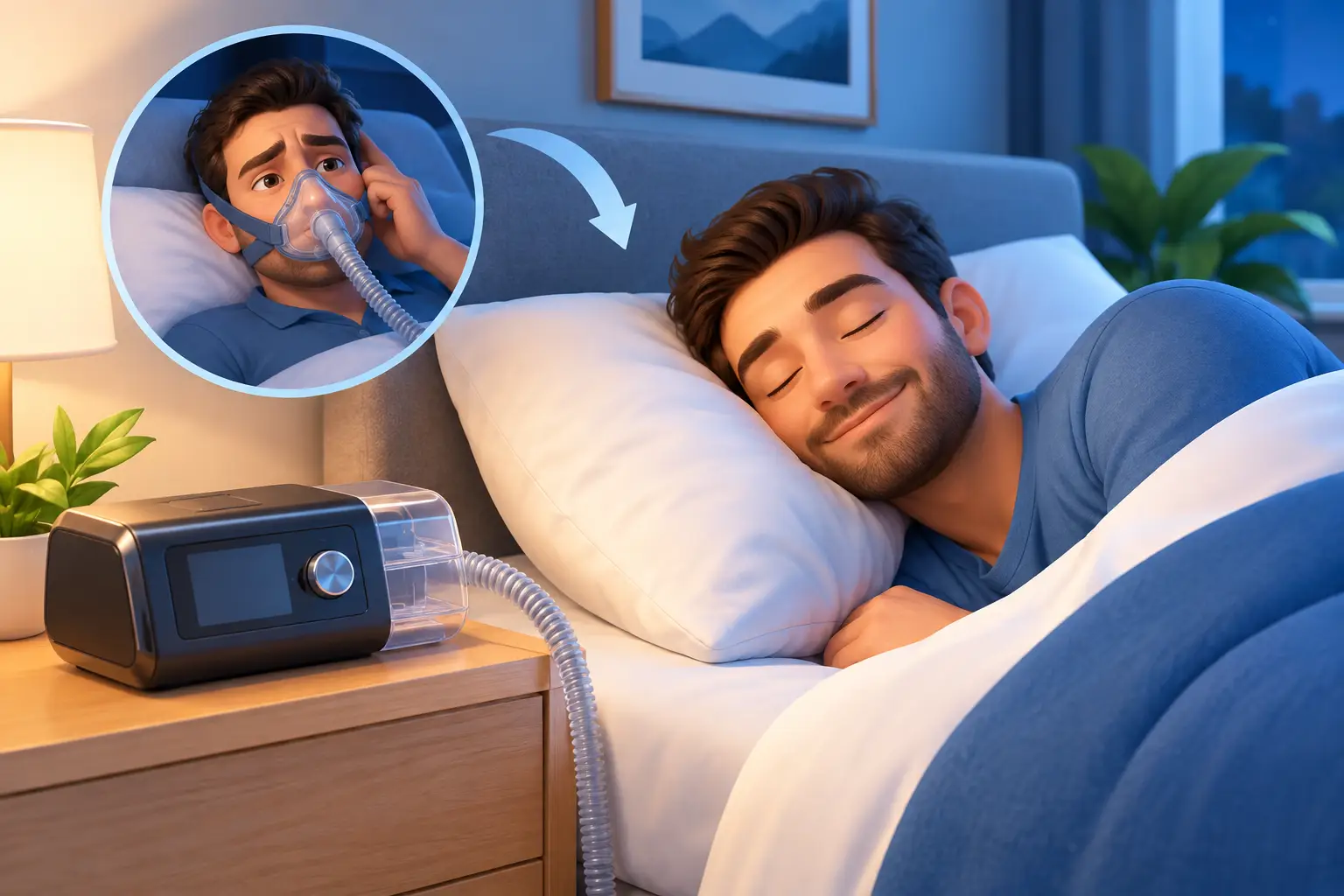
Continuous positive airway pressure, commonly called CPAP, remains a highly effective treatment for many people with obstructive sleep apnea. It uses gentle air pressure to help keep the airway open during sleep. Some patients do very well with CPAP, especially in cases of more severe apnea.
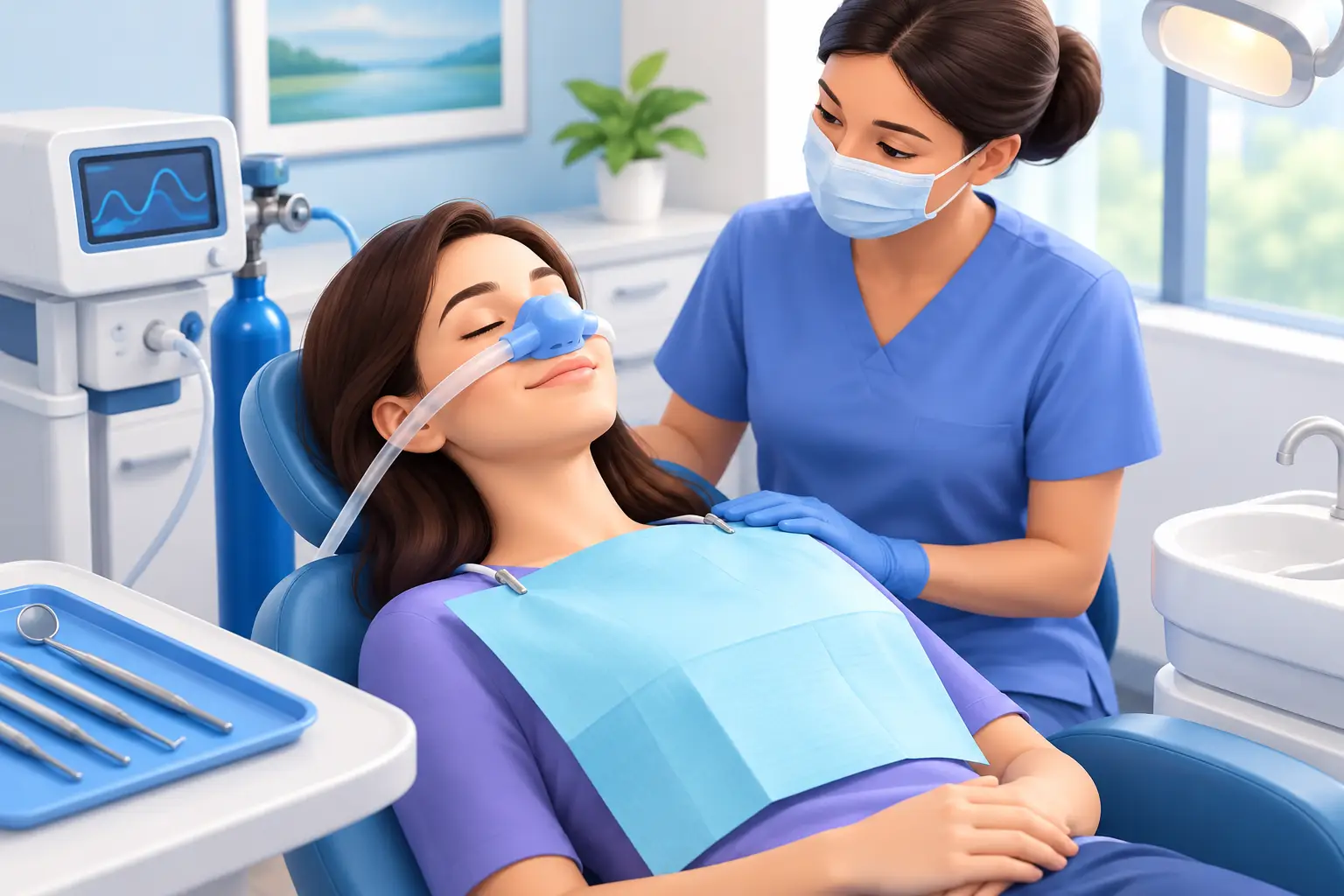
For adults with mild to moderate obstructive sleep apnea, and for some people with severe apnea who cannot tolerate CPAP, a custom oral appliance may be an option. This appliance is not the same as an over-the-counter night guard. It is prescribed after diagnosis and made specifically to fit your teeth and guide the lower jaw forward in a controlled way, helping keep the airway more open.
A qualified dental sleep medicine provider evaluates whether your teeth, gums, jaw joints, and existing restorations can support an oral appliance safely. The appliance is adjusted over time for comfort and effectiveness. Follow-up with both the dentist and sleep physician is essential, because a follow-up sleep test may be needed to confirm that treatment is working.
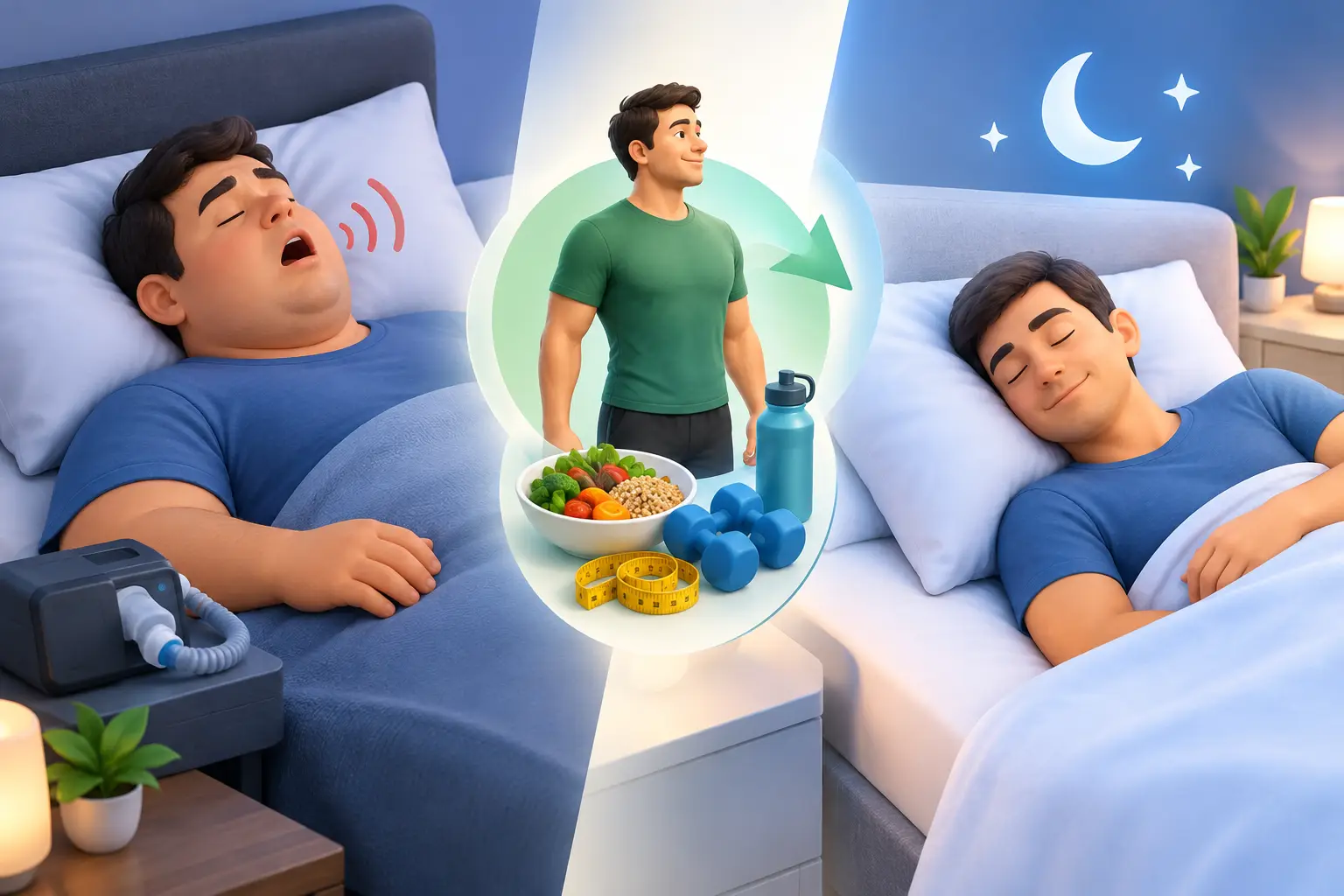
Treatment decisions depend on several factors: the severity and type of sleep apnea, your anatomy, CPAP tolerance, jaw health, medical conditions, and personal preferences. Some patients use CPAP and an oral appliance in combination. Others may benefit from weight management, positional therapy, nasal treatment, or referral to an ear, nose, and throat specialist. There is no one-size-fits-all solution.
A careful dental evaluation can make treatment safer
If you are considering oral appliance therapy, your dentist should look beyond the airway. Healthy gums, stable teeth, bite alignment, jaw-joint comfort, and the condition of crowns, bridges, implants, or dentures all affect planning.
This is especially important if you have extensive restorative dentistry or have had jaw pain in the past. A carefully designed appliance should be monitored so changes in bite, tooth movement, or jaw discomfort can be addressed early. At Seattle Oral Care, sleep-focused dental care is approached as part of your overall oral health, with attention to both breathing and the long-term condition of your smile.
When to speak up before your next appointment
Do not wait for a dentist to raise the subject if sleep has become a daily struggle. Mention persistent snoring, witnessed pauses in breathing, waking with a racing heart, morning headaches, dry mouth, or daytime drowsiness. Bring up any trouble staying alert while driving or during work, as well.
If you already use CPAP but find the mask difficult to tolerate, say so. There may be adjustments to explore with your sleep provider, and an oral appliance consultation may help determine whether another approach or a combined approach is appropriate.
A dentist cannot diagnose sleep apnea from an exam alone, but the signs seen in your mouth can lead to a conversation that changes how you feel every day. If a sleep test has been suggested, consider it a thoughtful next step: clear answers can make room for quieter nights, steadier energy, and care that fits your life.