When the upper jaw has lost too much bone for conventional implants, being told that you are not a candidate can feel discouraging. Zygomatic dental implants may offer another path for some people with severe upper jawbone loss, including those who have worn dentures for years or have had unsuccessful implant treatment. They are highly specialized implants, however, and the right answer depends on careful planning, anatomy, health history, and your goals for your smile.
What are zygomatic dental implants?
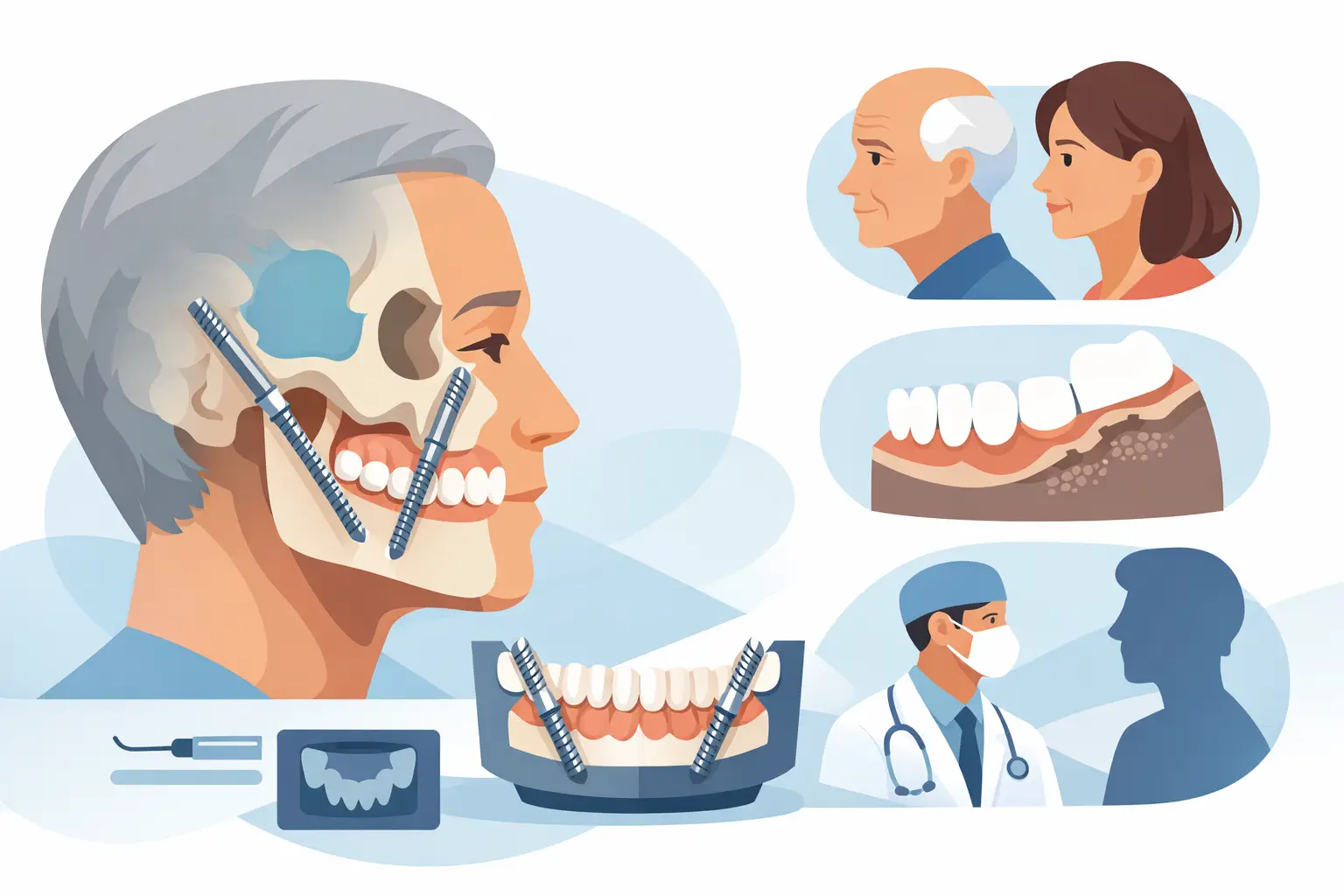
Traditional dental implants are placed in the jawbone. Zygomatic implants are longer implants placed into the zygomatic bone, commonly called the cheekbone, to support teeth in the upper jaw. The cheekbone is typically denser and more stable than a severely resorbed upper jaw, which can make it a useful anchor when there is not enough maxillary bone for standard implants.
This treatment is most often considered for full-arch restoration, meaning replacement of all or most upper teeth with a fixed bridge. It is not usually the first approach for replacing one missing tooth. Because placement involves complex facial anatomy near the sinus and orbit, it should be planned and performed by a clinician with specific surgical experience and supported by a coordinated restorative team.
The goal is straightforward: create a stable foundation for teeth without relying solely on the bone that has been lost in the upper jaw. For the right patient, this can reduce the need for extensive grafting and shorten the path to fixed teeth.
Who needs zygomatic implants?
People lose upper jawbone for several reasons. Tooth loss can lead to gradual bone resorption, especially when teeth have been missing for many years. Advanced gum disease, infection, trauma, previous surgery, and long-term denture wear can also contribute. In the back of the upper jaw, the maxillary sinuses may expand as bone shrinks, leaving very little height for a conventional implant.
You may be a candidate for zygomatic implants if you have severe jawbone loss dental implant challenges and want a fixed alternative to a removable upper denture. They may also be considered when conventional implants have failed because the available upper-jaw bone could not support them adequately.
Cheekbone dental implants candidacy is not determined by one X-ray or by bone volume alone. Your dentist and surgical team will consider the shape and quality of your cheekbones, sinus anatomy, gum health, bite relationship, remaining teeth, medical conditions, medications, and whether you can maintain excellent oral hygiene after treatment. A three-dimensional CBCT scan is typically essential for safe planning.
Situations where this treatment may be discussed
Zygomatic implants are commonly evaluated for people with an extremely atrophic upper jaw, particularly if standard implant placement would require major sinus grafting and multiple bone-grafting procedures. They can also be a failed traditional implants alternative for a person whose existing upper implants have failed and whose remaining bone is limited.
That said, having bone loss does not automatically mean you need zygomatic implants. Some patients have enough bone for short implants, tilted conventional implants, localized grafting, or a staged plan. Others may be better served by a well-designed removable prosthesis. The best option is the one that balances predictability, comfort, long-term maintenance, and the level of treatment you are comfortable pursuing.
Zygomatic implants vs. bone grafting
The question is not simply whether zygomatic implants are “better” than bone grafting. Both can be valuable approaches, and each has trade-offs.
Bone grafting aims to rebuild or preserve the jawbone so conventional implants can be placed in a more familiar position. For mild to moderate bone loss, grafting can be an excellent solution. It may be performed with your own bone, donor material, or other grafting products, depending on the situation. The limitation is time: substantial grafts often need months of healing before implants can be placed, and a second healing period may follow before final teeth are made.
Zygomatic implants bypass much of the deficient upper-jaw bone by using the cheekbone for support. In selected cases, they can allow an immediate or earlier fixed temporary bridge. This can be especially meaningful for someone who is tired of an unstable denture or does not want a long sequence of grafting appointments.
The trade-off is that zygomatic implant surgery is more technically demanding. It is not a shortcut or a routine procedure. It carries specific risks, including sinus complications, infection, soft-tissue concerns, and prosthetic challenges if the implants are not precisely planned. Long-term success also depends on professional maintenance and daily home care around the bridge.
For many patients, the decision comes down to anatomy and priorities. A patient with enough bone to graft predictably may prefer a conventional implant route. Someone with extreme bone loss implant options that are limited, a history of failed grafting, or a strong desire to avoid multiple surgeries may be better suited to a zygomatic approach.
What the planning process should include
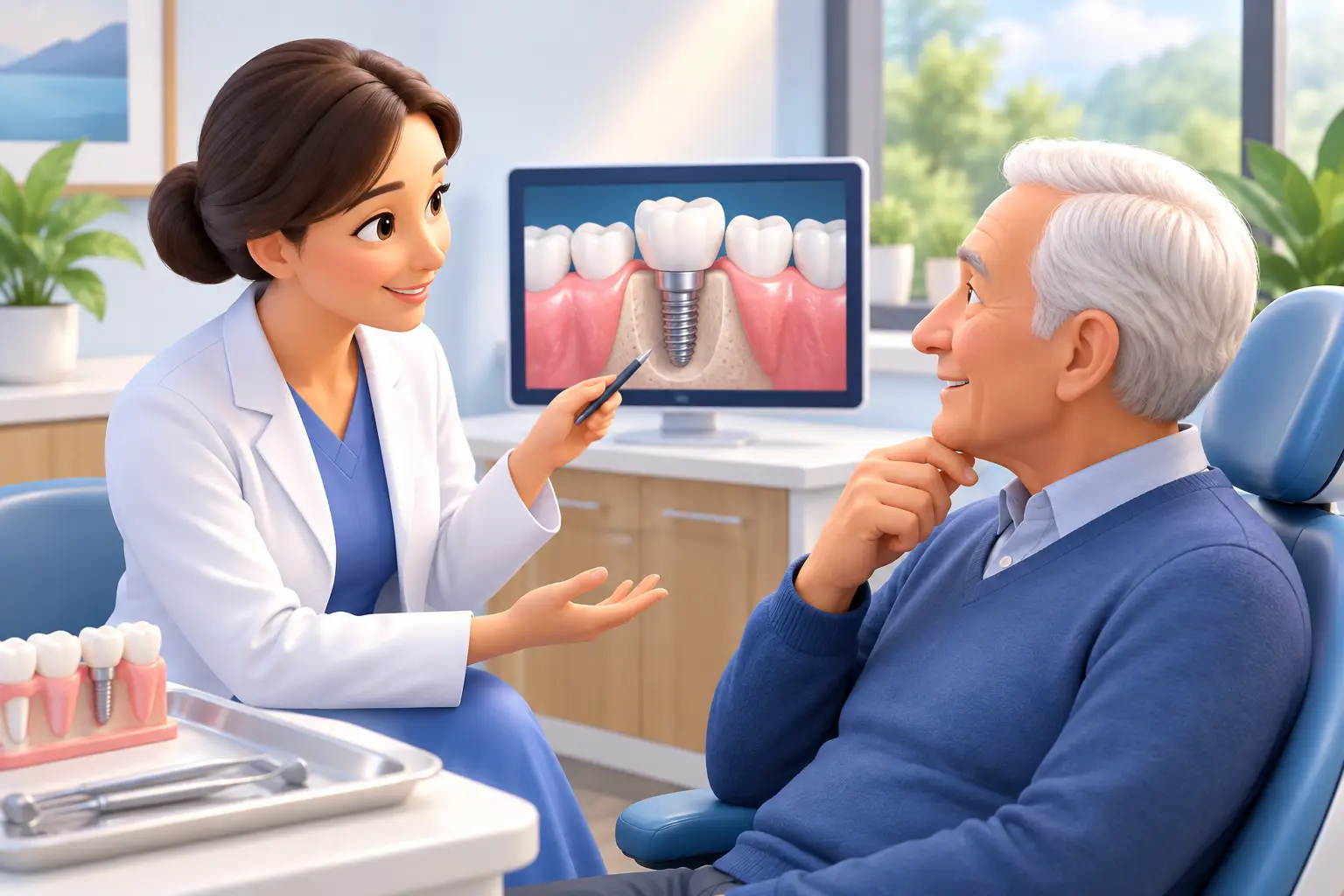
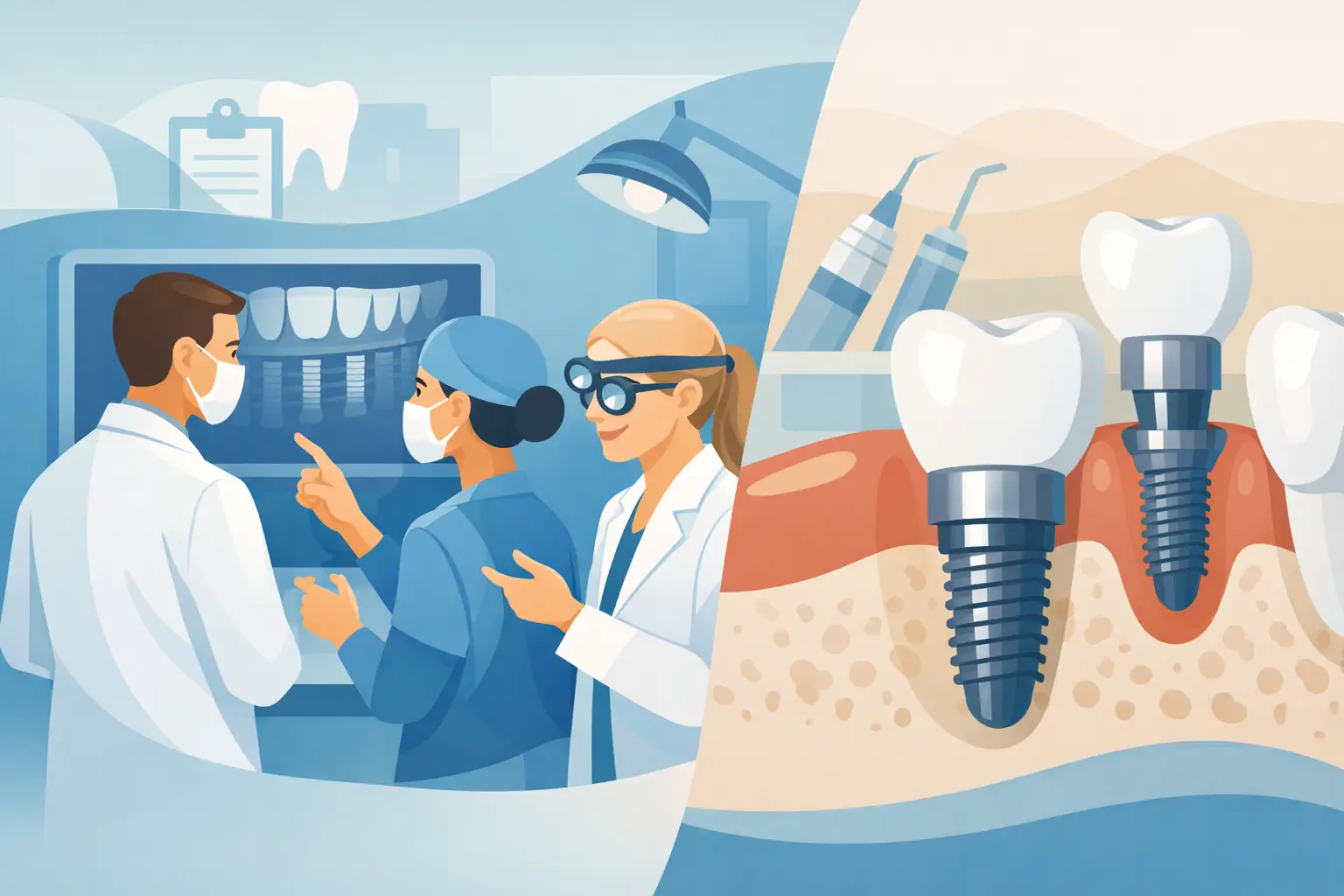
A thoughtful consultation should never begin and end with, “You do not have enough bone.” Complex implant care needs a fuller conversation. At Seattle Oral Care, coordinated treatment planning can bring prosthodontic, surgical, periodontal, and general dental perspectives together so the final restoration is considered from the start.
Your evaluation should include a review of your health history and medications, a periodontal assessment, a detailed examination of teeth and gums, digital imaging, and a discussion of your goals. If you smoke, have uncontrolled diabetes, are receiving certain bone-affecting medications, or have untreated gum disease, those factors may affect timing, risk, or candidacy. They do not always rule out treatment, but they deserve an honest conversation.
Planning also involves the final teeth. A beautiful, stable bridge must be designed so you can clean beneath and around it. Bite forces, facial support, speech, smile appearance, and access for hygiene all matter. An implant surgery can be technically successful, yet still fall short if the final restoration is difficult to maintain or does not fit your expectations.
What recovery and long-term care look like
Recovery varies with the extent of surgery, whether teeth are removed at the same visit, and whether a temporary bridge is placed right away. Swelling, bruising, tenderness, and fatigue are common in the first several days. Your surgical team will provide individualized instructions for medications, diet, cleaning, and follow-up visits.
A soft-food diet is usually necessary while healing takes place. Even if you receive fixed temporary teeth, they are not a signal to return immediately to chewing anything you want. The implants and surrounding tissues need time to stabilize. Final teeth are typically made after healing and careful evaluation of comfort, bite, appearance, and speech.
Long-term care is part of protecting your investment. This generally includes brushing, using the cleaning tools recommended for your bridge, and regular professional visits. If you grind your teeth, a protective nightguard may be recommended. Implant-supported teeth do not decay, but the gums and bone around implants can still develop inflammation if plaque is allowed to build up.
Questions worth asking before you decide
Before moving forward, ask who will perform the surgery, how many similar cases the team manages, what alternatives are realistic for your anatomy, and what the treatment timeline includes. It is also reasonable to ask about temporary teeth, expected maintenance, likely costs, and how complications would be handled.
Most importantly, do not feel pressured to make a decision at the first appointment. Severe bone loss can make treatment feel urgent, especially when a denture is loose or teeth are failing, but you deserve time to understand the options. The right plan should leave you feeling informed, not rushed.
If you have been told that standard implants are not possible, a comprehensive consultation can clarify whether zygomatic implants, grafting, conventional implants, or another restorative approach fits your needs. With careful diagnosis and an experienced team, even complex tooth loss can have a clear and thoughtful path forward.