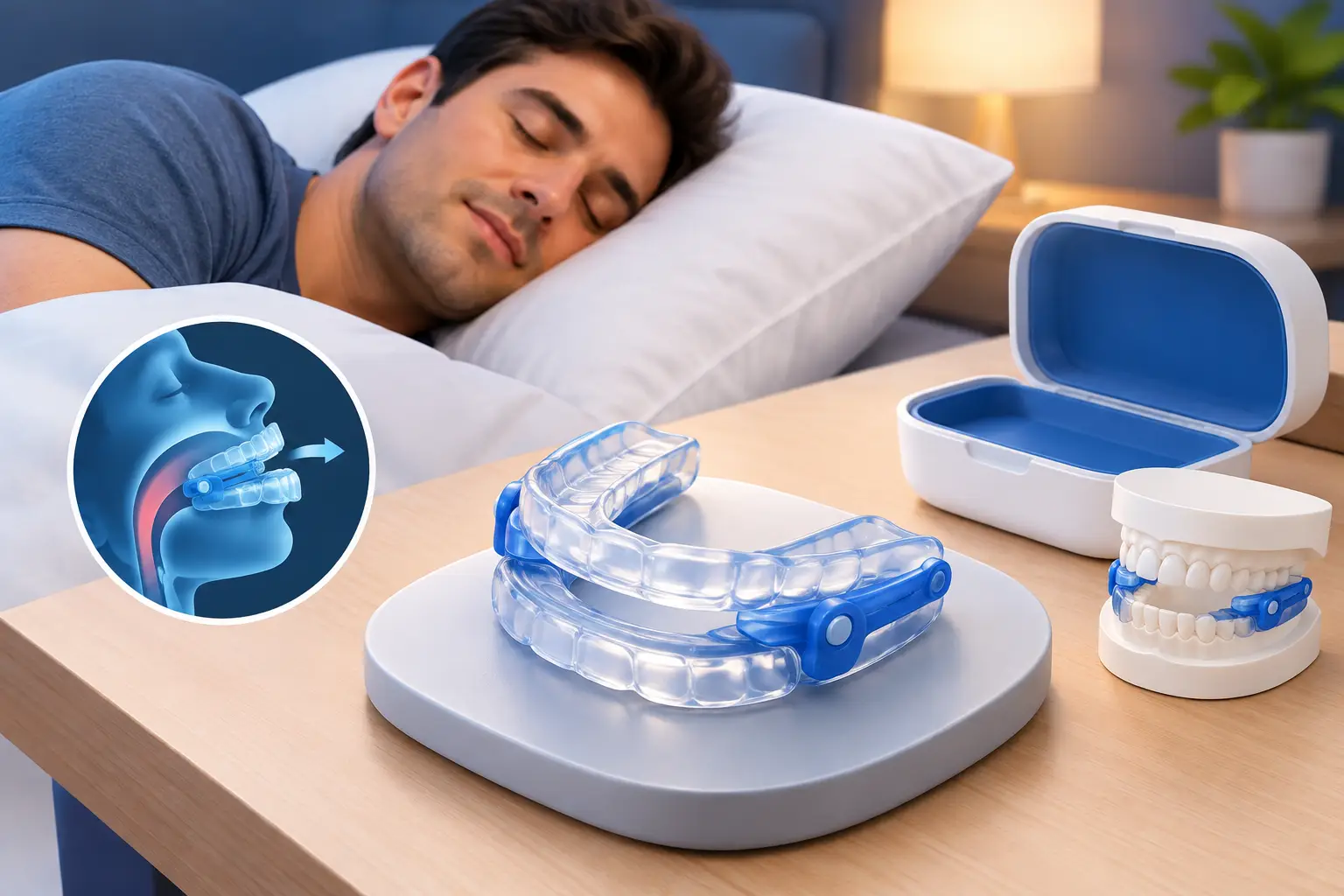
Waking up tired after a full night in bed, hearing from a partner that your snoring has become disruptive, or struggling with a CPAP mask can make treatment feel discouraging. With custom sleep apnea mouth guards: what to expect is a reasonable question - especially when you want an option that is effective, comfortable, and designed around your health needs rather than a one-size-fits-all product.
For many adults with obstructive sleep apnea, a custom oral appliance can be a practical alternative to CPAP or part of a coordinated treatment plan. It is not simply a guard for snoring. It is a prescription device that gently changes the position of your lower jaw during sleep to help keep the airway more open.
First, Expect a Diagnosis - Not a Guess
Snoring alone does not tell the full story. While snoring can be harmless, it can also be a sign of obstructive sleep apnea, a condition in which the airway repeatedly narrows or closes during sleep. These interruptions may reduce oxygen levels and fragment sleep, even if you do not remember waking up.
Before a custom oral appliance is made, you should have an evaluation and sleep testing through a qualified medical provider. A sleep study helps identify whether you have sleep apnea, how severe it is, and whether an oral appliance is an appropriate option. Your medical history, daytime fatigue, blood pressure, medications, and symptoms all matter.
Custom appliances are commonly considered for mild to moderate obstructive sleep apnea, for people who cannot tolerate CPAP, or for patients who prefer an oral appliance when clinically appropriate. For severe sleep apnea, CPAP is often the first-line treatment because it can provide more consistent airway support. Some patients benefit from using both therapies under the direction of their sleep physician.
What a Custom Sleep Apnea Mouth Guard Actually Does
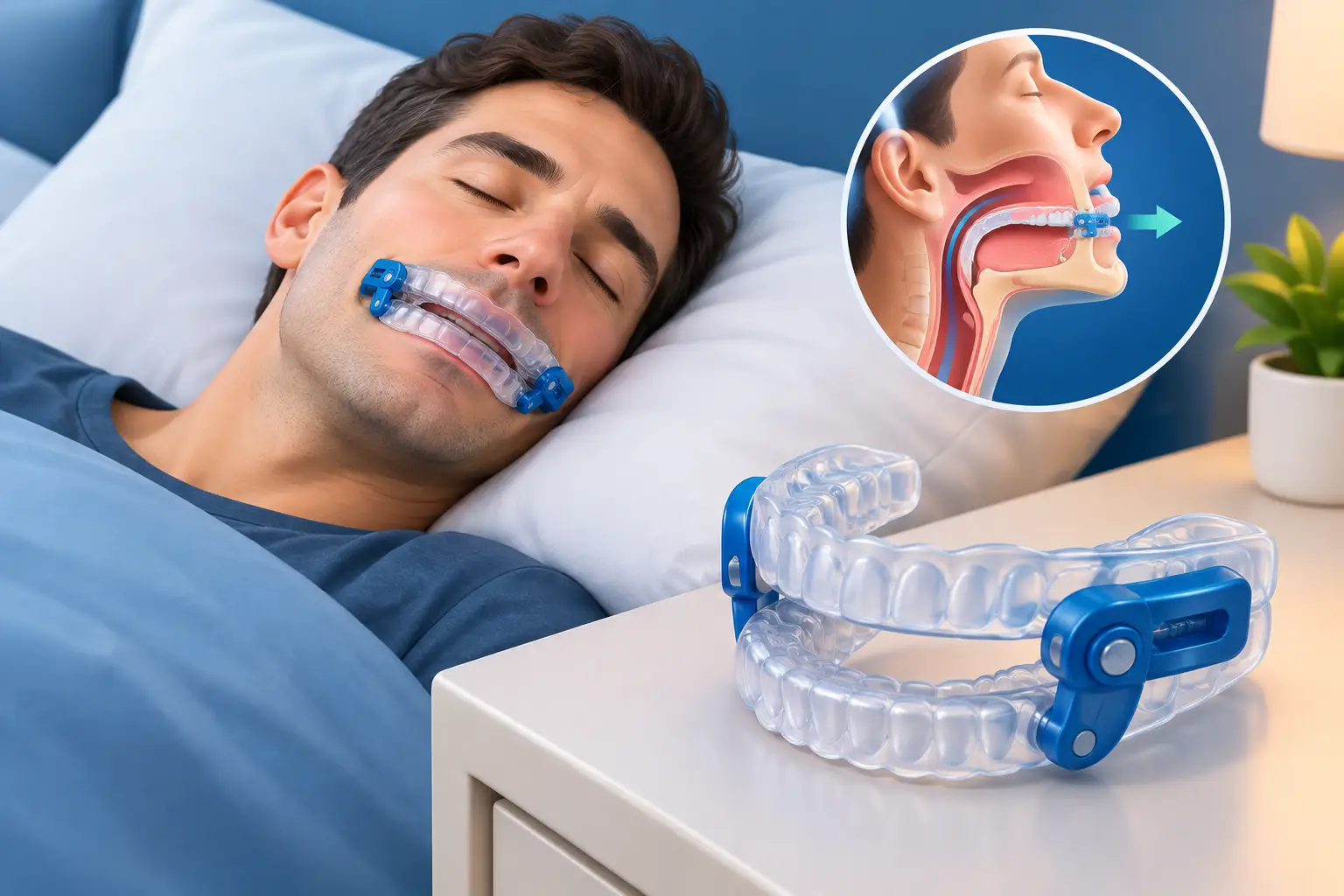
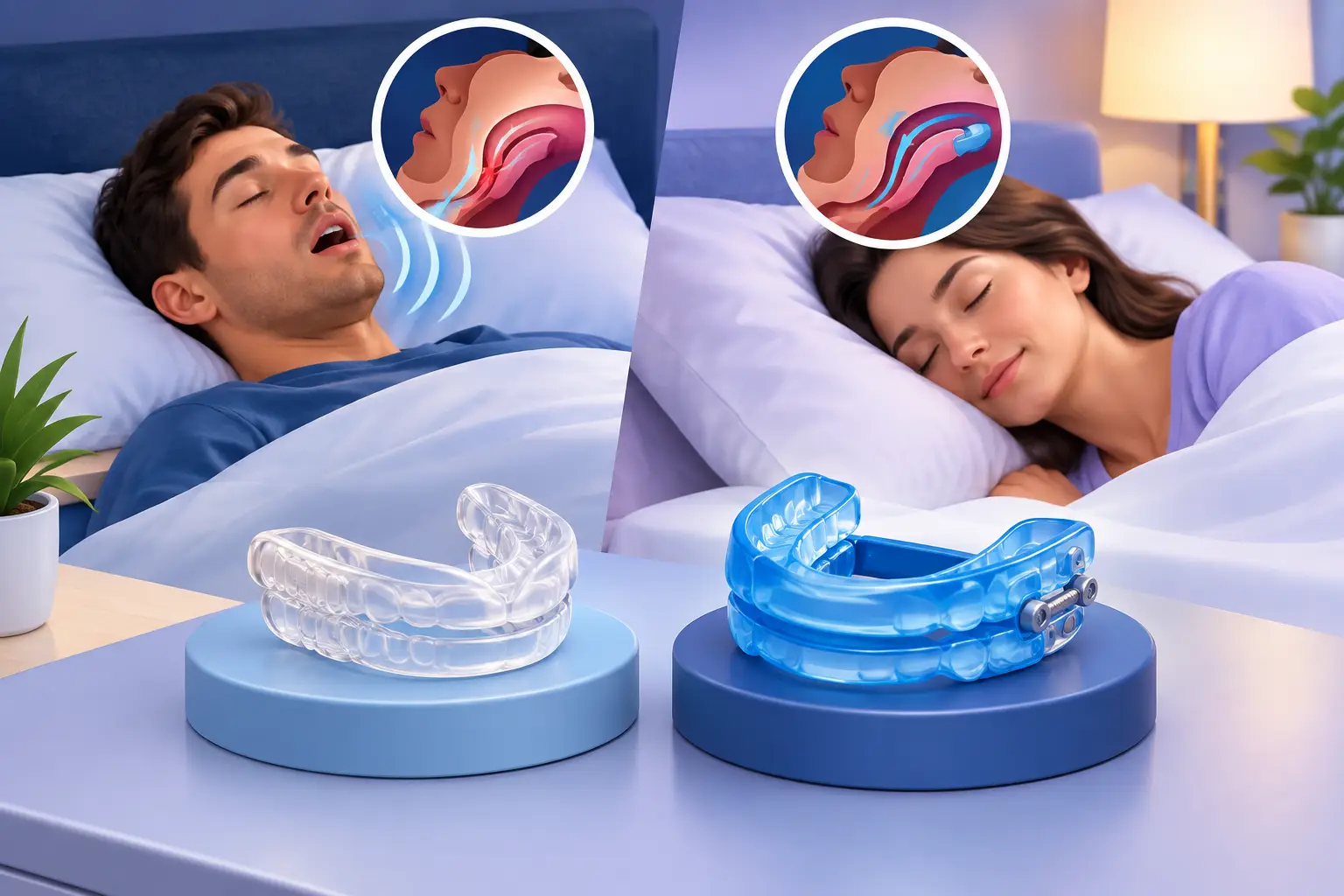
The term “mouth guard” is familiar, but a sleep apnea oral appliance works very differently from a sports guard or over-the-counter snoring device. The most common type is called a mandibular advancement device. It fits over the upper and lower teeth and holds the lower jaw slightly forward while you sleep.
That forward position can help prevent the tongue and soft tissues at the back of the throat from falling into the airway. The device is adjustable, allowing your dental sleep medicine provider to make gradual changes based on your comfort and treatment response.
A well-made appliance is designed to be secure without being bulky. It should stay in place through the night, protect your teeth and jaw joints, and allow for carefully controlled adjustments. Store-bought devices may seem convenient, but they are not made from dental impressions, are often less precise, and do not replace sleep apnea diagnosis or follow-up care.
Your Consultation and Records Appointment
A thoughtful consultation should feel like a conversation, not a sales pitch. Your provider will review your sleep study, health history, CPAP experience if applicable, and goals for treatment. They will also examine your teeth, gums, bite, jaw joints, and overall oral health.
This evaluation matters because an oral appliance relies on stable teeth and healthy supporting tissues. Untreated gum disease, active dental infection, significant tooth mobility, or certain jaw-joint conditions may need attention before appliance therapy begins. If you have implants, bridges, dentures, or a history of extensive restorative dentistry, that does not automatically rule out treatment. It simply means the appliance must be planned carefully around your individual dental work.
Digital scans or impressions are then taken to create a device that fits your teeth precisely. This appointment is usually straightforward and comfortable. If dental visits make you anxious, let your care team know. Gentle care often starts with understanding what has made treatment difficult in the past.
What to Expect When Your Appliance Is Delivered
When your custom appliance is ready, you will return for a fitting. Your provider will confirm that it seats properly, feels stable, and does not place excessive pressure on specific teeth or gums. You will learn how to insert it, remove it, clean it, and make any approved adjustments.
Most appliances start at a conservative setting. Moving the jaw too far forward too quickly can create unnecessary soreness. Instead, the adjustment process is gradual. Your provider may ask you to advance the device in small increments over several days or weeks while tracking snoring, sleep quality, daytime energy, and side effects.
The first few nights can feel unfamiliar. You may notice increased saliva, a dry mouth, mild tooth pressure, or temporary jaw stiffness in the morning. These effects often improve as you adapt. Persistent pain, jaw locking, significant bite changes, or a device that rubs your gums should be addressed promptly rather than pushed through.
A Morning Repositioning Routine Can Help
Because the appliance holds the lower jaw forward overnight, some patients notice their bite feels temporarily different after waking. Your provider may recommend a morning repositioning device or simple exercises to guide the jaw back into its usual position. This is a normal part of oral appliance therapy and one reason follow-up visits are so valuable.
The Adjustment Period Is Part of Treatment
A custom appliance is not “set it and forget it.” The right position is a balance: enough forward movement to improve breathing, but not so much that it causes avoidable jaw discomfort or strain. Your symptoms may improve before the appliance reaches its final therapeutic setting, but symptom improvement alone does not confirm that sleep apnea is fully controlled.
Follow-up appointments allow your dental sleep medicine provider to assess fit, comfort, tooth movement, bite changes, and jaw-joint health. They also create an opportunity to coordinate with your sleep physician. In many cases, a follow-up sleep test is recommended once the appliance has been adjusted to its working position. This confirms whether the treatment is reducing breathing events effectively.
That confirmation matters. Feeling less tired is encouraging, but untreated sleep apnea can still affect cardiovascular health, mood, concentration, and quality of life. Objective testing helps ensure your treatment is doing the job it is intended to do.
Daily Care and Long-Term Maintenance
A custom sleep apnea appliance is a medical device and a long-term investment in your health. Gentle daily cleaning helps prevent buildup, odor, and staining. Rinse it after use, clean it with a soft brush and products recommended by your provider, and store it in its protective case when it is not being worn. Avoid hot water, which can distort certain materials.
Bring the appliance to routine dental visits. Your provider can look for wear, cracks, changes in fit, or changes in your bite. Teeth can shift over time, restorations may be replaced, and weight or health changes can affect sleep apnea. An appliance that fit perfectly two years ago may need adjustment or replacement now.
You should also continue seeing your medical provider as recommended. Sleep apnea can change with age, weight fluctuations, nasal congestion, medications, and other health factors. If snoring returns, daytime sleepiness worsens, or your partner notices pauses in breathing again, schedule a review rather than assuming the appliance is still working as intended.
Is a Custom Oral Appliance Right for You?
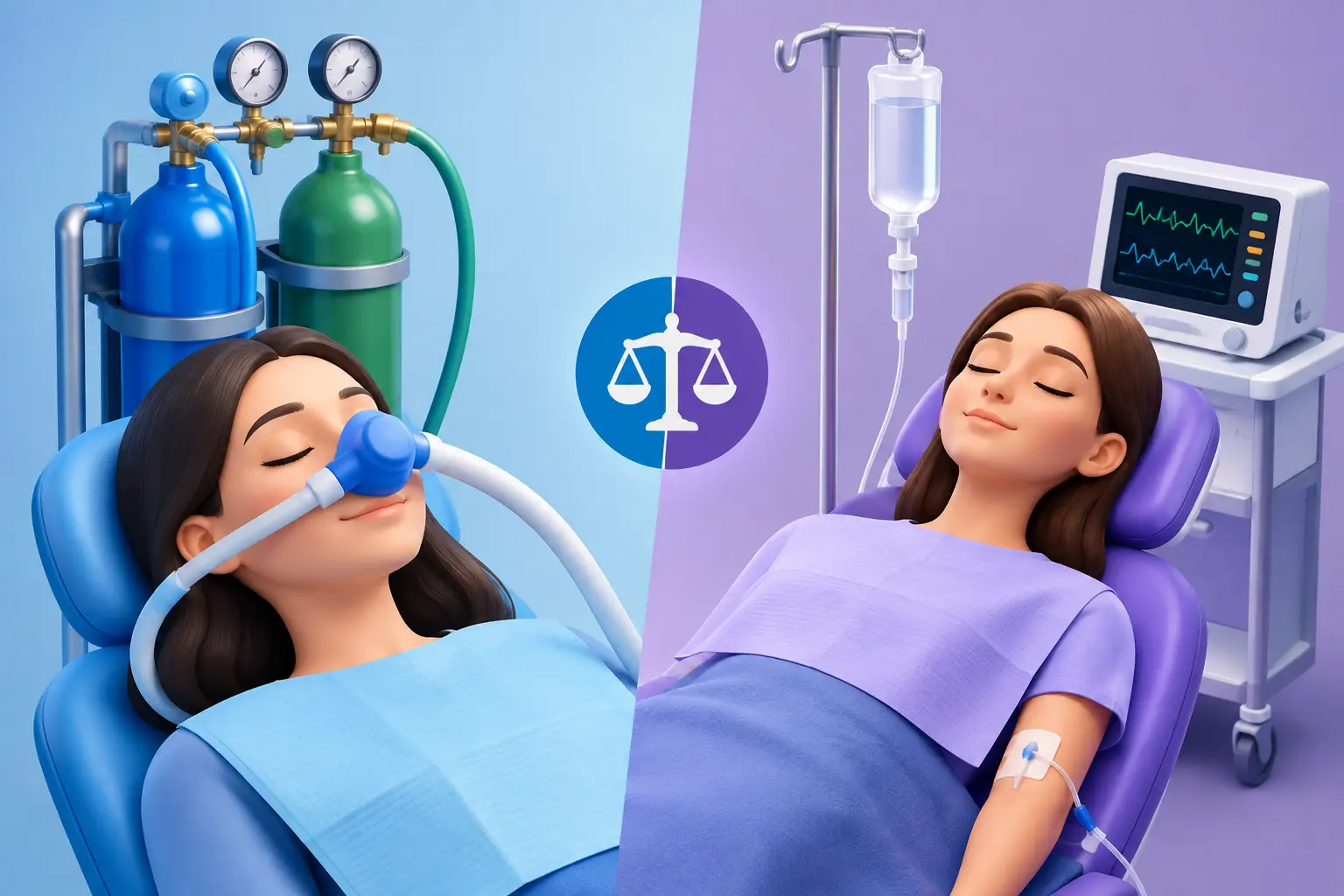
The best sleep apnea treatment is the one that is both clinically appropriate and realistic for you to use consistently. CPAP remains highly effective, particularly for severe cases, and some people do very well with it once mask fit and pressure settings are optimized. Others find a custom oral appliance easier to travel with, quieter, and more comfortable to wear every night.
Your oral health also affects the decision. People with enough stable teeth and healthy gums are often strong candidates. Those with complex restorative needs can still be candidates, but treatment may require closer coordination among dental specialists. At Seattle Oral Care, an AADSM-certified prosthodontist can evaluate oral appliance therapy alongside your broader dental needs, so your sleep treatment supports the health and longevity of your smile.
Better sleep should not require you to guess your way through treatment. A personalized evaluation can clarify what is causing your symptoms and whether a custom appliance can help you breathe more easily, sleep more soundly, and wake up ready for the day.