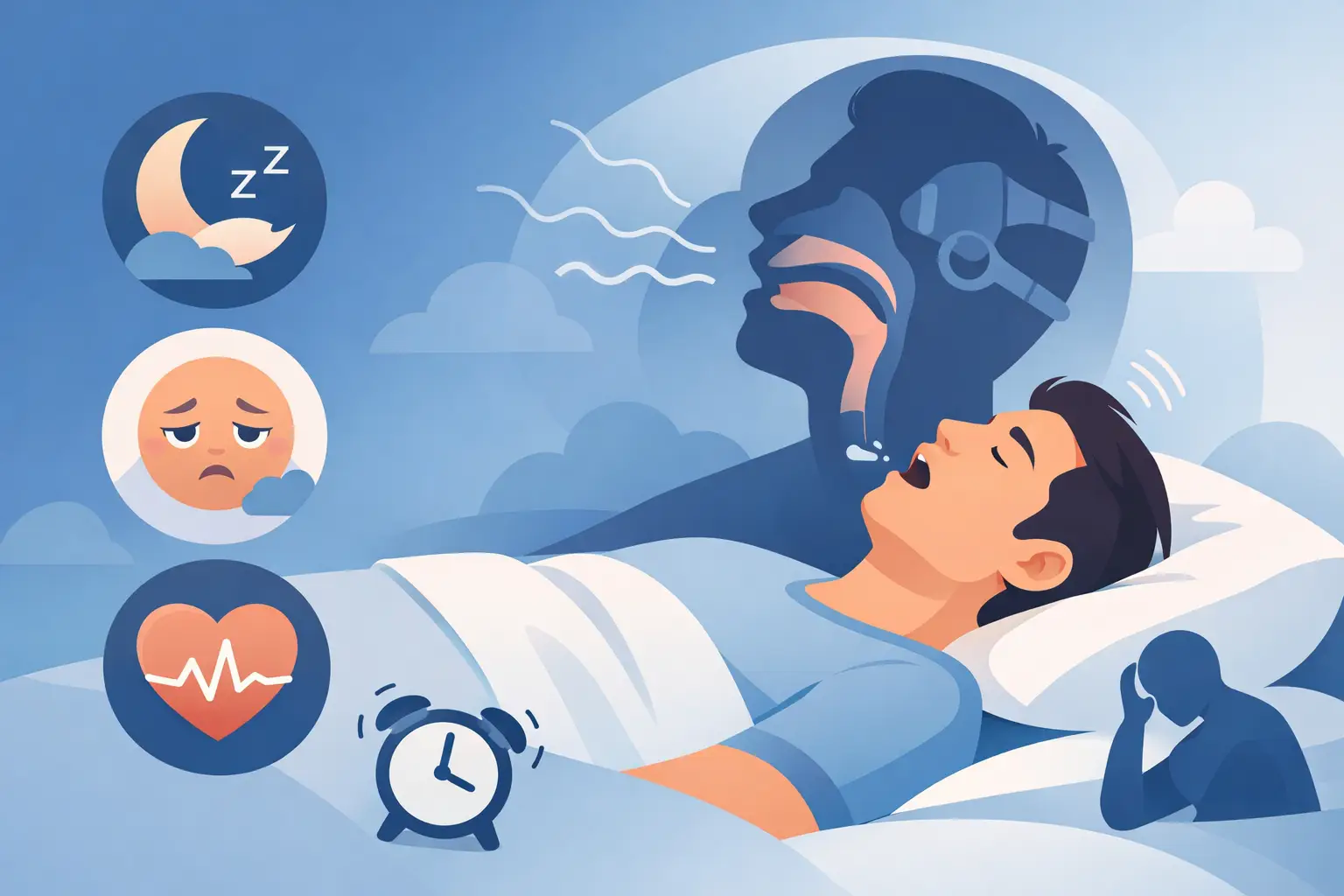
Waking up tired after a full night in bed can feel frustrating, especially when you cannot point to a clear reason. If you are asking, do I have sleep apnea, your body may be giving you clues that deserve attention. Obstructive sleep apnea is common, treatable, and often missed because many of its biggest signs happen while you are asleep.
Sleep apnea occurs when the airway repeatedly narrows or closes during sleep. Your brain briefly wakes you enough to restore breathing, sometimes dozens of times each hour. You may not remember those interruptions, but the effects can follow you into the day.
Do I Have Sleep Apnea? Start With the Common Signs
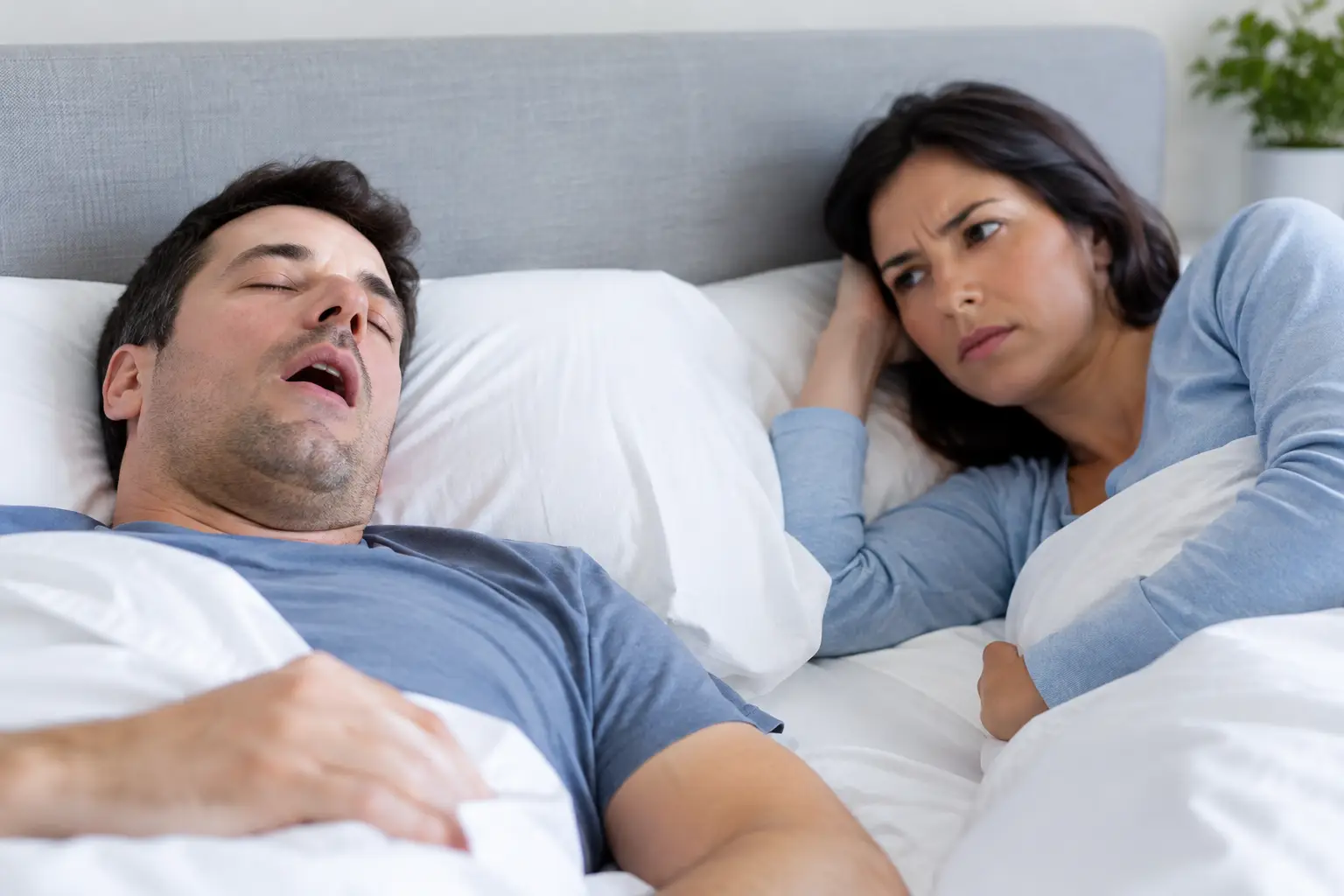
Loud, frequent snoring is one of the best-known signs, but snoring alone does not confirm sleep apnea. The more concerning pattern is snoring interrupted by quiet pauses, choking, gasping, or a sudden snort. A bed partner is often the first person to notice this pattern.
Daytime symptoms matter, too. You may have sleep apnea if you regularly wake with a dry mouth, sore throat, morning headache, or a feeling that sleep did not restore you. Excessive daytime sleepiness, trouble concentrating, irritability, and dozing off while reading, watching television, or driving can also be signs.
Other factors can raise suspicion. Sleep apnea is more common in people with excess weight, high blood pressure, diabetes, nasal congestion, or a family history of the condition. It can also affect people who are not overweight. A small jaw, a recessed lower jaw, enlarged tissues in the throat, or certain airway shapes can contribute to obstruction.
Why Untreated Sleep Apnea Is More Than a Snoring Problem
Interrupted breathing places repeated stress on the body. Over time, untreated obstructive sleep apnea is associated with higher risks of high blood pressure, heart disease, stroke, type 2 diabetes, and accidents caused by drowsy driving. It may also worsen mood, memory, and sexual health.
That does not mean every person who snores has a serious condition. Allergies, alcohol before bed, sleeping on your back, and a cold can all make snoring worse. Still, when snoring comes with witnessed breathing pauses or persistent daytime fatigue, it is wise to take the pattern seriously rather than simply trying to sleep more.
A Sleep Study Gives You a Real Answer
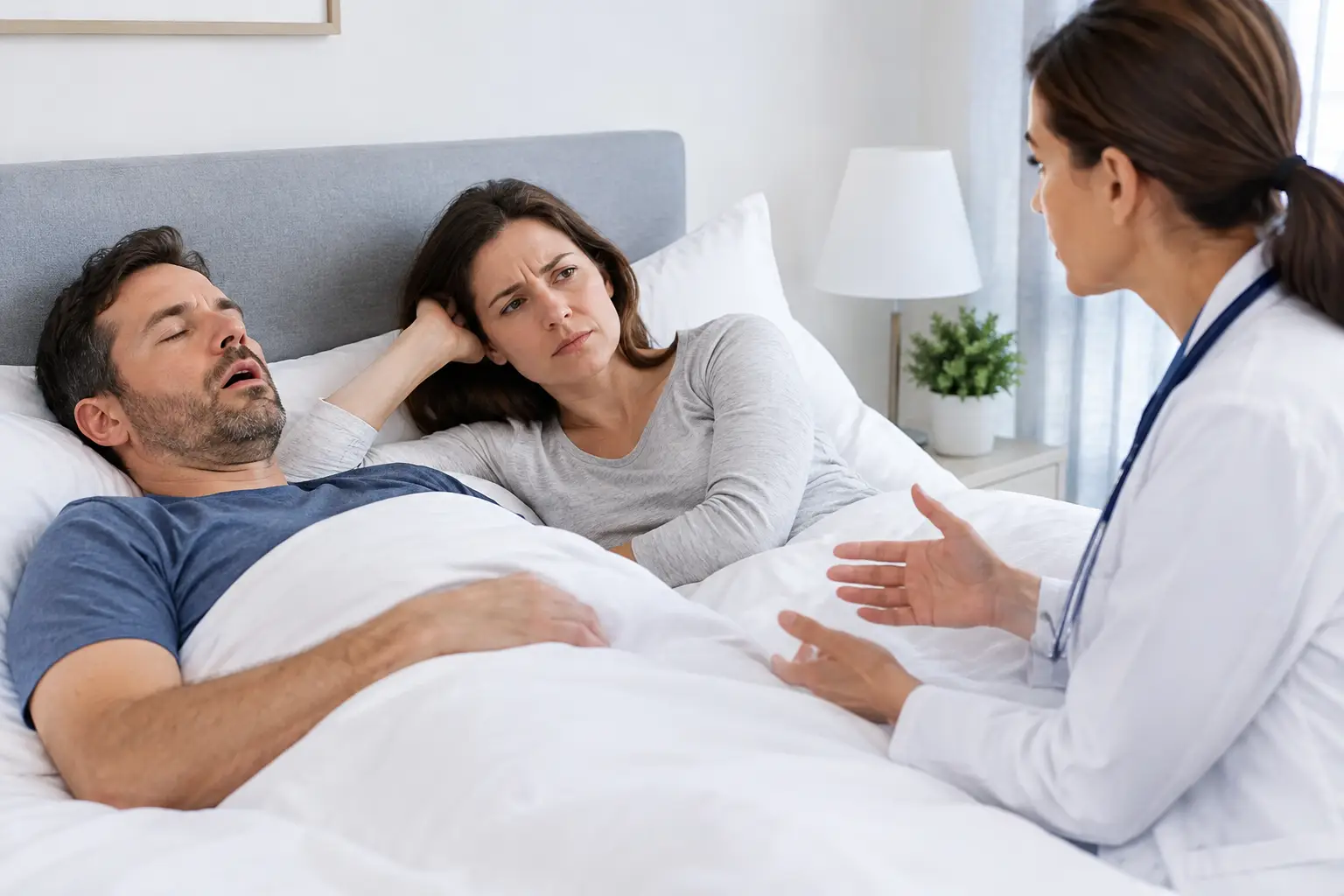
Symptoms can point to a concern, but a sleep study is the only way to diagnose sleep apnea. Your physician or sleep specialist may recommend a home sleep apnea test or an overnight study in a sleep center. These tests measure breathing patterns, oxygen levels, heart rate, and other information that shows whether breathing disruptions are occurring and how often.
The results help guide treatment. Severity, medical history, airway anatomy, and your ability to use different therapies all matter. A personalized plan is more useful than a one-size-fits-all answer.
Treatment Can Look Different for Different Patients
CPAP therapy is a highly effective option for many people, especially those with moderate to severe sleep apnea. It uses gentle air pressure to keep the airway open. Some patients adjust quickly, while others find the mask, noise, or traveling with equipment difficult.
For qualifying patients with obstructive sleep apnea, a custom oral appliance may be another effective option. This small, professionally fitted device is worn during sleep and gently positions the lower jaw forward to help keep the airway open. It is not the same as an over-the-counter mouthguard. A custom appliance is designed around your bite, teeth, jaw joints, and prescribed sleep needs, then monitored over time.
Oral appliance therapy can be especially helpful for people with mild to moderate obstructive sleep apnea, those who cannot tolerate CPAP, or those who need a travel-friendly alternative. In some cases, it is used alongside other therapies. Because treatment can affect the bite and jaw joints, ongoing follow-up is an important part of safe care.
What to Do If the Signs Sound Familiar
Start by sharing your symptoms with your primary care provider or a sleep physician. If possible, ask a partner or family member what they have observed overnight. Details such as gasping, long pauses in breathing, restless sleep, and loud snoring can be helpful.
Do not wait to seek care if you are falling asleep while driving, have chest pain, severe shortness of breath, or other urgent symptoms. For non-urgent concerns, a sleep evaluation can replace uncertainty with a clear path forward. Better breathing at night can mean more energy, clearer focus, and a safer, healthier day ahead.