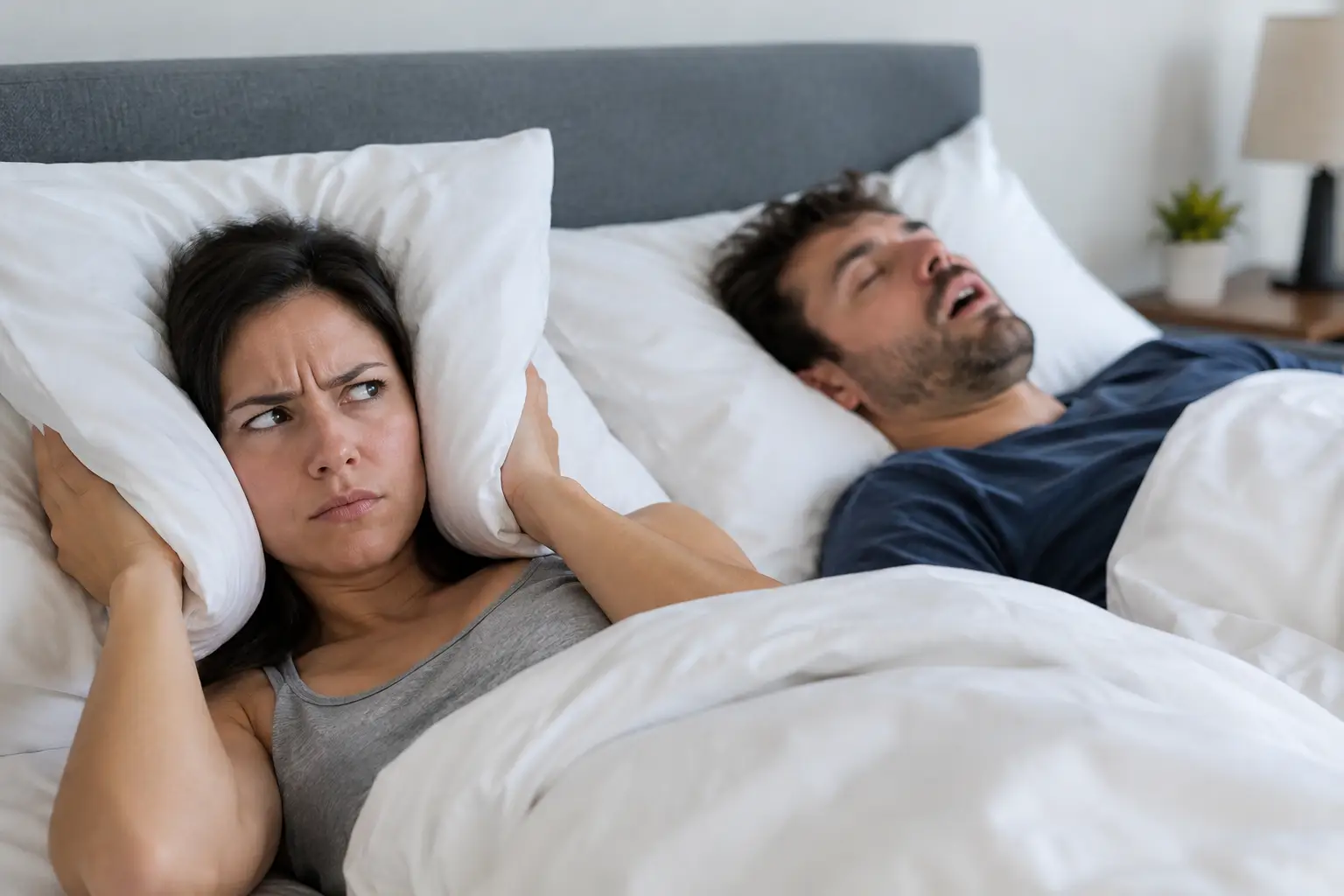
A quiet bedroom can become surprisingly loud after an evening out. If you have wondered, “Does alcohol make snoring worse?” the short answer is often yes. Snoring and alcohol commonly go together because alcohol can relax the tissues that help keep your upper airway open during sleep. For a person who snores mostly after evenings out, that pattern is worth paying attention to - not with alarm, but with curiosity about what their sleep may be telling them.
Why Alcohol Can Make Snoring Worse
Snoring happens when air moves through a narrowed airway and causes nearby soft tissues to vibrate. The sound can come from the nose, the back of the throat, or both. Everyone’s airway is different, which is why one person may barely make a sound while another becomes noticeably louder under the same circumstances.
Alcohol has a relaxing effect on the muscles throughout the body, including the muscles of the tongue, throat, and soft palate. During sleep, those tissues may settle farther back into the airway than they normally would. That leaves less room for air to pass and creates the vibration we recognize as snoring.
Alcohol can also make it harder for the body to respond promptly when breathing becomes restricted. Rather than shifting position or lightly waking to reopen the airway, a sleeper may remain in that narrowed-airway state longer. The result can be louder, more persistent snoring and a less restorative night of sleep.
This does not mean every episode of snoring after drinking indicates a serious health concern. It does mean that alcohol can reveal an underlying tendency toward airway narrowing that is less obvious on other nights.
Why Do I Snore After Drinking When I Usually Do Not?
If you are asking, “Why do I snore after drinking?” consider the full picture, not just the drink itself. Alcohol is often part of an evening that also includes a later bedtime, a different sleep position, heavier food, seasonal congestion, or disrupted sleep. Each can add a little more resistance to breathing.
Nasal congestion is a common contributor. When the nose is blocked by allergies, a cold, irritation, or natural swelling of the nasal tissues, people tend to breathe through their mouths. Mouth breathing can make the throat more likely to vibrate. Alcohol may also aggravate reflux for some people, and irritation from reflux can affect the throat and sleep comfort.
Sleeping on the back can be another factor. In that position, gravity can allow the tongue and soft tissues to move toward the back of the throat. A person who breathes quietly while sleeping on their side may snore much more noticeably on their back, particularly when the airway muscles are more relaxed.
The pattern matters. A person who snores mostly after evenings out may simply be experiencing temporary airway relaxation. But if the snoring is intense, increasingly frequent, or paired with signs of interrupted breathing, it deserves a more careful conversation with a healthcare professional.
Snoring Is Not Always Just a Noise
Many people think of snoring as a partner’s problem, a source of teasing, or an inconvenience on a trip. Sometimes it is just that. Still, regular snoring can also be associated with obstructive sleep apnea, a condition in which the airway repeatedly becomes blocked or significantly narrowed during sleep.
The difference is not something you should try to diagnose by sound alone. A loud snorer does not automatically have sleep apnea, and a quieter snorer can still have meaningful breathing disruptions. What matters is the overall pattern and how the person feels during the day.
Pay attention if snoring comes with waking up gasping or choking, noticeable pauses in breathing observed by a partner, restless sleep, morning headaches, dry mouth on waking, or ongoing daytime sleepiness. Trouble concentrating, irritability, and a sense that sleep never feels refreshing can also be meaningful clues.
These symptoms are especially worth discussing if they occur even on nights when alcohol is not involved. Alcohol may be making a pre-existing airway issue more visible rather than creating it from scratch.
A Thoughtful Way to Notice Your Pattern
You do not need to monitor every night of sleep. However, a brief, honest look at the pattern can be helpful. Consider whether the snoring is occasional or becoming routine, whether it is limited to nights after social events, and whether a bed partner has noticed pauses, gasping, or unusually restless breathing.
It can also help to notice how you feel the next day. Feeling tired after a late night is understandable. Feeling consistently unrefreshed after what should have been adequate sleep is different. That distinction gives your dental or medical team useful information.
For some people, simple changes may reduce occasional snoring: addressing nasal congestion, choosing a side-sleeping position, and avoiding other factors that make sleep more fragmented. These measures can be reasonable starting points, but they should not be used to dismiss persistent symptoms.
Be cautious with products marketed as universal snoring cures. Snoring has several possible causes, including nasal obstruction, jaw position, tongue posture, body position, and sleep-disordered breathing. A device that is not fitted or recommended for your needs may be uncomfortable, ineffective, or may alter how your teeth come together over time.
How a Dentist Can Help With Snoring and Sleep Apnea
Dentists who focus on dental sleep medicine can play an important role in identifying signs of airway concerns and helping treat appropriate cases of obstructive sleep apnea. During an exam, the dentist may look at factors such as the jaw relationship, the tongue, the soft palate, tooth wear from clenching, and the overall oral environment. These findings do not replace a sleep evaluation, but they can help guide the next step.
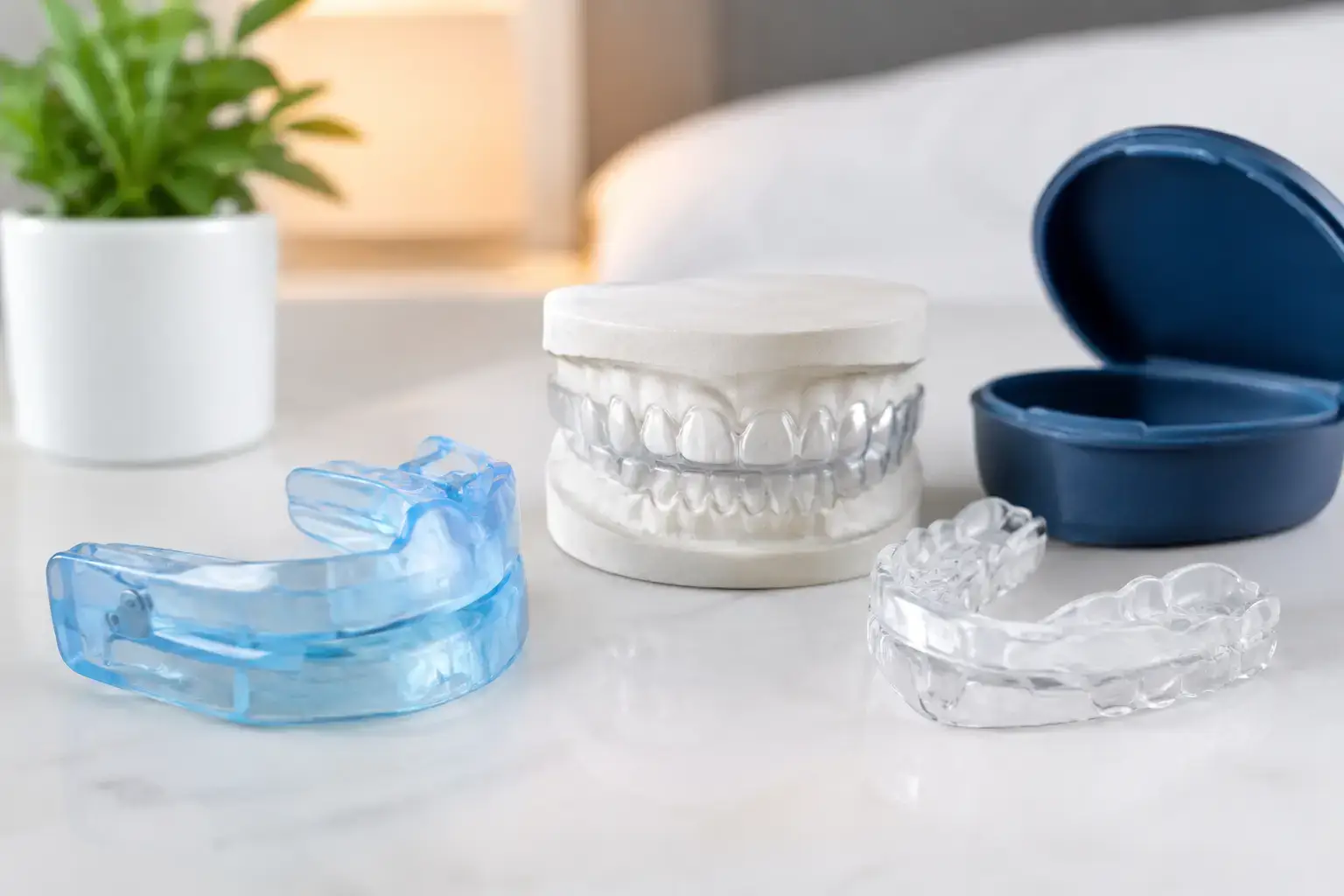
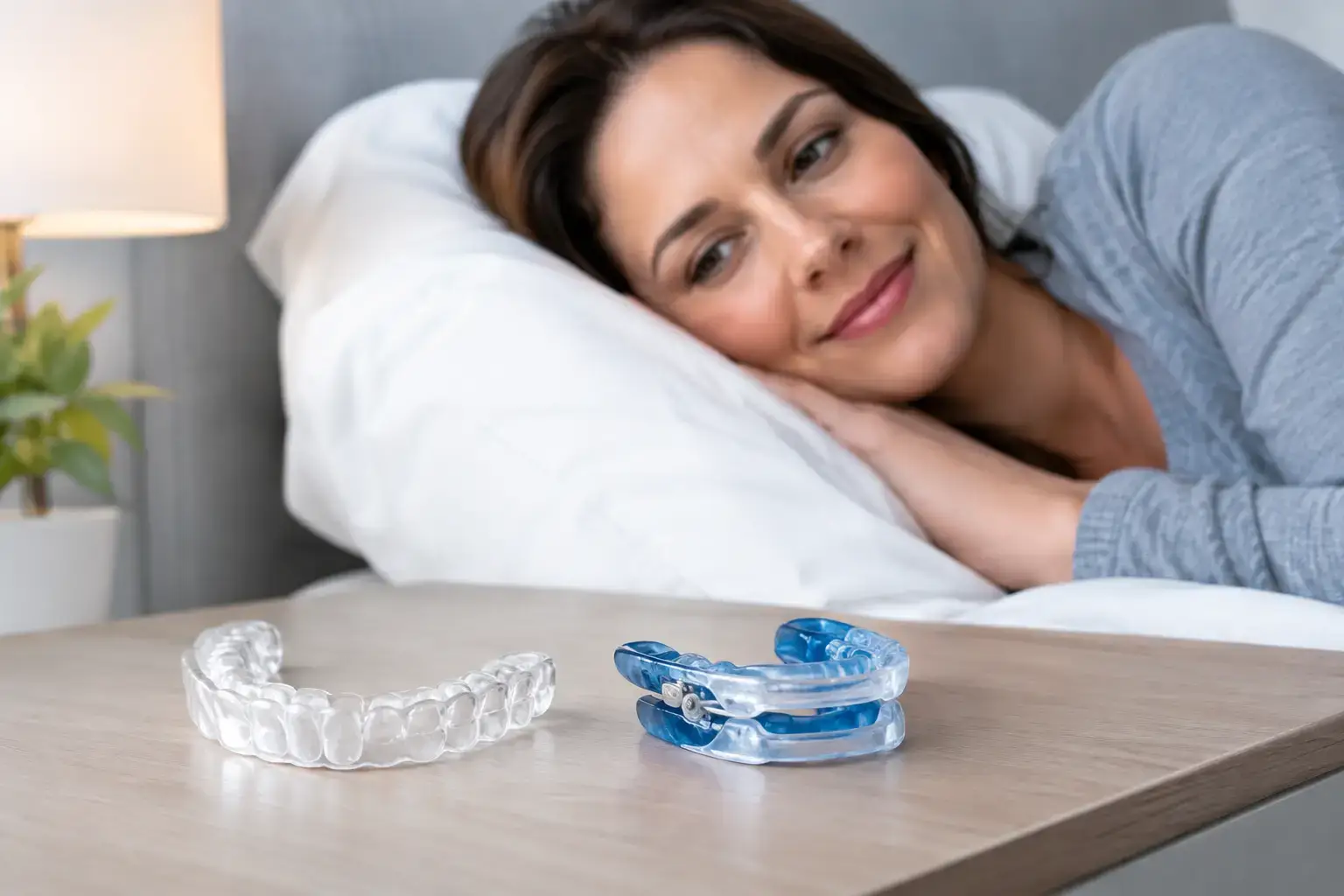
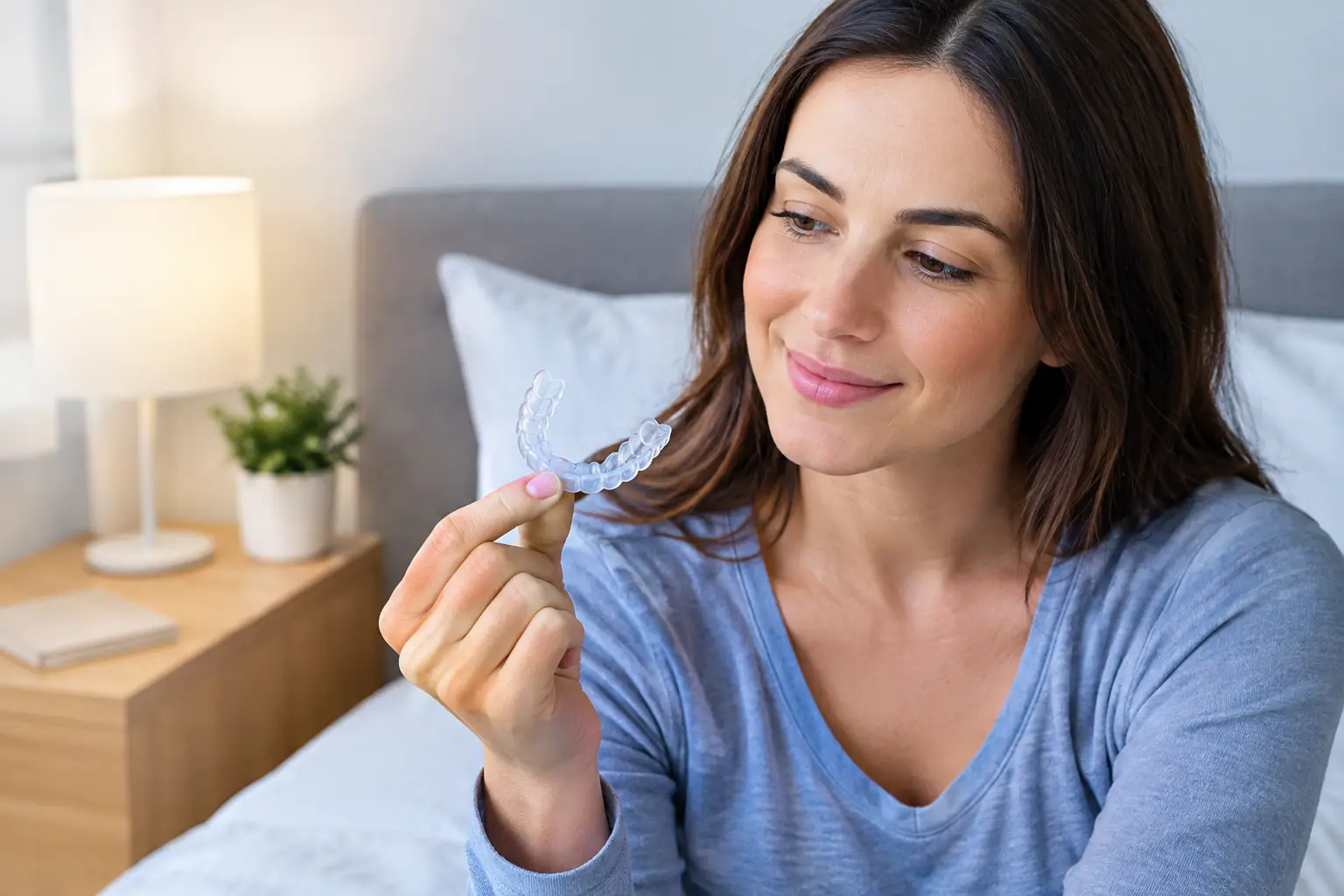
If sleep apnea is suspected, a physician or sleep specialist can determine whether testing is appropriate and make a diagnosis. When oral appliance therapy is a suitable treatment, a custom appliance can gently position the lower jaw forward during sleep. This helps create more space behind the tongue and can support a more open airway.
Oral appliances are not the right answer for every person. Some patients benefit most from CPAP, while others may use an oral appliance when clinically appropriate or as part of a coordinated care plan. The best treatment is one that addresses the severity of the condition, fits comfortably, and is monitored over time.
At Seattle Oral Care, sleep-focused oral healthcare is approached with the same care as any long-term dental treatment: listen closely, evaluate thoroughly, and create a plan around the individual. For patients who feel nervous about dental care or unsure where to begin, a conversation can be a calm first step rather than a commitment to treatment.
When It Is Time to Ask for Help
Occasional snoring after drinking may be temporary, especially when it disappears on other nights and does not affect daytime wellbeing. Yet it is wise to seek an evaluation when snoring is frequent, disruptive, or accompanied by breathing changes, chronic fatigue, or concern from a partner.
Bring up the alcohol connection directly. Saying, “I snore mostly after evenings out,” is useful clinical information. It helps your care team understand whether alcohol may be amplifying a positional or anatomical airway issue and whether further evaluation is warranted.
Better sleep is not about striving for a perfect night every night. It is about noticing patterns, taking persistent symptoms seriously, and choosing care that helps you breathe, rest, and feel more like yourself.