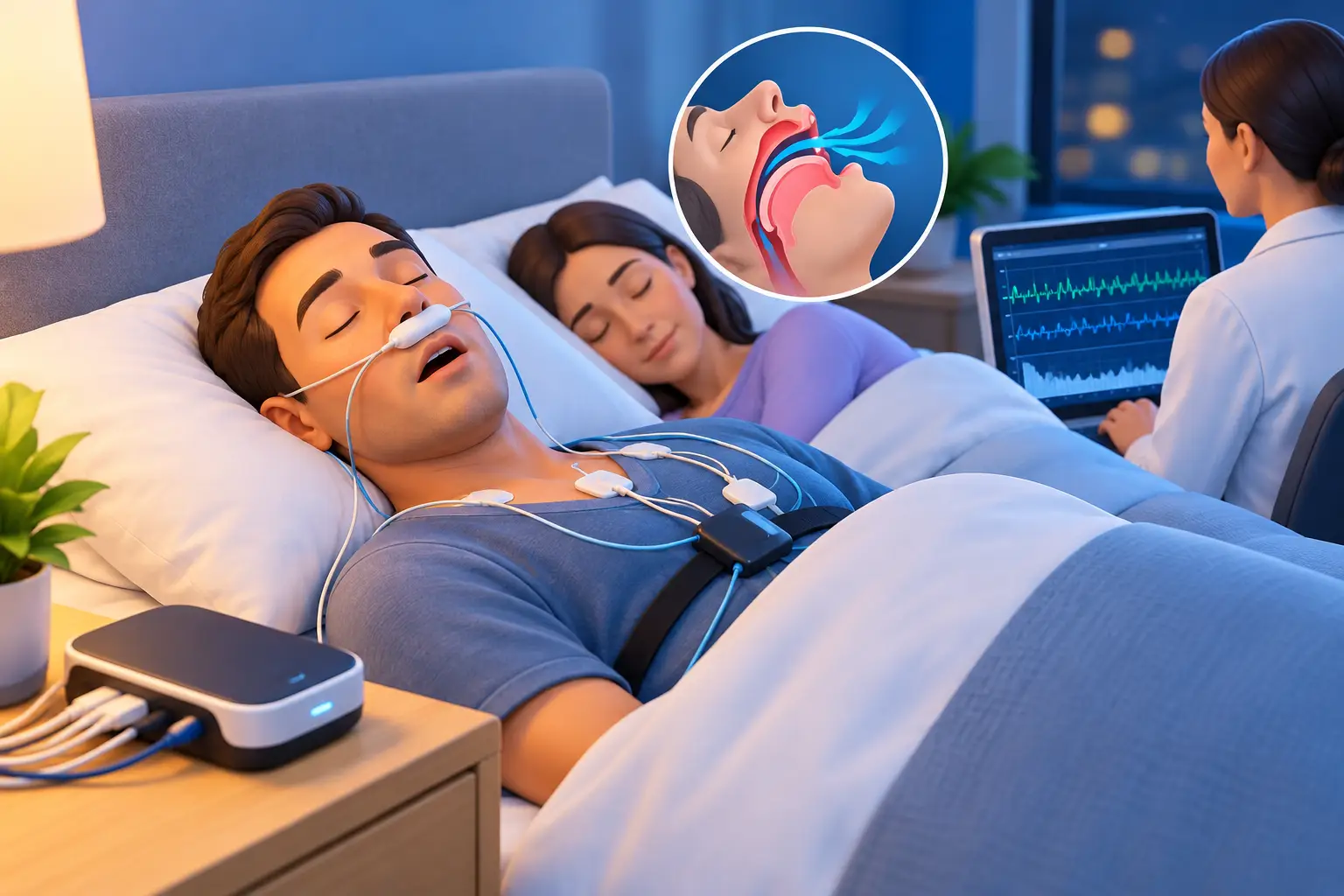
A partner notices the silence first. Snoring stops, there is a pause, then a loud gasp or snort breaks the quiet. For many people, that moment leads to a simple but meaningful question: could this be sleep apnea? Sleep apnea screening is the first step toward an answer, especially when poor sleep is starting to affect your energy, focus, mood, or health.
Obstructive sleep apnea is common, treatable, and frequently overlooked. It occurs when the airway repeatedly narrows or closes during sleep, briefly interrupting breathing. Those interruptions may be so short that you do not remember them in the morning, yet they can leave you feeling as though a full night of sleep was never quite enough.
When Is Sleep Apnea Screening a Good Idea?
Snoring alone does not automatically mean sleep apnea. Many people snore occasionally, particularly during a cold, after alcohol, or when sleeping on their back. What makes snoring more concerning is its pattern and what happens alongside it.
Consider an evaluation if you or someone close to you has noticed loud, regular snoring; pauses in breathing; choking or gasping during sleep; frequent nighttime waking; or persistent dry mouth and morning headaches. Daytime signs matter just as much. Falling asleep in meetings, struggling to stay alert while driving, waking unrefreshed, and feeling unusually irritable or foggy can all point to disrupted sleep.
Some people assume sleep apnea only affects older men with a certain body type. In reality, it can affect adults of many ages, genders, and body sizes. Family history, nasal obstruction, alcohol use, certain medications, and the shape of the jaw and airway can all play a role. Women may be more likely to describe fatigue, insomnia, headaches, or mood changes than obvious snoring, which can make the condition easier to miss.
A screening conversation is also worthwhile if you have high blood pressure that has been difficult to manage, atrial fibrillation, type 2 diabetes, or a history of stroke. Sleep-disordered breathing can be part of a broader health picture, so coordinated care with your physician can be valuable.
What Happens During Sleep Apnea Screening?
Screening is not the same as a diagnosis. It is a careful review of your symptoms, health history, sleep habits, and risk factors to determine whether formal sleep testing is appropriate.
You may be asked how often you snore, whether anyone has witnessed breathing pauses, and how rested you feel during the day. A clinician may use a brief validated questionnaire to better understand your risk. Your blood pressure, weight, medical history, medications, and alcohol use may also be discussed. This is not about judgment. It is about identifying the factors that may be affecting your breathing at night.
For patients discussing concerns with a dental sleep provider, an oral and airway evaluation can add useful information. The size and position of the jaw, tongue, tonsils, palate, and teeth can influence how easily the airway stays open during sleep. A dentist can also look for signs that may occur alongside sleep disruption, such as tooth wear from clenching or grinding, dry mouth, and changes in oral tissues.
A dental evaluation cannot diagnose sleep apnea on its own. Diagnosis requires a sleep study ordered and interpreted by a qualified medical provider. The role of screening is to help ensure that concerning symptoms do not get dismissed as “just snoring.”
Home Sleep Tests and In-Lab Studies
If screening suggests possible obstructive sleep apnea, your physician or sleep specialist may recommend a home sleep apnea test or an overnight study in a sleep center.
A home test is often convenient and can be appropriate for many adults with a high likelihood of uncomplicated obstructive sleep apnea. You use the equipment at home while you sleep, then return it for analysis. It generally measures breathing patterns, oxygen levels, airflow, and related signals.
An in-lab sleep study, also called polysomnography, gathers more detailed information. It may be recommended when symptoms are complex, when another sleep disorder is suspected, or when a home test does not provide a clear answer. Neither option is inherently “better” for every person. The right test depends on your symptoms, medical history, and the judgment of your sleep care team.
Why an Accurate Diagnosis Matters
Untreated obstructive sleep apnea can do more than create noisy nights. Repeated breathing interruptions can fragment sleep and place stress on the cardiovascular system. Over time, it may be associated with daytime sleepiness, reduced concentration, higher accident risk, mood changes, and difficulties managing certain health conditions.
The immediate impact is often personal and practical. You may feel less patient with your family, less sharp at work, or too tired to enjoy the activities that normally make you feel like yourself. For couples, snoring and nighttime disruptions can affect both people in the bed.
There is also a safety issue. If you are fighting sleep behind the wheel, nodding off during quiet tasks, or waking with severe shortness of breath, do not wait for a routine appointment. Seek timely medical guidance. Sudden chest pain, fainting, or severe breathing difficulty should be treated as urgent symptoms.
What Treatment May Look Like After Testing
A positive sleep study does not mean everyone receives the same treatment. Your prescribed plan should reflect the severity and pattern of your sleep apnea, your anatomy, your medical needs, and what you can realistically use consistently.
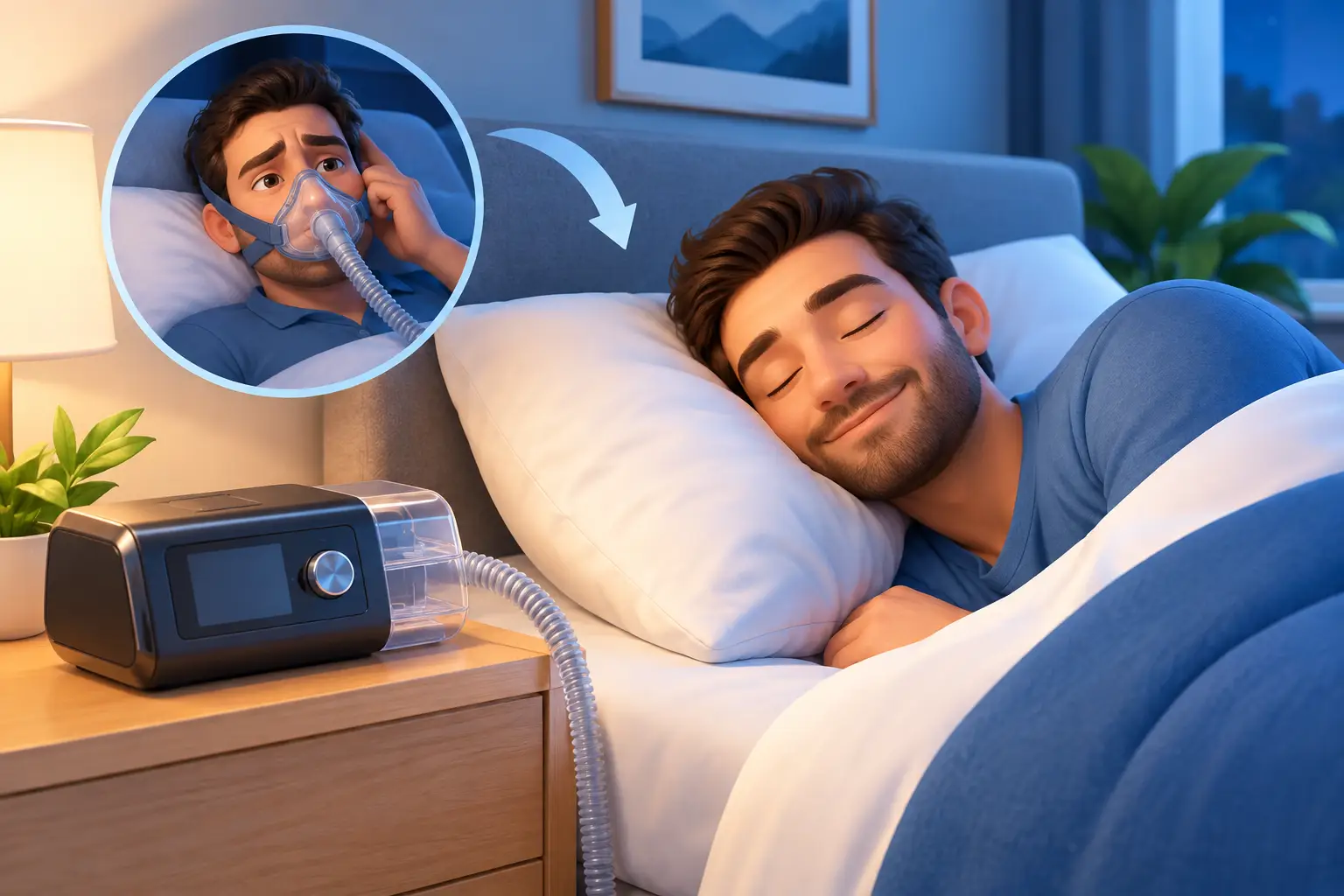
Continuous positive airway pressure, commonly called CPAP, remains a highly effective option for many people, particularly those with more severe obstructive sleep apnea. It uses gentle air pressure to help keep the airway open. Some patients adapt quickly; others need time, mask adjustments, humidity changes, or coaching to become comfortable.
For adults with mild to moderate obstructive sleep apnea, and for some people with more severe apnea who cannot tolerate CPAP, a custom oral appliance may be an appropriate option when prescribed as part of medical sleep care. The appliance is worn during sleep and gently positions the lower jaw forward to help support an open airway. It is not the same as an over-the-counter mouthguard. A properly fitted appliance requires careful planning, adjustment, and follow-up to protect the teeth, jaw joints, and bite.
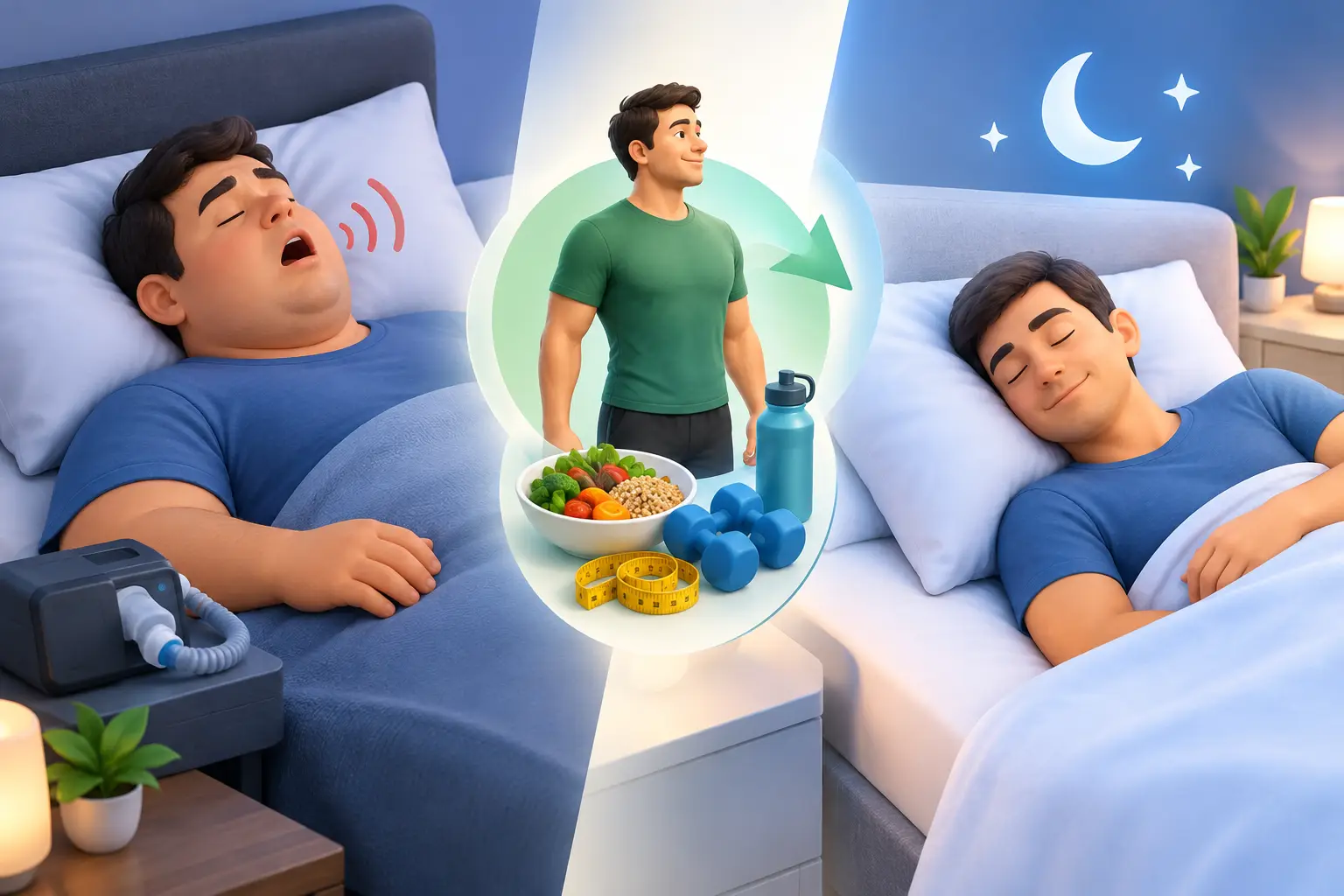
Lifestyle measures may also support treatment. Depending on the person, this can include changing sleep position, reducing evening alcohol, addressing nasal congestion with a physician, exercising regularly, or pursuing weight management when appropriate. These changes can be helpful, but they should not replace formal testing when symptoms suggest sleep apnea.
At Seattle Oral Care, an AADSM-certified prosthodontist works with patients and their medical providers when oral appliance therapy is a suitable part of the treatment plan. The goal is not to push one solution. It is to help you find an approach that supports better breathing and that you can maintain comfortably over time.
Questions Worth Asking at Your Appointment
You do not need to arrive with the right diagnosis. Bringing a few observations can make the conversation more productive: what your partner has noticed, how long symptoms have been present, whether you wake with headaches or dry mouth, and when daytime fatigue is most noticeable. If you have tried CPAP before, be honest about what felt difficult. Mask discomfort, pressure settings, claustrophobia, and nasal dryness are useful details, not failures.
You can also ask whether a home test is appropriate, what the results mean for your health, and whether an oral appliance could fit your needs. If you wear a nightguard, have crowns or implants, grind your teeth, or have jaw pain, mention it. Those details matter when considering oral appliance therapy .
Better sleep is not a luxury, and loud snoring is not something you simply have to live with. A thoughtful screening conversation can replace uncertainty with a clear next step, so you can pursue care with more confidence and wake up feeling more like yourself.