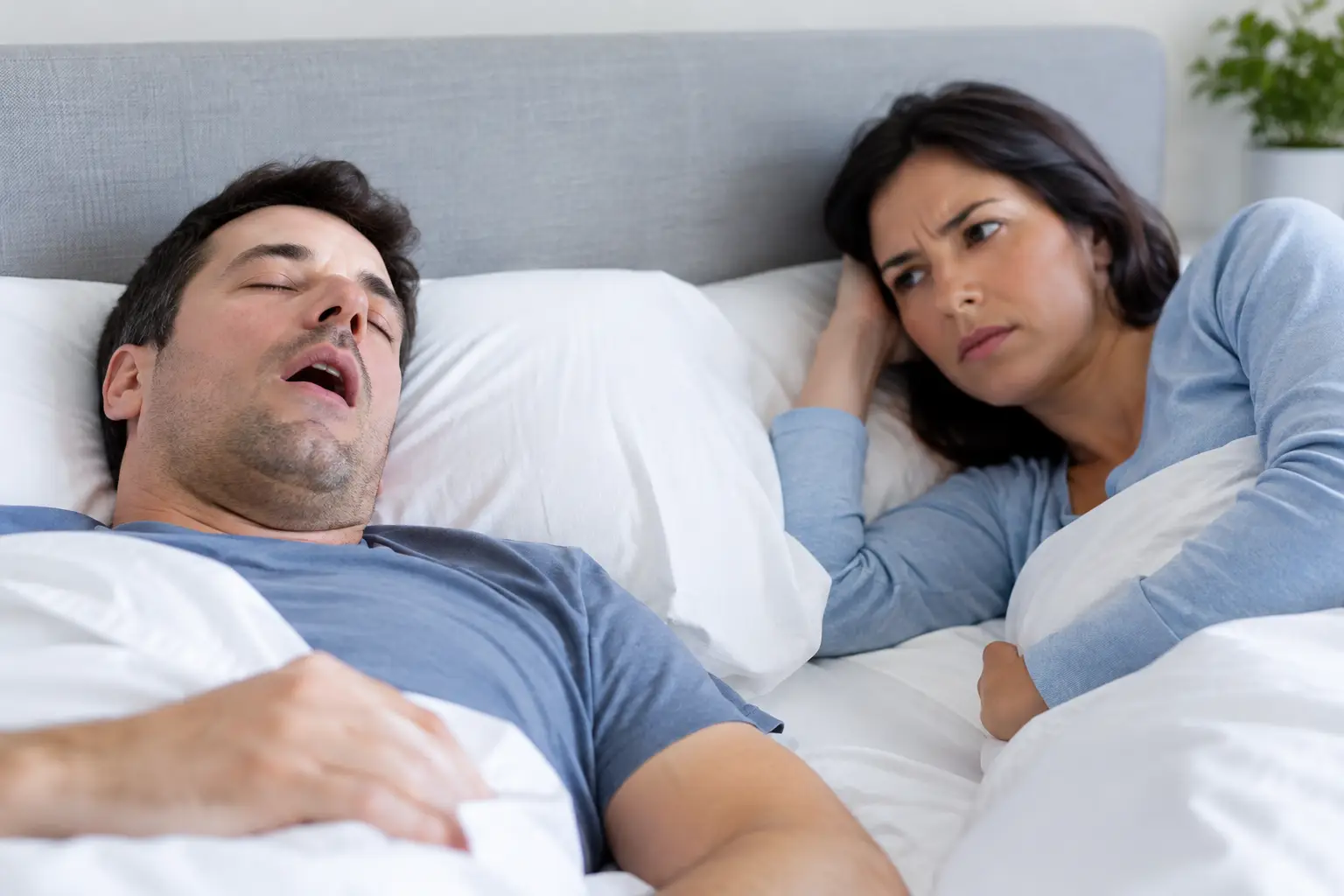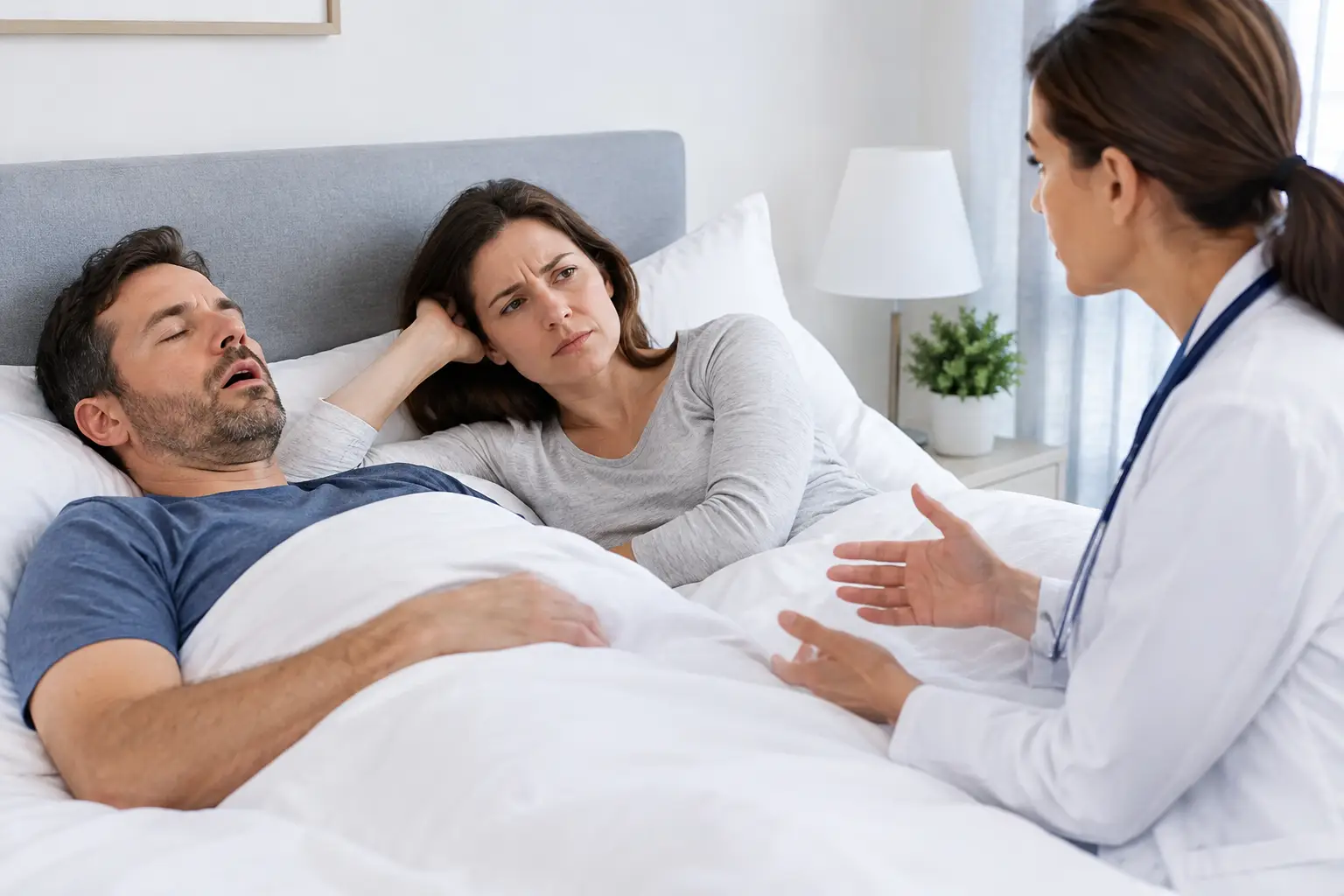
A partner may call it snoring. You may call it a restless night, morning headaches, or the feeling that you never quite recharge. The search for night guards for sleep apnea vs. snoring often starts with a simple question: Can a device worn over the teeth help? Sometimes, yes. But the right answer depends on what is happening in your airway - and a standard night guard is not the same thing as a sleep apnea appliance.
That distinction matters because snoring can be harmless, but it can also be a sign of obstructive sleep apnea. Choosing the wrong device may leave the underlying breathing problem untreated, and in some cases, it may make sleep more uncomfortable.
A Night Guard and a Sleep Appliance Do Different Jobs
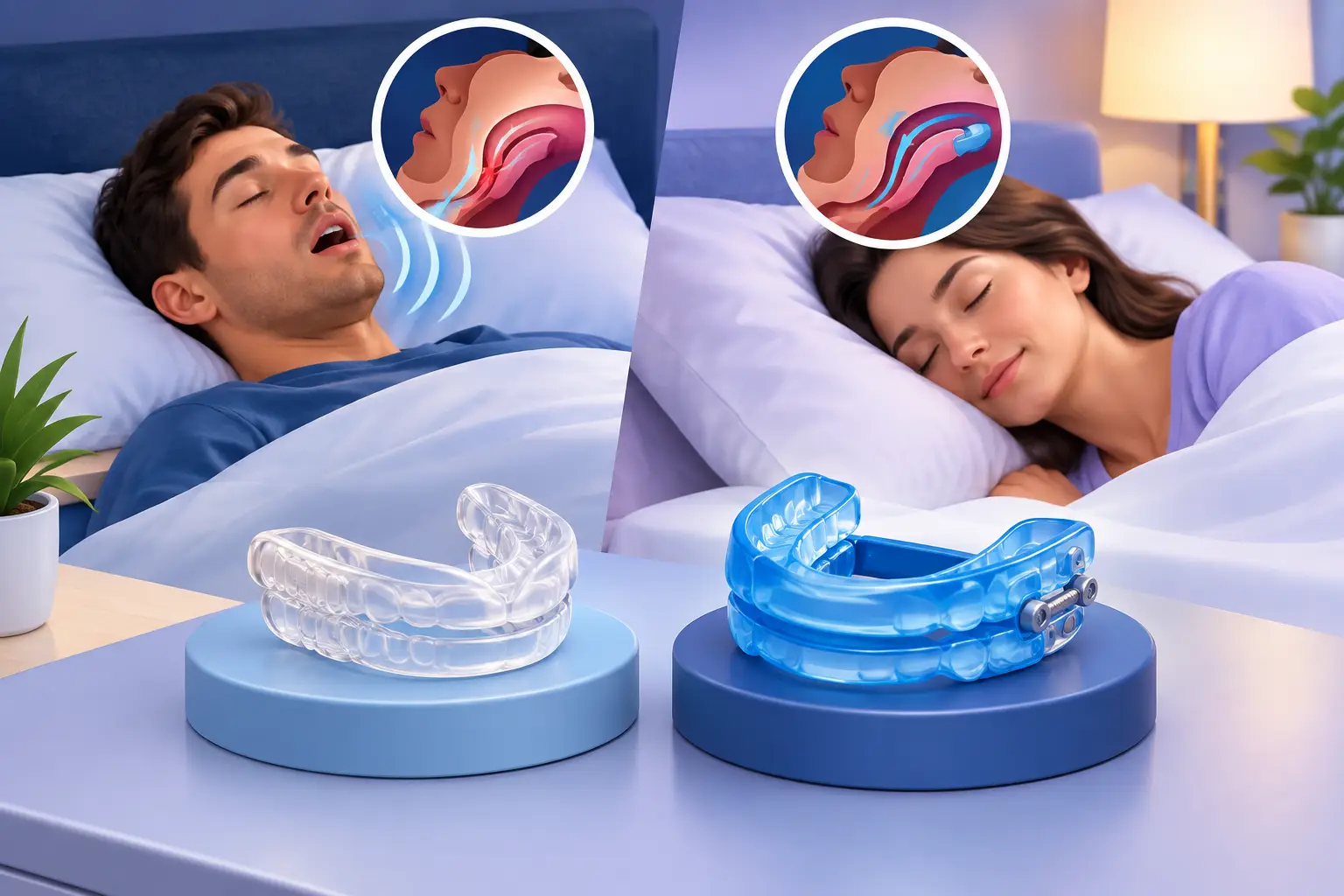
A traditional night guard, also called an occlusal guard, is designed to protect teeth. It creates a barrier between the upper and lower teeth to reduce damage from clenching and grinding, known as bruxism. For patients with worn enamel, cracked teeth, jaw soreness, or expensive dental restorations, a well-made custom night guard can be an important part of protecting their smile.
However, a night guard generally does not hold the airway open. It is not designed to treat sleep apnea, and it is not a dependable treatment for snoring caused by airway obstruction.
An oral appliance for sleep apnea is different. Most are custom mandibular advancement devices that gently bring the lower jaw forward during sleep. Moving the jaw forward can help keep the tongue and soft tissues from collapsing backward into the airway. More airflow may mean less snoring, fewer breathing interruptions, and better-quality sleep for appropriately selected patients.
Both devices fit over the teeth, which is why they are often confused. Their purpose, design, fit, and clinical supervision are not interchangeable.
Night Guards for Sleep Apnea vs. Snoring: The Key Difference
Snoring happens when air moves through a narrowed airway and causes nearby tissues to vibrate. Congestion, alcohol, sleep position, anatomy, and excess weight can all contribute. Some people snore without having sleep apnea.
Obstructive sleep apnea occurs when the airway partially or fully closes repeatedly during sleep. These pauses can reduce oxygen levels and interrupt normal sleep cycles, even if the person does not remember waking up. Loud snoring, gasping, choking sounds, excessive daytime sleepiness, and witnessed pauses in breathing are common warning signs.
A store-bought night guard may reduce the noise of tooth grinding, but it cannot diagnose why you snore or reliably address airway collapse. A custom sleep appliance is prescribed after a physician evaluates your sleep and determines whether oral appliance therapy is appropriate.
For simple snoring without sleep apnea, a dentist may still recommend an oral appliance when other causes have been considered. For diagnosed mild to moderate obstructive sleep apnea, oral appliance therapy is often an effective option for patients who prefer it or cannot tolerate CPAP. Some patients with more severe apnea use an oral appliance alongside CPAP under the direction of their sleep physician.
Why an Over-the-Counter Guard Is Not a Safe Substitute
It is understandable to look for a quick, affordable solution. Boil-and-bite guards and generic anti-snoring devices are widely available. The challenge is that they are not made for your bite, jaw position, teeth, or airway.
A bulky guard can feel uncomfortable, fall out during sleep, change how your teeth meet, or aggravate jaw joint symptoms. A device that moves the jaw too far forward can create jaw pain, tooth discomfort, or bite changes. One that does not advance the jaw enough may not help breathing at all.
There is another concern: self-treating snoring can delay evaluation for sleep apnea. Untreated sleep apnea has been associated with high blood pressure, cardiovascular strain, daytime fatigue, concentration problems, and a higher risk of drowsy driving. Snoring may be the noticeable symptom, but breathing health is the real issue to understand.
A professionally made appliance is adjustable, which is essential. The jaw is advanced gradually to find a position that supports breathing while protecting comfort, jaw function, and teeth. Follow-up visits allow the dental team to monitor the fit, your bite, and your response to treatment over time.
When a Dental Night Guard May Still Be Part of the Plan
Some people have both bruxism and sleep-disordered breathing. They may wake with a sore jaw, show signs of tooth wear, and snore heavily. In that situation, the answer is not automatically a conventional guard or an oral appliance. It requires a closer look at the full picture.
A custom sleep appliance may provide some tooth coverage while positioning the jaw forward, but it is designed first for airway support. In other cases, a patient may need a separate protective guard, CPAP, or a coordinated treatment plan. The best approach depends on the diagnosis, the condition of the teeth and gums, existing crowns or implants, jaw joint health, and how severe the sleep apnea is.
Patients with extensive restorative dentistry deserve particular care. A sleep appliance must distribute forces appropriately and fit securely around crowns, bridges, implants, or partial dentures. A thoughtful evaluation helps protect the investment you have made in your oral health while addressing the sleep concern safely.
Signs You Should Ask for a Sleep Evaluation
Not every person who snores has sleep apnea, but certain signs deserve more than a generic night guard. Consider speaking with a physician or sleep professional if you or your partner notice any of the following:
- Loud, frequent snoring, especially when paired with gasping or choking sounds
- Pauses in breathing observed by a bed partner
- Morning headaches, dry mouth, or waking unrefreshed
- Daytime sleepiness, irritability, or trouble concentrating
- High blood pressure, atrial fibrillation, diabetes, or a family history of sleep apnea
- Falling asleep unintentionally or feeling drowsy while driving
A home sleep test or an overnight sleep study can help determine whether obstructive sleep apnea is present and how severe it is. A diagnosis gives you and your care team a foundation for choosing a treatment that fits your health needs and lifestyle.
What to Expect From Custom Oral Appliance Therapy
Oral appliance therapy begins with a conversation, not an impression kit. Your dentist will review your sleep study, medical history, symptoms, bite, jaw movement, teeth, gums, and existing dental work. If an oral appliance is a good fit, digital or traditional impressions are used to create a custom device.
At delivery, the appliance is adjusted for a secure, comfortable fit. You will receive clear instructions on how to wear, clean, and store it. Because airway response is individual, the appliance is gradually adjusted over time. Your sleep physician may recommend follow-up testing to confirm that treatment is effectively controlling apnea.
This teamwork is valuable. A dentist with training in dental sleep medicine manages the appliance and its effects on your oral health, while the sleep physician diagnoses sleep apnea and oversees the medical side of care. At Seattle Oral Care, an AADSM-certified prosthodontist can help patients understand whether a custom oral appliance belongs in their treatment plan and coordinate care with their physician.
Choosing the Right Device Starts With the Right Question
The question is not simply, “What night guard stops snoring?” A better question is, “What is causing my snoring, and is my breathing safe while I sleep?” For some people, small changes such as side sleeping, managing nasal congestion, or avoiding alcohol close to bedtime can reduce uncomplicated snoring. For others, a custom oral appliance or CPAP can make a meaningful difference in sleep quality and long-term health.
If sleep leaves you tired, your partner notices breathing pauses, or you are unsure whether a dental guard is the right solution, give yourself the benefit of a proper evaluation. Better rest begins with being heard, understood, and matched with care that supports both your smile and your breathing.