A hard day can feel even harder when you are exhausted but your mind will not settle. If you have asked, “how can I fall asleep faster?” the answer is usually not one magic trick. It is a set of small, repeatable cues that help your body recognize that it is safe to rest. And if snoring, gasping, or frequent waking is part of the picture, it may be time to look beyond bedtime habits.
How can I fall asleep faster tonight?
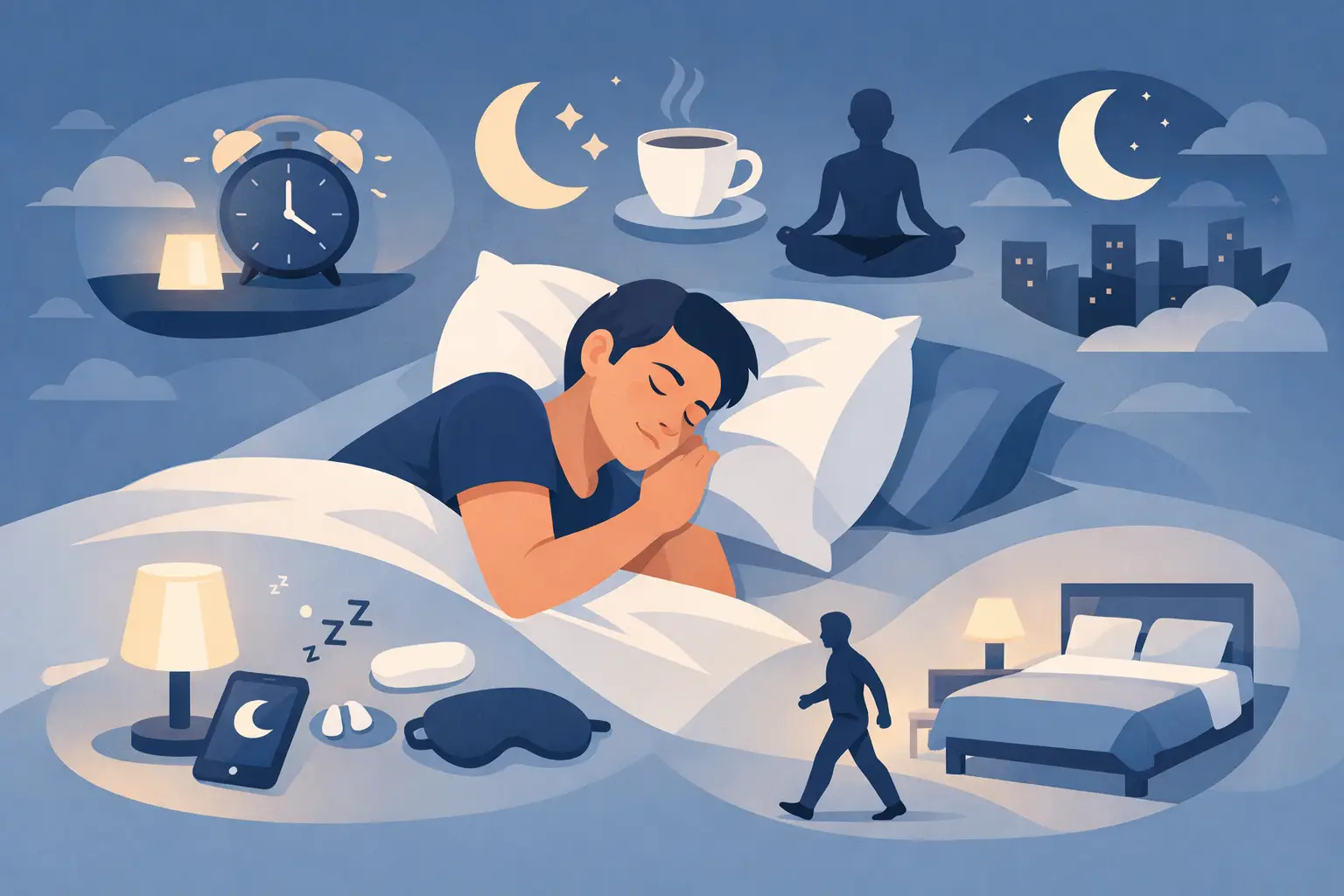
The goal is not to force sleep. Trying to make yourself fall asleep often creates more frustration and makes your brain more alert. Instead, create a short routine that lowers stimulation and gives your internal clock a dependable signal: the day is done.
1. Keep your wake-up time steady
A consistent wake-up time is one of the most effective ways to improve sleep onset. Your body builds sleep pressure while you are awake, and an irregular morning schedule can make that pressure less predictable at night.
Try to get up at roughly the same time every day, including weekends. You do not need perfection. A difference of an hour is generally more manageable than sleeping several hours later on days off. If you have had a poor night, resist the urge to sleep in extensively. A brief nap earlier in the day may help, but a long or late-afternoon nap can make bedtime more difficult.
2. Use light to set your body clock
Morning light tells your brain that the day has started. Getting outside for even a few minutes soon after waking can support a healthier sleep-wake rhythm, especially during Seattle’s darker months.
At night, do the opposite. Dim lights in the hour before bed, and avoid holding a bright phone close to your face while you are trying to wind down. The issue is not only blue light. Scrolling through work messages, upsetting news, or social media can keep your thoughts active when you want them to quiet down. If you use a device, choose a calm activity and set it aside before getting into bed.
3. Give your mind somewhere to put tomorrow
Many people do not struggle with sleep because they are not tired. They struggle because their brain begins reviewing every task, worry, and unfinished conversation as soon as the room gets quiet.
Set aside five to ten minutes before bed to write down what is on your mind. Make a short list of tomorrow’s priorities, then close the notebook. This simple practice does not solve every concern, but it can reduce the feeling that you must keep thinking in order not to forget something.
If anxious thoughts return in bed, try a neutral mental task rather than checking the clock. You might slowly name animals from A to Z, picture a familiar walking route, or focus on the feeling of your breath moving in and out. The point is gentle attention, not perfect relaxation.
4. Make your bedroom support sleep
Your bedroom does not need to look like a luxury hotel to be sleep-friendly. It does need to feel comfortable, dark, quiet, and slightly cool. For many adults, a cooler room makes it easier to fall asleep and stay asleep.
Consider practical adjustments such as blackout curtains, an eye mask, a fan, or steady background sound if traffic or household noise wakes you. Keep your bed mainly for sleep and intimacy when possible. Answering emails, paying bills, and watching several episodes of a show in bed can teach your brain to associate the space with alertness rather than rest.
Habits that can delay sleep without you realizing it
A few daytime choices can have an outsized effect on whether you feel sleepy at bedtime. You do not have to give up every comfort or pleasure. The key is noticing timing and patterns.
5. Move caffeine earlier in the day
Caffeine can remain active in your system longer than you may expect. Coffee, tea, energy drinks, pre-workout products, and some sodas can all make it harder to fall asleep, even if you do not feel obviously wired.
For many people, stopping caffeine at least six to eight hours before bed is a useful starting point. Some people are more sensitive and need an earlier cutoff. Rather than changing everything at once, try moving your final caffeinated drink earlier for a week and notice whether your sleep changes.
Alcohol deserves a closer look, too. It can make you feel sleepy at first, but it often disrupts the second half of the night and may worsen snoring or breathing interruptions. If you drink, consider finishing earlier in the evening and keeping the amount modest.
6. Eat and exercise with bedtime in mind
Regular daytime movement supports better sleep, and it does not require an intense workout. A walk, bike ride, strength session, or active household routine can all help. If vigorous exercise close to bedtime leaves you energized, move it earlier when you can. Gentle stretching or an easy walk in the evening is often fine.
A large, heavy meal immediately before bed may cause discomfort or reflux. Going to bed very hungry can also keep you awake. Aim for a normal evening meal, and if you need something later, choose a light snack that feels satisfying without being overly rich or spicy.
7. Do not stay in bed awake for hours
If you have been awake for what feels like 20 minutes or more, get out of bed and do something quiet in low light. Read a few pages of a calm book, listen to soft music, or sit comfortably and breathe. Return to bed when you feel sleepy again.
This can feel counterintuitive, particularly when you want to maximize every possible minute of sleep. But it helps prevent your bed from becoming a place associated with frustration. Avoid checking the time repeatedly. Clock-watching tends to turn a temporary wakeful period into a stressful calculation about how little sleep remains.
8. Make a simple wind-down routine you can repeat
A bedtime routine works best when it is realistic. You do not need an elaborate two-hour ritual. Twenty to thirty minutes of familiar, low-stimulation activities can be enough.
For example, you might wash your face, brush and floss your teeth, change into comfortable clothes, prepare the room, write down tomorrow’s tasks, and read for a few minutes. Repeating the same sequence gives your body useful cues. Your evening oral care routine can be more than a preventive dental habit. It can also be a clear transition between the demands of the day and time to rest.
When trouble falling asleep may be about breathing
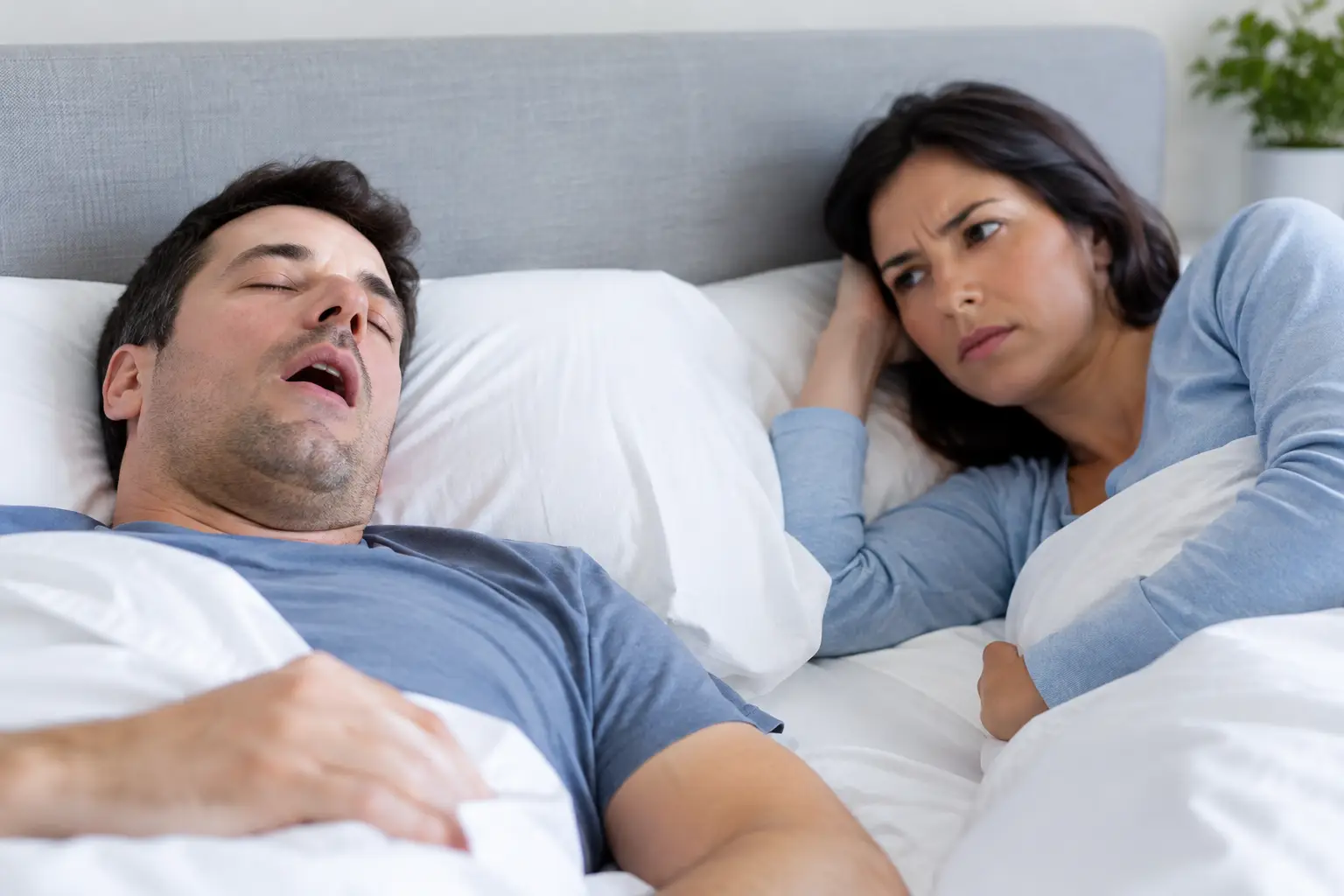
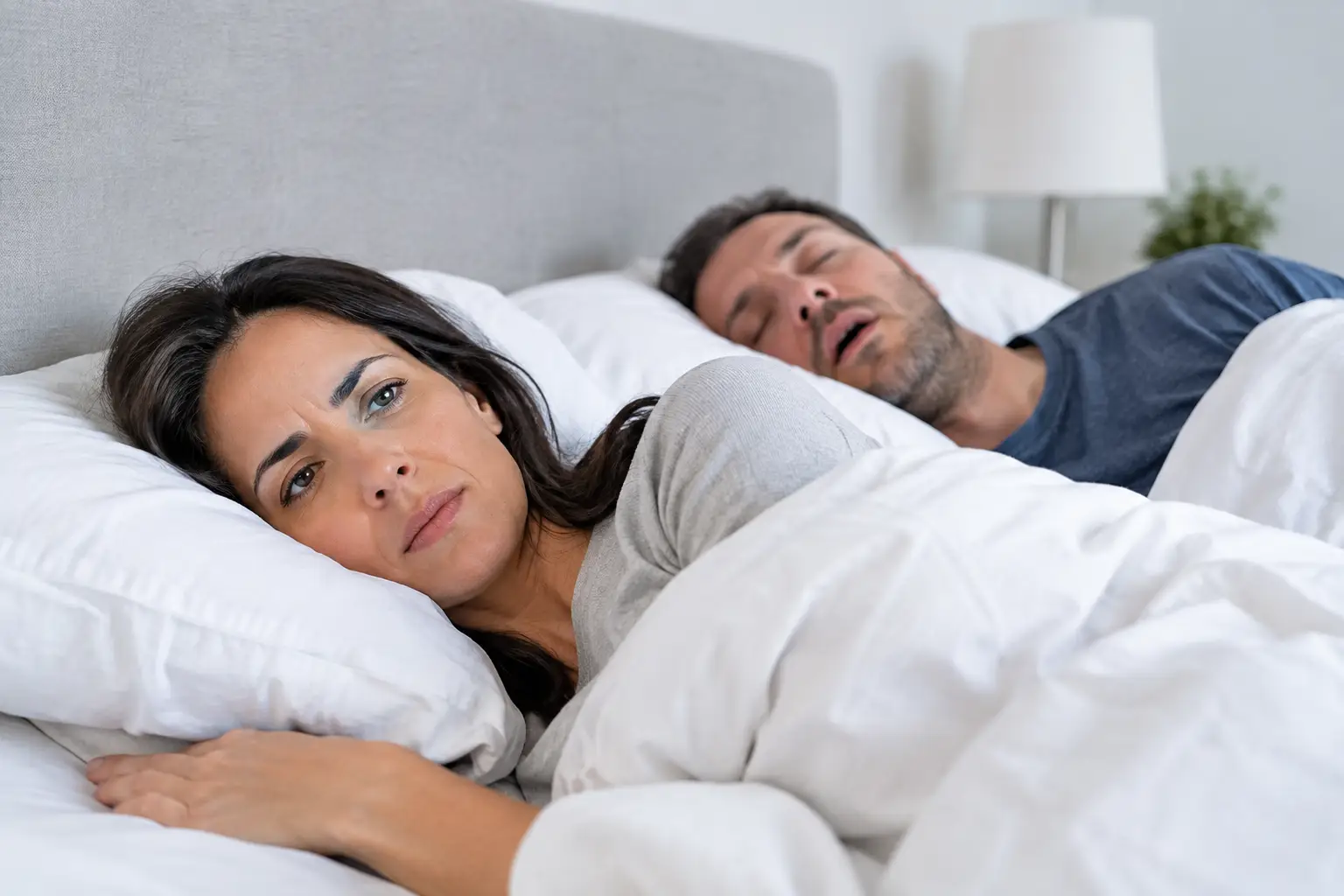
Sometimes the problem is not simply falling asleep. It is disrupted sleep caused by obstructive sleep apnea , a condition in which the airway repeatedly narrows or closes during sleep. Many people with sleep apnea do not realize they are waking up briefly throughout the night because they do not remember those awakenings in the morning.
Loud, frequent snoring is a common sign, but it is not the only one. Other warning signs include waking up gasping or choking, witnessed pauses in breathing, morning headaches, dry mouth, nighttime teeth grinding, frequent trips to the bathroom, daytime sleepiness, and difficulty concentrating. Sleep apnea can affect people of many body types and ages, and it deserves proper evaluation rather than guesswork.
Alcohol and sedating medications can worsen airway collapse for some people. Sleeping on your side may reduce snoring in certain cases, but it is not a substitute for diagnosis or treatment when symptoms are persistent. If you are very sleepy while driving, wake up choking, or have concerning breathing symptoms, speak with a healthcare professional promptly.
Oral health can be part of better sleep
Jaw discomfort, tooth pain, untreated gum problems, and nighttime grinding can make restful sleep harder. People who clench or grind may wake with sore jaw muscles, headaches, worn teeth, or increased tooth sensitivity. Stress management, a careful dental evaluation, and a custom night guard when appropriate can help protect teeth and reduce strain. A store-bought guard is not always the best answer, particularly if it changes how your teeth meet or makes symptoms worse.
For patients diagnosed with obstructive sleep apnea, a custom oral appliance may be an effective treatment option, either as an alternative to CPAP or in coordination with it. These devices are designed to hold the lower jaw forward gently, helping keep the airway more open during sleep. They are different from sports guards and generic anti-snoring devices. Proper fit, follow-up, and coordination with your sleep physician matter because the goal is not only quieter snoring, but healthier breathing.
At Seattle Oral Care, sleep-focused dental care is guided by an AADSM-certified prosthodontist and individualized around your diagnosis, oral health, and comfort. If restless nights come with snoring, jaw symptoms, or daytime fatigue, a conversation can help clarify whether your sleep routine needs adjustment, your airway needs evaluation, or both.
Better sleep rarely comes from doing everything perfectly. Start with one or two changes you can repeat this week, and pay attention to what your body is telling you. If you are giving yourself time to sleep but still wake unrefreshed, that is useful information and worth addressing with care.