A frustrating night can make the clock feel louder than it is. If you are asking, “how can I fall asleep faster,” the answer is usually not one magic trick. Falling asleep is easier when your body receives consistent cues that it is safe to slow down - and when a sleep problem such as snoring or sleep apnea is not getting in the way.
The goal is not to force sleep. Trying harder often creates more pressure and alertness. Instead, create a simple routine that lowers stimulation, supports your natural sleep drive, and gives your mind something quieter to do than monitor the time.
How can I fall asleep faster tonight?
Start by protecting the hour before bed. Bright light, work messages, emotionally charged shows, and last-minute planning can all signal to your brain that the day is still active. Dim the lights, put your phone on a charger outside the bedroom if possible, and choose one low-key activity you can repeat most nights, such as reading a paper book, taking a warm shower, or listening to calm music.
A warm shower or bath can be especially helpful because your body temperature naturally drops afterward. That drop is one of the signals associated with sleepiness. You do not need an elaborate nighttime routine. Consistency matters more than perfection.
If your mind tends to race when your head hits the pillow, move tomorrow’s planning earlier. Spend five minutes writing down what is on your mind and the next small step for each concern. This does not solve every problem, but it can help your brain stop treating bedtime as the only available time to remember everything.
Try a brief breathing exercise once you are in bed. Breathe in gently through your nose, then make your exhale a little longer than your inhale. There is no need to count perfectly or take huge breaths. The purpose is simply to shift away from the tense, shallow breathing that can accompany stress.
Build sleep pressure during the day
The fastest way to fall asleep at night often begins in the morning. Your internal clock responds strongly to light and timing. Getting outdoor light shortly after waking, even on a cloudy Seattle morning, helps reinforce the difference between daytime and nighttime.
Keep your wake-up time reasonably consistent, including weekends. Sleeping several extra hours on Saturday may feel restorative in the moment, but it can make Sunday night harder. If you need to catch up, a short early-afternoon nap may be less disruptive than a long or late nap. For many adults, naps that run past 30 minutes or happen late in the day can reduce the sleep pressure that helps them fall asleep at night.
Movement also helps. A walk, workout, or active commute can improve sleep quality over time, particularly when it becomes a regular habit. Intense exercise close to bedtime keeps some people alert, while others tolerate it well. Pay attention to your own pattern rather than assuming there is one perfect schedule for everyone.
Caffeine deserves an honest look, too. Coffee, tea, energy drinks, pre-workout products, and some sodas can remain active in the body for hours. If you are regularly awake long after lights-out, try moving your last caffeinated drink earlier in the day for a week or two. Alcohol can make you feel sleepy initially, but it often fragments sleep later in the night and may worsen snoring.
Make your bedroom easier to sleep in
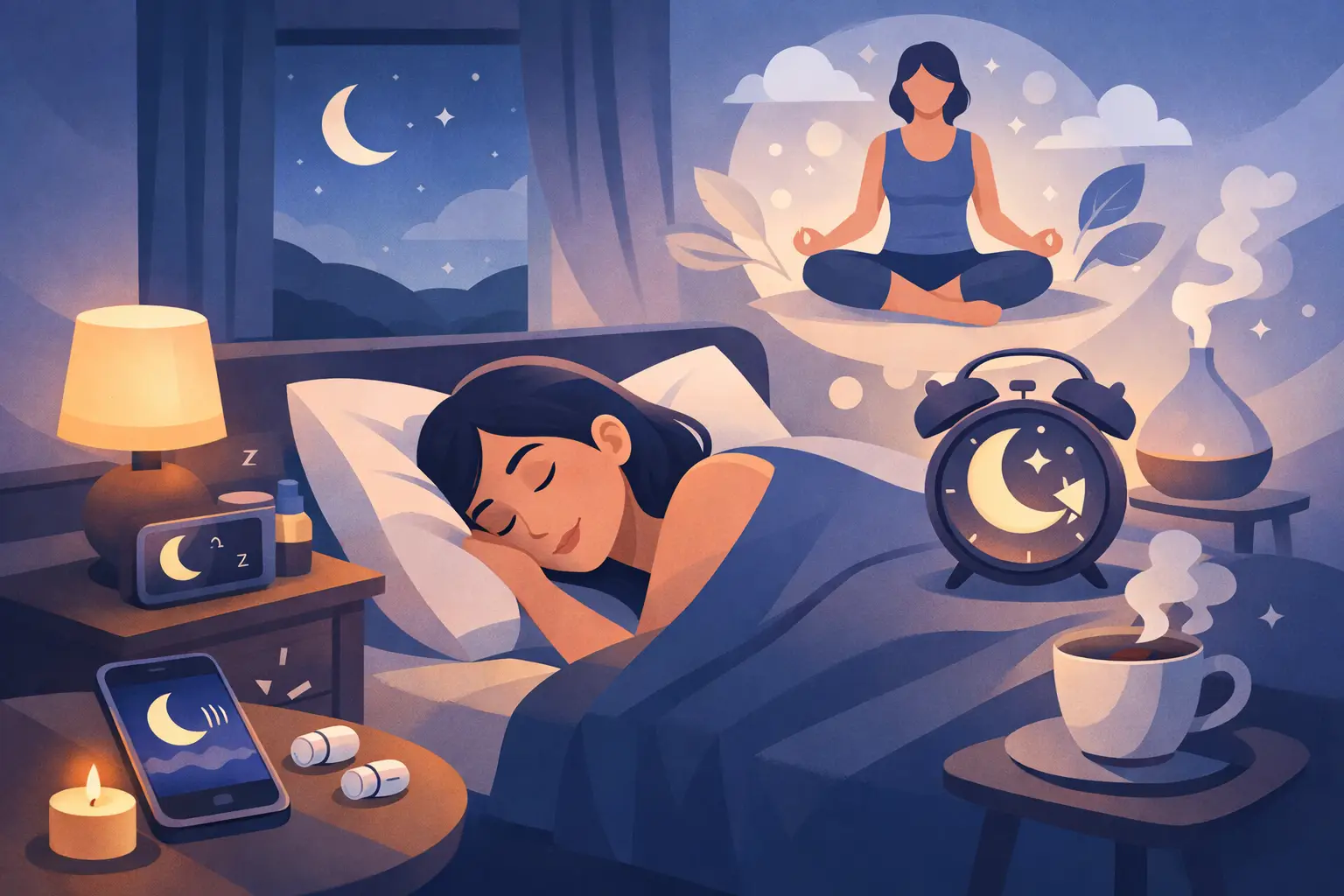
Your bedroom does not have to look like a luxury hotel. It should simply support the job you want it to do: sleep. A cool, dark, quiet room is helpful for most people. Blackout shades, a fan, earplugs, or a white-noise machine can make a meaningful difference if light and noise are common disruptions.
Use the bed primarily for sleep and intimacy, not for emails, scrolling, or catching up on work. Over time, this helps strengthen the mental association between getting into bed and winding down. If you have been awake for what feels like 20 minutes or more, get up and sit somewhere dimly lit. Read something calm or listen to quiet audio until you feel drowsy, then return to bed. Watching the clock is rarely helpful, so turn it away.
This approach can feel counterintuitive when you are tired. However, it helps prevent the bed from becoming a place your brain associates with frustration. A few calm resets are better than lying awake and rehearsing the consequences of tomorrow’s fatigue.
Do not overlook breathing and snoring
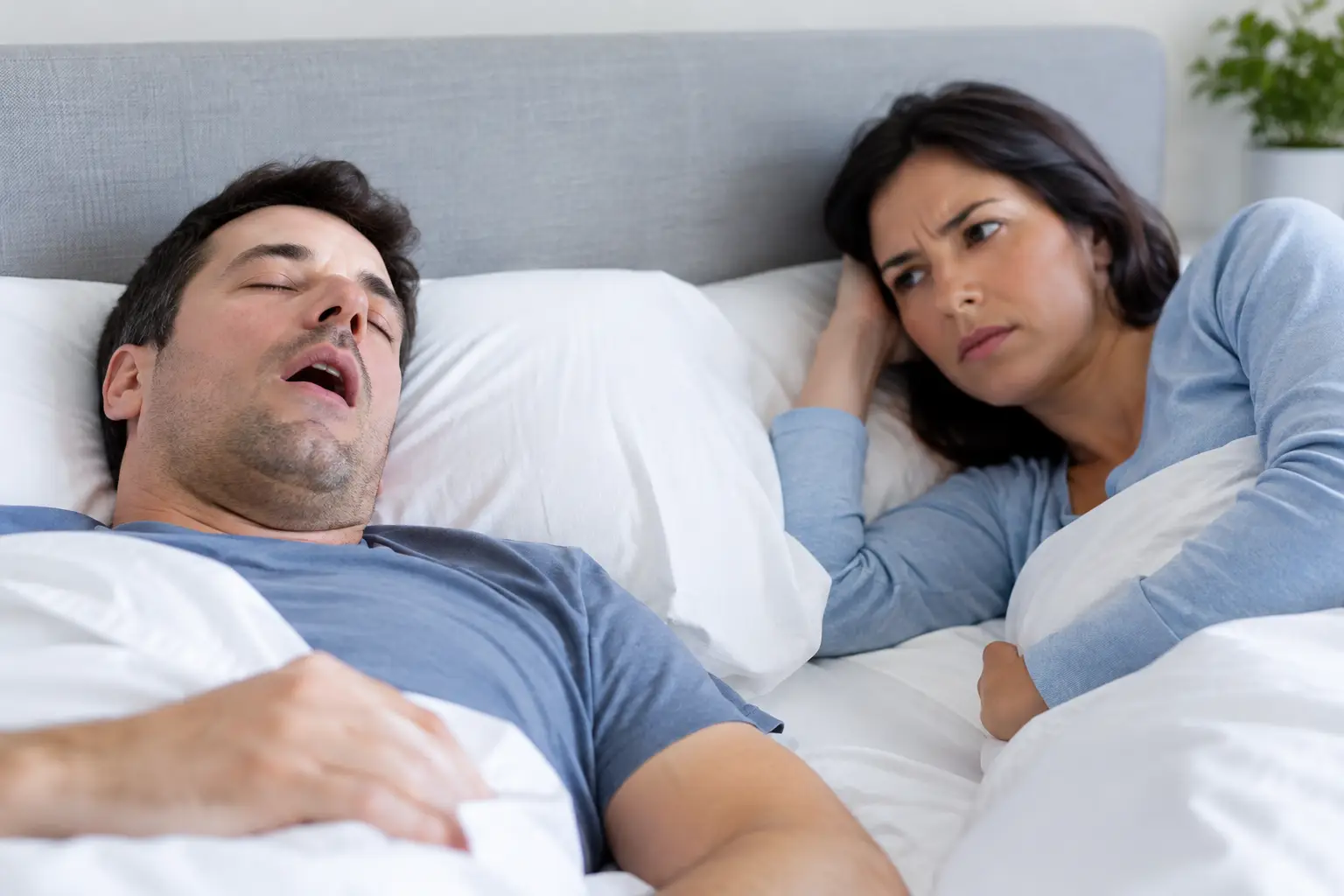
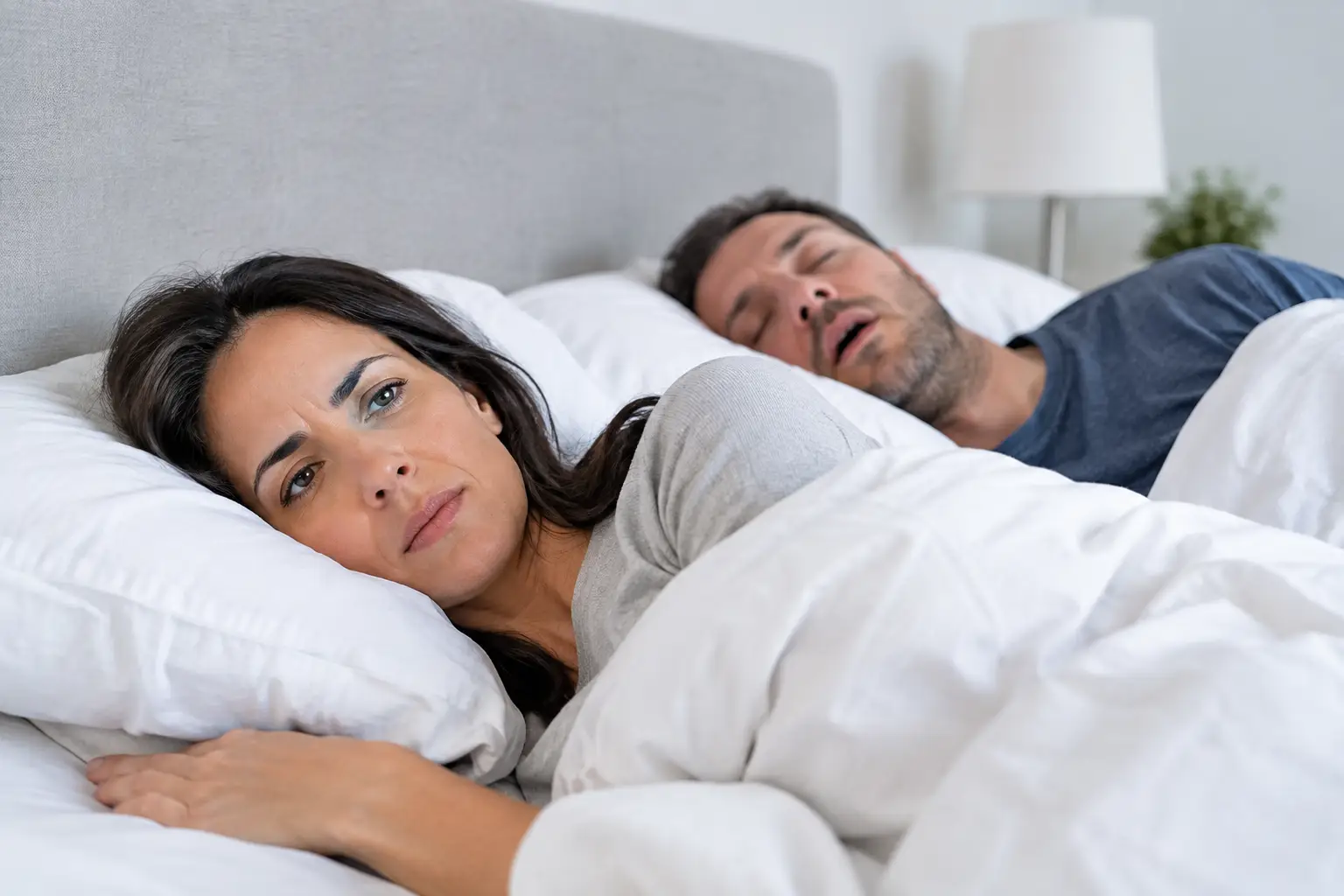
Difficulty falling asleep is not always only about stress or routines. If you snore loudly, wake up gasping, feel unrefreshed after a full night in bed, or struggle with daytime sleepiness, disrupted breathing could be part of the picture. Obstructive sleep apnea occurs when the airway repeatedly narrows or closes during sleep, causing brief awakenings that you may not remember.
People with sleep apnea may also notice morning headaches, dry mouth, nighttime sweating, frequent bathroom trips, irritability, or trouble concentrating. A bed partner may be the first person to notice pauses in breathing. Not everyone who snores has sleep apnea, and not everyone with sleep apnea fits a particular age, weight, or appearance. That is why symptoms deserve a thoughtful evaluation rather than guesswork.
Sleeping on your side, limiting alcohol near bedtime, and addressing nasal congestion may reduce snoring for some people. These steps are not a substitute for diagnosis when symptoms suggest sleep-disordered breathing. Over-the-counter mouthpieces and devices marketed for snoring can also be a poor fit or move the jaw in ways that create discomfort. A personalized plan is safer and more effective.
When an oral appliance may help
For appropriate patients with obstructive sleep apnea or primary snoring, a custom oral appliance can be an effective treatment option. The appliance is worn during sleep and is designed to gently position the lower jaw forward, helping keep the airway more open. It is different from a generic sports guard or a one-size-fits-all snoring device.
CPAP remains an important and highly effective therapy for many people, especially those with more severe sleep apnea. Oral appliance therapy may be recommended as an alternative for certain patients who cannot tolerate CPAP or as part of a coordinated treatment plan. The right choice depends on your sleep study results, symptoms, airway, teeth, jaw joints, and overall health.
Because an oral appliance rests on the teeth and changes jaw position during the night, it should be fitted and monitored by a qualified dental sleep medicine provider. Regular follow-up helps confirm that the appliance remains comfortable, protects your bite, and continues to support treatment goals.
At Seattle Oral Care, sleep-focused dental care includes individualized evaluations and oral appliance therapy provided by an AADSM-certified prosthodontist. If snoring, poor sleep, or possible sleep apnea is leaving you exhausted, a conversation with your physician and a qualified sleep professional can help clarify what is happening.
Know when to seek more support
Occasional trouble falling asleep is common, particularly during stressful periods, travel, illness, or major life changes. Persistent insomnia is different. Consider speaking with your primary care clinician if trouble falling asleep or staying asleep happens at least three nights a week for three months, affects your daytime functioning, or is becoming a source of significant worry.
Cognitive behavioral therapy for insomnia, often called CBT-I, is a well-supported first-line treatment for ongoing insomnia. It helps people change the thought patterns and habits that keep sleeplessness going. Sleeping medications can have a role in some situations, but they are best discussed with a clinician who understands your health history, other medications, and the possibility of sleep apnea.
Seek prompt medical attention for severe daytime sleepiness that makes driving unsafe, chest pain, shortness of breath, or repeated nighttime choking. Better sleep is not about achieving a perfect routine. It is about noticing what disrupts your rest, making a few sustainable changes, and getting the right help when breathing or ongoing insomnia may be part of the problem.