Waking up tired after a full night in bed can feel frustrating, especially when snoring, morning headaches, or daytime exhaustion have become part of everyday life. When people ask, “how is sleep apnea diagnosed?” the answer starts with listening closely to symptoms, then confirming what happens during sleep with the right type of sleep study.
Obstructive sleep apnea is more than loud snoring. It occurs when the airway repeatedly narrows or closes during sleep, briefly reducing or stopping breathing. These interruptions can affect oxygen levels, sleep quality, concentration, mood, blood pressure, and long-term health. The good news is that diagnosis does not usually begin with anything invasive. It begins with a conversation and a clear plan.
How Is Sleep Apnea Diagnosed?
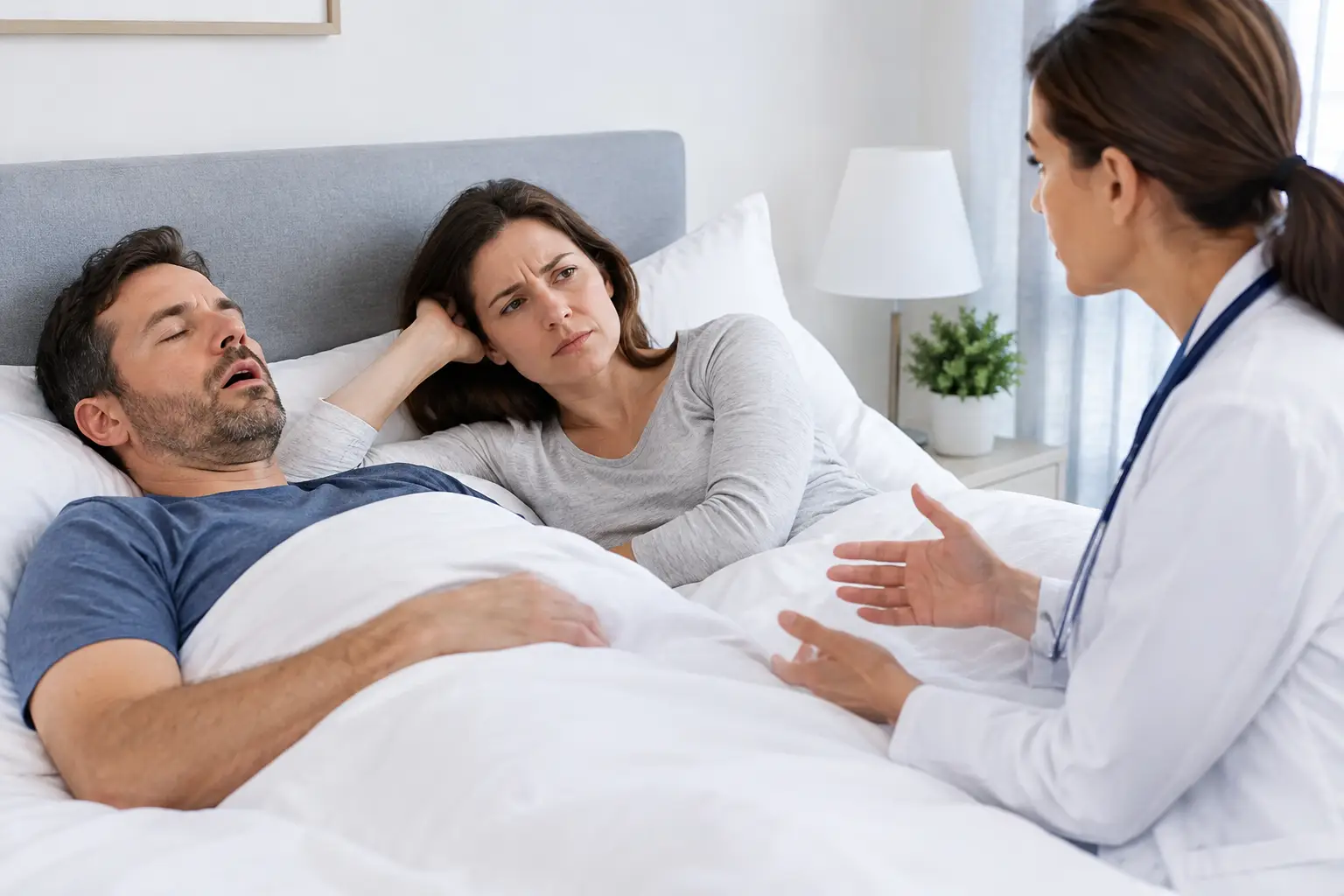
Sleep apnea is diagnosed by a qualified medical provider, often a primary care physician or sleep medicine specialist, who reviews your symptoms and medical history and orders a sleep test when appropriate. The test measures breathing disruptions while you sleep and helps determine whether sleep apnea is present, how severe it is, and what type of treatment may be appropriate.
A dentist trained in dental sleep medicine can play an important role in identifying risk factors, discussing your symptoms, and coordinating care. However, an oral examination alone cannot diagnose sleep apnea. A formal sleep evaluation is needed before treatment with an oral appliance for obstructive sleep apnea.
This coordinated approach matters because not every person who snores has sleep apnea, and not every person with sleep apnea snores loudly. Some people notice fatigue or frequent nighttime waking long before they realize their breathing is being interrupted.
The First Step: Symptoms, Health History, and Screening
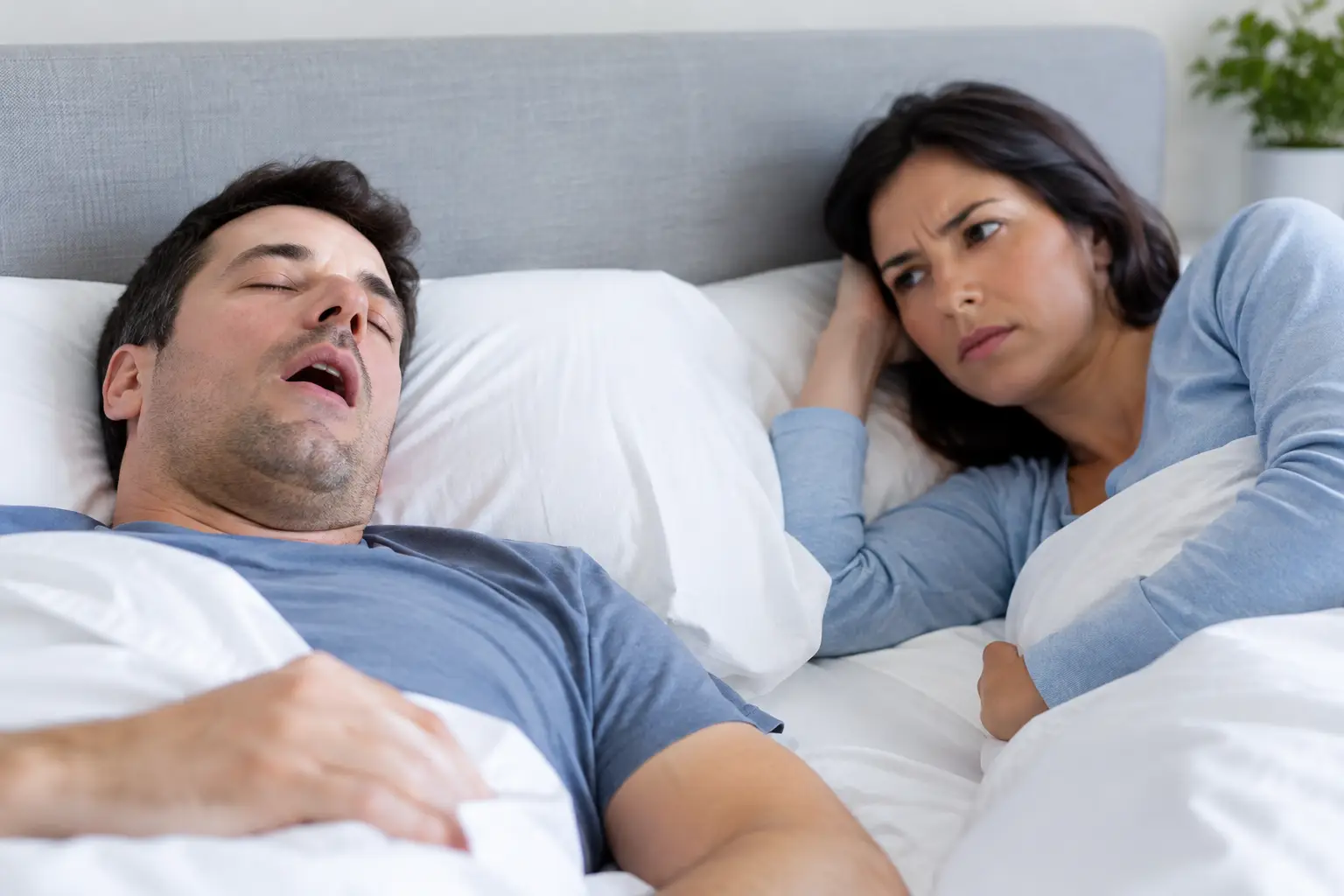
Your provider will begin by asking questions about your sleep, energy level, health history, and medications. If you share a bed or room with someone, their observations can be especially helpful. They may have noticed gasping, choking, pauses in breathing, restless sleep, or unusually loud snoring that you do not remember.
Common signs that may lead to a sleep apnea evaluation include persistent snoring, witnessed breathing pauses, waking with a dry mouth or headache, frequent nighttime urination, difficulty staying asleep, and excessive daytime sleepiness. Some people also experience irritability, trouble focusing, reduced libido, or drowsiness while driving.
Your provider may also review factors that can raise the likelihood of obstructive sleep apnea. These include excess weight, a larger neck circumference, nasal obstruction, alcohol use near bedtime, smoking, family history, and certain jaw or airway characteristics. Age and hormonal changes can contribute as well, but sleep apnea can affect adults of many body types and ages.
During an oral health visit, a clinician may notice signs that support a referral for sleep evaluation, such as tooth wear from clenching or grinding, a small or retruded lower jaw, a crowded tongue space, or a history of chronic snoring. These findings are clues, not a diagnosis. They help connect the dots between oral health, airway anatomy, and sleep quality.
Sleep Studies Confirm What Happens Overnight
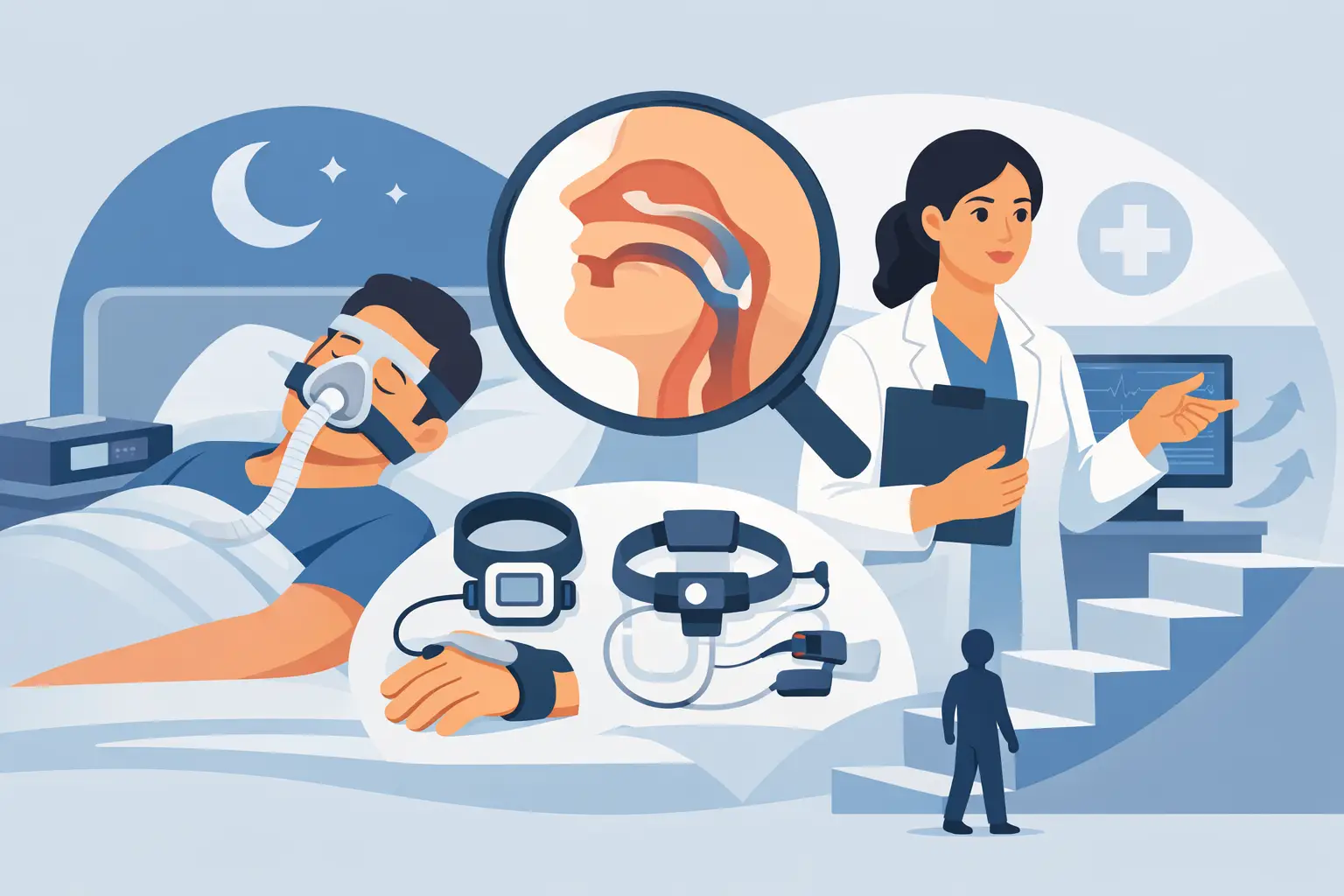
A sleep study records key information while you sleep, including breathing effort, airflow, oxygen levels, heart rate, and sometimes sleep stages and body position. There are two main testing paths: a home sleep apnea test and an in-lab sleep study.
Home sleep apnea testing
A home sleep apnea test is often a convenient option for adults with a high likelihood of uncomplicated obstructive sleep apnea. You receive a portable monitor with instructions for using it at home, usually for one night. Depending on the device, it may measure airflow through the nose, breathing effort, blood oxygen level, pulse, and snoring.
Home testing can be comfortable and practical because you sleep in your own bed. It may be a good first choice when symptoms strongly suggest obstructive sleep apnea and there are no major complicating medical conditions.
Still, home tests have limits. They generally do not measure brain activity or confirm exactly how much time you were asleep. As a result, they can sometimes underestimate the severity of sleep apnea. A negative or unclear home test does not always rule out the condition, particularly if symptoms remain concerning.
In-lab polysomnography
An overnight, in-lab sleep study is called polysomnography. It is more comprehensive than most home tests and is completed at a sleep center under the supervision of trained sleep technologists.
Small sensors are placed on the body to track breathing, oxygen levels, heart rhythm, eye movements, leg movements, sleep stages, and other information. The setup may look unfamiliar, but the sensors are designed to be as comfortable as possible, and the team explains each step before bedtime.
In-lab testing may be recommended when a home test is negative or inconclusive, when symptoms do not fit a straightforward pattern, or when there are concerns about another sleep disorder. It is also often preferred for people with significant heart or lung disease, neurologic conditions, possible central sleep apnea, severe insomnia, or suspected movement disorders during sleep.
Central sleep apnea differs from obstructive sleep apnea. Instead of an airway blockage, the brain does not consistently send the correct signal to breathe. Because treatment planning can be very different, a thorough evaluation is essential.
Understanding Your Sleep Study Results
Sleep studies often report an apnea-hypopnea index, or AHI. This number reflects the average number of breathing pauses or partial breathing reductions per hour of sleep. In adults, an AHI of 5 to 14 is generally considered mild sleep apnea, 15 to 29 is moderate, and 30 or more is severe.
Numbers are useful, but they are not the whole story. A provider also considers oxygen drops, symptom severity, sleep quality, sleeping position, medical history, and whether events occur mainly during REM sleep. A person with a lower AHI but significant sleepiness, cardiovascular risk, or troublesome oxygen changes may still need timely treatment.
Your physician or sleep specialist will explain whether the study shows obstructive sleep apnea, central sleep apnea, snoring without sleep apnea, or another concern. Ask for a copy of the report and an explanation in plain language. You deserve to understand what the findings mean for your daily health and treatment choices.
What Happens After an Obstructive Sleep Apnea Diagnosis?
Once obstructive sleep apnea is diagnosed, treatment is based on its severity, symptoms, airway anatomy, health history, and personal preferences. Continuous positive airway pressure, commonly called CPAP, is often highly effective and may be the first recommendation for moderate to severe cases.
For many adults with mild to moderate obstructive sleep apnea, and for some people with more severe apnea who cannot tolerate CPAP, a custom oral appliance may be an appropriate option. This device is worn at night and gently positions the lower jaw forward to help keep the airway open. It is not the same as an over-the-counter mouthguard. Effective treatment requires a custom-made appliance, careful fitting, and follow-up to protect your bite, jaw joints, and teeth.
At Seattle Oral Care, an AADSM-certified prosthodontist can work with your sleep physician to provide oral appliance therapy when it is medically appropriate. That collaboration helps ensure the appliance is designed around your oral health needs and that your treatment is evaluated after delivery.
Lifestyle changes may support treatment, but they should not replace professional care when sleep apnea is present. Depending on the person, helpful measures can include side sleeping, limiting alcohol and sedating medications near bedtime under a physician’s guidance, addressing nasal congestion, maintaining a healthy weight, and keeping a consistent sleep schedule.
Why Follow-Up Testing Matters
Feeling better is encouraging, but it does not always prove that sleep apnea is fully controlled. After beginning CPAP, oral appliance therapy, surgery, or another treatment, your sleep physician may recommend follow-up testing to confirm that breathing events have improved.
This step is especially valuable with oral appliance therapy because the appliance may need gradual adjustment to find the most effective and comfortable jaw position. Follow-up dental visits also allow the provider to check the condition of the appliance, evaluate tooth movement or bite changes, and address jaw discomfort early.
Sleep apnea care is rarely one-size-fits-all. Some patients do best with CPAP, some with an oral appliance, and some with a combination of treatments. The right path is the one that effectively supports your breathing and that you can use consistently.
If snoring, fatigue, or witnessed breathing pauses are affecting your life, you do not have to guess at the cause or accept poor sleep as normal. A conversation with your physician or sleep specialist can be the first clear step toward better-rested days, safer nights, and a treatment plan built around you.