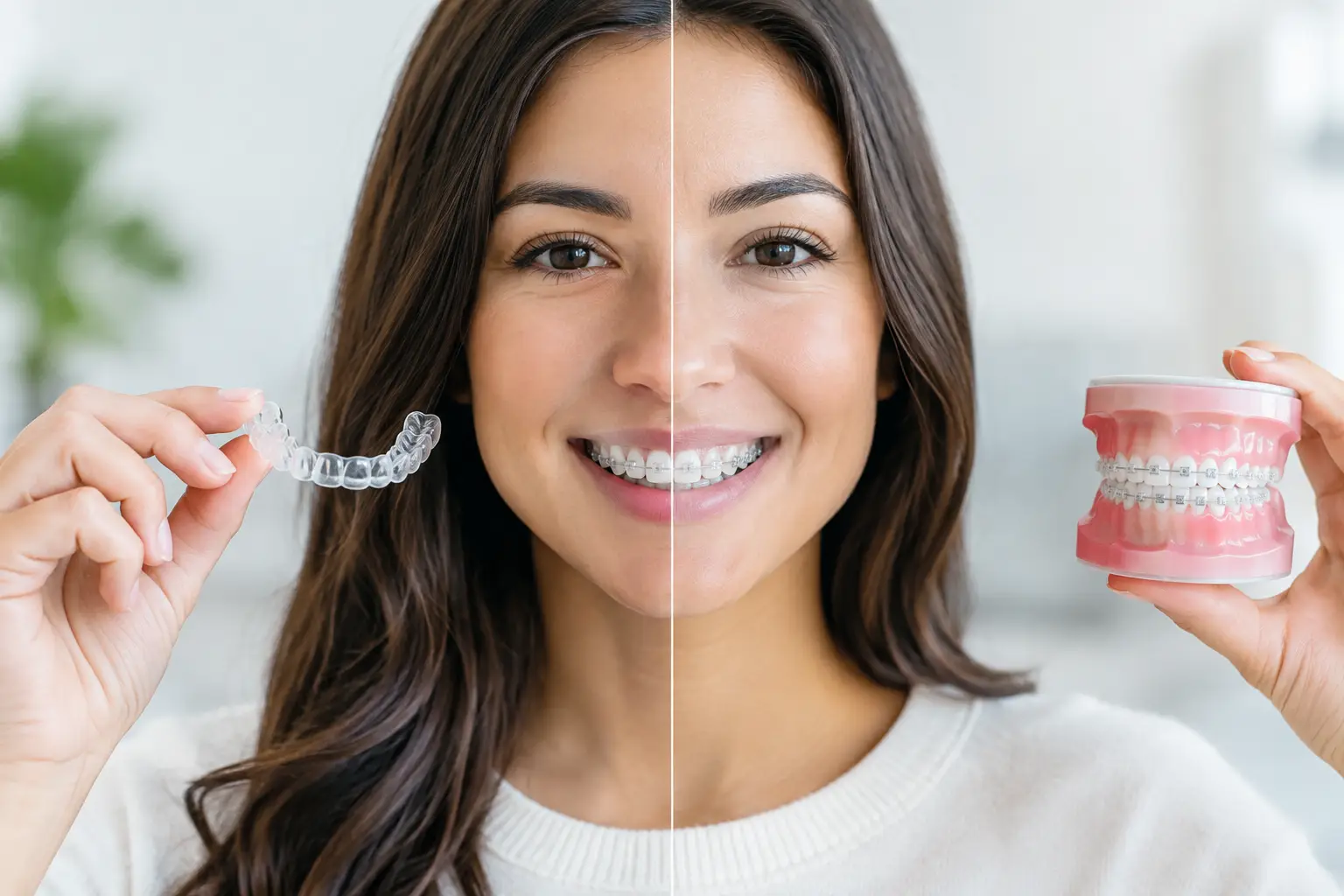

A clear-aligner treatment plan should fit into your life, not keep you away from it. For adults wondering about Invisalign check up visits, how often Invisalign appointments occur, what happens at an Invisalign checkup, and how to manage Invisalign progress visits around work, the reassuring answer is that there is no fixed visit interval for every patient.
Your schedule is guided by how your teeth are responding, the complexity of your treatment, and whether you are comfortably wearing your aligners as directed. That means your care team can plan thoughtfully around important work periods, travel, and the everyday demands of adult life while still protecting the progress of your smile.
How Often Are Invisalign Appointments?
Invisalign appointments are usually spaced out enough to let you make meaningful progress between visits. At the start of treatment, appointments may be closer together as your dentist confirms that your aligners fit well, attachments are in place when needed, and you feel confident with your routine. Once treatment is moving predictably, progress visits may be scheduled farther apart.
There is no universal calendar that applies to every Invisalign patient. Someone making a straightforward cosmetic adjustment may need a different level of monitoring than someone correcting a more involved bite concern, crowding, spacing, or tooth movement that affects future restorative care. Your oral health also matters. Gum inflammation, a cracked attachment, or an aligner that no longer fits as expected may call for an earlier visit.
The goal is not to bring you in more often than necessary. It is to make sure each stage is doing what it was designed to do. At Seattle Oral Care, we approach Invisalign as a personalized treatment, with clear communication about what your specific plan requires.
What Happens at an Invisalign Checkup?
Most Invisalign checkups are focused, comfortable visits. Your dentist checks whether your teeth are tracking with the planned movements and whether each current aligner is fully seating against the teeth. Even a small gap between an aligner and a tooth can be useful information. It may mean a tooth needs more time to move, you need a simple technique to help the aligner seat, or the plan needs an adjustment.
Your care team may also examine the small tooth-colored attachments used to give aligners a better grip. These are common and temporary, but they need to stay intact for certain movements to occur as planned. If an attachment has come off, it can often be replaced during the visit.
Depending on where you are in treatment, your appointment may include a review of your next aligners, a scan to assess your progress, or photographs for comparison. Your dentist will also ask practical questions: Are you able to wear the aligners consistently? Do you remove them for every meal? Is one area sore longer than expected? Have you misplaced an aligner or noticed a change in fit?
These conversations matter. Invisalign works through steady, planned forces. Wearing aligners for the recommended amount of time each day and changing them only as instructed gives your teeth the best chance to follow that plan.
Your checkup is also a chance to ask questions
Adults often wait until something feels urgent before calling a dental office. With Invisalign, it is better to raise smaller concerns early. A sharp edge, persistent irritation, a loose attachment, or an aligner that suddenly feels very different is worth mentioning. Many issues have a simple solution, and prompt guidance can prevent a small interruption from becoming a longer delay.
Planning Invisalign Progress Visits Around Work
For a busy professional, the practical concern is rarely whether an Invisalign checkup is difficult. It is whether appointments will disrupt meetings, deadlines, commutes, or travel. The good news is that progress visits are generally much shorter and less disruptive than a major dental procedure. Still, planning ahead helps.
At the beginning of treatment, ask your dental team what the next several months may look like. They cannot promise an identical interval throughout the entire process, because treatment responds to biology as well as planning. They can, however, give you a realistic sense of when you may need to be seen and what type of appointment is coming next.
When possible, schedule your next visit before leaving the office. Early morning or late-day appointments may work well for some people, while others prefer to use a lunch break. If you travel frequently, let your team know before you begin. Your dentist may be able to coordinate aligner pickup and check-in timing so you have the instructions and supplies you need before a trip.
It also helps to keep your current and next aligner sets organized. Store them in their labeled bags, carry your case when you eat away from home, and keep your previous set rather than throwing it away immediately. If an aligner is lost or damaged, the prior set may be useful while you wait for guidance from your dental team. Do not decide on your own to skip far ahead in the series.
Why Visit Timing Can Change During Treatment
A treatment plan can look very orderly on paper, yet teeth do not always move at exactly the same pace. That is normal. Bone response, the shape of each tooth, how consistently aligners are worn, and the specific movement being requested all influence progress.
Sometimes an aligner sequence goes exactly as expected. Other times, a dentist may recommend staying in a set a little longer, changing the timing of the next visit, or taking a new scan for refinement aligners. Refinements are not a sign that treatment failed. They are a common way to make final tooth positions more precise after the major movements are complete.
Your care may also need coordination with other dental needs. For example, if you are planning a crown, implant restoration, or other restorative treatment, tooth positioning may be part of achieving a stable, natural-looking result. A comprehensive dental team can consider the health, function, and appearance of your whole smile rather than viewing alignment in isolation.
How to Make Each Invisalign Visit Productive
Come to your appointment wearing your current aligners unless your dental team has instructed you otherwise. Bring your next sets if asked, and make a quick note of any questions that came up since your last visit. It can be helpful to mention changes that seem unrelated, such as new jaw soreness, increased clenching, or gums that bleed when you brush.
Keep up with routine brushing and flossing throughout treatment. Aligners sit closely around the teeth, so clean teeth and healthy gums support a more comfortable experience. Remove aligners before eating or drinking anything other than plain water, then clean your teeth before putting them back in whenever you can. This protects your teeth from trapped food and helps keep aligners clearer.
If your workday makes brushing difficult, a small travel toothbrush, toothpaste, and aligner case can make the routine much easier. The best Invisalign schedule is one you can realistically follow on a busy Tuesday, not just on a calm weekend.
When to Contact Your Dentist Between Checkups
You do not need to wait for your next planned progress visit if something feels off. Contact your dental team if an aligner is lost, cracked, or will not fit; an attachment comes off; you have persistent pain rather than expected temporary pressure; or your gums become swollen or very tender. Reach out as well if you have had dental work elsewhere or an injury that could affect your teeth or aligners.
A quick call can clarify whether you should come in, continue with your current aligner, return to a previous one, or follow another instruction. That guidance is especially valuable when you are trying to keep treatment moving without unnecessary interruptions to work and home life.
Invisalign progress visits are not simply checkpoints on a calendar. They are opportunities to make sure your treatment stays comfortable, precise, and aligned with your goals. With a plan built around your smile and a care team that listens, fitting appointments into a full professional life can feel manageable from the first aligner to the final result.